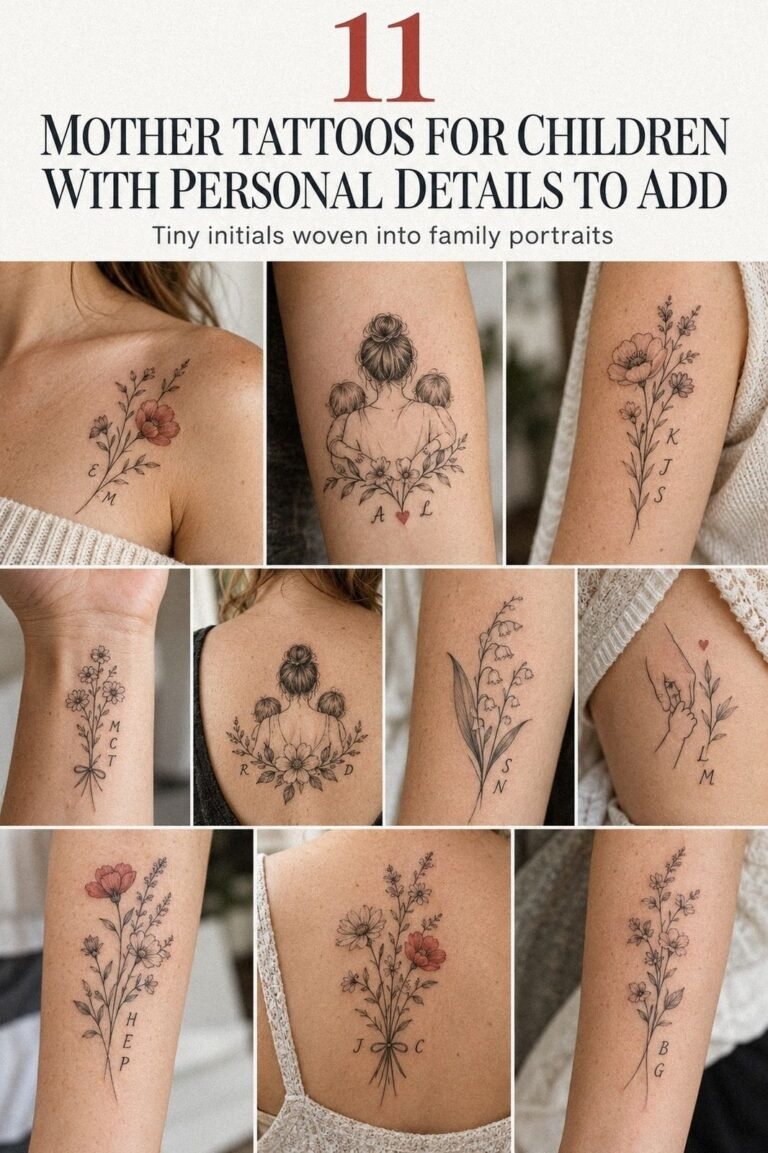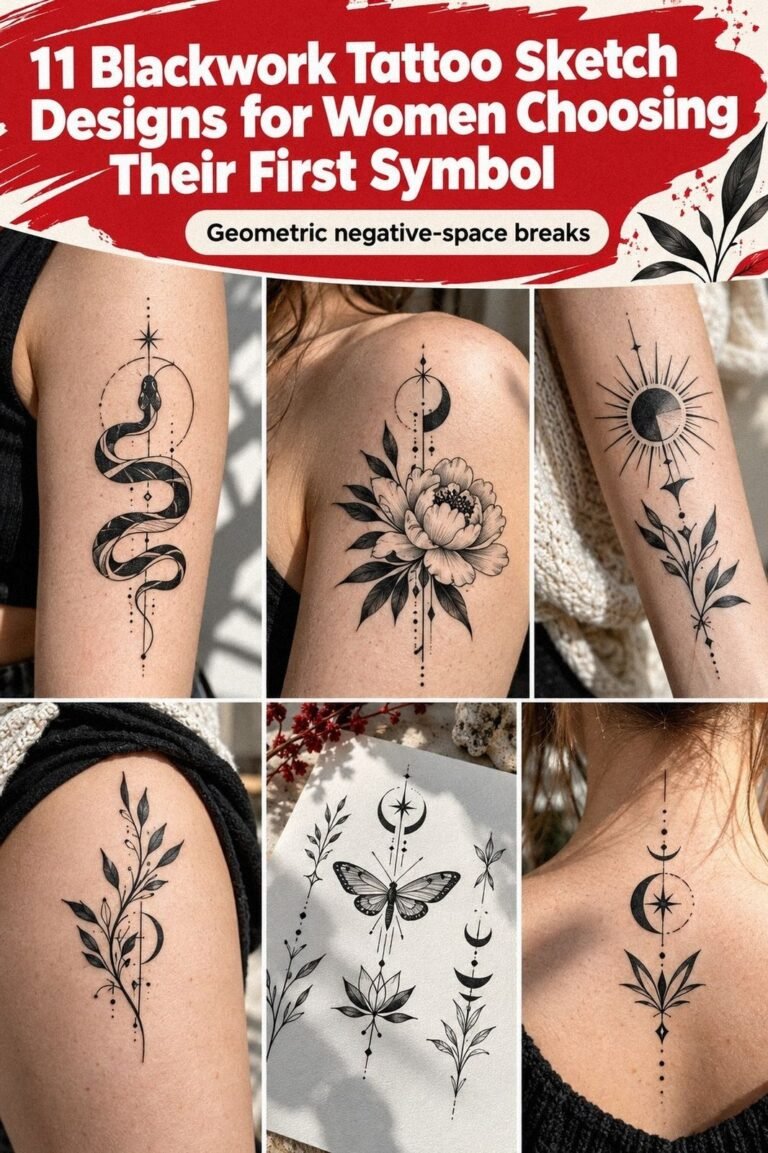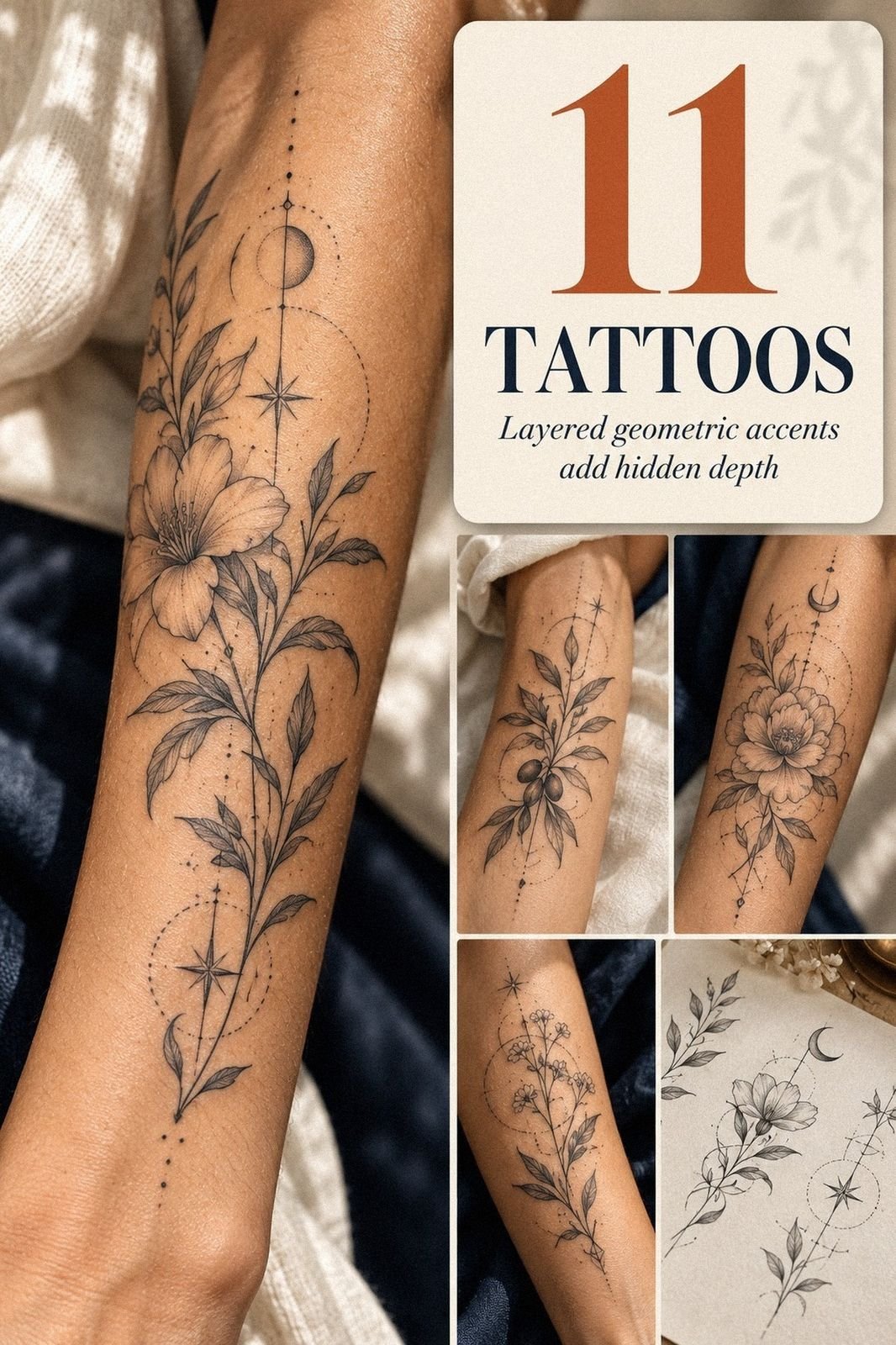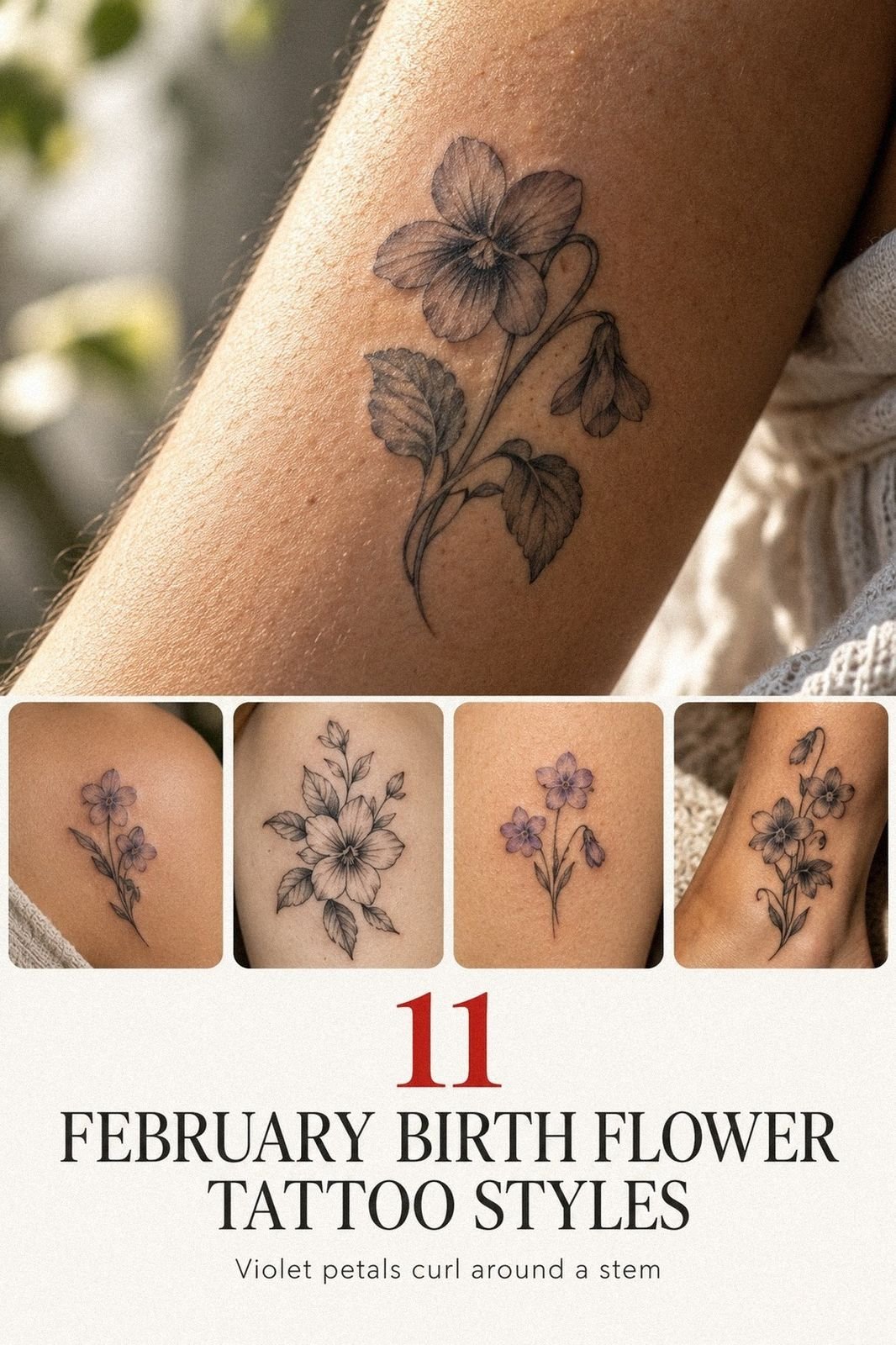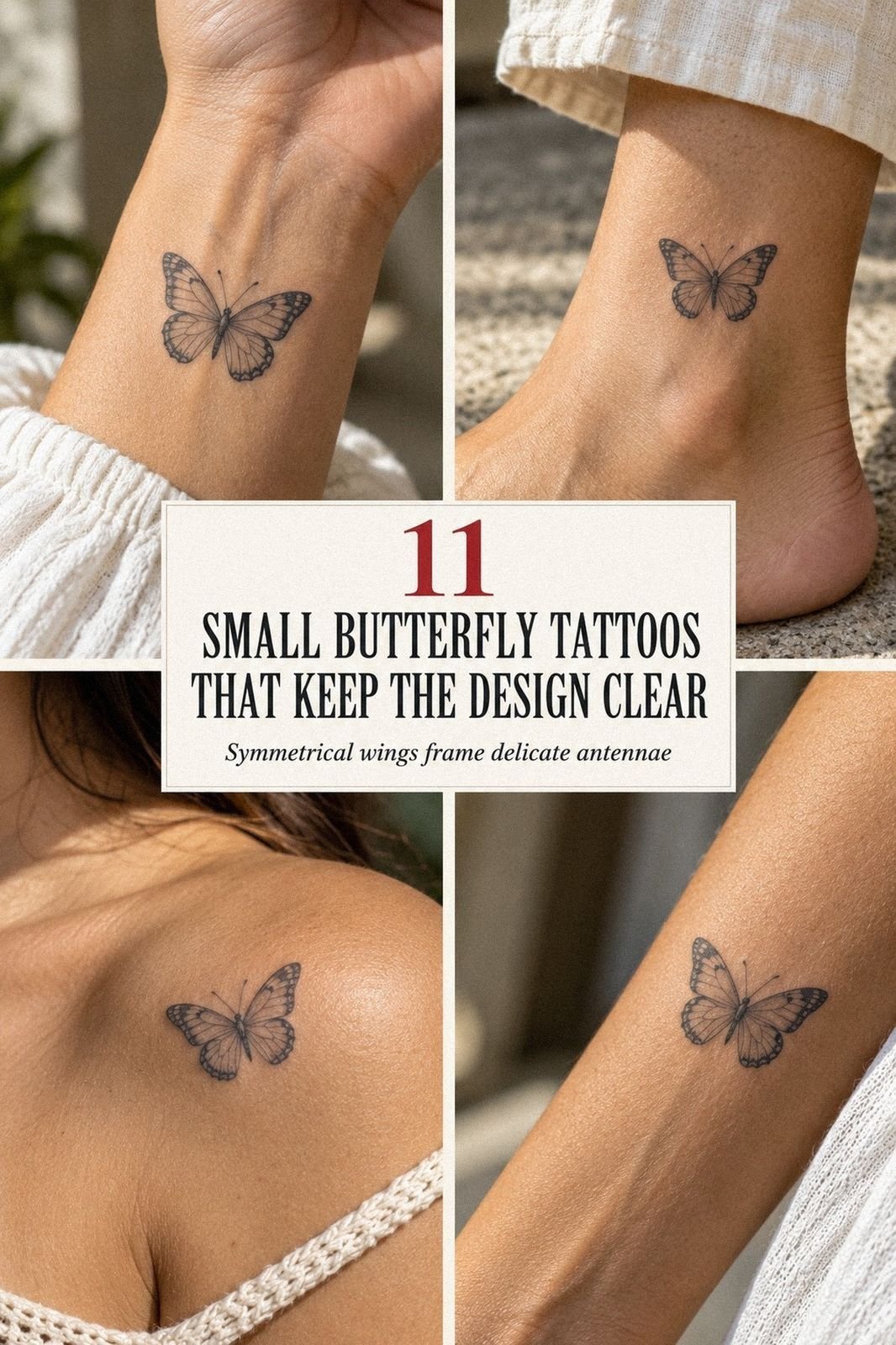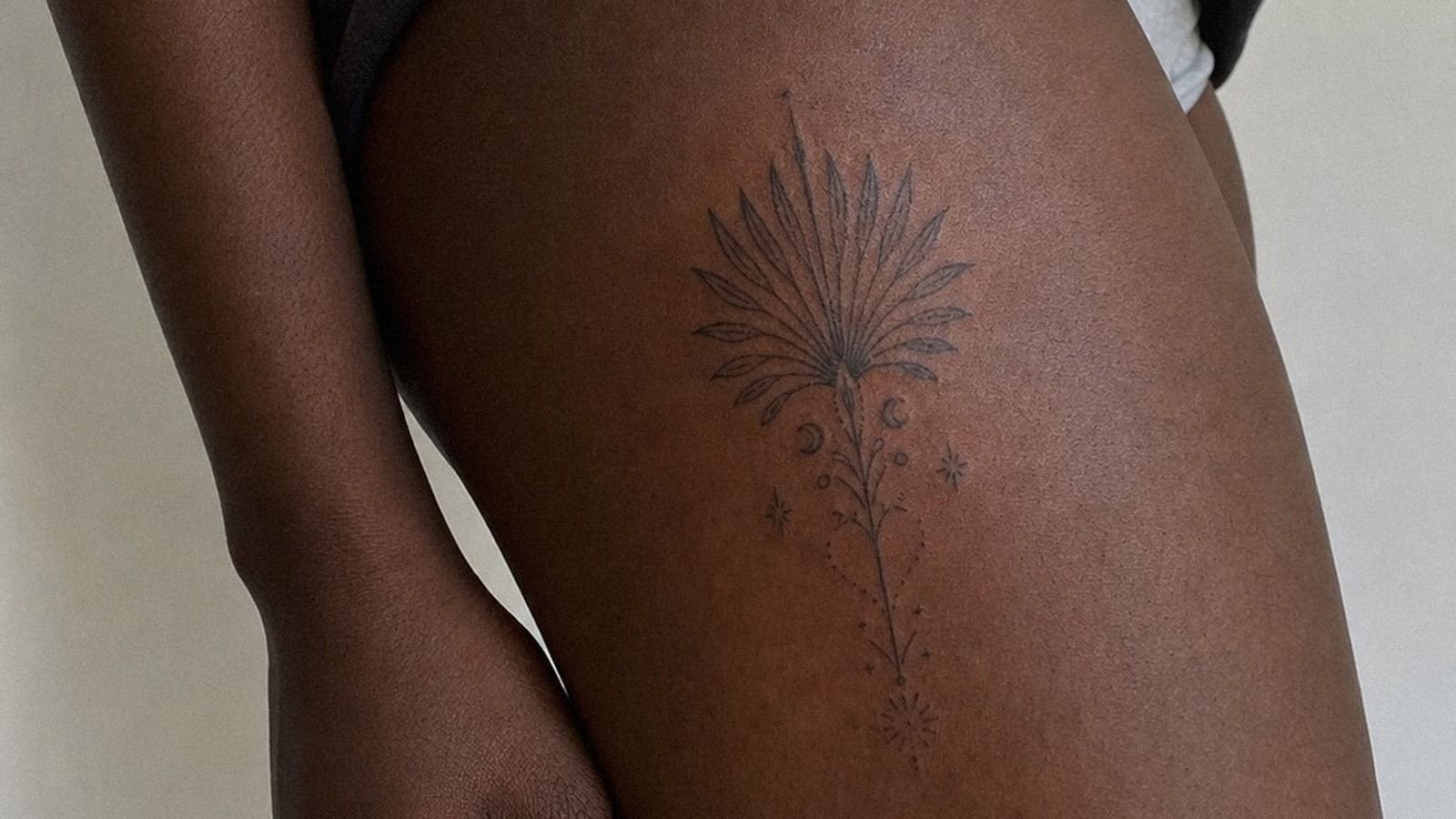
Tattoo flash art kept showing up in my feed, but I still waited. I wanted a piece that would heal clean, sit right on skin, and still look crisp in five years. I got this one the week I turned 30, after months of saving one patch of skin for the right sheet and a real timing window.
Here’s what it looked like before
Before I picked anything, the spot I kept checking was just blank skin and too many screenshots. I had saved tiny swallows, roses, daggers, and old school oddballs from every angle, but none of them felt settled on my body.
Some were too busy. Some were cute for ten seconds and then felt thin. That was the problem.
What changed was simple, and it finally clicked. I stopped chasing the perfect Pinterest-exact tattoo and started looking for a flash design that could take one clean pull, hold contrast, and age without turning to soup.
If you’re stuck between ten references, this is the fork in the road that matters. For a clean breakdown of the difference, read flash tattoo vs custom tattoo.
It helped me stop treating flash like filler and start judging real long-term payoff.
- I Studied Old Tattoo Flash Sheets First
- I Marked The Designs With Clean Linework
- I Chose A Palm Sized Swallow Flash
- Why Did 90s Flash Tattoo References Hold Up?
- I Checked The Artist’s Flash Book
- I Asked Which Flash Designs Were Repeatable
- I Picked Black Ink Over Faded Color
- Sailor Jerry Logic vs Tiny Rose Panic
- I Moved The Dagger Flash Above My Ankle
- I Kept The Skull Flash Away From Fingers
- How Much Pain Could I Honestly Tolerate?
- I Asked About Shading Before Booking
- Sailor Jerry Healed Photos Told The Truth
- Tiny Detail Drama vs A Wrist That Moves
- I Saved A Traditional Panther Flash Backup
- I Confirmed The Stencil Size On Skin
- I Watched The Lines Go In Clean
- I Protected The Flash Tattoo While Healing
- I Planned My Next Flash Sheet Pick
1I Studied Old Tattoo Flash Sheets First
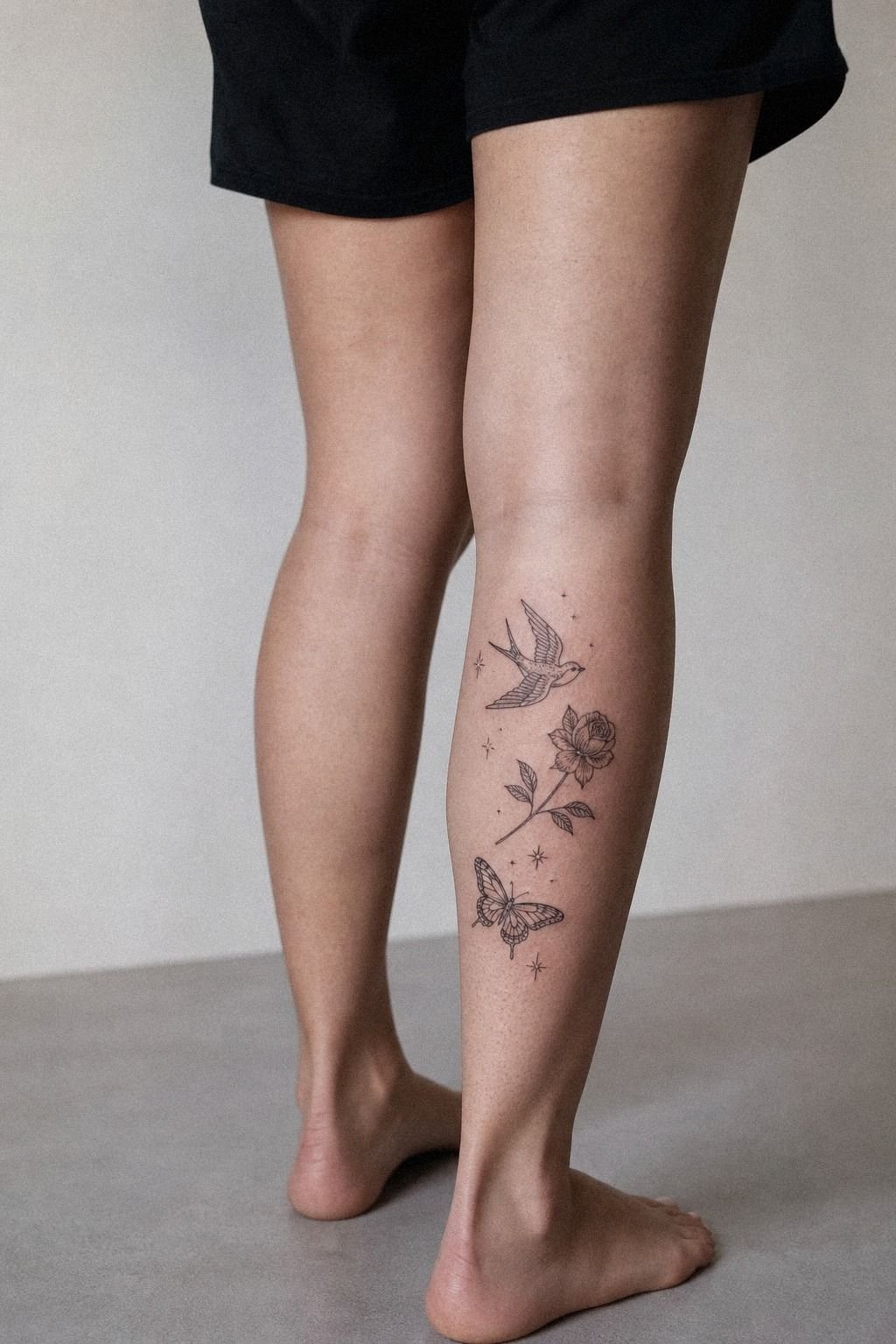
I started with old sheets because they show you what lasted for a reason. A strong flash sheet usually gives you bold shapes, simple black balance, and enough air around the design that your eye catches it fast. If you’re new to this, that old logic matters more than whatever is trending this week.
Then I looked at how those designs sat on real bodies, not just paper. Swallows, roses, panthers, and daggers keep coming back because they read clean at a few feet and still make sense up close. I kept circling back to traditional americana tattoo flash guide because it shows why classic flash repeats so well.
You don’t need vintage for the sake of vintage. You need structure. That’s the part that’s worth it.
2I Marked The Designs With Clean Linework
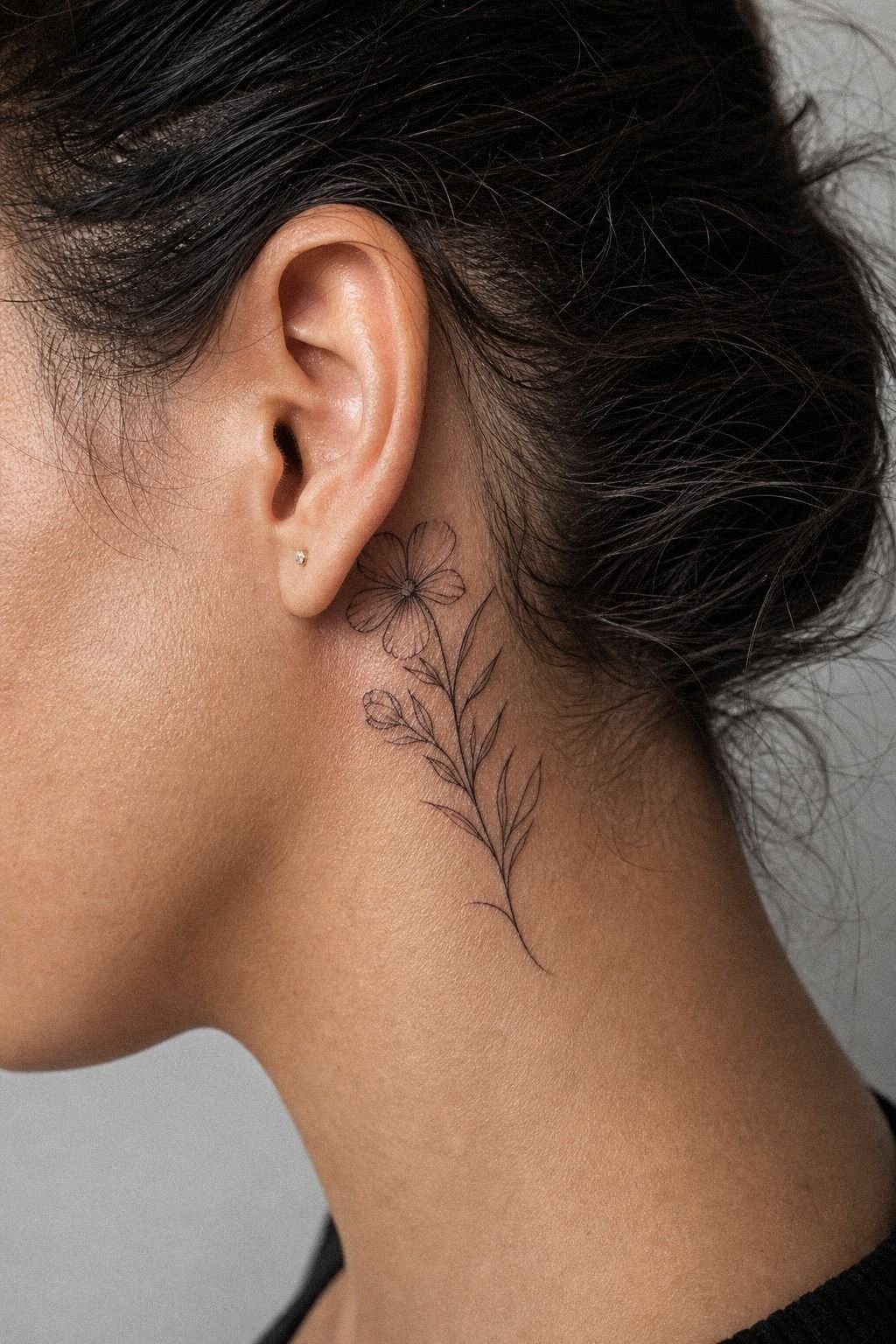
Next, I started crossing out anything that relied on fuzzy detail to feel interesting. Good linework should look confident before shading ever touches it. If the outline already looks nervous on paper, it won’t get better once it heals behind your ear or on your wrist.
I wanted lines that felt deliberate, like one clean pull instead of ten fuzzy ones. That’s the difference between fine line that heals nice and fine line that looks chewed up. And yes, behind-the-ear placement is cute, but only if the design stays simple and the artist has healed photos to prove it.
If you want to understand the drawing logic first, how to draw tattoo flash is worth a quick read. Cheap isn’t the same as good tattooing.
3I Chose A Palm Sized Swallow Flash
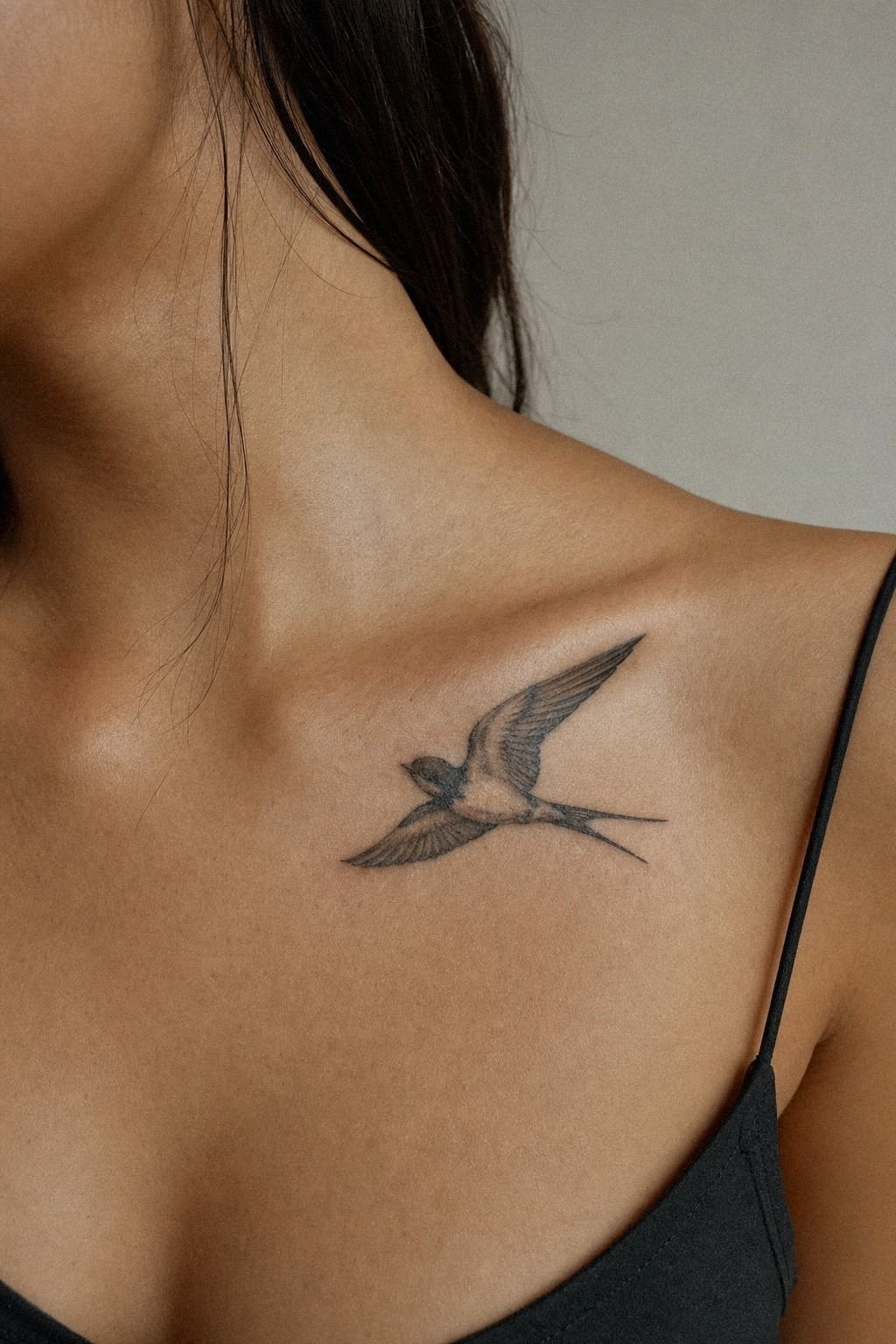
The swallow that finally landed for me was palm sized, not coin sized. That matters. A swallow flash on the collarbone needs enough width in the wing and tail breaks that it can breathe instead of turning into a dark little clump later.
I tell first-timers the same thing I told myself: go a touch bigger than your scared brain wants. A palm-sized piece usually gives your artist enough width to keep the belly, beak, and feather splits crisp without overworking skin.
But if you shrink that same design too far, the charm disappears fast. The symbolism side can matter too, and if that’s part of your pull, yggdrasil tattoo meaning is a good example of how bigger ideas still need clean visual structure.
That extra size is often better long-game thinking than a tiny redo later.
4Why Did 90s Flash Tattoo References Hold Up?
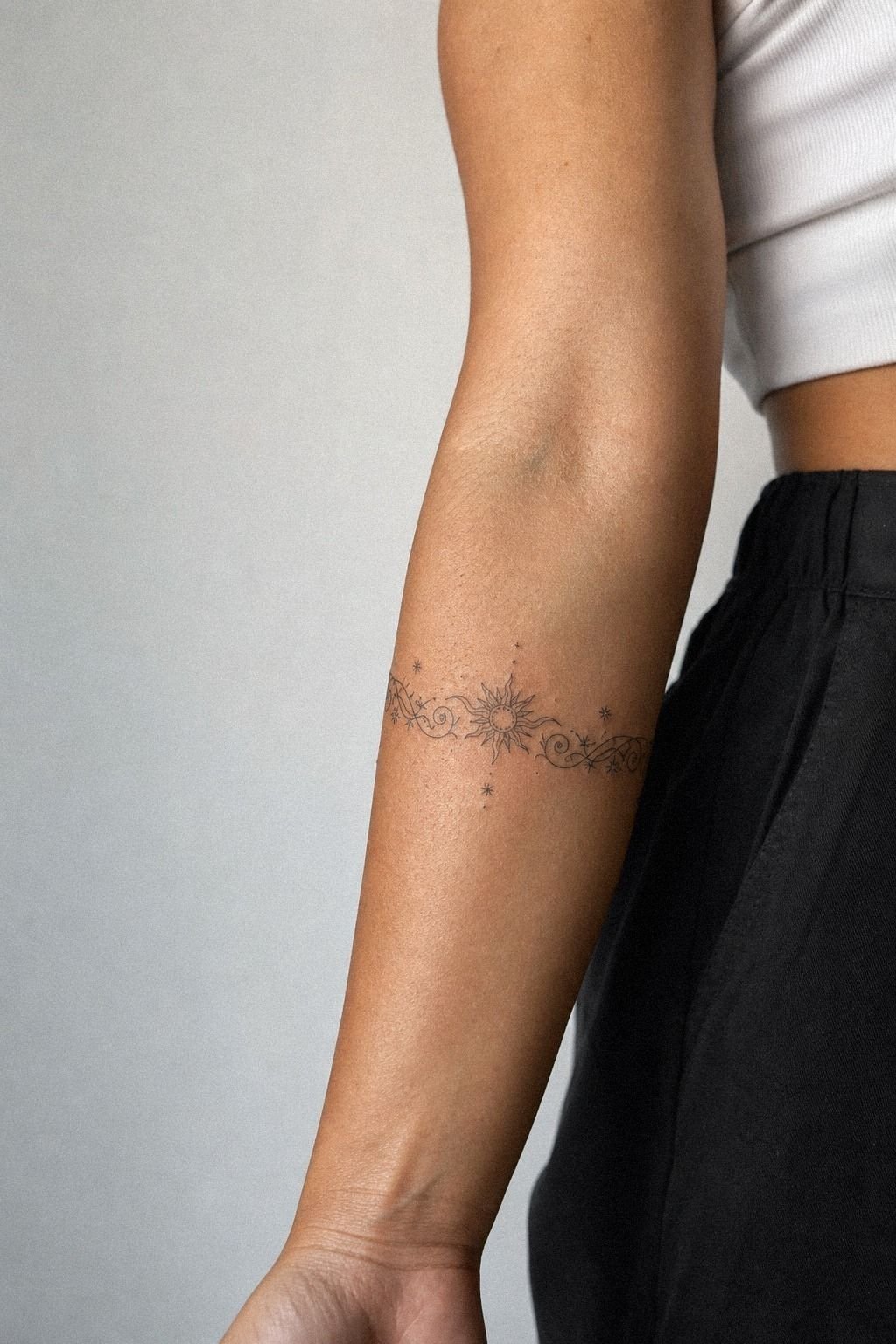
After that, I compared newer flash against 90s flash tattoo references and spotted a pattern right away. The pieces I liked from the 90s still had shape discipline. Even when they pushed attitude, they did not cram every inch with texture or micro-detail.
That helped on inner forearm placement, where wrap and flow matter more than people think. You want the design to track the anatomy, not fight it.
If you’re looking at any motif with more symbolism than silhouette, compare it against something like yin yang tattoo meaning and notice how readable forms carry the idea. That read matters more than novelty.
But I had to see that on skin before it really clicked.
5I Checked The Artist’s Flash Book
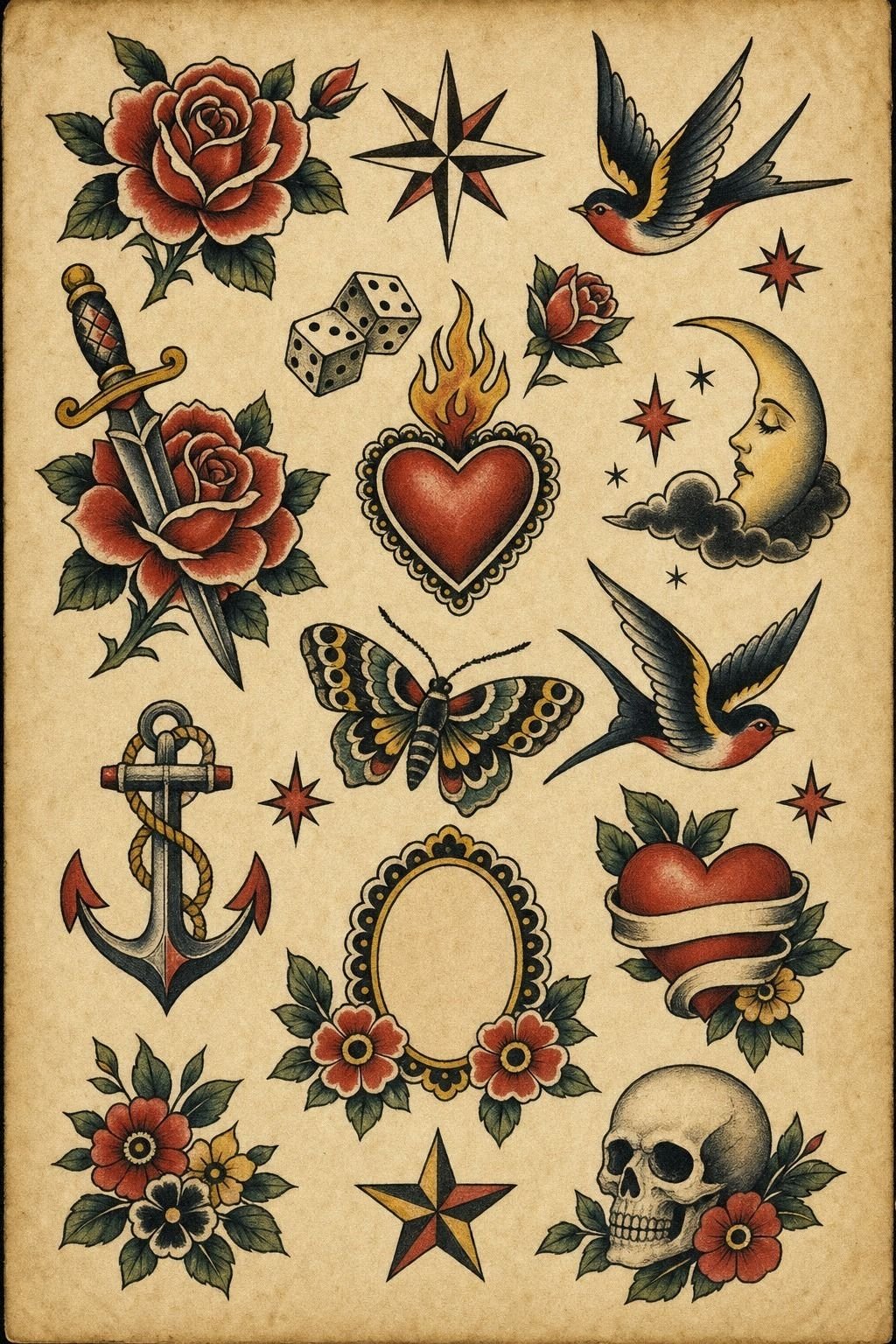
Once I had a direction, I asked to see the artist’s flash book instead of sending another pile of cropped screenshots.
6I Asked Which Flash Designs Were Repeatable
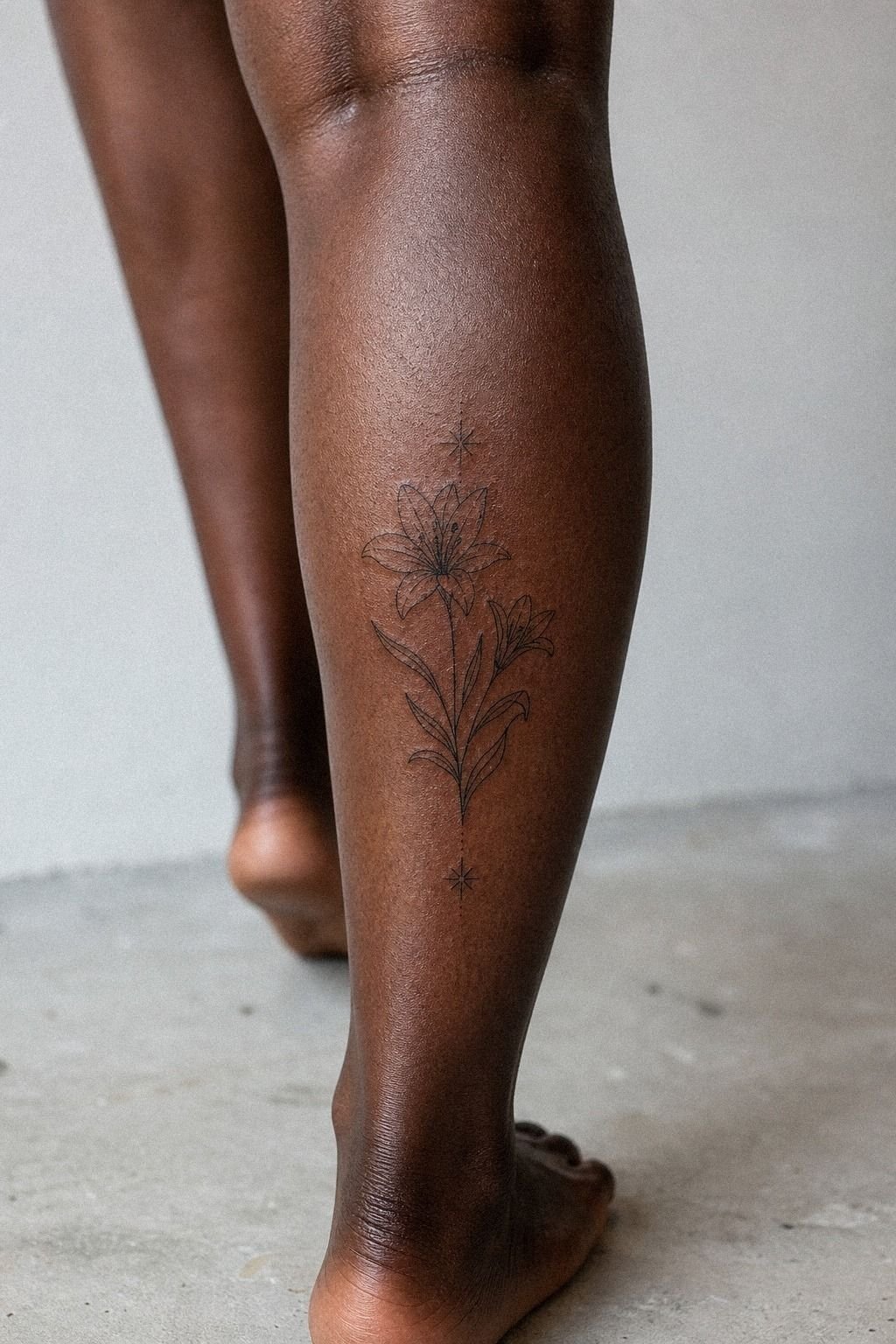
This was one of the smartest questions I asked. I wanted to know which designs the artist was happy to tattoo again because repeatable flash tats usually tell you the drawing is stable, the session runs smoothly, and the result heals predictably across different skin tones.
That matters a lot on darker skin, where contrast choices need to be intentional from the jump. A repeatable design is not boring. It’s tested.
If you hear an artist say a piece always heals nice on calf, forearm, or shoulder, pay attention. And if a design only works when it is tiny, hyper-delicate, and placed in a high-wear zone, I would walk.
You want confidence, not a gamble. That’s real proof.
7I Picked Black Ink Over Faded Color
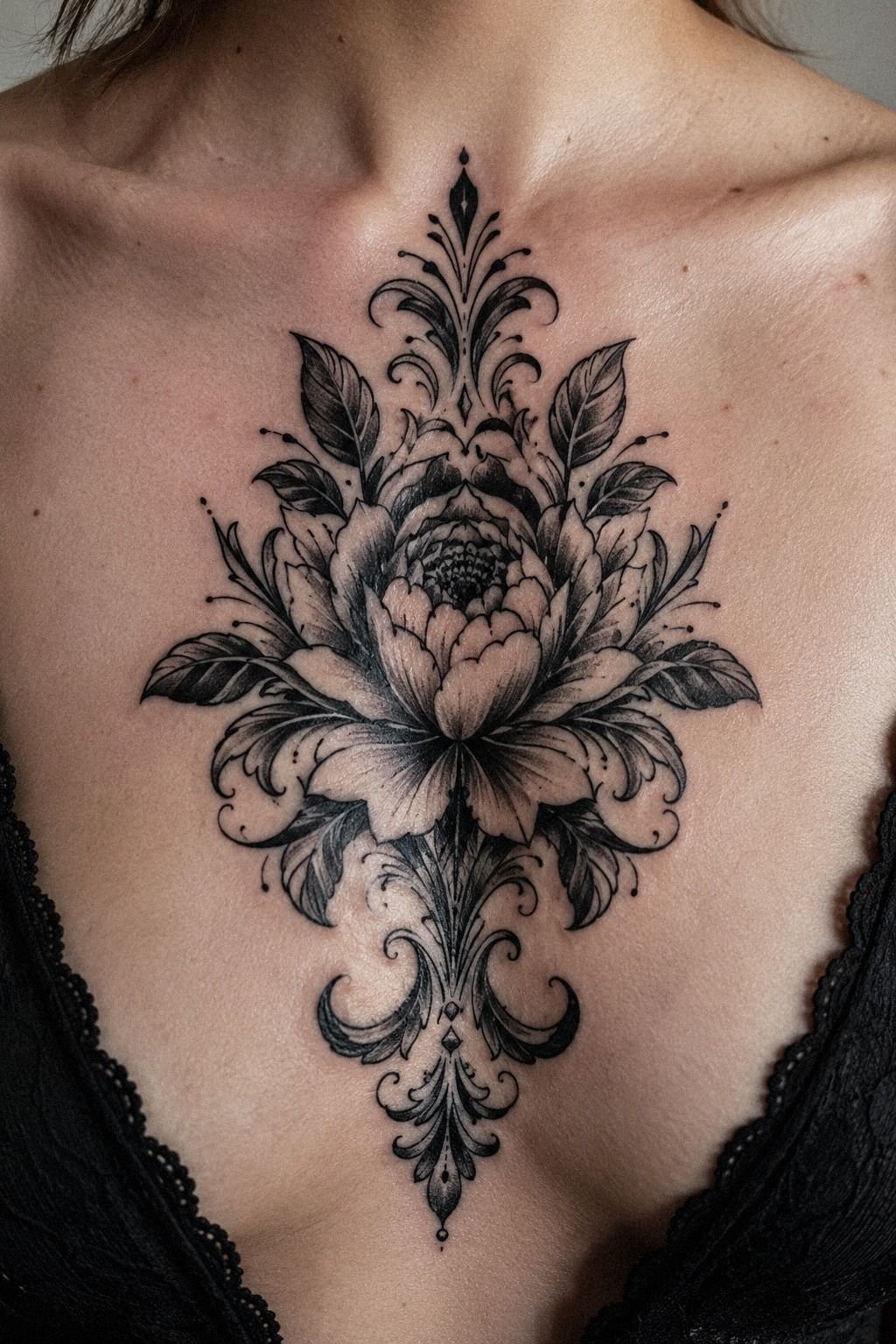
For this piece, I chose black ink over faded pastel every single time. Fine line can look soft and elegant, but softness should come from shape and skin contrast, not from weak pigment. On a sternum or any bony zone, underpowered color can heal flat before the piece ever gets a fair shot.
Black gives you longevity, especially when the design is slim and the placement sees movement. That doesn’t mean color is bad.
It means color needs enough mass and saturation to hold. But for flash with thin stems, feathers, or dagger edges, black is your best friend.
If you like older sheet logic, traditional americana tattoo flash guide makes that crystal clear. For long-term wear, solid black usually wins.
8Sailor Jerry Logic vs Tiny Rose Panic
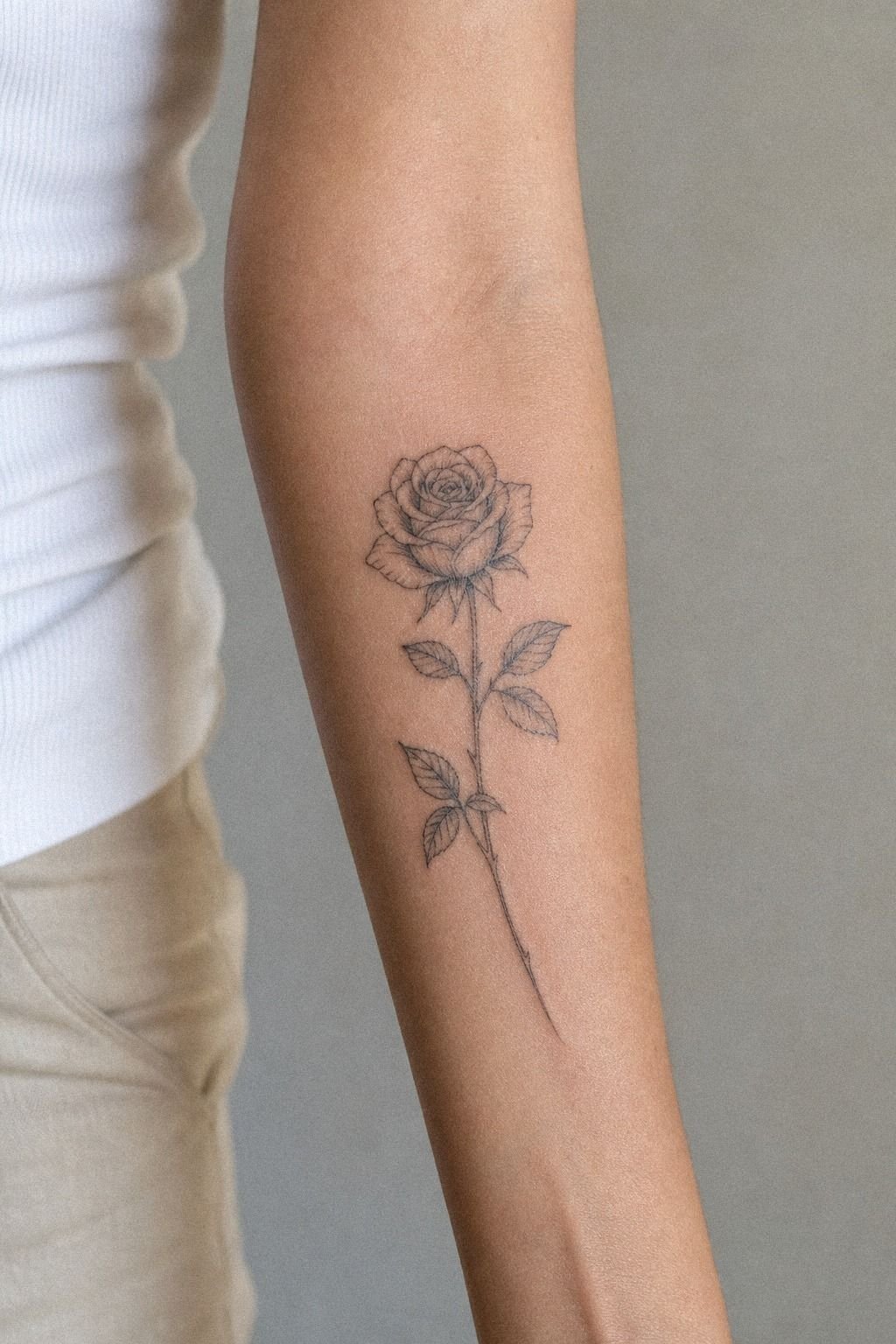
Forearm won because it gives a flash rose enough visibility without making the healing stage miserable. A flash rose there stays readable, gets lower friction than hands or feet, and lets curved leaves follow the arm instead of bunching up in one stiff cluster.
I also liked how the forearm makes you check size honestly. You can see right away if the bloom is too small, if the stem is too long, or if the leaves need more separation. If you’re tempted to chase symbolism first, compare that instinct with guides like yhwh tattoo meaning and ask yourself whether the form still stands on its own.
You need both. Not just a meaning you can explain later.
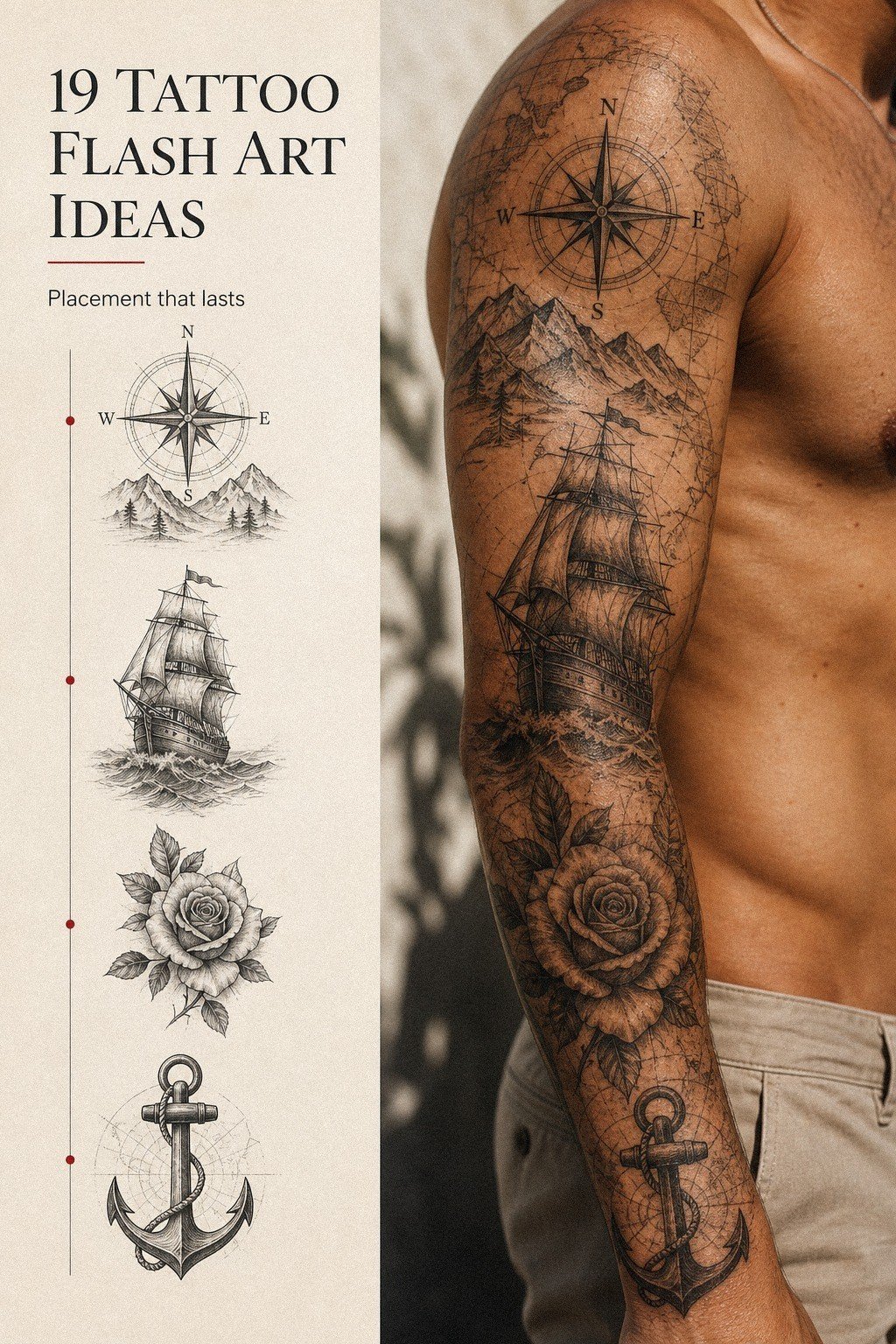
9I Moved The Dagger Flash Above My Ankle
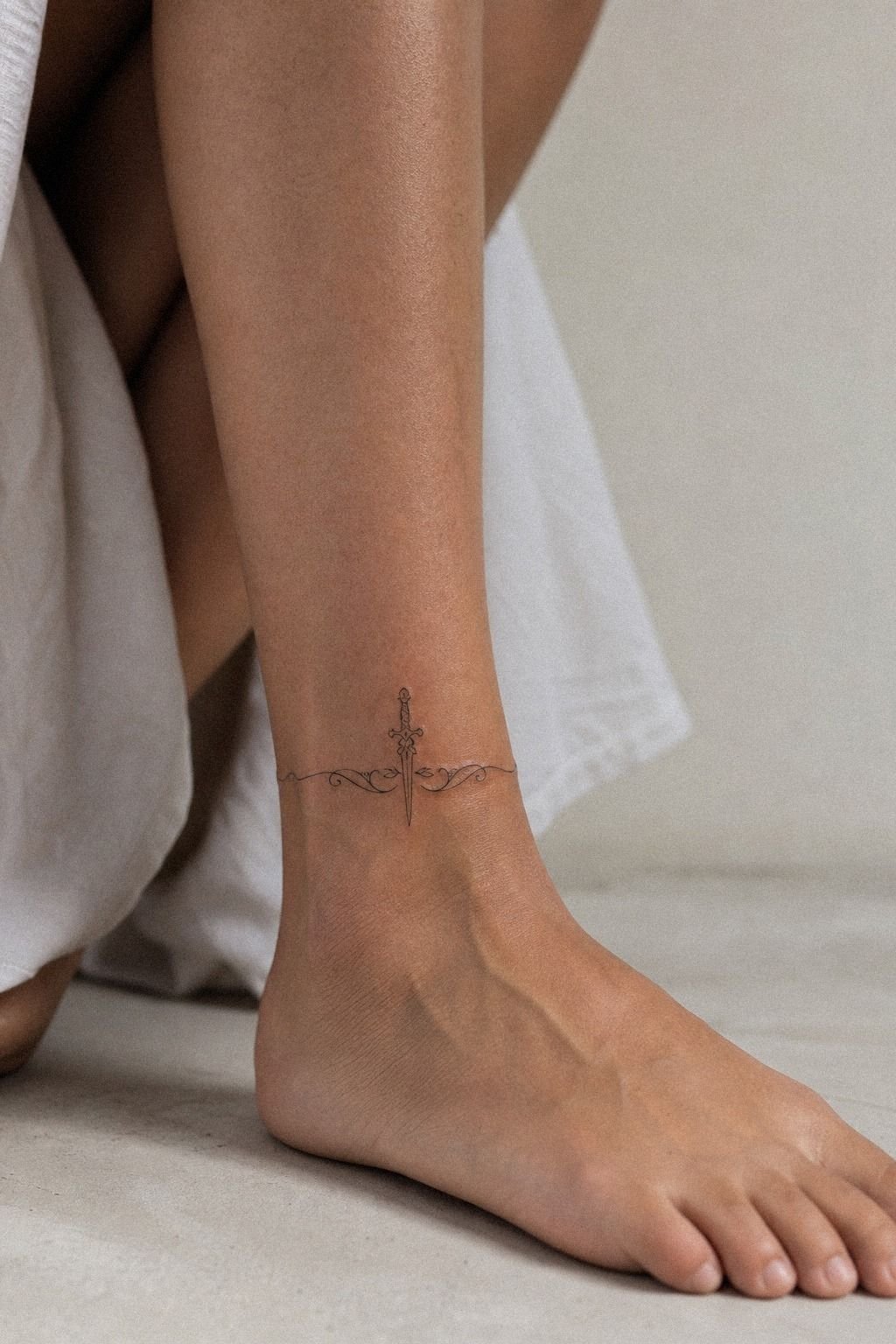
At first I thought ankle sounded edgy enough, but the exact spot mattered more than the vibe.
10I Kept The Skull Flash Away From Fingers
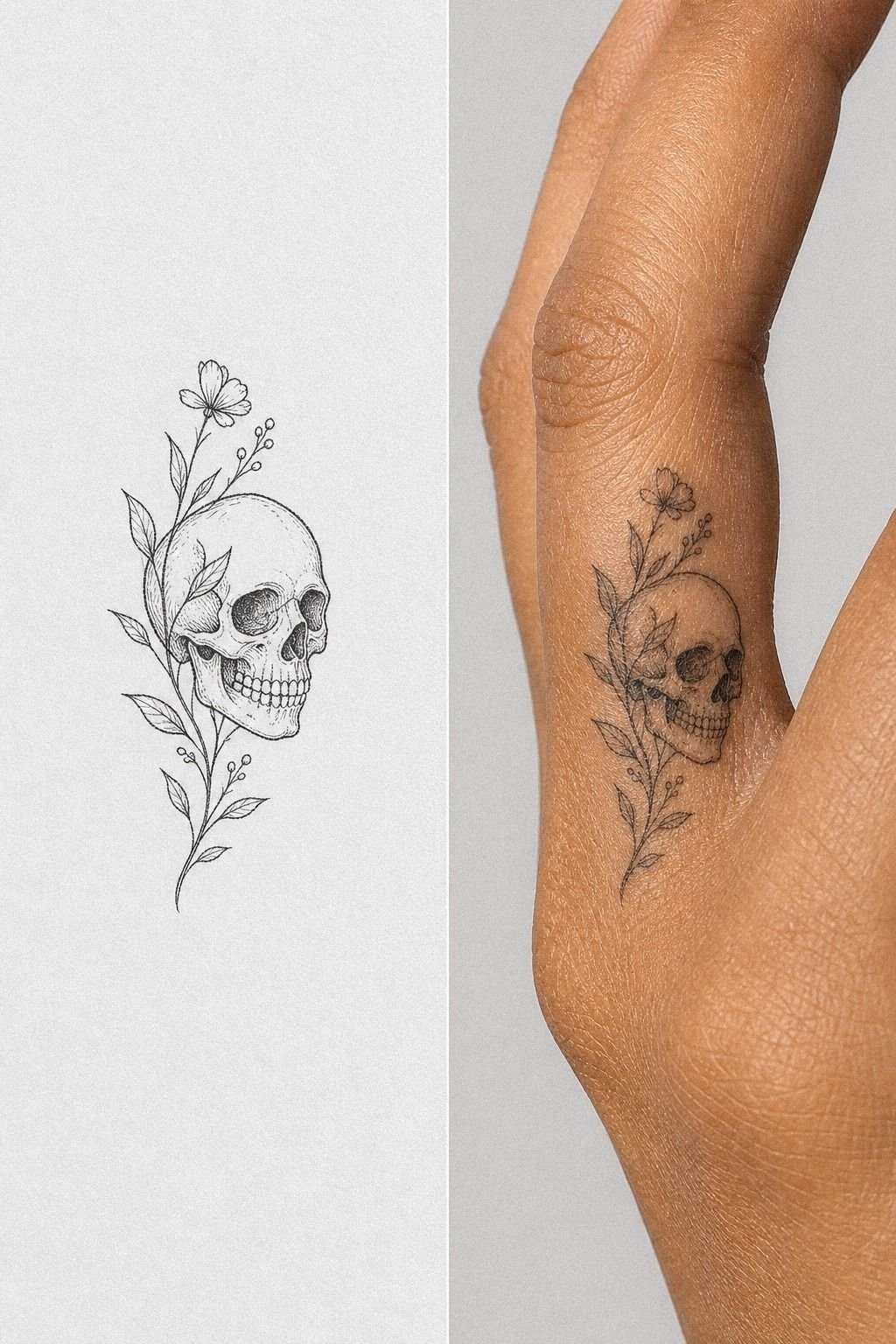
This one was pure discipline. I love a tiny skull, but I kept that skull flash off fingers because fingers are high-wear, high-maintenance, and not kind to tiny detail.
A healed finger tattoo can look cool when it is bold and spare. Fine little teeth and hairline cracks?
Different story.
That size on fingers is gonna mush out or fade patchy, especially if you use your hands hard, wash them all day, or catch a lot of sun. I would rather place the same skull on outer hand, lower forearm, or even just above the wrist crease and let it age cute on you. Want symbolic skull energy instead of a literal skull?
Pieces like zeus tattoo meaning show how strong icon logic can stay clear without tiny clutter. That’s a smarter placement call.
11How Much Pain Could I Honestly Tolerate?
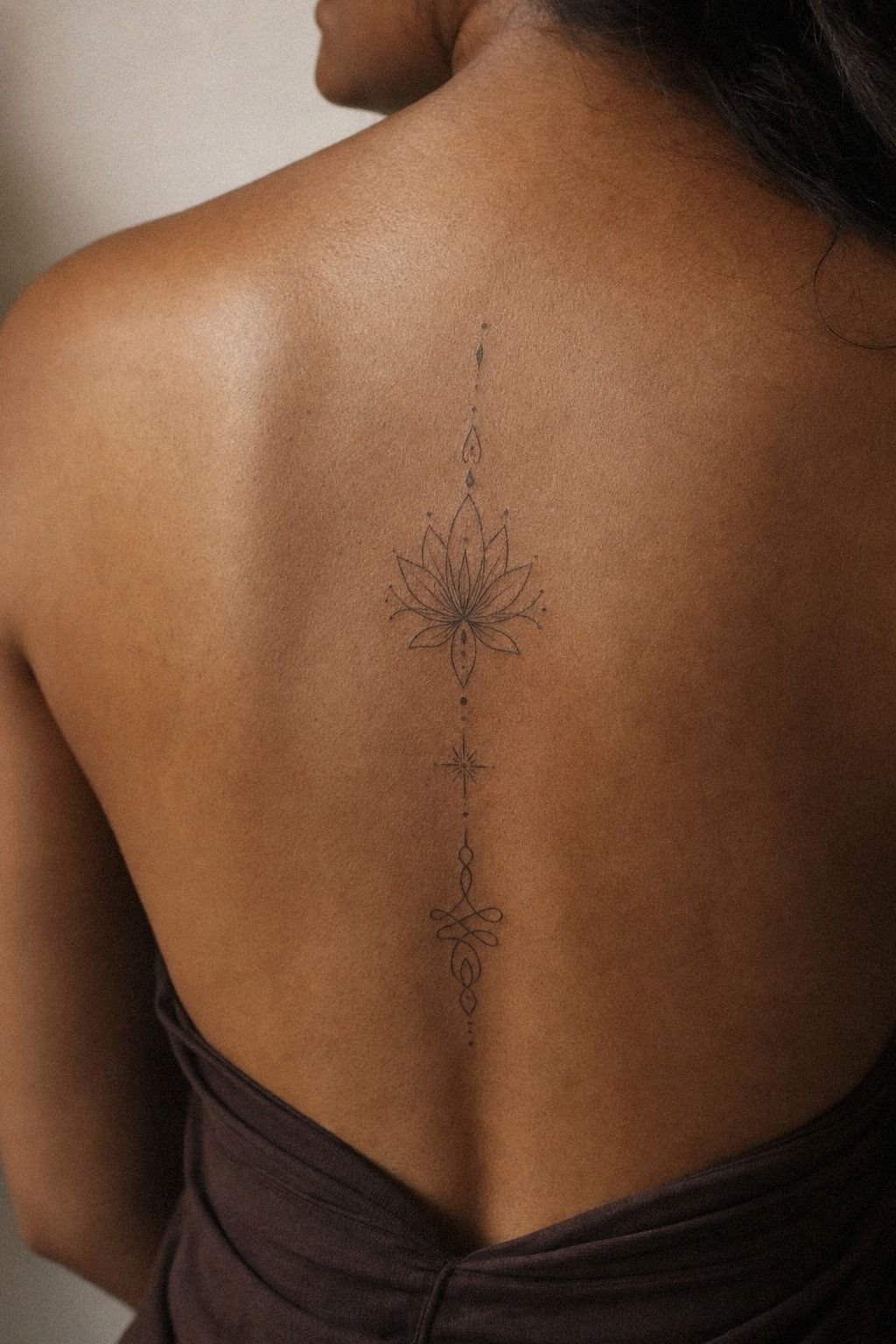
I had no interest in pretending pain does not matter.
12I Asked About Shading Before Booking
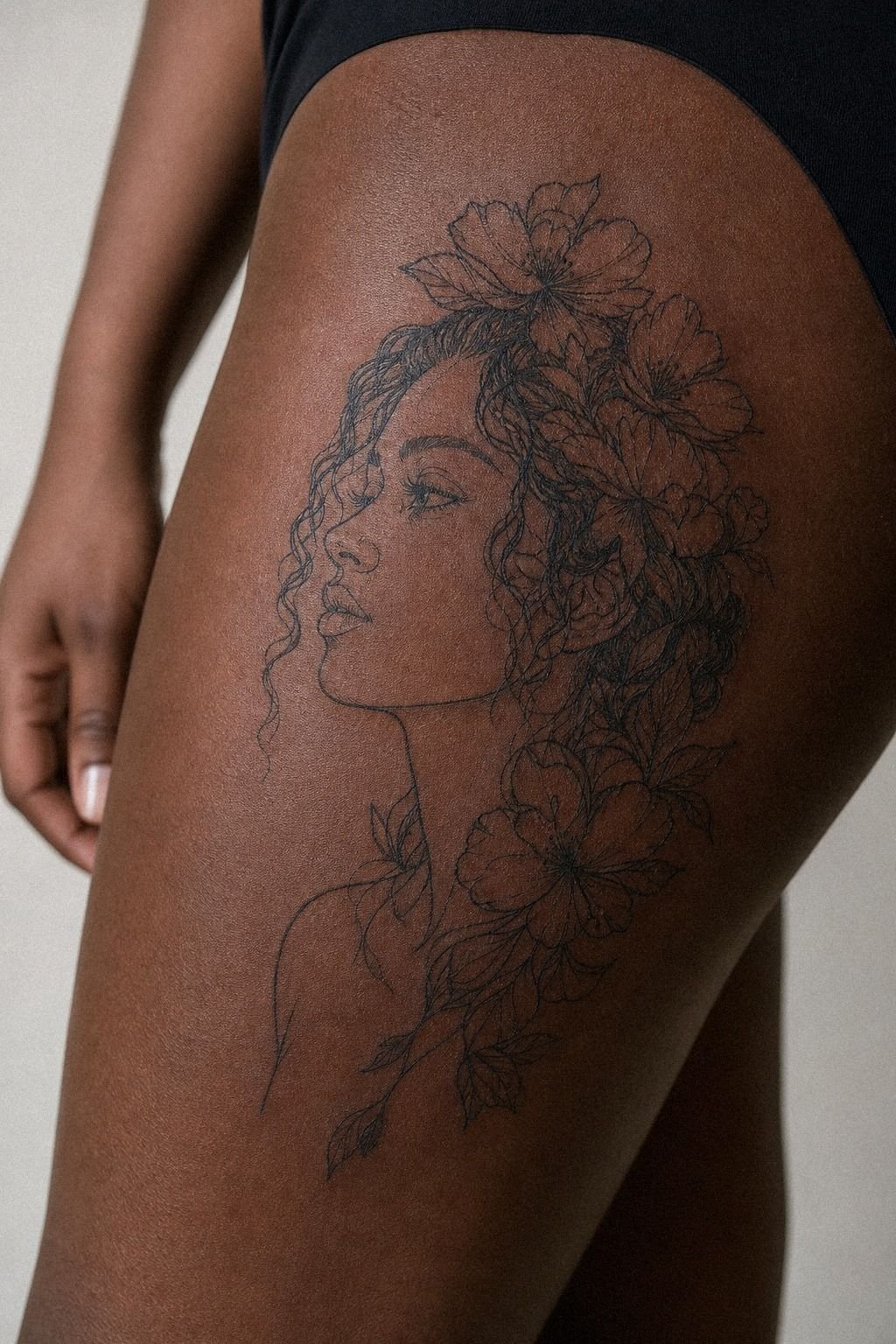
Before I put down a deposit, I asked exactly how the artist handles grey wash and soft shading in a fine line piece. Some flash looks better outline only.
Some needs a little pepper shading to stop it from feeling flat. The point is to know which one you are buying before the machine starts.
But this mattered even more on thigh placement, where the skin gives you a softer window without losing clarity. I did not want vague smoke packed into every open area.
I wanted contrast pushed in the right spots so the tattoo could heal velvety, not muddy. If an artist cannot explain where shading will sit, I would wait and keep looking.
That question is worth it every single time!
13Sailor Jerry Healed Photos Told The Truth
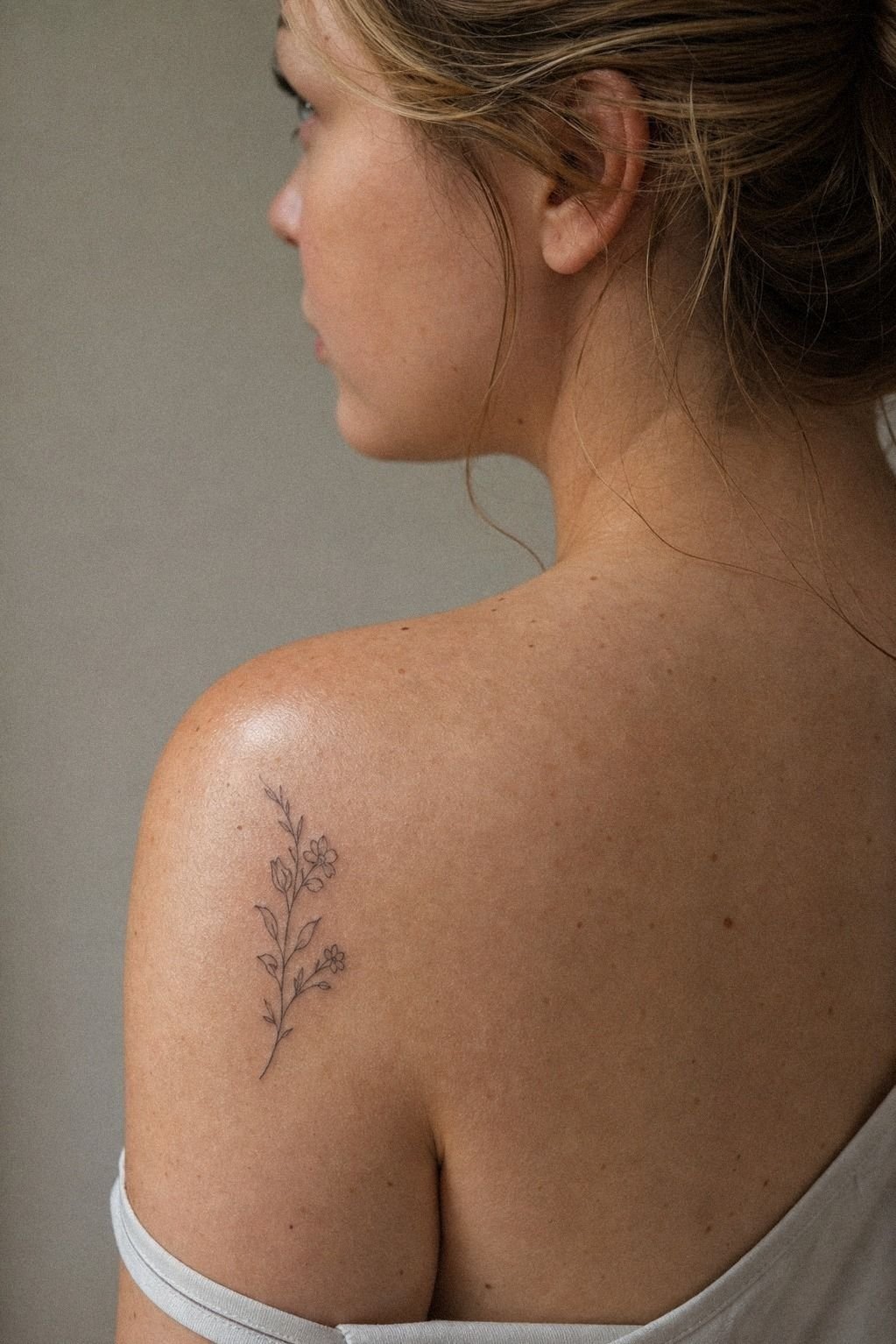
Fresh tattoos can fool you. I wanted to see healed flash tattoos in daylight, on actual shoulders and arms, after the shine was gone. That told me more than any perfectly edited booking post ever could.
And healed work shows whether lines stayed crispy, whether the black settled evenly, and whether small details still read once the silver skin stage passed. It also shows how the artist tattoos across different undertones, which matters. And if the only proof you see is fresh work under ring lights, ask for more.
I did, and I’m glad I did. For another way to judge old-school visual staying power, traditional americana tattoo flash guide is a solid reference point.
14Tiny Detail Drama vs A Wrist That Moves
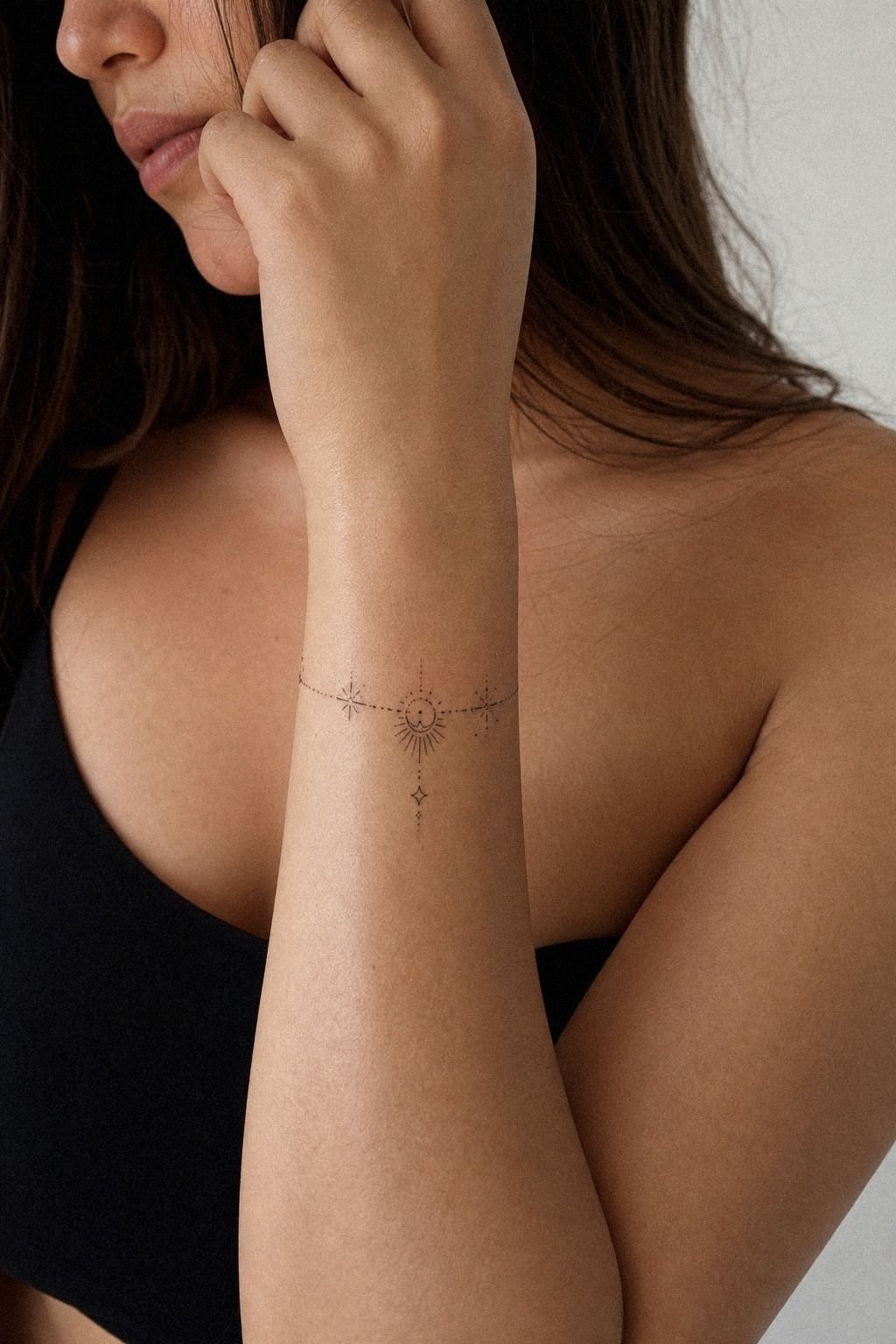
A crowded wrist design is where a lot of otherwise good flash falls apart. I skipped tiny details because wrist skin moves, folds, and takes daily wear. That’s not the zone where I want ten little leaves, three stars, and a script ribbon all fighting for half an inch.
Simple wins there. A clean silhouette, a few inner breaks, and enough open skin that the design still reads after years of motion. But once a wrist tattoo gets too packed, it heals into visual noise even if the artist did solid work.
If you love symbolism-heavy art, look at something like yin yang tattoo meaning and notice how restraint is part of why it stays readable.
15I Saved A Traditional Panther Flash Backup
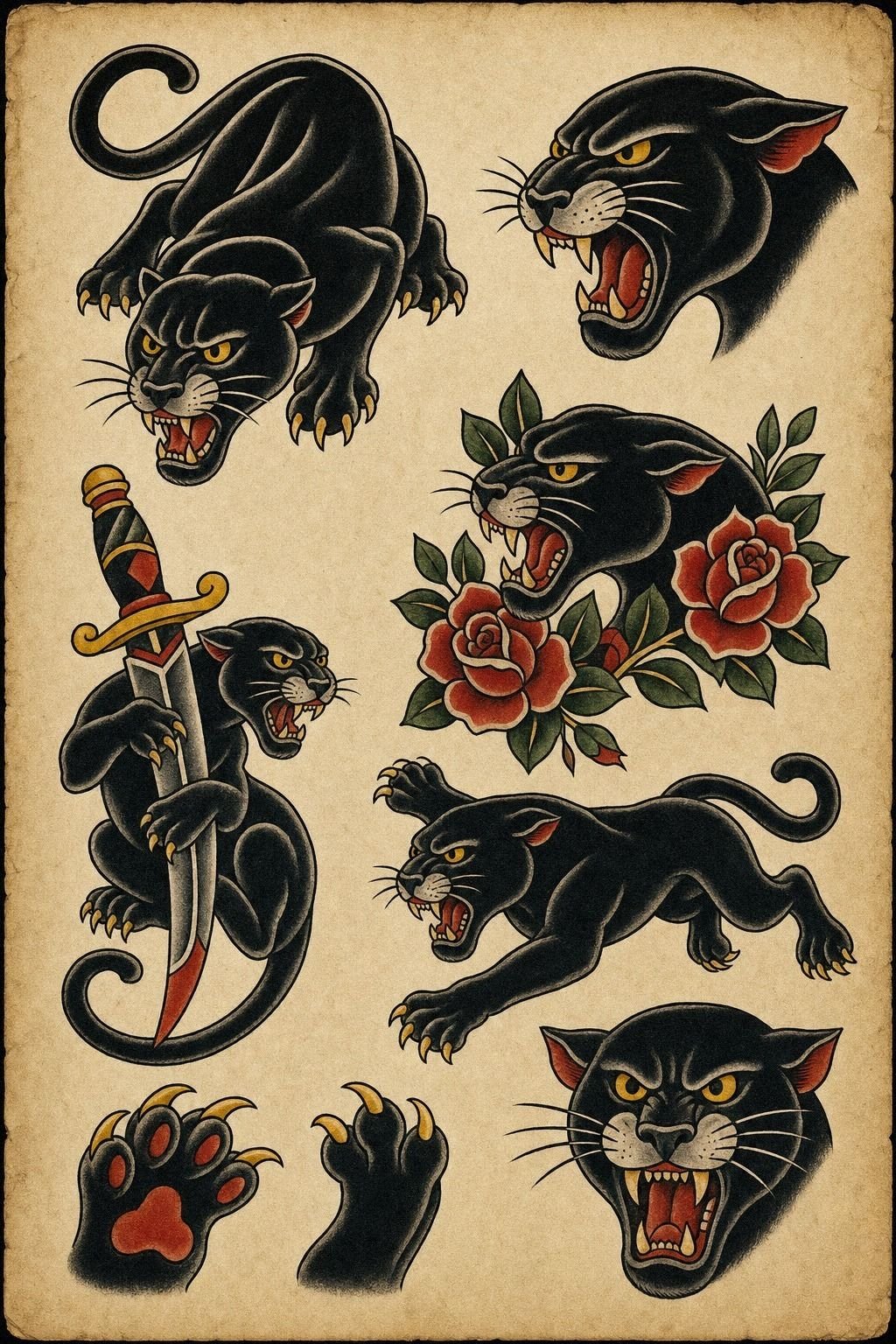
I kept a backup in my pocket in case the first pick stopped feeling true, and that backup was a panther flash.
16I Confirmed The Stencil Size On Skin
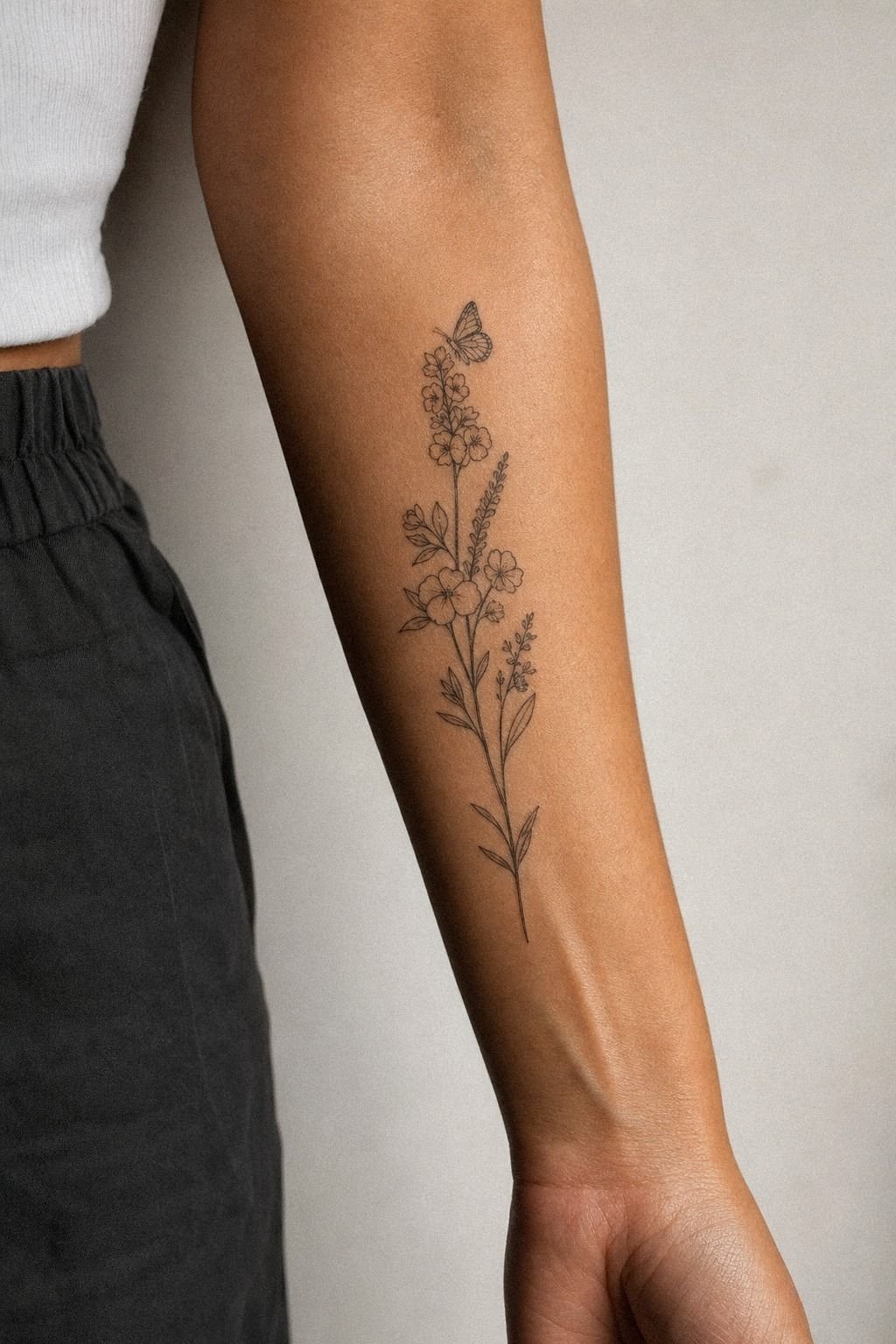
Stencil day is where fantasy meets anatomy. I made the artist place the stencil twice because the first version looked a little timid once it hit my forearm. On paper it seemed fine.
On skin, it needed more length so the design could sit with the arm instead of floating in the middle.
This is where you need to speak up, even if you hate feeling fussy. A quarter inch can change whether the tattoo breathes or feels squeezed. I always tell people to look in a mirror, relax the arm, bend the elbow, and check it again.
But do not rush this part. Once the lines go in, that debate is over.
It’s your body and your money.
17I Watched The Lines Go In Clean
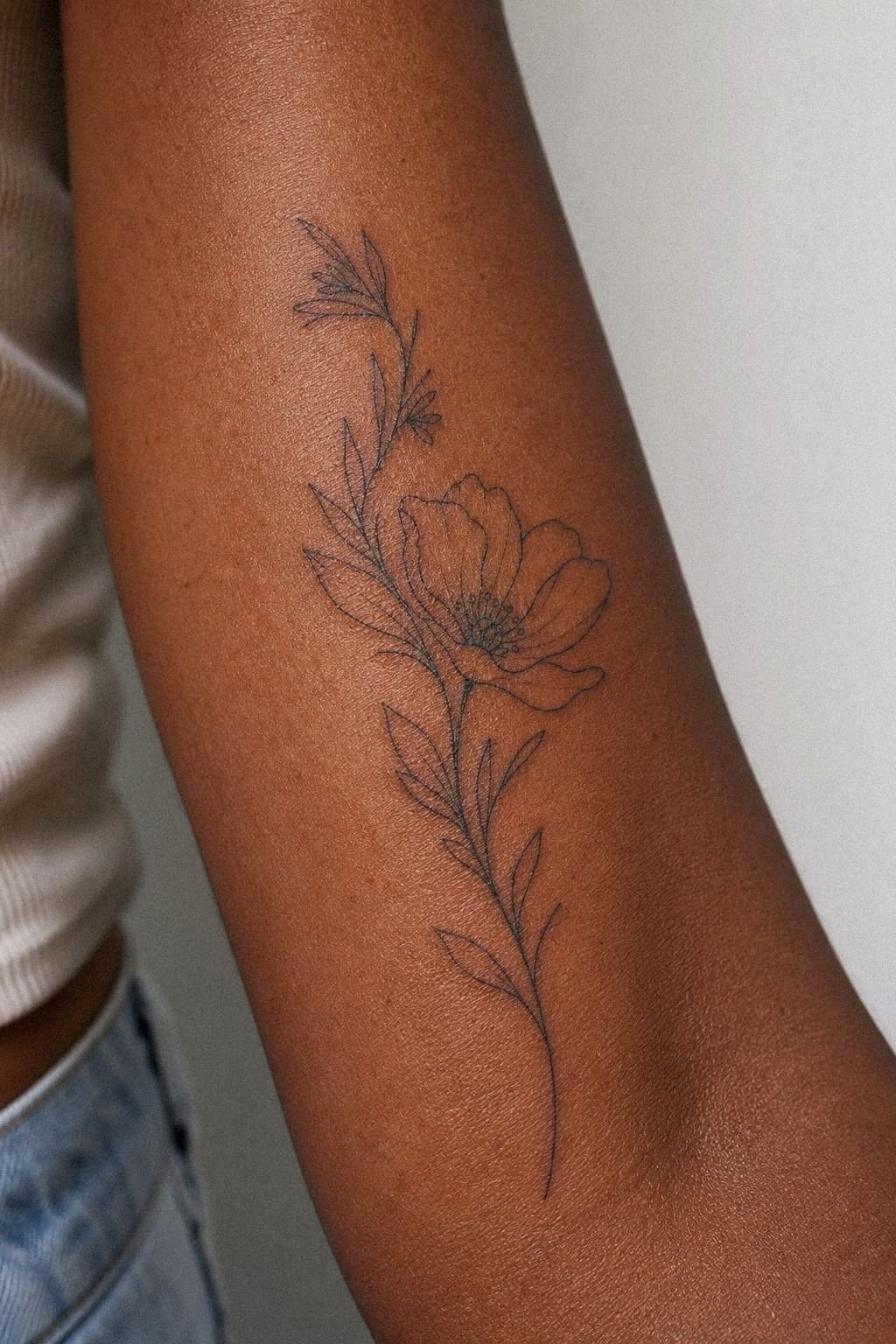
When the machine started, I could tell within minutes whether the tattoo had the right hand behind it. Clean single needle work does not mean timid work. It means the artist commits, moves steadily, and does not keep scratching back into the same line until the skin gets angry.
Watching that on inner forearm skin was reassuring because you can feel when a line is being overworked. It’s a different kind of sting.
I wanted crisp pulls, not fuzzy corrections. And yes, you should tap out for five rather than pass out on me!
A calm pause protects the tattoo better than trying to act tough while your body tightens up.
18I Protected The Flash Tattoo While Healing
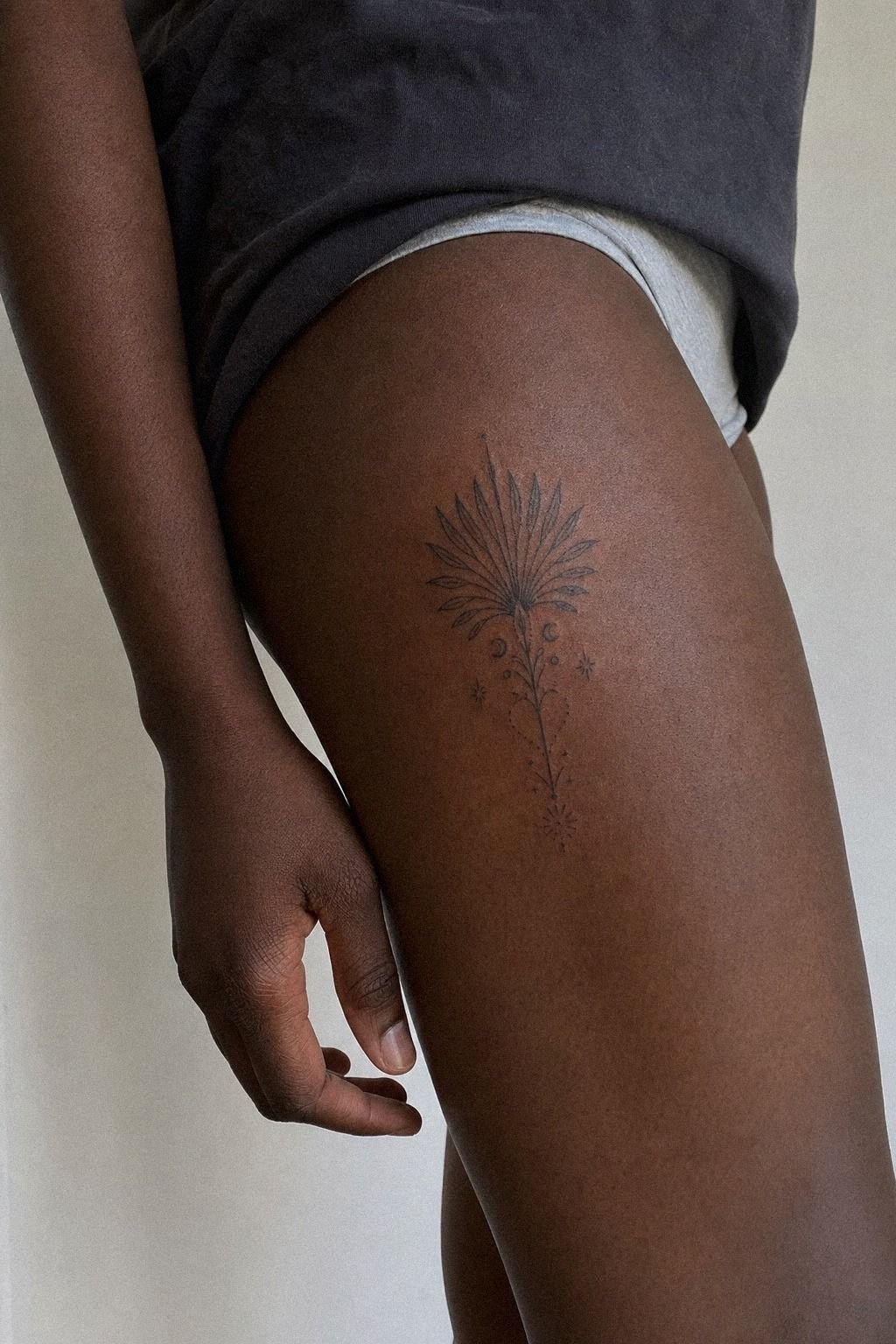
The first few days, I treated the healing tattoo like what it was: an open wound. Gentle unscented soap, a thin layer of ointment, clean hands, and no gym friction on the thigh. That part is not glamorous, but it is where good work stays good.
And after that, I switched to light moisturizer and left it alone. No picking. No pool.
No sun. Surface healing for a small to medium flash piece is usually around 2 to 3 weeks, while the deeper settle takes closer to 2 to 3 months.
If you baby it through that window, the payoff is huge. If you pick flakes, you can pull color right out. That’s smart aftercare.
19I Planned My Next Flash Sheet Pick
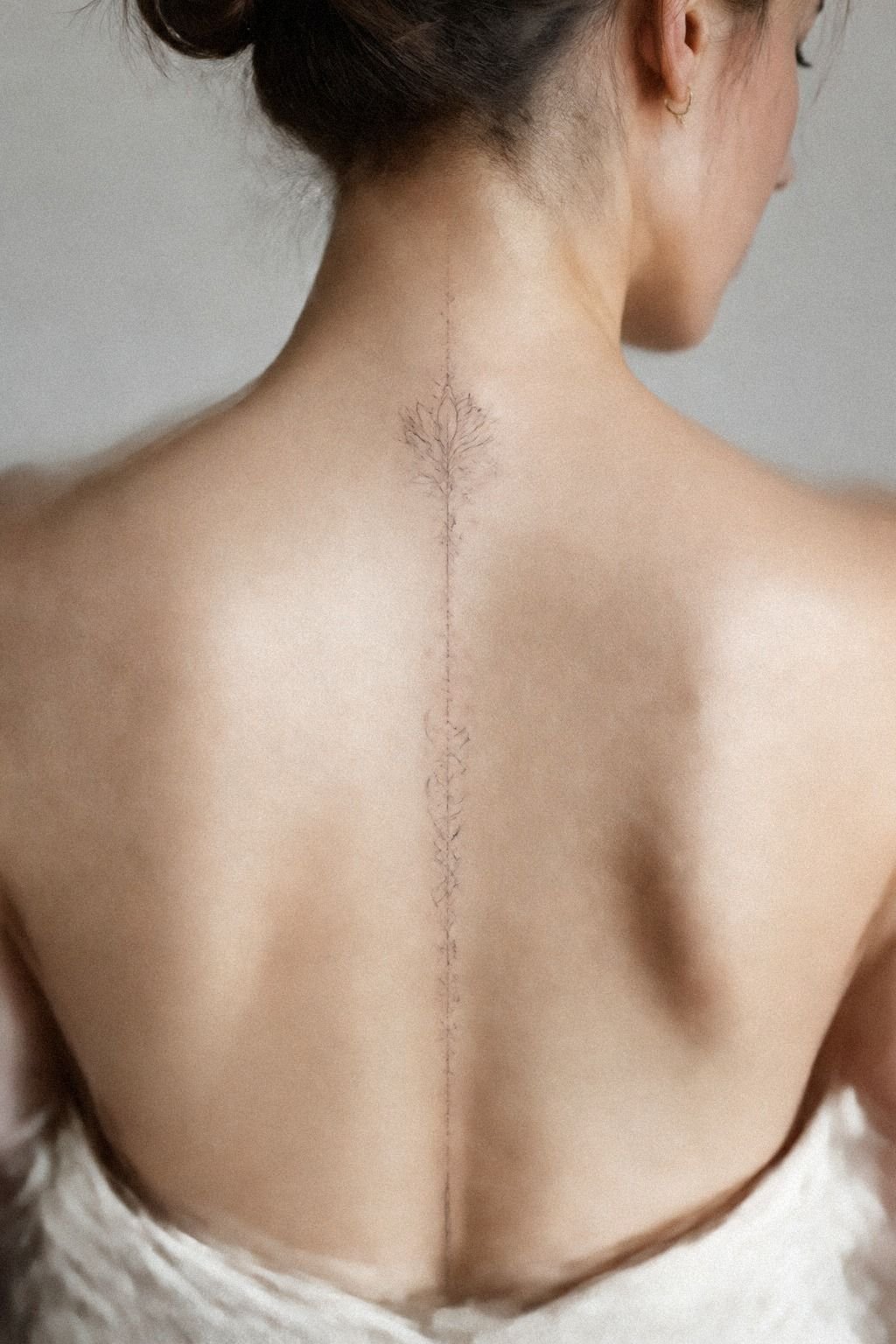
By the time this one healed, I had already started thinking about the next flash sheet pick. Not because I wanted more just to want more, but because I finally understood my filter. I liked clean anatomy flow, black-forward contrast, and designs that still made sense when wrapped to the spine or forearm.
That’s changed how I save references now. I don’t hoard random screenshots anymore.
I save motifs that fit the body, fit my pain tolerance, and fit the artist’s hand. If you are building your own taste, this is where it gets fun.
For style comparison, art chicano tattoo guide is useful because it shows how a totally different drawing language still depends on clarity and placement.
How much it cost
I’m not going to fake an exact number I didn’t pay on your behalf, so here’s the honest US range I used to budget. Most shops still have a shop minimum around $50 to $100. Hourly rates commonly land around $100 to $250 depending on city, artist demand, and whether the work is straight flash or customized flash.
For a palm-sized fine line swallow, rose, or dagger in a calmer placement like forearm, shoulder, or thigh, you are often looking at roughly 1 to 2 hours. That usually puts the typical total somewhere in the low hundreds, with placement complexity and added shading pushing it upward. If the quote sounds suspiciously cheap, it’s worth slowing down!
A fair cost is usually better than chasing a bargain that heals rough.
If you want a symbol-driven piece rather than classic flash, price it the same way and judge the drawing just as hard. I cross-checked ideas like zeus tattoo meaning and yhwh tattoo meaning against the same practical logic. Meaning does not excuse weak structure.
Why Did The Palm Rule Finally Click?
The Palm Rule is what made this whole thing make sense for me. If a flash design cannot hold together at about palm size on a real body, I treat that as a warning, not a challenge.
That does not mean every tattoo needs to be big. It means a design should have enough shape, contrast, and negative skin to survive normal aging without begging for rescue.
I think a lot of people get tripped up because flash looks small on paper. Then it hits skin and suddenly the body changes the math.
A collarbone curves. A wrist narrows.
An ankle moves all day. And a design that felt airy on a flat sheet starts closing up the second it wraps around a living arm. That’s why I stopped asking, “Can this fit?” and started asking, “Can this breathe?”
There’s also an honesty piece here. Tiny tattoos get sold like they are easier because they are smaller.
Sometimes they are faster, sure. But smaller is not automatically cleaner, cheaper, or better.
In a lot of cases it’s just less forgiving. If your artist has to use tiny breaks, tiny leaves, tiny lettering, and tiny shading all at once, you are asking skin to keep a promise it rarely keeps forever.
So now I use the palm-size test on almost everything. Palm sized, forearm test, mirror check, then decision.
If the idea still feels strong there, great. If not, I size up, simplify, or skip it. That one filter saved me from a lot of soup.
The Black-First Rule Over Washed Color
Here’s my bias: for flash that depends on clean outline and quick recognition, I’ll choose solid black over washed-out color most days. Black gives you the sharpest edge, the longest read, and the least confusion once the piece softens a little with time.
But color can be killer when the shapes are bold enough to carry it. But when the piece is already slim, delicate, or packed into a tougher placement, washed color can make the whole thing feel sleepy. I would rather have one crisp black swallow than a pastel one that disappears by year three.
For me, that’s the better bet.
The Three-Foot Read Test
I use the Three-Foot Read Test before I book and again when the stencil goes on. Stand back about three feet and see whether the design silhouette still makes instant sense. You should catch the swallow, rose, dagger, or skull right away, not have to decode it line by line.
And that test is simple, but it’s brutal in the best way. It exposes crowded centers, weak tails, muddy leaf clusters, and extra fluff that only looked good zoomed in.
If the design fails that read, I edit it before it ever touches skin. That’s free quality control!
My Budget Rule Before I Ever Book
I’ve learned that the tattoo plan isn’t just the tattoo itself. My booking rule includes the deposit, the session, the tip, and a little allowance for aftercare or a future touch-up. If I can’t cover all of that without stress, I wait.
That’s not me being boring. That’s me making sure the tattoo still feels worth it after the excitement wears off. A clean flash tattoo is not cheap throwaway art.
It’s a permanent piece on living skin, and the best payoff usually comes from waiting for the right artist instead of grabbing the fastest opening.
The Questions I Get Asked Most
How much does a Tattoo Flash Art usually cost?
Usually a tattoo flash art piece lands in the low hundreds, with a shop minimum around $50 to $100 and common hourly rates around $100 to $250.
– Small session: often 1 to 2 hours – Higher-demand artist: higher quote – Complex placement: more time, more cost
Are Tattoo Flash Art a good idea for a first tattoo?
Yes, they can be a great first tattoo because clean flash gives you proven shapes, faster decisions, and a better shot at a tidy heal.
– Forearm or shoulder: calmer starts – Simple silhouette: better long-term read – Meaning plus structure: better than trend chasing
How do I choose a tattoo artist for Tattoo Flash Art?
Pick the artist whose healed linework looks clean, not just the one with the prettiest fresh posts.
– Healed photos in daylight – Clear specialty in fine line or trad flash – Calm answers and no rush
How much do Tattoo Flash Art hurt?
They hurt as much as the placement and your nervous system say they do, but outer arm and thigh are usually easier than ribs, feet, sternum, or hands.
– Lines: sharper feeling – Shading: duller burn – Bony zones: spicier fast
How long does a Tattoo Flash Art take to heal?
Surface healing is usually around 2 to 3 weeks, and the full settle often takes 2 to 3 months.
– Gentle soap early on – Light moisturizer after that – No picking through the peel
What’s the best placement for Tattoo Flash Art?
For most people, forearm or shoulder is the sweet spot because you get visibility, easier healing, and cleaner aging than fingers, feet, or tight wrist work.
– Low-friction zones: better longevity – Enough width: better clarity on skin – Easier pain level: nice for first-timers
Where I’d Start First
If I had to pick one, I’d start with forearm placement. It gives fine line flash enough width to stay crisp, and it is usually far kinder than fingers or ankle bone.
Get the placement right first. The whole tattoo reads better.