Traditional name tattoos anchor a person’s identity in skin through bold, readable lettering and classic decorative elements. The style demands confidence: thick outlines, limited color palettes, and ornamental frames that keep the name prominent rather than buried in detail. Unlike delicate script that blurs within years, traditional name work is built to stay legible across decades of sun exposure and skin changes.
Origins & History
Naval and Military Roots
Name tattoos in the traditional style trace directly to American military tattooing of the early-to-mid 20th century. Sailors and soldiers wanted mothers’ names, sweethearts, or “Mom” memorialized in a format that would hold up through harsh conditions. The answer was straightforward: bold serif or block lettering, often arched across a banner or scroll, sometimes paired with a heart, eagle, or anchor. These weren’t subtle pieces. They were meant to be read from across a bar or barracks.
Shop Culture and Standardization
Traditional name work became standardized because it was efficient. Flash sheets in busy shops offered pre-drawn “Mom” banners, heart-and-dagger combos, and ribbon scrolls that artists could adapt to any name. This repetition refined what worked: specific letter spacing, consistent stroke weight, and ornamental frames that didn’t compete with the text. The style wasn’t about individual expression in the lettering itself, it was about proven legibility.
Key Characteristics & Motifs
Traditional name tattoos share structural DNA regardless of the specific name. Understanding these elements helps you communicate with an artist and evaluate their portfolio.
- Lettering styles: Heavy serif fonts, block letters, or casual script with thick downstrokes and thin upstrokes. Think Sailor Jerry’s influence, not cursive calligraphy.
- Banners and scrolls: Ribbon-like shapes that fold and twist, creating natural curves for the name to follow. The banner edges often feature forked or swallowtail cuts.
- Hearts and roses: Common frames for romantic or memorial names. The heart is typically anatomically simple, not realistic, with a dagger through it for edgier variations.
- Animals and patriotic imagery: Eagles, swallows, and anchors for military or nautical connections. These flank the name rather than overwhelm it.
- Daggers and weapons: Often paired with “Mom” or memorial pieces, symbolizing devotion or protection.
- Thick black outlines: Every element gets a bold border that separates it from skin tone and prevents color bleeding over time.
Color vs Black and Grey
Classic Color Palette
Traditional color name tattoos rely on a restricted set: saturated red, navy blue, forest green, butter yellow, and black. These pigments were originally chosen for availability and stability. Red hearts, blue banners, and green leaves around a name create immediate visual hierarchy. The color isn’t decorative for its own sake, it separates elements so the name remains the focal point.
Black and Grey Adaptations
Black and grey traditional name work strips away color but keeps the bold structure. Greywash shading gives depth to banners and ornamental frames. This approach suits smaller pieces or placements where color might look out of place. It also ages exceptionally well; without color to fade, the contrast between black ink and skin tone does the heavy lifting. Many contemporary artists push this direction for a grittier, street-level aesthetic that still reads as traditional.
Best Placements
Traditional name tattoos need space for the lettering to breathe and for ornamental frames to wrap naturally. Certain placements have become standard for good reason.
- Forearm: The classic “Mom” or sweetheart banner location. Flat surface, good visibility, easy to read at conversational distance. Inner forearm offers more privacy; outer forearm makes a statement.
- Upper arm/shoulder: Ideal for arched banners with flanking imagery. The natural curve of the deltoid complements scrollwork. Plenty of room for eagles, roses, or daggers.
- Chest: Centered name pieces over the heart carry obvious symbolic weight. The pectoral’s flat plane suits horizontal banners. Be aware that chest hair growth can obscure finer details over time.
- Thigh: Growing popularity for larger traditional pieces. The muscle’s flat surface accommodates extensive scrollwork and multiple elements without distortion from joint movement.
- Hands and fingers: Risky for traditional style. The bold outlines can work, but finger skin’s rapid turnover and thin dermis cause faster fading. Knuckle name letters are possible but require touch-ups.
Placement affects lettering scale directly. A name with six letters needs different spacing than a twelve-letter name. Longer names often work better wrapping around a limb or arched across a broader surface than compressed into a small banner.
Who It Suits
This isn’t about personality matching a style. It’s about commitment to the aesthetic’s demands. Traditional name tattoos suit people who want the name immediately readable, who aren’t chasing current trends in lettering, and who understand that the ornamental frame is part of the package, not an afterthought.
The style particularly fits memorial pieces where permanence and clarity matter more than subtlety. A parent’s name in a traditional banner reads as intentional and weighty. Romantic names carry more risk given relationship uncertainty, but the traditional format at least ensures the tattoo ages with dignity even if the relationship doesn’t.
Skin tone matters less than in some styles because the heavy black outlines create their own contrast. However, very dark skin may lose subtle greywash shading, pushing toward bolder black-and-color approaches.
Modern Variations
Neo-Traditional Evolution
Neo-traditional name tattoos keep the bold outlines and readable lettering but introduce more complex color gradients, varied subject matter, and dimensional shading. A neo-traditional piece might feature a name in a banner held by a more realistically rendered animal, or incorporate jewel tones beyond the classic restricted palette. The lettering remains central but the surrounding imagery gets more elaborate.
Minimalist Traditional
Some contemporary artists strip traditional name work to its essentials: the banner, the name, and little else. No flanking imagery, just confident lettering with a clean scroll. This suits smaller budgets, quicker sessions, and people who want the traditional feel without the full ornamental package. The restraint is harder to execute well than it appears, every line must be perfect with nowhere to hide.
Choosing an Artist
Not every artist who does traditional tattoos excels at lettering. Evaluate portfolios specifically for name work or banner pieces. Look for:
- Consistent letter spacing: Gaps between letters should feel even, not cramped or drifting apart.
- Clean serifs: The small projecting features on letterforms should be sharp and uniform, not blobby or inconsistent.
- Banner fold logic: Where scrolls twist, the shading should make dimensional sense. Flat, confused folds indicate weak fundamentals.
- Healed photos: Fresh tattoos look crisper than healed work. Artists proud of their longevity will show one-year or older pieces.
- Line weight variation: Traditional work uses thick outlines for major forms and thinner lines for interior detail. All should be intentional, not accidental.
Ask directly about their experience with the specific name length you’re considering. Some artists specialize in short, punchy words; others handle longer phrases better. A portfolio heavy on single-word pieces may not translate to your multi-name memorial.
Final Thoughts
Traditional name tattoos endure because they solve a real problem: how to make text on skin readable for a lifetime. The style’s constraints, bold lines, limited colors, ornamental frames, aren’t limitations but solutions developed through decades of trial. Your job isn’t to reinvent the format but to collaborate with an artist who understands why these solutions work. Bring reference images of healed pieces you admire. Be specific about the name’s significance so the artist can recommend appropriate imagery, hearts for devotion, daggers for protection, anchors for stability. Then trust the process that has carried these tattoos through nearly a century of wear.
Frequently Asked Questions
How small can a traditional name tattoo be while staying readable?
Traditional name tattoos need minimum letter height of about one inch for long-term legibility. Smaller than that, the bold outlines blur together and the serifs lose definition within a few years. If you want something tiny, traditional style isn’t the right choice.
Do traditional name tattoos work for non-English names or characters?
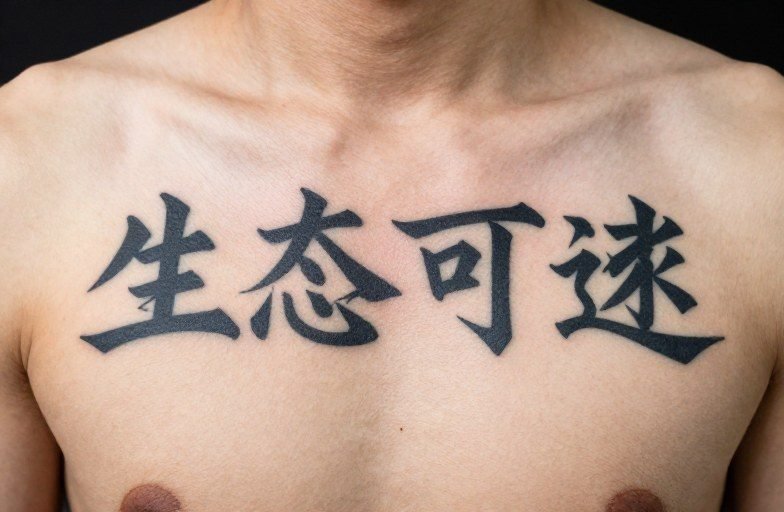
Traditional style adapts to any alphabet but works best with letterforms that have clear thick-thin stroke relationships. Arabic, Cyrillic, or Asian characters can be rendered traditionally but require an artist familiar with both the script’s structure and traditional tattoo fundamentals.
How much should a traditional name tattoo with a banner and heart cost?
A palm-sized traditional name piece with banner and simple heart typically runs $200-400 in most US markets, with major cities commanding more. Larger pieces with extensive flanking imagery or full color can reach $600-900. Price reflects time, not just size, clean lettering is slow work.
Can you add to a traditional name tattoo later if you want more elements?
Traditional compositions are designed to expand. A banner with a name can gain roses, daggers, or additional banners for more names. Plan this with your initial artist if possible; they’ll leave logical connection points that don’t look like afterthoughts.
Related Style Guides
- Traditional Ship Flash Tattoos: Style Guide
- Traditional Tattoo Numbers: A Complete Style Guide
- Traditional Tattoo Stars: Complete Style Guide
- Explore more