The G59 tattoo is the permanent mark of the Grey*59 movement, the independent rap collective founded by cousins Ruby da Cherry and $crim in New Orleans. When someone gets G59 inked, they’re not just repping a music group, they’re claiming membership in a subculture built on raw honesty about addiction, depression, and refusing to fit into mainstream boxes. I’ve tattooed this design dozens of times, usually on kids who found the Suicideboys during their darkest periods and felt seen for the first time.
Symbolism & History
Where G59 Comes From
Grey*59 started in 2014 as a middle finger to the music industry. The name itself comes from street culture, grey as the color between black and white, 59 as a code that evolved from local slang. The collective’s visual identity, designed largely by the artists themselves, draws from horror imagery, occult symbols, and Southern Gothic aesthetics. The G59 logo, that stark block lettering with the star, became shorthand for a whole emotional vocabulary that mainstream rap wasn’t speaking.
In my chair, I’ve heard the story repeatedly: kid finds Suicideboys on SoundCloud at 3 AM, suicidal, self-medicating, feeling completely alone. The music doesn’t fix them, but it validates them. The tattoo becomes proof they survived that night. That’s not hype, that’s what people actually tell me while I’m wiping ink off their arm.
What the Symbol Actually Represents
- Rejection of mainstream success: G59 artists turned down major label deals to keep creative control. The tattoo signals you value authenticity over money.
- Mental health solidarity: Ruby and $crim rap explicitly about suicidal ideation, benzo withdrawal, bipolar disorder. The ink says “I struggle too, and I’m still here.”
- Underground loyalty: Before the Spotify millions, these fans were downloading leaks and sharing rare tracks. The tattoo marks O.G. status in that community.
- Death and rebirth: The skull imagery, the “Kill Yourself” series title (ironic, dark humor about choosing to kill the old self), the constant references to dying and being reborn, all of it feeds into the tattoo’s meaning.
Common Variations & Styles
Classic Logo Work
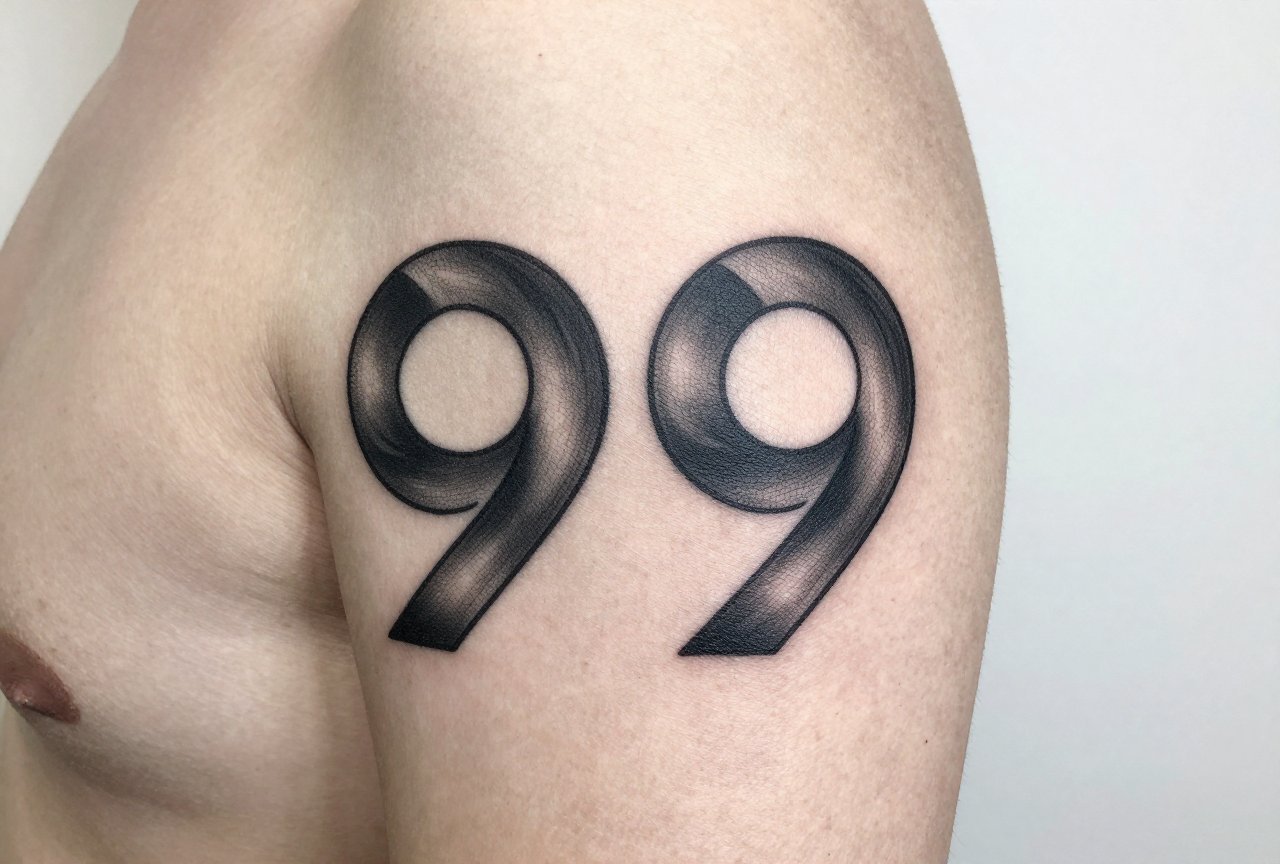
The most straightforward G59 piece is the block logo: G59 with the five-pointed star, sometimes with “Grey*59” spelled out beneath. I do these in solid black line work about half the time. Clean, readable, ages well. The other half want it distressed, cracked, weathered, like they found it on a tombstone. That style looks killer fresh but requires a skilled hand; blow out those cracks too deep and in five years it’s a blob.
Some clients bring reference photos from specific album art. “I want the font from I Want to Die in New Orleans“, that’s a specific gothic script, very different from the Stop Staring at the Shadows lettering. Know your era. Artists who don’t listen to the music sometimes mix these up, and real fans notice.
Imagery and Mashups
- Skull composites: The G59 star worked into a skull’s forehead, or the letters emerging from a cracked cranium. Heavy black shading, lots of whip shading for texture.
- Snake and dagger combos: Southern Gothic imagery paired with the logo. Usually placed on thighs or ribs where there’s room to breathe.
- Lyric integration: Specific lines like “Carrollton” or “Paris” or “…And to Those I Love, Thanks for Sticking Around” woven around the logo. These need careful typesetting, small text blurs, period.
- Color variants: Rare. Most G59 work stays black and grey. The occasional client wants the star in red, or a sickly green glow behind the letters. I talk them through how those colors fade differently.
Best Placements
I’ve done G59 tattoos everywhere, but certain spots dominate for reasons beyond just visibility.
- Forearm: The classic. Easy to show, easy to hide with a long sleeve. The logo reads clean here. Inner forearm hurts more but feels more personal; outer forearm is the statement piece.
- Hand/knuckles: Only for the committed. I’ve done G59 across four knuckles, star on the thumb. Hurt like hell, healed tricky, client loved it. This is job-stopper territory, so we always talk twice.
- Chest: Over the heart, literally. Often paired with larger pieces, skulls, reapers, the full Southern Gothic treatment. Good canvas for detail.
- Neck: Usually behind the ear or side of neck. The kids who want this have already accepted limited career paths. I don’t judge, but I make sure they know what they’re choosing.
- Thigh: Underrated. Big space for complex compositions, easy to conceal, hurts less than you’d think on the outer thigh. I’ve done full G59-themed thigh pieces with album art references.
Line work versus shading matters here. The logo itself needs crisp lines, wrists and ankles, where skin moves constantly, will blur those edges faster. Chest and back hold detail longer. I always tell clients: the simpler the G59 piece, the better it ages. That ornate album cover reproduction won’t read in ten years.
Who Chooses This Tattoo / Personal Meanings
The Demographics
In my shop, G59 clients skew young, eighteen to twenty-five predominantly, though I’ve tattooed a forty-year-old who got sober listening to My Liver Will Handle What My Heart Can’t. They’re almost always white or Latino, working class or recently so, often with trauma histories they disclose casually like weather reports. “Yeah, I was in psych wards a lot as a teenager.” The tattoo becomes part of their recovery narrative, not despite the darkness of the music but because of it.
What They Actually Say
I don’t ask for stories, but they come. The kid whose brother introduced him to Suicideboys, then overdosed, he got G59 with his brother’s death date. The girl who cut herself for years and heard Ruby’s line about his own scars and felt less alone. The veteran who found the nihilism comforting after deployment. These aren’t the stories the media tells about rap tattoos. They’re quieter, more complicated.
Some clients are just fans of the aesthetic, and that’s fine too. Not every tattoo needs trauma behind it. But the G59 symbol carries enough weight that even casual fans know they’re tapping into something heavier than most artist logos.
Similar Symbols
G59 doesn’t exist in isolation. I see overlap with other ink in my shop constantly.
- XXXTentacion’s “17” or “LLJ”: Similar demographic, similar themes of depression and violence, though X’s fanbase skews broader and less underground-specific.
- $uicideboy$ individual artist names: Ruby da Cherry’s cross or $crim’s dollar sign variants. Less common than the collective logo but more personal.
- Underground rap iconography generally: Bones’ Seshollowaterboyz, Ghostemane’s hexagram, Pouya’s influences. These scenes bleed together; I’ve done mashup pieces combining two or three.
- Traditional punk/hardcore symbols: The ethos overlaps. Crass symbols, Black Flag bars, straight edge X’s, same rejection of mainstream, different soundtrack. Some clients have both.
- Mental health awareness tattoos: Semicolons, “still here,” specific dates. Often paired with G59 in larger compositions, the explicit message complementing the coded one.
The difference with G59 is the specificity. A semicolon says “I survived.” G59 says “I survived, and this music was the soundtrack, and this community was the witness.”
Final Thoughts
I’ve watched tattoo trends come and go. G59 has stuck around longer than most music-related ink because it’s not really about the music anymore, it’s about what the music built. The collective has evolved; some fans feel betrayed by success, others celebrate it. The tattoo remains, aging on skin, meaning shifting with the person wearing it.
If you’re considering G59 ink, sit with it. Not because it’s permanent, all tattoos are, but because the meaning is heavy. This isn’t a logo you outgrow easily. It marks a specific kind of survival, a specific subculture, a specific refusal. Make sure that’s still you in five years, in ten, in thirty when some kid asks what those letters mean and you have to decide how much to explain.
Find an artist who knows the difference between the album eras. Find one who won’t rush the line work. And know that in my shop, and in shops like mine, we take this seriously, not because it’s our music necessarily, but because we can see what it means to you. That’s the job.
Frequently Asked Questions
Does getting a G59 tattoo mean I’m suicidal?
Not necessarily. While the Suicideboys’ music deals heavily with suicidal ideation, most fans get G59 ink to mark survival and solidarity with others who struggle. The tattoo typically represents having made it through dark periods, not an ongoing desire to die.
Will a G59 tattoo affect my job prospects?
Placement matters more than the design itself. A forearm or hand G59 piece will be visible and could limit professional opportunities in conservative fields. Inner bicep, thigh, or back placements allow you to control when it’s seen.
How much should I expect to pay for a quality G59 tattoo?
A simple logo runs $150-400 depending on your city’s rates and the artist’s experience. Complex pieces with shading, album art references, or large scale compositions can reach $800-1500. Avoid bargain shopping, bad line work on a simple logo is painfully obvious.
Can I get a G59 tattoo if I’m not white?
Absolutely. While the fanbase skews white, the music’s themes of struggle and outsider identity resonate across demographics. I’ve tattooed G59 on clients of various backgrounds who connected with the honesty in the lyrics. The culture welcomes genuine connection over performative identity.
Related Tattoo Meanings
- Gaara Naruto Tattoo Meaning: Sand, Strength Redemption
- Greek Mythology Tattoo Meanings: Symbols That Last
- Hanger Tattoo Meaning: Symbolism, Styles Personal Stories
- Explore more