Stomach tattoos for women can look soft, powerful, sensual, or dark. They also sit on a body area that changes with posture, weight, pregnancy, digestion, and clothing. That does not make the placement bad. It makes planning more important.
Quick answer: Good stomach tattoos for women include lower-stomach ornaments, side-stomach florals, hip-to-stomach vines, sternum-to-belly drops, butterflies, snakes, script, and bold blackwork. Use flexible designs and avoid tiny detail where skin stretches most.
Stomach tattoo ideas by placement
A stomach tattoo can sit high, low, centered, side-body, or hip-adjacent. Each version changes visibility, pain, and how much the skin can distort the design.
| Idea | Best for | Watch out for |
|---|---|---|
| Lower stomach ornament | Private decorative placement | Stretching and waistband friction |
| Side-stomach floral | Soft body-flow design | Can bend with posture |
| Hip-to-stomach vine | Curved feminine placement | Needs careful stencil angle |
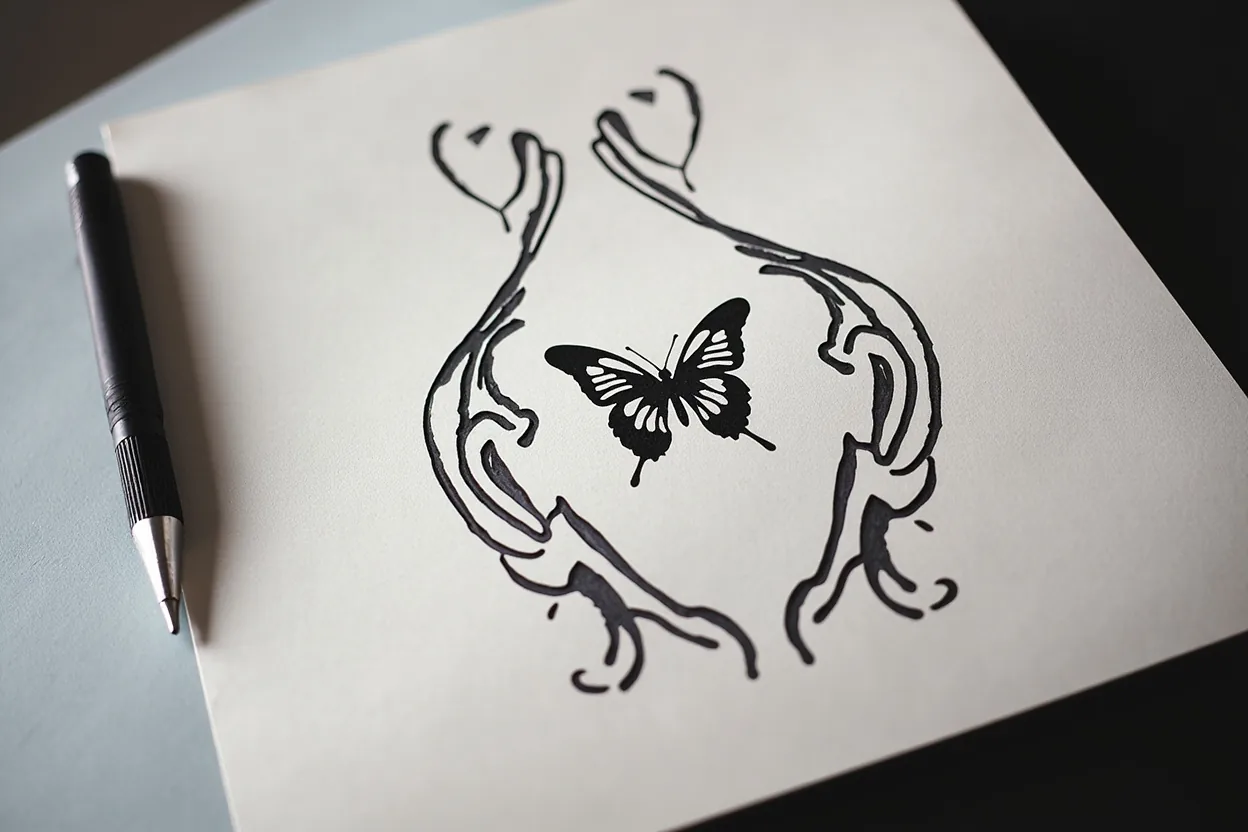
| Butterfly or moth | Centered symbolic design | Symmetry can shift |
| Snake curve | Movement across torso | Needs length to avoid stiffness |
| Short script | Private phrase | Lettering distortion |
The stomach is a moving placement
The stomach never lies, it shows every choice you made at the time you made it.
A stomach tattoo is never on a flat, still surface. The area compresses when you sit, stretches when you stand, and changes with breathing and posture. A good design accepts that instead of pretending the torso is paper.
Curved designs often work better than rigid ones. Vines, snakes, ornamental drops, butterflies, moths, and floral arcs can follow the body. Long blocks of text, tiny geometry, and stiff rectangles are harder to keep flattering.
If the tattoo needs perfect symmetry, test the stencil in more than one posture. What looks centered lying down may not read the same when standing naturally.
Stretching, pregnancy, and body changes
No tattoo placement is immune to body changes, but the stomach deserves a more honest conversation. Weight changes, pregnancy, surgery scars, and natural skin texture can all affect how a tattoo looks later.
That does not mean you should avoid the placement. It means the design should have enough space, flexible flow, and emotional durability. Organic shapes usually forgive change better than tiny lettering or rigid pattern work.
If pregnancy is a near-term plan, consider waiting or choosing a placement with less stretching. If the tattoo is part of reclaiming the area after change, bring that context to the artist so the design can work with the body you have now.
Pain and healing notes
Stomach pain varies a lot. Some readers find the lower stomach manageable; others hate the soft tissue and vibration. The session can also feel different near ribs, hips, and the center line.
Healing is mostly about clothing and movement. Tight waistbands, high-rise jeans, shapewear, gym leggings, and sleeping on the stomach can irritate the tattoo. Plan loose clothing before the appointment.
If the piece is large, ask whether multiple sessions would produce cleaner work. A stomach tattoo that needs careful placement should not be rushed because the pose is uncomfortable.
Design choices that look intentional
A stomach tattoo should have a reason for its shape. Centered designs feel more symbolic and intense. Side designs feel more private and flowing. Hip-to-stomach pieces feel styled and body-aware.
For a softer look, use florals, butterflies, fine line ornaments, or small moons with enough spacing. For a stronger look, use blackwork, snakes, moths, daggers, or bold ornamental shapes.
The safest design test is simple: would the tattoo still make sense without the pose, outfit, or crop? If yes, it has a better chance of aging with you.
Editorial note: This page should be treated as placement guidance, not body advice. A good stomach tattoo works with real bodies, scars, texture, and change.
Designs that handle body changes better
Organic shapes are usually more forgiving on the stomach than rigid shapes. Vines, snakes, florals, flames, butterflies, moths, and ornamental curves can move with the body without looking broken.
Tiny text is the riskiest choice because readability depends on stable spacing. If you want words near the stomach or hip, keep them short and give the letters more room than a screenshot suggests.
Centered stomach pieces can look powerful, but they need balance. A butterfly, moth, mandala, or ornamental drop should be checked while standing, sitting, and breathing normally.
How to prepare for the appointment
Wear clothing that lets the artist access the area without fighting waistbands. Bring layers if you want privacy between stencil placement and tattooing.
Eat before the session and plan for a sensitive healing area. The stomach can feel awkward after tattooing because clothing, sleeping, and bending all involve the placement.
If the tattoo relates to scars, stretch marks, pregnancy, or body confidence, say that clearly. A good artist can design with that context instead of guessing why the placement matters.
Reader questions before you book
Do stomach tattoos stretch?
They can change with skin stretching, pregnancy, weight change, surgery, or aging. Organic designs usually handle change better than tiny text or rigid geometry.
Are stomach tattoos painful?
They can be. Pain varies by exact placement, body, and session length. Areas closer to ribs, hips, and center line may feel more intense.
What stomach tattoo is easiest to hide?
Lower-stomach and hip-adjacent placements are usually easiest to hide under normal clothing, depending on wardrobe.
Can I tattoo over stretch marks or scars?
Sometimes, but it depends on the skin and how healed the marks or scars are. Choose an artist with experience in scar or texture-aware tattooing.