
Aftercare hub
Tattoo Aftercare
Fresh tattoo care is skin care plus wound care. This hub organizes healing-stage guides, peeling, scabbing, itching, lotion, Saniderm, swimming, workouts, sleeping, sunscreen and infection warning signs into one practical path.
Know what is normal, and know when to get help
A fresh tattoo can be red, tender, swollen, shiny, itchy, flaky and annoying while it heals. Those stages are normal when they gradually improve. What is not normal is worsening pain, spreading redness, pus, fever, heat, or a reaction that keeps changing instead of calming down.
The American Academy of Dermatology advises seeing a board-certified dermatologist for skin reactions or changes in tattooed skin. The FDA also warns that tattoo inks can cause infections or allergic reactions, including from contaminated ink. This hub gives general aftercare education, not medical diagnosis.
Curated by Jules Ortiz, these guides keep the studio advice practical and conservative: follow your artist’s aftercare sheet, keep the tattoo clean, avoid picking, and get medical help when warning signs appear.
Use these guides to understand the first days and weeks of healing without picking, panicking or ignoring a real problem. A day-by-day tattoo healing guide covering tenderness, peeling, itching, dullness, surface healing, and warning signs. Most tattoos look calmer after a couple of weeks, but deeper skin repair and settling take longer than the first smooth photo suggests. Tattoo peeling is usually part of healing, but heavy scabbing, spreading redness, heat, pus, or worsening pain are not details to ignore. Some scabbing can happen while a tattoo heals, but thick, painful, cracking, wet, or spreading scabs need careful attention. An itchy tattoo can be normal during healing, but itch with rash, swelling, bumps, spreading redness, or pain deserves caution. Tattoo blowout can look like ink spreading under the skin, and it is not the same as normal healing blur. Washing, moisturizing and wrapping need simple routines. Too much product or too much friction can make healing harder. A clear tattoo aftercare guide for the first hours, first week, peeling stage, and long-term skin care. Most tattoo aftercare mistakes are boring and preventable: picking, soaking, over-moisturizing, sun exposure, dirty sheets, and ignoring warning signs. Tattoo lotion should support healing without drowning the tattoo, irritating skin, or adding fragrance to a fresh wound. Second-skin bandages can make tattoo healing easier, but only when you follow the artist instructions and avoid trapping irritation. Sun protection matters for tattoos because UV exposure can fade color, soften contrast, and irritate skin over time. Red ink reactions are a known concern in tattoo discussions, and any rash, swelling, bumps, or delayed reaction deserves conservative handling. The hardest aftercare questions are usually about real life: gym, pool, bed, alcohol, food and clothing. Swimming too soon after a tattoo is a bad trade: water exposure, bacteria, friction, and sun can all irritate healing skin. Working out after a tattoo depends on placement, sweat, clothing friction, gym exposure, and how intense the session is. Sleeping with a new tattoo is mostly about clean sheets, avoiding pressure, and not trapping the tattoo in sweat or friction. Drinking before a tattoo is a bad appointment move because it can affect consent, stamina, bleeding, and how well you sit. Eating before a tattoo helps with stamina, nerves, and long-session energy, especially for painful placements or larger work. Tanning after a tattoo is a bad idea while the tattoo is healing and still a fading risk after it heals.Healing stages and normal reactions
Tattoo Healing Stages Day by Day: What Looks Normal and What Does Not

How Long Do Tattoos Take to Heal?
Tattoo Peeling: What Is Normal and What Is Not
Tattoo Scabbing: Healing Stage or Warning Sign?
Itchy Tattoo Aftercare: When It Is Normal and When to Worry
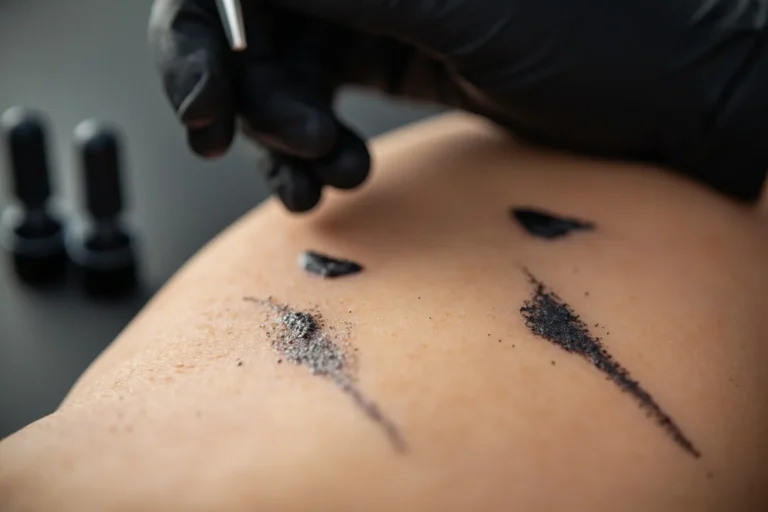
Tattoo Blowout: What It Looks Like and What to Do
Daily care, products and wrap questions
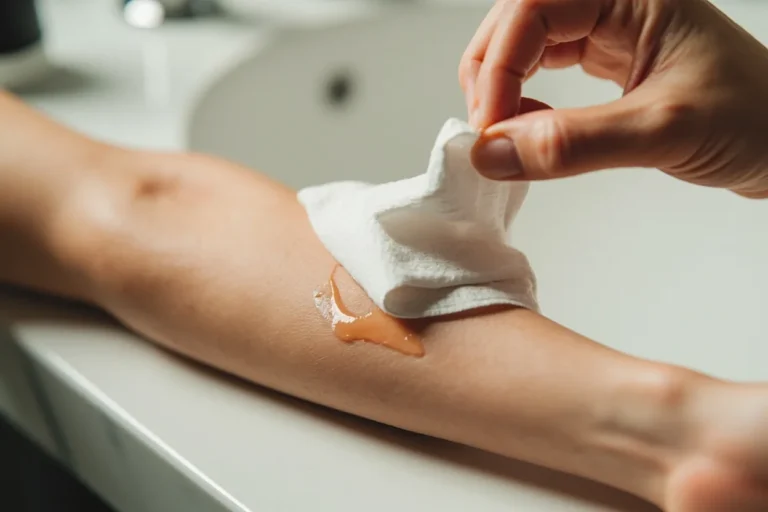
Tattoo Aftercare Guide: Washing, Moisturizing, Peeling and What Not to Do
Tattoo Aftercare Mistakes That Can Ruin Good Ink
Tattoo Lotion Guide: What to Use and What to Avoid
Saniderm Tattoo Aftercare: Wrap Timing and Mistakes
Tattoo Sunscreen Guide: Protecting Healed Ink
Red Ink Tattoo Allergy: What to Watch For
Swimming, workouts, sleep and lifestyle
Can You Swim After a Tattoo?
Can You Work Out After a Tattoo?
How to Sleep With a New Tattoo
Can You Drink Before a Tattoo?
What to Eat Before a Tattoo Appointment
Can You Tan After a Tattoo?
Sources for safety context
For medical context, start with the American Academy of Dermatology tattooed-skin guidance and the FDA tattoo safety update. For outbreak history, the CDC has documented tattoo-related skin infection clusters. Use medical sources when symptoms are worsening or unclear.