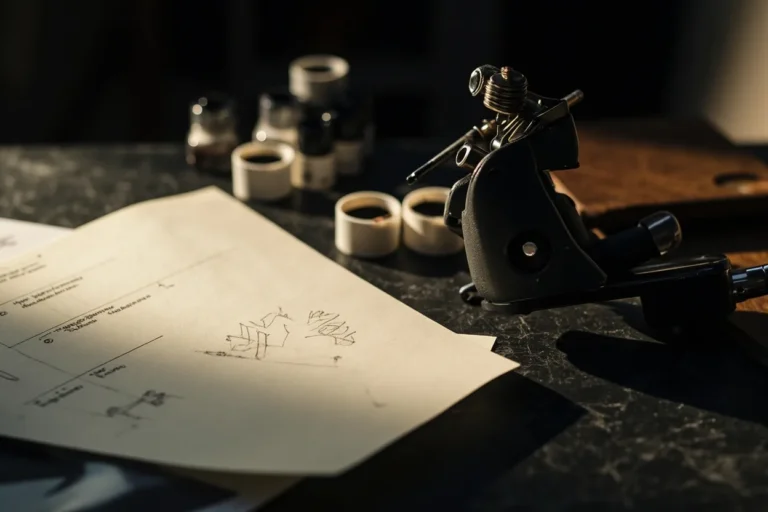
Becoming a tattoo artist requires dedication, artistic talent, and a formal apprenticeship under a licensed professional. There is no quick path or online certification that replaces hands-on training in a real shop environment. Most successful tattoo artists spend 1-3 years apprenticing before they begin working on paying clients, and the journey demands patience, humility, and consistent practice.
Build Your Artistic Foundation First
Before you ever touch a tattoo machine, you need strong drawing fundamentals. Tattooing is not tracing; it requires understanding composition, line weight, shading, color theory, and how designs flow on three-dimensional body surfaces. Focus on these areas:
- Draw daily in a sketchbook to develop consistency and speed
- Study traditional tattoo flash art to understand bold lines and limited color palettes
- Practice drawing on curved surfaces to simulate body contours
- Learn digital art programs like Procreate for client mockups
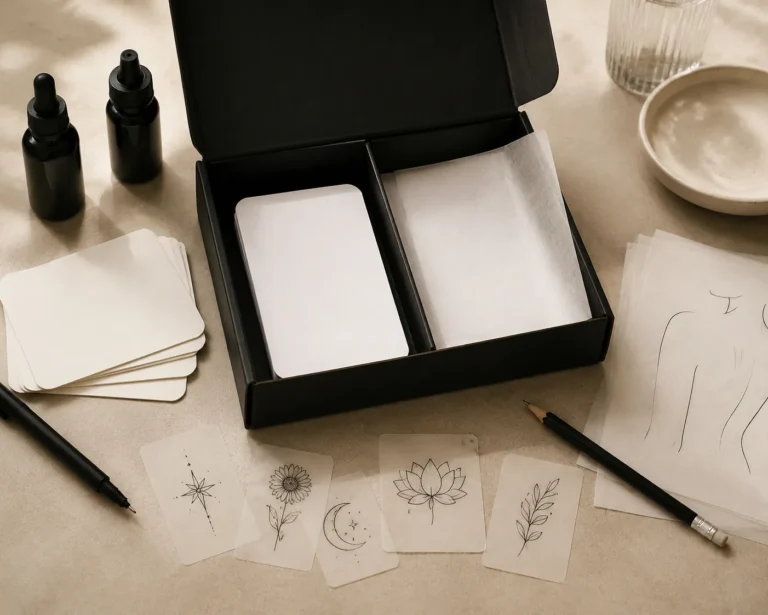
- Build a portfolio showing variety: black and grey, color, lettering, and different subject matter
Your portfolio matters more than any resume. Include only your best work, and present it professionally in a clean book or digital tablet.
Find the Right Apprenticeship
An apprenticeship is the standard and often legally required path into tattooing. In most US states, you must apprentice under a licensed artist for a set number of hours before you can obtain your own license. Here is how to approach this critical step:
- Research shops in your area with strong reputations and sterile environments
- Visit as a client first to observe professionalism and cleanliness
- Bring your portfolio in person rather than sending cold emails
- Expect to start with unpaid or low-paid shop duties: cleaning, answering phones, scheduling
- Be prepared for rejection and do not take it personally; keep improving and trying
Apprenticeship costs vary widely. Some shops charge $5,000-$10,000 for formal training, while others trade apprenticeship for labor. Never pay for an apprenticeship that promises quick certification without hands-on machine time.
Learn Sterilization and Safety Protocols
Bloodborne pathogen training is non-negotiable. Your apprenticeship must cover proper autoclave use, needle disposal, surface disinfection, and cross-contamination prevention. Many states require OSHA-compliant bloodborne pathogen certification and sometimes CPR training as well. Key practices include:
- Single-use needles and tubes opened in front of clients
- Barrier protection on all surfaces and equipment
- Proper waste segregation and sharps container use
- Hand washing and glove changing between procedures
Take this education seriously. Your reputation and your clients’ wellbeing depend on flawless hygiene habits.
Practice on Non-Human Surfaces
Your first months involve no human skin. You will practice on:
- Synthetic skin pads to learn needle depth and machine control
- Pig skin or fruit to understand how ink deposits in organic material
- Your own thighs or arms if permitted by your mentor and local regulations
Only after demonstrating consistent line quality, proper depth, and solid shading will your mentor allow you to tattoo friends or walk-in clients, often for free or at reduced cost.
Understand Tattoo Aftercare and Healing
Part of your job is educating clients. Healing typically takes 2-4 weeks for surface healing and 2-3 months for complete dermal settling. General aftercare guidance includes:
- Keep the bandage on for the time your artist specifies
- Wash gently with fragrance-free soap and pat dry
- Apply a thin layer of recommended aftercare ointment or unscented lotion
- Avoid submerging in pools, hot tubs, or baths during early healing
- Keep out of direct sunlight and do not pick at scabs
Pain levels vary by body location, individual tolerance, and session length. Ribs, feet, hands, and sternum tend to be more intense, while arms and thighs are generally more manageable. Cost varies by artist experience, geographic location, and design complexity, with hourly rates typically ranging from $100-$400 for established artists.
Develop Your Specialty and Professional Presence
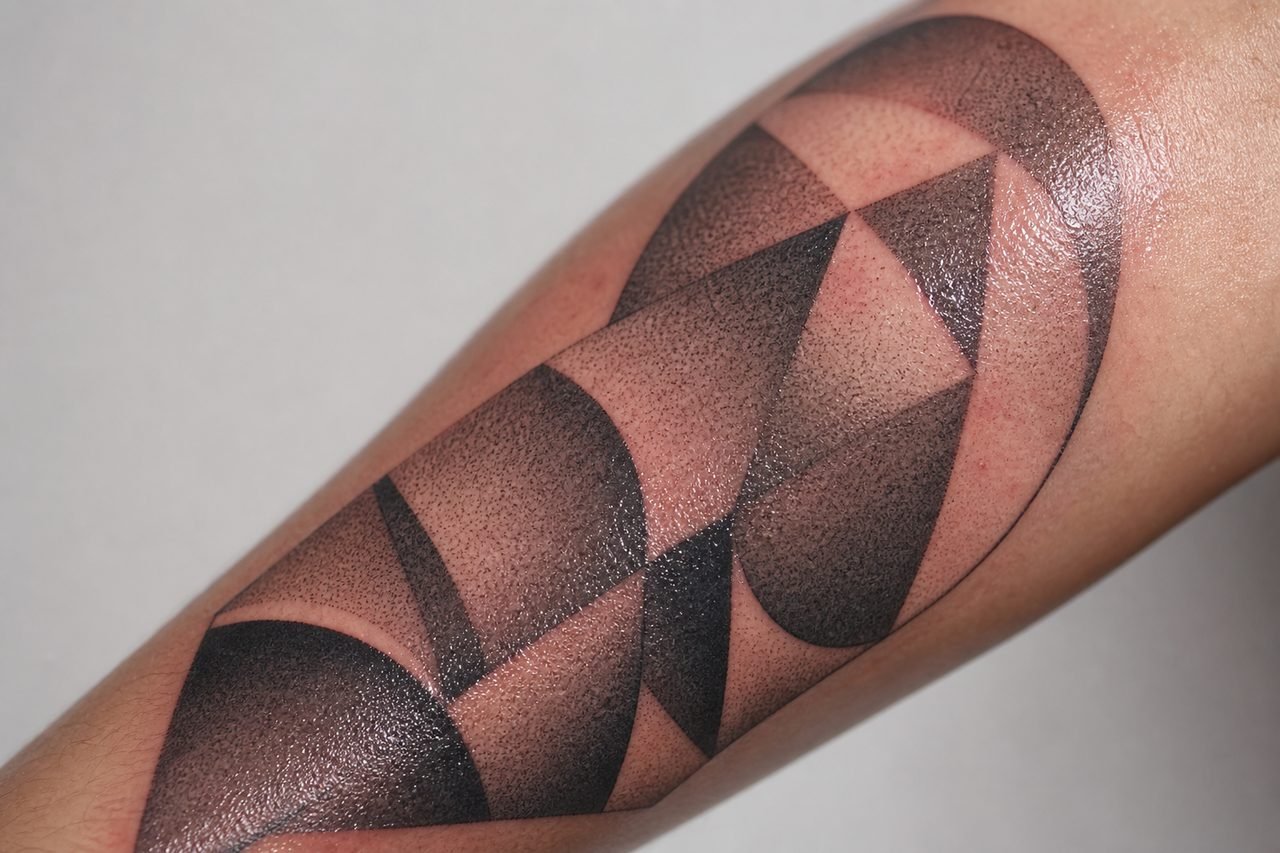
As you gain experience, focus on a style that distinguishes you. Whether traditional American, Japanese, black and grey realism, or fine line botanical work, specialization helps you attract the right clients. Simultaneously, maintain professional social media accounts, respond promptly to inquiries, and respect appointment times. Word-of-mouth remains the most powerful marketing in tattooing.
Key Takeaways
Becoming a tattoo artist demands years of committed practice, a formal apprenticeship under a licensed mentor, rigorous safety training, and continuous artistic growth. Start by building exceptional drawing skills, research reputable shops, and approach apprenticeship opportunities with humility and persistence. Never rush the process or skip proper training. The tattoo industry values craft, cleanliness, and reliability above all else. Your reputation begins forming the moment you walk into your first shop, so show up prepared, professional, and ready to learn.
Related Tattoo Guides
- Dotwork Tattoo Guide: Texture, Shading and Pain
- Red Ink Tattoo Allergy: What to Watch For
- Tattoo Infection Signs: When to Get Medical Help
- Explore more
Frequently Asked Questions
Do I need a formal art degree to become a tattoo artist?
No formal degree is required, but strong foundational art skills are essential. Most successful tattoo artists build portfolios through self-study, art classes, or illustration programs, then learn tattooing through apprenticeships.
How long does a tattoo apprenticeship typically last?
Most apprenticeships last between 1 and 3 years, depending on your progress and the mentor’s requirements. You will spend the first months observing, cleaning, and practicing on synthetic skin before tattooing any clients.
Is it legal to tattoo from home without a license?
No, tattooing without a proper license and health department certification is illegal in nearly all jurisdictions. You must complete bloodborne pathogen training, pass health inspections, and obtain local permits before working on any person.
How much does it cost to start a tattoo career?
Expect to invest $5,000 to $15,000 for a quality apprenticeship, basic equipment, and initial supplies. Additional costs include ongoing sterilization supplies, machine maintenance, and building a professional portfolio over your first few years.