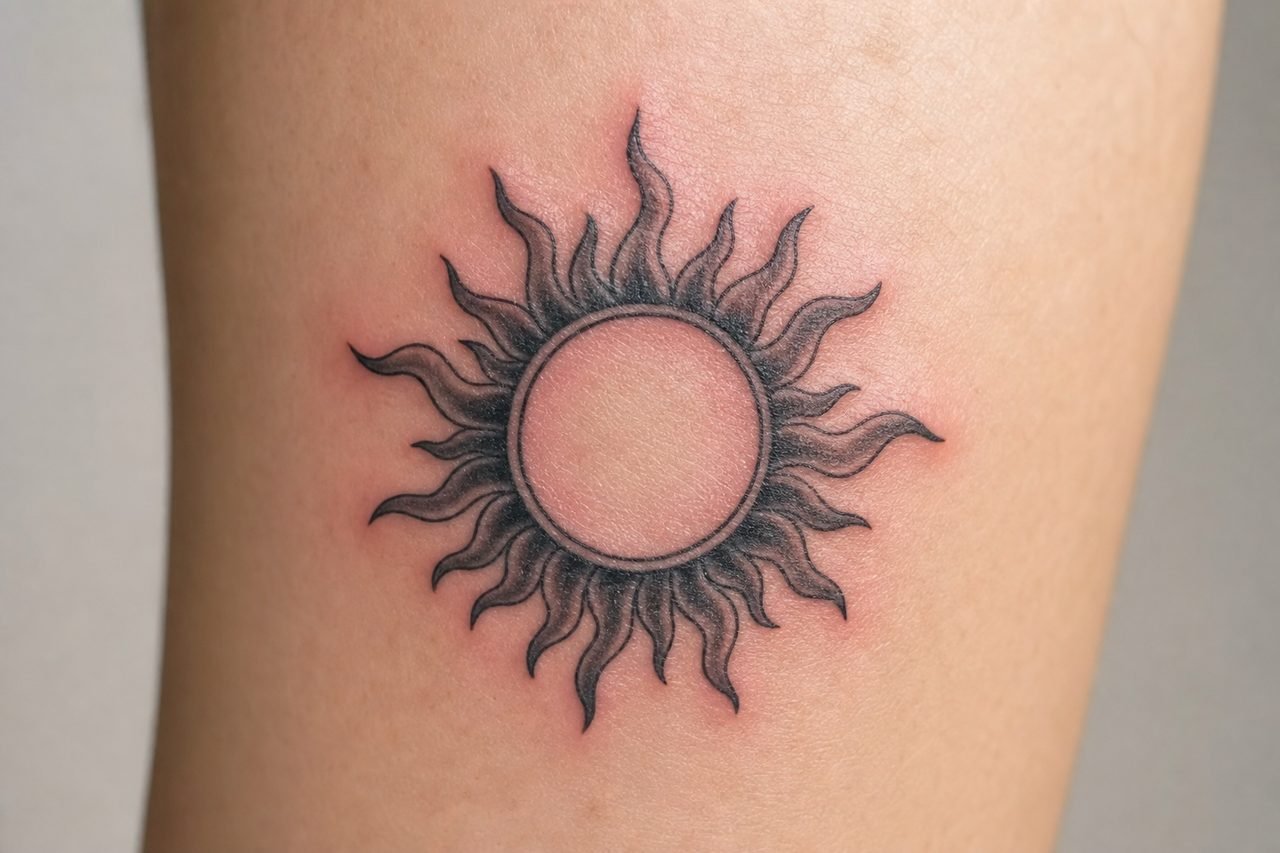
How Much Do Tattoo Artists Make in 2024
Tattooing occupies a curious space in the creative economy. The work demands technical precision, artistic vision, and the stamina to spend hours in concentrated physical labor. Yet income varies dramatically, shaped by geography, skill level, shop structure, and the artist’s ability to build a distinct reputation. Understanding these variables helps you grasp what artists actually earn, if you’re considering the profession, negotiating your own rates, or simply curious about the economics behind the machine.
The Range: From Apprentice to Established Artist
Annual earnings span an exceptionally wide spectrum. At the entry level, apprentices often work without pay for months or even years, exchanging labor for training. Some apprentices receive small stipends or tips, but many survive on secondary income during this period. This unpaid phase remains one of the most significant barriers to entering the profession.
Once licensed and working independently, artists typically fall into these general brackets:
- Entry-level artists (0-2 years): $20,000, $35,000 annually, often working on walk-in clients and simpler designs while building a portfolio
- Mid-level artists (3-7 years): $35,000, $70,000, with growing specialization and returning clientele
- Established artists (8+ years): $70,000, $150,000+, particularly those with strong social media presence and distinctive style recognition
- Top-tier and celebrity artists: $150,000, $500,000+, including those who travel for conventions, operate private studios, or cultivate collector followings
These figures represent gross income before taxes, supplies, and overhead. The net take-home often runs 50, 70% of gross earnings.
Hourly Rates and Session Pricing
Most experienced artists price by the piece or by the hour. Hourly rates in 2024 typically range from $100 to $400, with variation driven by location and reputation. Custom large-scale work, such as full sleeves or back pieces, may command flat rates of $1,500, $5,000+ depending on complexity and sessions required.
Some artists deliberately limit daily hours to preserve quality, accepting lower volume for higher consistency. A tattooer working four-hour days at $200 hourly earns roughly the same as one grinding ten-hour days at $80 hourly, with considerably less physical wear.
Shop Structures and Income Models
How an artist works within a shop fundamentally determines their earning potential. Three primary structures dominate the industry.
Commission Splits
The most common arrangement involves splitting revenue with the shop owner. Typical splits range from 50/50 to 70/30 in the artist’s favor. The shop provides space, equipment, supplies, scheduling, and often marketing. Artists on splits generally keep 100% of tips, which can constitute 10, 20% of session income.
Shops offering higher splits usually demand more from artists: bringing established clientele, handling self-promotion, or contributing to shop maintenance. Lower splits often accompany robust walk-in traffic and comprehensive shop support.
Booth Rental
Experienced artists increasingly rent dedicated space, paying weekly or monthly fees ($200, $800 weekly depending on location) while retaining all tattoo income. This model demands self-sufficiency: independent marketing, supply purchasing, and client management. Successful renters often earn more than commission artists, but bear greater risk and administrative burden.
Private Studios
At the highest level, artists operate entirely independent studios, often by appointment only. Overhead climbs substantially, but so does pricing power and scheduling control. These setups suit artists with sufficient reputation to maintain consistent booking without walk-in traffic.
Geographic Variation
Location exerts outsized influence on tattoo economics. Major metropolitan areas, coastal cities, and tourist destinations support higher rates. Artists in New York, Los Angeles, Miami, and London routinely charge double or triple rates of comparable artists in smaller markets.
However, cost of living frequently offsets these premiums. An artist earning $120,000 in San Francisco may have comparable disposable income to one earning $60,000 in a mid-sized Midwestern city. Some artists deliberately locate in secondary cities with lower overhead, building regional reputations that support comfortable lifestyles without metropolitan pressures.
International variation proves even more pronounced. Western European and Australian artists generally command higher rates than those in Eastern Europe, Latin America, or Southeast Asia, though exceptional artists in any region transcend local pricing norms through travel and international clientele.
Travel and Convention Work
Convention circuits offer supplemental income and networking opportunities. Artists may charge premium rates for convention slots, though travel expenses, booth fees, and accommodation reduce net gains. For emerging artists, conventions primarily serve marketing functions; for established names, they become profitable extensions of regular practice.
Specialization and Style Economics
Certain tattoo styles command consistent premiums. Fine-line single needle work, photorealistic black and grey, Japanese traditional, and ornamental geometric designs each attract dedicated collectors willing to pay premium rates and wait months for appointments.
Artists who develop recognizable, technically difficult specialties often build waitlists stretching six months to two years. This scarcity itself becomes a pricing mechanism. Conversely, artists working common styles in saturated markets face downward pressure on rates, competing for walk-in traffic against numerous peers.
Social media visibility increasingly drives specialization value. Artists with substantial Instagram or TikTok followings convert attention into booking demand, sometimes raising rates solely to manage appointment volume. This dynamic rewards consistent documentation and aesthetic curation alongside technical skill.
Secondary Revenue Streams
Many established artists diversify beyond tattooing. Merchandise, prints, original artwork, teaching seminars, and sponsored content contribute meaningful income. These streams prove particularly valuable during injury recovery, economic downturns, or when seeking reduced tattooing hours. Artists with strong personal brands often earn 20, 40% of total income from non-tattoo sources.
The Hidden Costs
Tattooing income figures rarely reflect actual prosperity without accounting for substantial professional expenses. Artists typically supply their own machines, needles, inks, and disposable materials, running $200, $600 monthly for active practitioners. Continuing education, convention travel, and portfolio photography add further costs.
Physical toll represents another unpriced cost. Wrist, hand, back, and eye strain accumulate over years of repetitive work. Many experienced artists reduce hours or transition to other income streams partly due to physical limitations. Health insurance, retirement savings, and tax preparation fall entirely on independent contractors in most shop structures.
Tax complexity surprises many entering the profession. Artists receiving cash and tips must maintain meticulous records. Quarterly estimated payments, self-employment tax, and deduction optimization require financial literacy rarely taught alongside artistic training.
Final Thoughts
Tattoo artist income in 2024 resists simple categorization. The profession accommodates survival-level earnings and exceptional prosperity, sometimes within the same shop. Success correlates less with raw technical ability than with the compound skills of style development, client relationship building, business management, and strategic self-promotion.
For those considering tattooing as a career, the financial trajectory demands patience. The apprenticeship period, initial low earnings, and substantial equipment investment create barriers that filter out less committed entrants. Yet for artists who persist through these phases, develop distinctive visual voices, and cultivate professional discipline, tattooing offers sustainable livelihoods with uncommon creative autonomy.
The most reliable path to strong earnings remains producing work that attracts dedicated collectors, pricing honestly for your current skill level, and incrementally raising rates as demand validates your growth. Tattooing rewards longevity and consistency; artists who endure often find their income naturally ascending as their reputation compounds across years of visible, permanent work walking through the world.
Frequently Asked Questions
How long does the unpaid apprenticeship period typically last?
Most apprenticeships run between one and three years, with the first six to twelve months rarely generating income. Some apprentices receive small stipends or tips, but many work second jobs during this training phase. The duration depends on state licensing requirements, the mentor’s teaching structure, and the apprentice’s progress in developing sterile technique and consistent line work.
Do tattoo artists receive benefits like health insurance or paid vacation?
Most tattoo artists operate as independent contractors, even when working in shops with commission splits. This classification means they rarely receive employer-provided health insurance, retirement contributions, or paid time off. Artists must independently secure these protections, which significantly affects how gross income translates to actual financial security.
How do artists determine when to raise their rates?
Common signals include consistent booking several weeks or months in advance, completion of advanced training or convention appearances, and visible technical improvement in recent work. Many artists raise rates incrementally, perhaps $25, $50 hourly, rather than making dramatic jumps. Communicating rate changes transparently to existing clients helps maintain relationships while adjusting to market demand.
Can tattoo artists work legally across state or national borders?
Licensing requirements vary significantly by jurisdiction and rarely transfer automatically. Artists working in multiple states typically maintain licenses in each location, which involves separate health department registrations, bloodborne pathogen certifications, and sometimes additional examinations. International guest spots require research into local regulations, with some countries prohibiting work by unlicensed foreign artists regardless of home credentials.