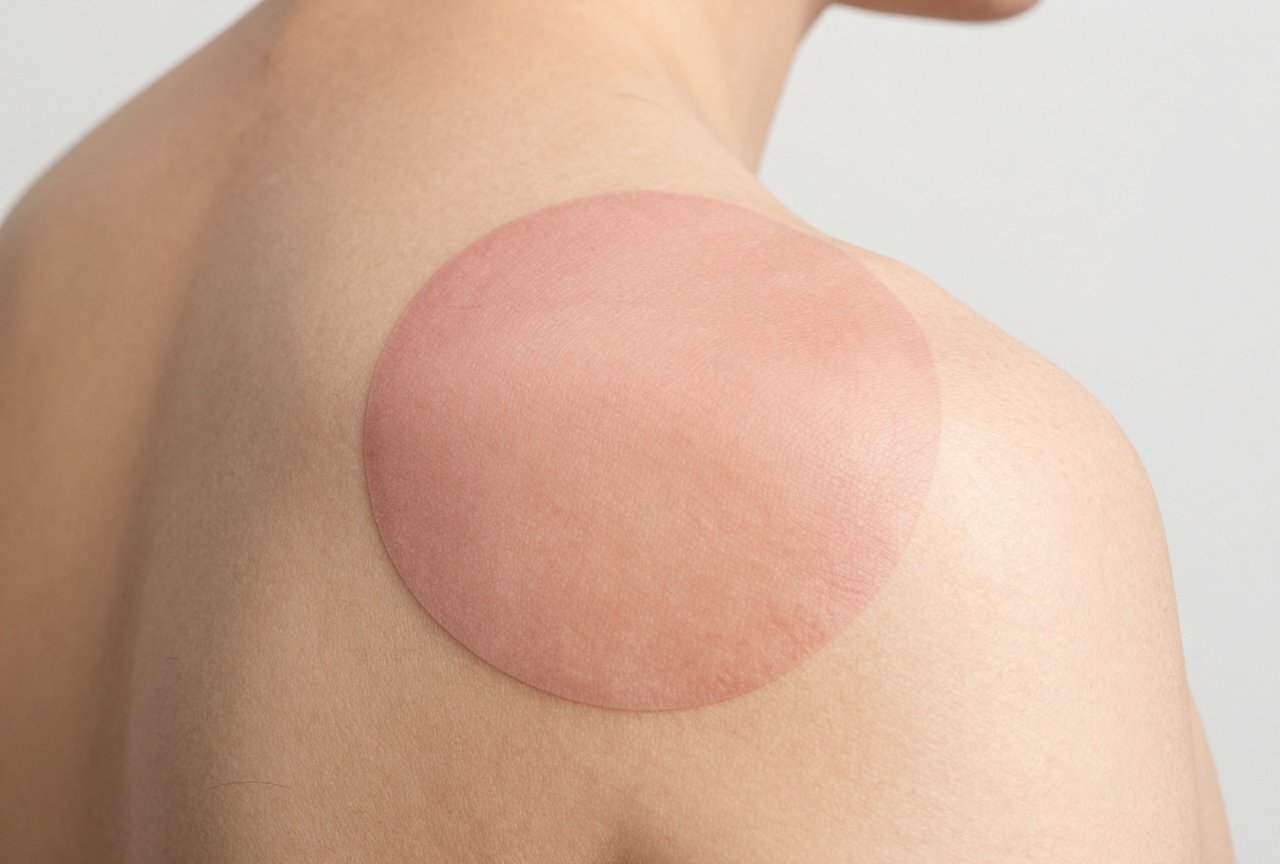
Short answer: you don’t truly waterproof a tattoo for swimming, but you can protect a healing tattoo from water damage with proper timing, occlusive barriers, and common sense. If your tattoo is fresh, under two to three weeks old, stay out of pools, oceans, lakes, and hot tubs entirely. Once it’s past the peeling stage and no longer shiny, brief swimming with a waterproof barrier can work in a pinch, but it’s never risk-free. I’ve watched clients learn this the hard way after diving in too early.
Why Water Is the Enemy of a Fresh Tattoo
Fresh tattoos are open wounds. That beautiful ink sits in the dermis, but the epidermis is compromised. I’ve tattooed thousands of pieces, and I tell every client the same thing: your tattoo’s worst enemies during healing are sun, soaking, and scratching. Water softens the forming scab, pulls out ink, and introduces bacteria.
Pool Chemicals vs. Natural Water
Chlorine and bromine sting like hell on fresh work. They also dry out the skin aggressively, causing cracking that pulls ink with it. Salt water? Ocean bacteria are no joke. I’ve had clients come back with infections after beach trips on day five. Lakes and rivers carry even more unpredictable microorganisms. Hot tubs are the worst, warm, stagnant, chemical soup. I had a guy lose half the shading in his Japanese sleeve from a Vegas hot tub on day eight. We had to redo it. Not cheap, not fun.
What Actually Happens When You Soak Too Early
The scab or thin film of plasma that forms protects the ink underneath. Submerge it, and that protection dissolves. Colors fade patchily. Lines blur where ink migrates. Infections swell, weep, and sometimes require medical attention. In my chair, I see the aftermath constantly, faded blues, blown-out blacks, clients who thought they’d be “careful.”
The Real Timeline: When Can You Actually Swim?
Most artists say two to three weeks minimum. I lean toward three for anything with solid color or heavy saturation. Here’s what I watch for:
- No more peeling or flaking skin
- Skin texture returned to normal, not shiny or tight
- No scabs remaining, even tiny ones
- No tenderness when you press the area
- Artist has given the verbal okay
That shiny, waxy look? That’s still new skin forming. It’ll suck up water like a sponge. Wait until it looks and feels like the skin around it. I’ve had clients with fast-healing forearm pieces ready at ten days, and others with lower-back work that took four weeks. Placement matters. Areas that bend and rub heal slower.
How to Protect a Healing Tattoo If You Must Get Wet
Sometimes life doesn’t cooperate. Wedding in Cancun. Military training. Kids’ swim meet you can’t miss. If you’re past the first week and absolutely must, here’s what actually works in shop practice.
Barrier Methods That Hold Up
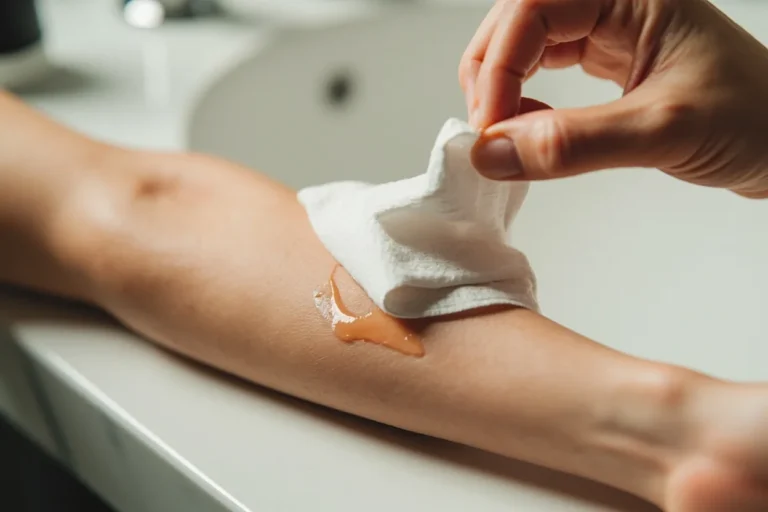
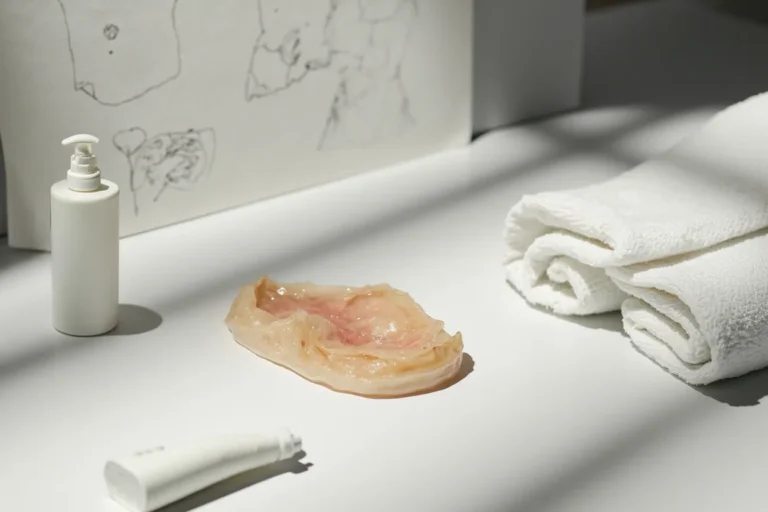
SecondSkin or Saniderm, those transparent adhesive dressings, are your best bet. Applied to clean, dry skin with at least an inch of overlap beyond the tattoo edges, they can seal out water for short periods. I don’t love them for swimming, but they’re better than nothing. The key is application: no wrinkles, no bubbles, no hair trapped underneath. Press the edges until they stick completely.
Plastic wrap and medical tape work in emergencies. Layer it, seal all edges, and limit your time. I’ve seen people use waterproof bandages from the pharmacy, but they rarely cover enough area for anything beyond small tattoos. A full back piece? Forget it. Stay dry.
What to Do Immediately After
Get out, peel off the barrier gently, rinse with clean water immediately, and pat dry. Don’t rub. Let it air dry fully, then apply a thin layer of your regular aftercare, whatever your artist recommended. I use hustle butter or a simple fragrance-free lotion once my clients are past the initial ointment stage. Watch for redness, heat, or unusual discharge in the following days.
After the Heal: Long-Term Water Protection
Once healed, your tattoo isn’t bulletproof. I’ve tattooed swimmers, surfers, pool cleaners, people who live in water. Their older tattoos hold up fine with basic care, but sun and chlorine still degrade ink over years.
- Apply waterproof SPF 50+ before swimming
- Rinse off chlorine or salt water after you’re done
- Moisturize regularly, especially if you swim often
- Consider touch-ups every few years for heavy water exposure
Black and grey holds up better than color. Fine lines blur faster with constant water and sun. I’ve had to re-line pieces on water polo players that looked ten years old at three years. Location matters too, shoulders and backs take more sun damage than covered areas.
What I Tell Clients in My Chair
Every consultation, I ask about lifestyle. Pool owner? Surfer? Training for a triathlon? We plan around it. Sometimes that means scheduling after vacation. Sometimes it means placement where a wetsuit or rash guard covers it. I’ve moved pieces from ribs to upper arms because a client couldn’t skip swim season.
The clients who listen heal beautifully. The ones who don’t, I’ve seen the infections, the faded patches, the regret. One woman cried in my shop after her tropical honeymoon ruined a $900 piece. Another guy tried to “seal” his fresh leg tattoo with a plastic bag and duct tape for a mud run. Don’t be that person. The bag leaked, the mud infected it, and he still has a scarred reminder.
Artist Red Flags
If your artist says “swim whenever, just keep it clean”, find a new artist. That’s malpractice-level advice. Any reputable shop will emphasize dry healing for the critical first period. We have a reputation and a license to protect. More importantly, we want your tattoo to look good in five years, not just five days.
Key Takeaways
Don’t swim with a fresh tattoo. Two to three weeks minimum, longer for heavy color or slow-healing placements. If you absolutely must get wet, use a proper occlusive barrier like SecondSkin with sealed edges, keep it brief, and clean the area immediately after. Once healed, protect from sun and chlorine to preserve your investment. The best waterproofing is patience. Your tattoo will be there for decades. Missing a few swim sessions is nothing compared to fixing a faded, infected mess.
I’ve been in this trade fifteen years. The best-looking healed work always comes from clients who respected the process. Water will wait. Your skin’s healing window won’t.
Frequently Asked Questions
Can I use regular waterproof sunscreen on a fresh tattoo?
No. Sunscreen goes on healed skin only, never on open or peeling tattoos. For fresh work, keep it covered with clothing or simply stay out of the sun entirely. Chemicals in sunscreen can irritate broken skin and cause reactions.
What if my waterproof bandage starts leaking while I’m swimming?
Get out immediately, remove it carefully, rinse the tattoo with clean water, and let it air dry. Don’t reapply a new barrier over wet or compromised skin. Monitor closely for redness or swelling over the next 48 hours.
Does a tattoo on my foot or hand heal differently for swimming?
Yes. Hands and feet heal slower due to constant use, friction, and thinner skin. They’re also harder to seal effectively. I tell clients with foot tattoos to avoid all soaking for at least three weeks, sometimes four.
How much does it cost to fix a water-damaged tattoo?
Touch-ups vary by artist and damage, but expect at least the artist’s hourly rate, often $150-400 per session. Severe fading or infection scarring may require partial or full rework, costing significantly more than waiting to heal properly.
Related Tattoo Guides
- How Long to Keep a Tattoo Covered: A Real Shop Guide
- How Long to Leave Saniderm On a New Tattoo
- How Long After a Tattoo Can You Swim? A Real Guide
- Explore more