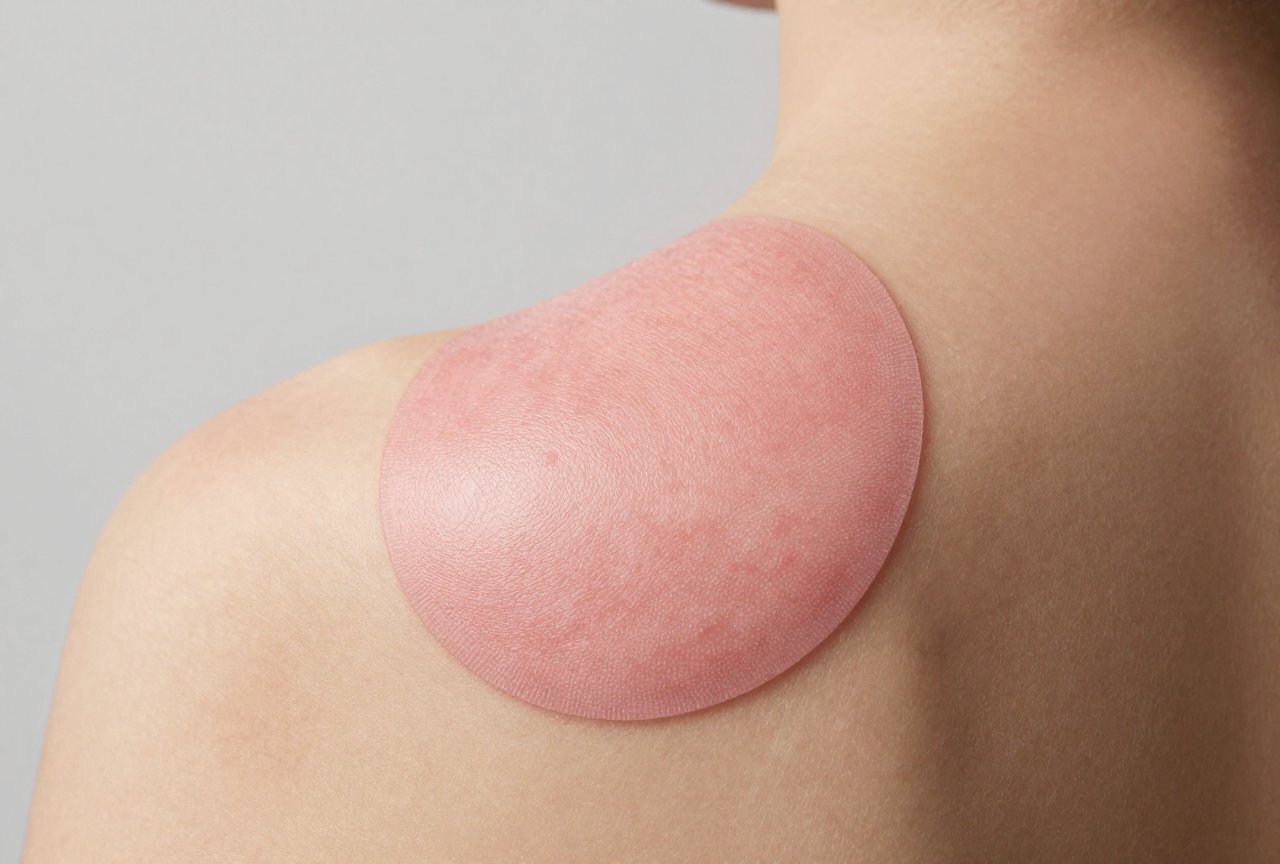
Short answer: wait at least two to four weeks before swimming with a new tattoo. Some artists will tell you three weeks minimum; the old-school guys I know say a month to be safe. Your skin needs time to close up, and water, especially the wrong kind, can wreck a piece before it ever settles in. This isn’t about being overly cautious. It’s about protecting the investment you just made and the art someone worked hard to put on you.
Why Water and Fresh Tattoos Don’t Mix
When you get tattooed, the needle punches through your epidermis and deposits ink in the dermis. That means you’ve got thousands of tiny open channels in your skin. They’re basically welcome mats for bacteria, and water is how those uninvited guests travel.
What Happens Underwater
Submerging a fresh tattoo does a few things you don’t want. Water softens the scabbing and peeling skin that’s trying to form a protective layer. It can pull out ink that hasn’t anchored yet. Chlorine stings like hell on raw skin. Salt water, while great for healed tattoos, dries out and irritates fresh work. Lakes and rivers? That’s where things get genuinely risky. Warm, stagnant water is bacteria’s favorite playground.
I’ve seen guys hop in a hotel pool on day five because “it looked fine.” It wasn’t fine two days later. Redness spreading past the tattoo lines, the whole thing puffing up. They ended up back in the shop asking what went wrong. The artist’s answer was always the same: you got it wet too soon.
The Ink Settling Process
Your tattoo isn’t done when the machine stops buzzing. The first two weeks are about the surface healing, scabbing, peeling, that shiny new-skin look. But the deeper settling happens over weeks. Ink particles are finding their permanent homes in the dermis. Disrupt that process with prolonged soaking, and you get patchy color, faded lines, or spots where the ink just didn’t take.
Breaking Down the Waiting Period
Not all water exposure is equal, and not all tattoos heal at the same pace. Here’s how it actually breaks down in most shops.
- Days 1-3: Keep it dry entirely. Quick showers only, no direct spray on the tattoo. Pat dry, don’t rub.
- Days 4-14: Surface healing. Light splashing happens, washing hands, rain. Still no submersion. No baths, no hot tubs, no swimming.
- Weeks 2-3: Peeling usually slows or stops. The skin looks healed but isn’t fully closed. Most artists still say wait.
- Week 4 and beyond: Generally safe for swimming, but check with your artist. Large pieces, heavy saturation, or spots that scabbed heavily might need longer.
Your artist knows your specific piece. A tiny single-needle line tattoo on your forearm heals differently than a fully saturated back piece with heavy black fill. The bigger and more saturated the work, the longer you should wait.
Pool vs. Ocean vs. Lake: The Real Differences
All water isn’t the same threat level. Here’s what experienced collectors and artists actually worry about.
Chlorinated Pools
Chlorine is harsh on healing skin. It stings, it dries, and it can react poorly with fresh ink. Pools are also bacterial breeding grounds despite the chemicals, warm bodies, shared surfaces, not every pool maintained well. The chlorine won’t sterilize your open tattoo. If you absolutely must get in for a kid’s birthday party or something, a waterproof bandage like Saniderm or Tegaderm helps, but it’s not perfect. Water sneaks in at edges. Most artists would rather you just skipped it.
Salt Water and Oceans
Paradoxically, salt water is great for healed tattoos and terrible for fresh ones. The salt draws out moisture. Freshly tattooed skin is already struggling to maintain the right moisture balance. Ocean water also carries bacteria, sand gets everywhere, and waves slap against raw skin in ways that hurt more than you’d expect. That beach vacation timing? Plan around it. Get tattooed after, not before.
Lakes, Rivers, and Hot Tubs
These are the worst options. Warm, still water is where Pseudomonas and other bacteria thrive. Hot tubs are essentially bacteria soup. I’ve watched a guy lose significant color in a chest piece from a hot tub infection. Not worth it. Not even close. If your artist catches wind you hot-tubbed a fresh tattoo, they might refuse to touch you up for free. That policy exists for a reason.
What If You Absolutely Have To Get Wet?
Life happens. You’re on a trip. Family emergency. Whatever. If submersion is unavoidable, damage control matters.
- Waterproof medical bandage applied carefully, edges sealed. Not Saran wrap, actual breathable waterproof film.
- Limit time in water. Quick dip, not an hour-long swim.
- Rinse immediately after with clean water. Pat dry. Apply thin layer of artist-recommended aftercare.
- Watch for warning signs: spreading redness, warmth, pus, fever. These mean doctor time, not more ointment.
Honestly though? Most situations can wait. The pool will still be there. Your tattoo only gets one chance to heal right.
Signs Your Tattoo Isn’t Ready for Water
Don’t go by the calendar alone. Your skin tells you when it’s actually ready. Look for these:
- No more scabs or peeling skin
- No shiny or waxy appearance to the surface
- Skin texture matches surrounding area
- No tenderness when you press gently
- Color looks settled, not “milky” or muted under a film
That milky look, artists call it “onion skin”, means the epidermis is still regenerating. Water will penetrate that fragile layer. Wait until the tattoo looks like skin again, not like a sticker that’s still settling.
Aftercare That Actually Supports Healing
Good aftercare gets you to swimmable faster. Bad aftercare delays everything and risks complications.
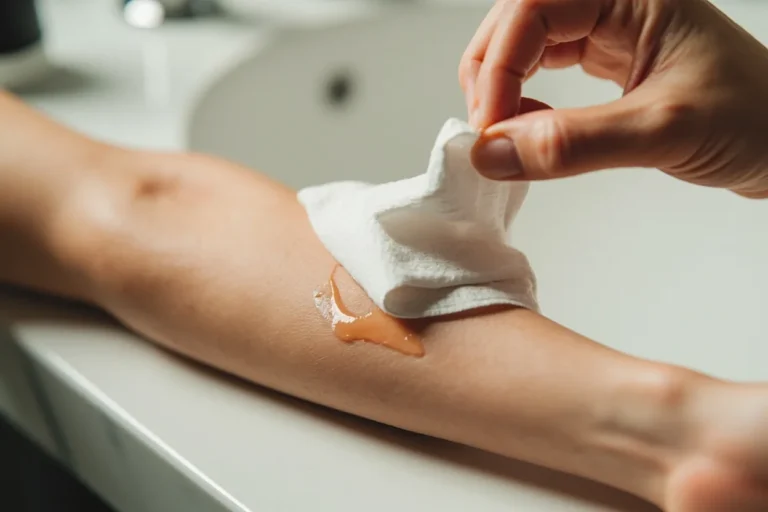
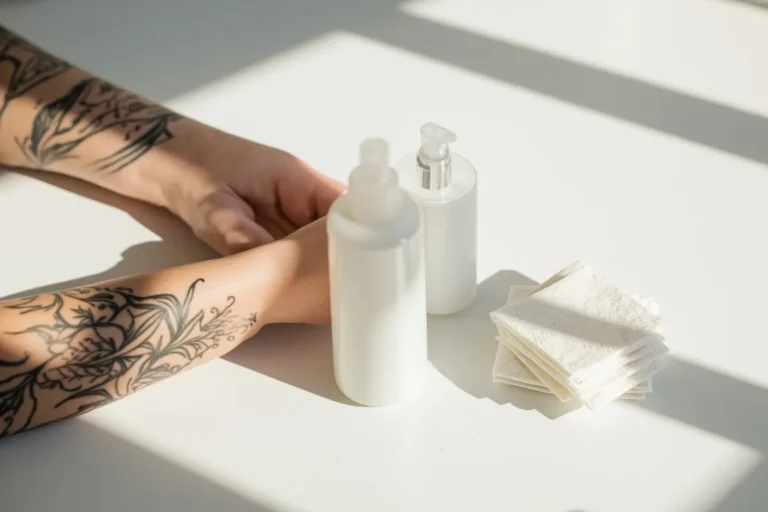
Wash gently with unscented soap twice daily. Apply a thin layer of recommended aftercare, my shop uses either a specific tattoo balm or plain fragrance-free lotion. Thin is key. Globs of ointment suffocate the skin and extend healing. Let it breathe. Don’t pick scabs, don’t scratch, don’t let your buddy’s dog lick it.
Keep it out of direct sun during healing too. Sunburn on a fresh tattoo is a special kind of misery, and it damages the ink. Once healed, SPF becomes your best friend for color longevity. But that’s a different conversation.
Moisture balance is everything. Too dry, skin cracks and scabs thick. Too wet, bacteria party. Find that middle ground where the skin feels comfortable, not slick, not tight.
What Artists Actually Say in the Shop
Shop culture varies, but the good artists are consistent on this. They’ll hand you an aftercare sheet that says 2-4 weeks minimum. They’ll emphasize it verbally because they know half of you won’t read the paper. Some old-timers still say “when it’s done peeling, wait another week.” Others go by the “if it still looks like a tattoo and not like a wound, you’re close” rule.
Touch-up policies often exclude water damage. Artists can tell. The fading pattern looks different than poor ink saturation or needle depth issues. It sits on top, patchy, where water pulled settling ink away. Don’t expect free fixes for self-inflicted damage. Most won’t even feel bad about charging you.
The respect goes both ways. You paid for their art. They want it to look good in five years. Following aftercare, including the no-swimming rule, is part of that collaboration.
Key Takeaways
Wait two to four weeks minimum before swimming with a new tattoo. Longer for large, saturated pieces. Pools, oceans, and especially lakes or hot tubs all pose risks, bacteria, ink loss, infection. Surface healing happens in two weeks; full settling takes longer. Check with your specific artist for their recommendation based on your piece. Waterproof bandages are emergency-only, not a free pass. Let your skin’s appearance guide you: no scabs, no shine, no tenderness means you’re probably ready. Protect your investment. The water will wait.
Related Tattoo Guides
- How Long to Keep Second Skin on a New Tattoo
- How Long to Leave Second Skin on Your Tattoo
- Tattoo Cost Guide: What You ll Actually Pay in 2024
- Explore more
Frequently Asked Questions
Can I swim in a pool with a week-old tattoo?
No, you should wait at least 2-4 weeks before swimming, even in a pool. A week-old tattoo is still an open wound with a developing scab and new skin layer, making it vulnerable to infection from chemicals and bacteria.
Does salt water heal tattoos faster so I can swim sooner?
Salt water does not speed up healing and can actually damage a fresh tattoo. Ocean water contains bacteria, sand, and minerals that can cause infection, irritation, and fading of the ink before it fully sets.
What happens if I accidentally swim with a new tattoo?
Rinse the tattoo immediately with clean, fresh water and mild unscented soap, then pat dry and apply a thin layer of recommended ointment. Watch closely for signs of infection like redness, swelling, pus, or fever, and contact your tattoo artist or a doctor if these appear.
How do I know my tattoo is fully healed enough for swimming?
Your tattoo is ready for swimming when all scabs have naturally fallen off, the skin is no longer peeling or flaky, and the surface feels smooth with no raised areas. The shiny or waxy layer should also be gone, which typically takes 3-4 weeks for most people.