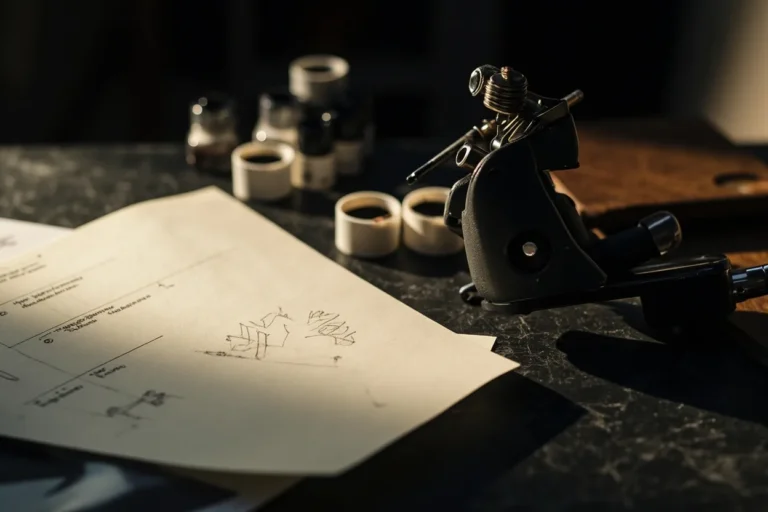
A small, simple tattoo from a reputable artist in most US cities runs $150, $400. Medium pieces, think a palm-sized custom design with some shading, typically land between $400, $800. Large work like a full sleeve or back piece? Budget $1,500, $5,000+, often spread across multiple sessions. But here’s the thing: those numbers shift hard based on where you live, the artist’s reputation, and how complex your idea actually is. There’s no universal menu. Let’s break down what really drives the price, so you walk into a shop informed and don’t get blindsided.
How Artists Actually Price Their Work
Most artists use one of two models: hourly or flat rate. Hourly is more common for custom work, especially when the artist can’t predict exactly how long it’ll take. Flat rates work better for flash, those pre-drawn designs on the wall, or pieces the artist has done enough times to know the timing cold.
Hourly Rates: The Real Numbers
In smaller cities and towns, you’ll see $100, $150 per hour. Major metros like NYC, LA, Chicago, or Miami? $200, $400+ is standard for artists with solid books and clean portfolios. The really booked names, think Instagram-famous with waitlists six months deep, can hit $500+ per hour. Some shops enforce minimums, usually $100, $200, even for a 20-minute piece. That’s not gouging; it’s covering setup, sterilization, and the fact that a tiny tattoo still interrupts their day.
Here’s what hourly doesn’t include: drawing time. Custom designs often happen off-clock, but some artists bill for extensive redraws or multiple concepts. Always ask upfront.
Flat Rates and Session Pricing
Flat rates shine for predictability. A standard American Traditional eagle? $300, $500. A palm-sized mandala with dotwork? $400, $600. Full-day sessions, six to eight hours, often get discounted slightly, maybe $1,000, $1,500 instead of the full hourly stack. Some artists offer “full day” specials to fill their calendar or tackle big projects efficiently.
Cover-ups and reworks almost always cost more. The artist has to work around existing ink, often going darker and heavier. Expect 1.5, 2x the normal rate.
What Drives Price Up (Or Down)
Not all tattoos cost the same to execute. These factors genuinely move the needle:
- Detail level: Fine lines, photorealistic portraits, and intricate geometric work take longer. A simple bold-outline panther flies compared to a hyper-detailed tiger fur texture.
- Color vs. black and grey: Color packing requires more passes, more needle changes, more ink caps. It’s slower. Black and grey can be faster, though smooth greyscale gradients have their own technical demands.
- Placement: Ribs, sternum, inner bicep, throat, awkward, painful, or high-movement spots slow the artist down. Skin texture matters too; older or sun-damaged skin needs a lighter, more careful hand.
- Size vs. complexity: A huge simple tribal band can be faster than a tiny, hyper-detailed single needle piece. Area matters less than how much visual information you’re cramming into it.
- Artist’s specialty: Someone who exclusively does Japanese tebori or photorealism commands more than a generalist. Their years of narrow focus are the premium you’re paying for.
Shop location plays a huge role too. Rent in SoHo or Silver Lake gets baked into every hour. That same skill level in Kansas City or Portland, Maine might run 30, 40% less.
The Hidden Costs Nobody Talks About
Beyond the tattoo itself, budget for these:
- Deposits: Most artists take $50, $200 (sometimes more for large pieces) to hold your appointment. This typically comes off the final price but is non-refundable if you no-show or cancel late. Respect the policy; it’s there because empty slots kill income.
- Tipping: 15, 20% is standard in US shop culture. Some clients tip more for exceptional work or long sessions. Cash is king; artists often pay shop cuts and taxes on card tips.
- Aftercare supplies: Quality unscented lotion, gentle soap, maybe a second-skin product like Saniderm if your artist recommends it. $20, $40 total. Skip the fancy branded “tattoo healing” kits; they’re usually overpriced repackaging.
- Touch-ups: Many artists include one free touch-up within 6, 12 months, especially for line-heavy work that can drop out. Color saturation and heavy black sometimes need it. Ask the policy before you book.
- Travel and lodging: If you’re chasing a specific artist across state lines, factor in flights, hotels, meals. Convention rates sometimes run higher too, since the artist pays booth fees.
One honest aside: the cheapest option is rarely the cheapest long-term. Bad work costs double to fix, if it’s fixable at all. Laser removal runs $200, $500 per session, and you’ll need several. A cover-up is constrained by what’s already there. Save longer, pay once.
How to Ask About Price Without Being Awkward
Artists aren’t trying to be mysterious. They just can’t quote accurately from a vague DM. “How much for a sleeve?” is like asking a contractor “how much for a kitchen?” Here’s how to get useful numbers:
- Bring reference images, approximate size in inches, and placement.
- Ask if they price hourly or flat, and what their current rate is.
- Ask about their minimum and deposit policy.
- For large work: “What’s your rough estimate for total hours, and do you prefer full-day sessions or shorter spreads?”
Some artists won’t quote until they draw. That’s fair. Complex custom work needs visual planning. Others give ballparks to filter out mismatched budgets. Neither approach is wrong.
Don’t haggle. It’s insulting. You don’t negotiate at the dentist. This is skilled labor with permanent consequences. If the price stings, save up or scale the design down. A good artist will suggest alternatives, simpler composition, smaller size, less detail, to hit your budget without compromising their work.
Payment Reality: Cash, Cards, and Payment Plans
Old-school shops are cash-heavy; some still cash-only. Cards are increasingly common but may carry processing fees. Payment plans exist but aren’t standard, some artists allow splitting large projects across sessions with partial payments, but full sleeves rarely get financed like a car. Save first, tattoo second.
Deposits are almost always non-refundable. Life happens, but “I forgot” or “I changed my mind” doesn’t get that money back. Rescheduling policies vary; 48, 72 hours notice is typical to move without penalty. Last-minute cancellations often forfeit the deposit entirely.
What “Too Cheap” Actually Looks Like
$50 tattoos exist. They’re usually kitchen magicians, scratchers working out of apartments, or shops cutting every corner on sterile technique. Red flags: no portfolio, no autoclave, no license posted, “my friend has a gun,” pricing that seems to ignore time entirely. Hepatitis and staph infections are real consequences. Botched lines blow out, colors fade muddy, and you’ll pay exponentially more fixing or removing it.
That said, high price doesn’t guarantee quality. Check healed photos in portfolios, not just fresh, swollen, perfectly-lit shots. Ask locals. Read reviews mentioning how work held up years later. The best artists are proud of their healed results.
Key Takeaways
- Small tattoos: $150, $400. Medium: $400, $800. Large/complex: $1,500, $5,000+.
- Hourly rates range $100, $400+ depending on city and artist reputation; expect shop minimums around $100, $200.
- Detail, color, placement, and artist specialty all genuinely affect time and cost.
- Budget 15, 20% for tips, plus deposits, aftercare supplies, and potential touch-ups.
- Come prepared with references, size estimates, and placement to get accurate quotes.
- Never haggle; save up or scale down. Cheap tattoos are expensive mistakes.
- Always verify healed work in portfolios, not just fresh photos.
Good tattoos aren’t cheap. Cheap tattoos aren’t good. The middle ground, fair price for skilled, clean, thoughtful work, is where you want to live. Do your research, save what you need, and communicate clearly with your artist. The money stings once; the art lasts forever.
Related Tattoo Guides
- How Much to Tip Your Tattoo Artist: A Real Shop Guide
- Can You Get a Tattoo While Pregnant? Safety, Timing and What Doctors W
- Full Sleeve Tattoo Guide: Planning a Cohesive Arm
- Explore more
Frequently Asked Questions
How much does a small tattoo cost in 2024?
Small tattoos typically range from $50 to $250 depending on detail and artist experience. A simple finger or wrist design might cost $80-$150 at a reputable shop, while intricate micro-realism can exceed $300 even at a small size.
Why do tattoo artists charge by the hour instead of by the piece?
Hourly rates, usually $150-$400, account for the unpredictable nature of tattooing where skin type, movement, and healing variables affect timing. This pricing model protects artists from losing money on complex pieces that take longer than estimated, and it ensures fair compensation for their time and expertise.
Is it normal to pay a deposit for a tattoo appointment?
Yes, deposits of $50-$500 or 20-30% of the estimated cost are standard practice and typically go toward your final payment. This secures your spot, covers design time, and protects the artist from no-shows, though policies vary on refundability if you cancel.
Do color tattoos cost more than black and grey?
Color work often costs 10-30% more due to additional ink supplies, longer session times, and the technical skill required for proper saturation and blending. However, some artists charge the same hourly rate regardless, with the total simply reflecting the extra time needed to complete bold pieces.