Wash your new tattoo with warm water and a gentle, fragrance-free soap using clean hands only, no washcloths, no soaking, no scrubbing. Pat dry with a clean paper towel, then apply a thin layer of recommended aftercare ointment or lotion. Do this 2-3 times daily for the first two weeks, and you’re doing what most artists in most shops will tell you. The details below come from what I’ve actually seen work and fail in real chairs over years of tattooing.
When to Start Washing
That First Wash
Most shops now wrap fresh work in either plastic wrap or a breathable bandage like Saniderm or Tegaderm. If you’ve got plastic wrap, peel it off after 2-6 hours and wash immediately. That’s your first wash, and it matters. Ink, plasma, and blood dry into a crusty film if you leave it. I’ve seen clients come back two days later with work practically glued to their arm because they “weren’t sure if they should get it wet.”
If your artist applied a second-skin bandage, the timeline stretches. Leave Saniderm on 3-5 days, or follow what your specific artist told you. Don’t rip it off early because you want to “see how it looks.” It looks like a tattoo. It’ll still be there.
The First Night Reality
That first night, your tattoo will weep. Plasma and extra ink leak out. It’s messy. I tell clients: sleep on dark sheets you don’t care about, and if you washed properly before bed, you’ll minimize the stuck-to-the-sheets disaster. Some plasma leakage is normal. A puddle is not, call your artist if something seems off.
What Soap Actually Works
Here’s what sits in my station and what I recommend: plain, unscented, dye-free liquid soap. Dr. Bronner’s unscented baby soap. Dial Gold in a pinch, though some artists hate the antibacterial angle. Dove sensitive skin. Nothing with exfoliating beads, nothing “invigorating” with menthol that’ll light your fresh skin up like a firecracker.
- Fragrance-free is non-negotiable. Perfumes irritate open skin.
- Antibacterial soaps are debated, some artists love them, some say they dry skin too aggressively. Ask your artist what they prefer.
- Bar soap stays in a dish collecting bacteria. Use liquid, pump-dispensed if possible.
- Never use dish soap, hand sanitizer, or alcohol. I’ve had to fix tattoos after clients “wanted to be extra clean.”
One guy in my chair last year asked if he could use his girlfriend’s fancy lavender body wash. I told him his tattoo would smell like his grandmother’s bathroom and probably sting for two days. He laughed, then used the unscented stuff I recommended. Healed clean.
Water Temperature and Technique
How Hot Is Too Hot
Warm, not hot. Hot water opens pores and can pull ink out in those first fragile days. Cold water doesn’t clean effectively. Think comfortable shower temperature, what you’d wash a baby with, roughly. I usually say “test it on your wrist first.”
The Actual Motion
Clean hands only. No washcloths, no loofahs, no exfoliating gloves. Those harbor bacteria and create friction that can lift scabs. Use your fingertips in small circular motions, working up a light lather. Don’t scrub. Don’t “feel for texture.” If there’s a soft, gummy layer of plasma, it should rinse away with gentle pressure. If it’s dried hard, let warm water soften it first rather than picking.
Rinse thoroughly. Leftover soap residue causes irritation and little red bumps that freak people out. I get texts about “is this an infection?” and half the time it’s just dried soap film.
Drying: The Step People Rush
Pat, don’t rub. Paper towels are ideal, clean, disposable, no lint. Regular towels are fine if they’re freshly laundered, but bathroom towels stay damp and grow stuff. I’ve seen beautiful line work get fuzzy because someone dried aggressively with a terrycloth towel they’d been using for a week.
Air drying works too if you’re not in a rush. Just don’t let water pool in the area. Under a new tattoo on the forearm, trapped moisture can macerate the skin. Lift your arm, let air circulate, then apply aftercare.
Aftercare Application After Washing
How Much Product
Thin layer. I mean thin, like you’re buttering toast, not frosting a cake. Too much ointment suffocates the skin, traps bacteria, and creates those thick, yellow scabs that pull ink out when they finally fall off. Your tattoo should look slightly moisturized, not greasy or wet.
What to Use
- Aquaphor: standard for first 3-5 days, then switch to lotion
- Aftercare-specific products like hustle butter or similar, fine if your artist recommends them
- Unscented lotion (Lubriderm, Cetaphil) after the initial ointment phase
- Never petroleum jelly long-term, never Neosporin, never coconut oil from your kitchen that might be rancid
I had a client use coconut oil exclusively on a full sleeve. It healed patchy and shiny in weird spots. Natural doesn’t mean appropriate for tattoo healing.
What to Avoid During Healing
Submersion is your enemy for 2-4 weeks. Showers are fine. Baths, pools, hot tubs, lakes, oceans, no. I’ve watched a gorgeous back piece get infected because someone “just dipped in the pool for twenty minutes.” Twenty minutes of chlorinated water in fresh skin is a long time.
- No direct shower spray pounding the tattoo for the first week. Let water run over it gently.
- No picking scabs, no scratching. I know it itches. Tap it lightly, slap it, apply lotion. Don’t dig in with fingernails.
- No sun exposure. Fresh tattoos burn instantly. Cover with clothing, not sunscreen, chemical sunscreens on open skin sting and may irritate.
- No gym for 48 hours minimum. Sweat, shared equipment, tight clothing rubbing, bad combination.
How Healing Actually Looks
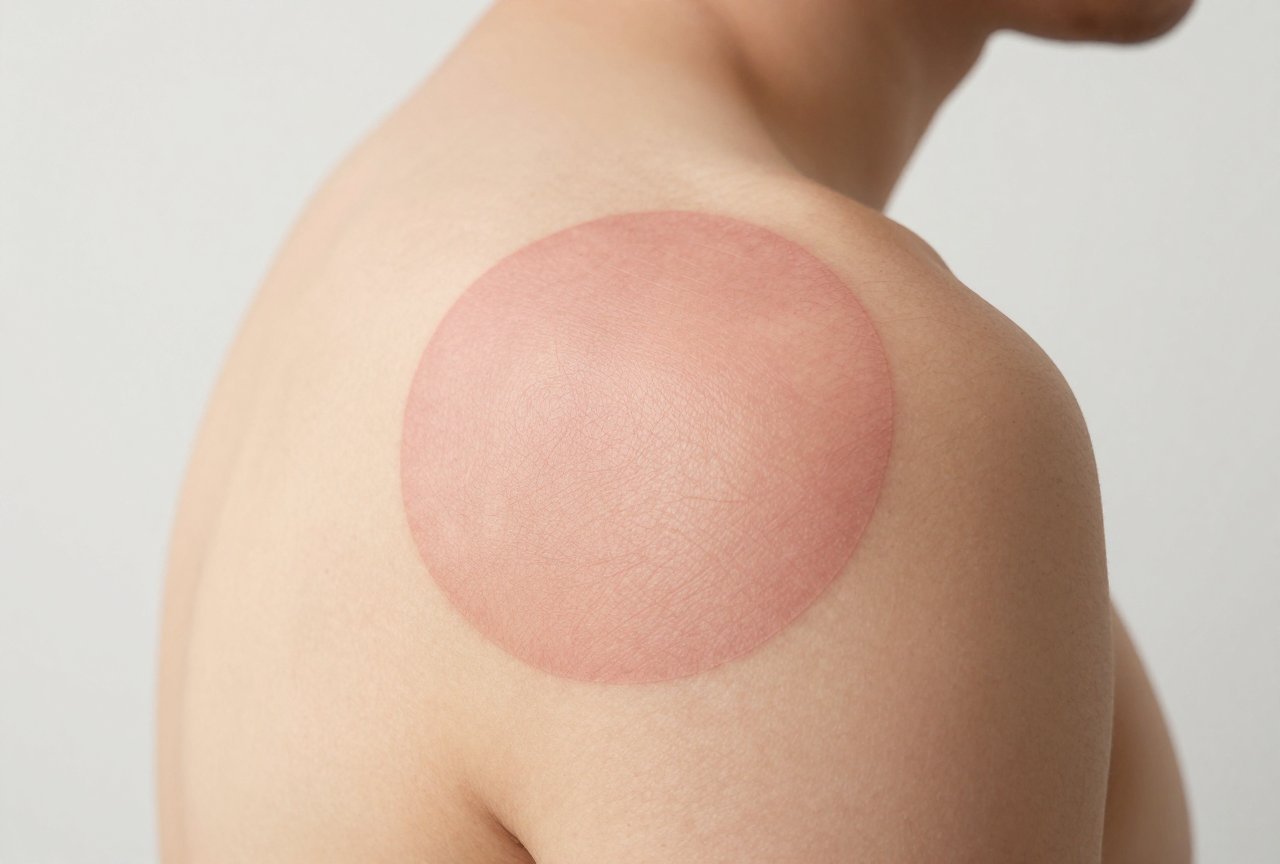
Day 1-3: Red, slightly swollen, maybe shiny with plasma. Normal. Day 4-7: Scabbing and peeling starts, often looks like sunburn peeling with ink-colored flakes. Normal. Day 8-14: Major peeling done, maybe some lingering dry patches. Still moisturize. Week 3-4: Surface looks healed but deeper layers are still settling. Keep up basic care.
Color tattoos often peel more visibly than black and grey. Solid black areas can look greyish during peeling, that’s surface skin, not lost ink. Fine line work and whip shading sometimes peel in tiny flakes that are easy to panic over. I’ve tattooed thousands of pieces; the ones that heal worst almost always trace back to washing too aggressively, too rarely, or with wrong products.
When Something’s Actually Wrong
Some redness and warmth is normal for 48-72 hours. Beyond that, spreading redness, heat that doesn’t fade, pus, red streaks, or fever, contact your artist first, then medical care if needed. I say artist first because we see healing tattoos constantly and can often distinguish normal healing from genuine problems. But we’re not doctors, and we know it. Don’t wait on a problem because you’re embarrassed.
Key Takeaways
- Wash gently with warm water and unscented liquid soap 2-3 times daily
- Pat dry with clean paper towels, never rub
- Apply thin aftercare, less is more
- No soaking, no sun, no picking, no gym initially
- Follow your specific artist’s instructions over generic advice, including mine
- Healing takes 2-4 weeks surface-level, longer for full settling
Every artist develops their own aftercare preferences based on what they’ve watched heal. The fundamentals stay consistent: keep it clean, keep it lightly moisturized, don’t traumatize it while it’s vulnerable. Your tattoo is an open wound initially, then a healing wound, then settled skin. Treat it accordingly and it’ll look like the work your artist intended.
Frequently Asked Questions
Can I wash my tattoo too much?
Yes, over-washing strips natural oils and dries skin out, causing thick scabs that pull ink. Stick to 2-3 gentle washes daily unless your artist specifically advises otherwise for your piece.
Why does my tattoo feel slimy when I wash it?
That’s plasma, a clear fluid your body produces during healing. It mixes with extra ink and creates that gummy layer. It should rinse away with gentle warm water and light fingertip motion, don’t force it if dried hard.
Is it normal for ink to come out when I wash?
Some excess ink washing away in the first 24-48 hours is completely normal. That’s surface ink, not what’s settled in your skin. If ink is still running significantly after day three, check with your artist.
Can I use antibacterial soap every time I wash?
Most artists recommend switching to gentle unscented soap after the first few days. Extended antibacterial use can dry skin excessively and disrupt normal healing. Ask your artist their preference for your specific tattoo.
Related Tattoo Guides
- Is It Normal for a Tattoo to Scab? A Real Shop Guide
- Does a Wrist Tattoo Hurt? A Real Shop Guide
- How to Become a Tattoo Apprentice: A Real-World Guide
- Explore more