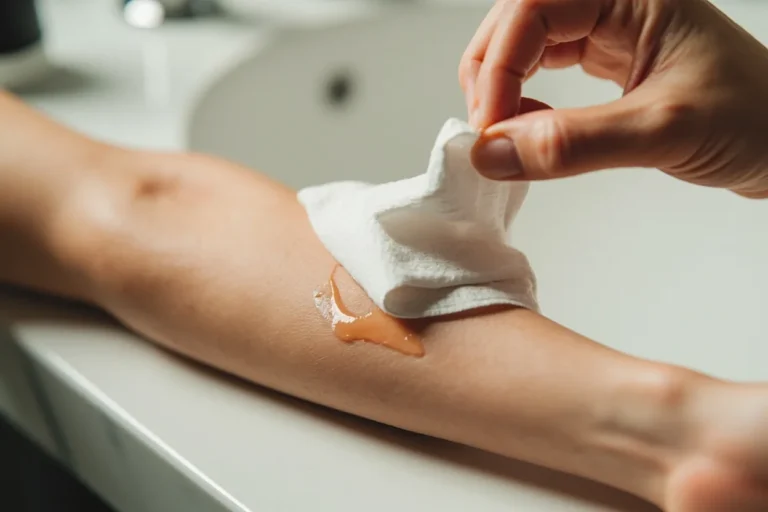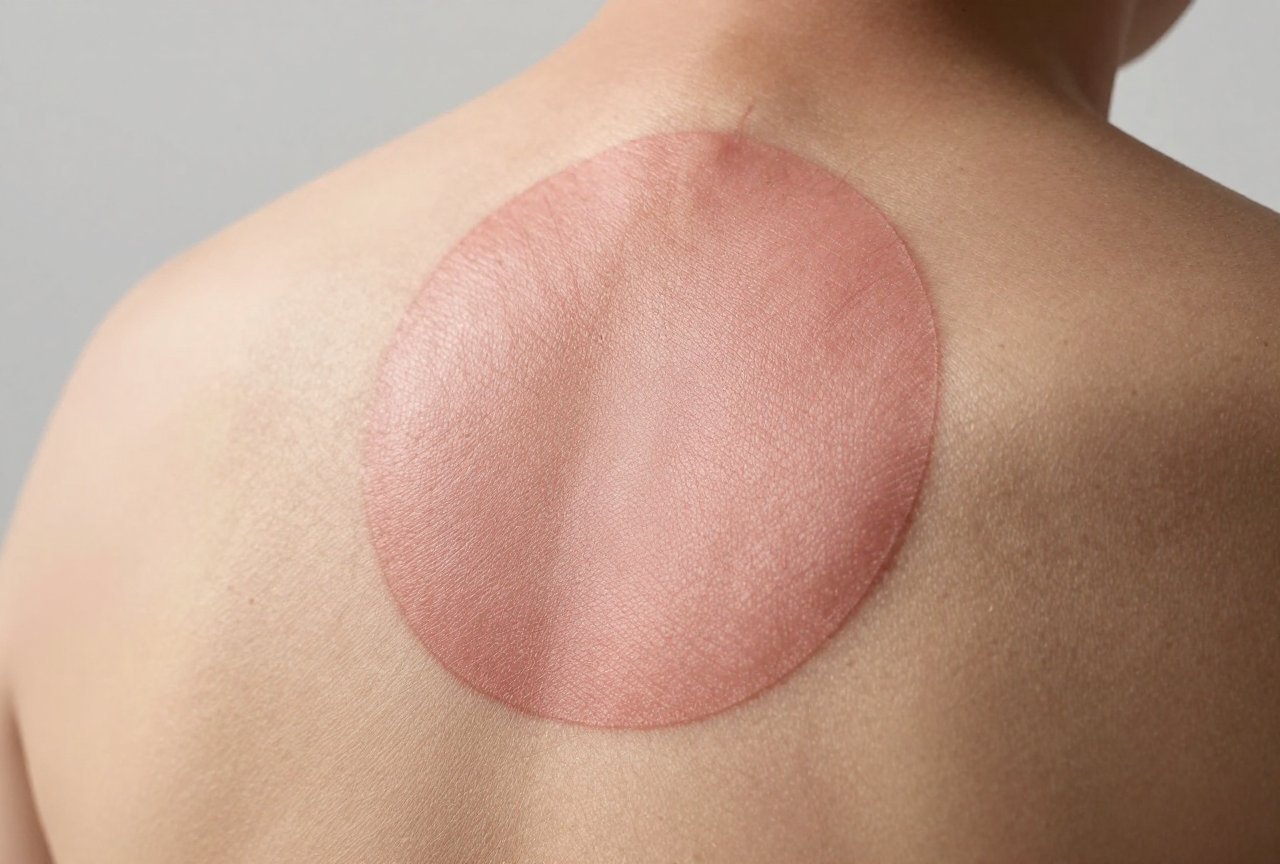
Most tattoos stop peeling somewhere between day 7 and day 14, though I’ve seen heavy blackwork peel for three weeks and tiny fine-line pieces barely flake at all. Peeling is normal, it’s your body shedding the damaged top layer of skin and sealing the ink underneath. The timing depends on your skin type, the tattoo’s size and location, how heavy the saturation is, and how well you’re following aftercare. Don’t panic if yours takes longer, and don’t celebrate too early if it stops fast.
What Peeling Actually Looks Like (Day by Day)
Day one through three, your tattoo weeps plasma and ink. It’s shiny, maybe a little swollen, and you’ll leave the shop with a bandage or second skin. I tell clients: don’t touch it, don’t show it off to friends yet. Days three to five, the surface starts tightening. That glossy look goes matte. You might see a whitish film, this is normal skin regeneration, not infection.
Days five to ten is prime peeling time. The top layer cracks like old paint. Small flakes come off, sometimes with color in them. That color isn’t your tattoo falling out; it’s excess pigment that sat in the epidermis, which always sheds. I’ve had people rush back to the shop in tears on day six because their arm looks like a snake mid-molt. I calm them down, show them healed photos of my own work, and send them home with lotion instructions.
By day ten to fourteen, most of the heavy peeling is done. What remains is a dry, slightly ashy surface that smooths out over the next week. The tattoo isn’t fully healed yet, it’s just done shedding.
Why Some Tattoos Peel Longer Than Others
- Heavy black saturation: Solid black fills damage more skin. The body has more repair work, so peeling lasts longer and flakes are thicker.
- Color packing: Bright reds, yellows, and oranges often require more passes. More trauma, more peeling.
- Location matters: Inner arms, thighs, and anywhere with softer skin peels more visibly. Elbows, knees, and feet can peel in weird patches because the skin moves so much.
- Your skin type: Dry skin flakes faster and more obviously. Oily skin sometimes peels in almost invisible sheets.
- Second skin vs. traditional wrap: I use second skin on most pieces now. It keeps the wound moist longer, which can delay visible peeling by a few days but usually makes the overall process smoother.
What You Should and Shouldn’t Do While It’s Peeling
Let me be direct: picking at peeling tattoo skin is the fastest way to ruin your piece. I’ve watched clients pull off a flake and take a chunk of settled ink with it. Now there’s a pale spot that needs a touchup. Touchups cost time and money and never heal quite as clean as the original pass.
Keep it moisturized but not soaked. I recommend a thin layer of unscented lotion, something you’d put on a baby’s face. Apply two to three times daily, or whenever the skin feels tight. In my chair, I hand out small tubes of fragrance-free moisturizer because I know what works. If your tattoo looks glossy after applying lotion, you’ve used too much.
The Itching Phase
Peeling and itching overlap. Around day seven, most clients want to scratch their skin off. I get it. I’ve been tattooed for twenty hours on my ribs, and the itch was worse than the needle. Tap around it, slap it lightly, or run cool water over it. Never dig your nails in. Some people wrap it loosely in clean fabric to sleep, which prevents unconscious scratching.
Aftercare Methods and How They Change Peeling
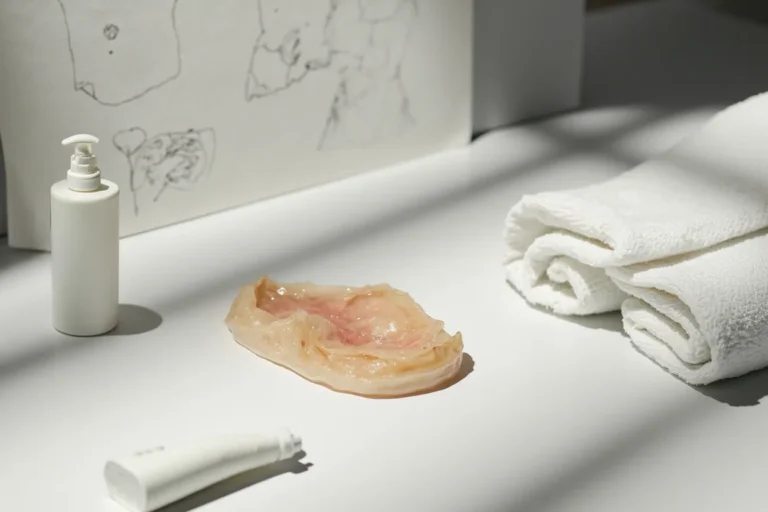
Shop culture around aftercare has shifted. When I started, everyone used petroleum-based ointments for a week, then switched to lotion. Now we see a lot of second skin products, clear adhesive films that stay on for three to six days. They create a controlled environment underneath. Peeling is less dramatic because the skin hasn’t dried out and cracked.
Traditional dry healing still exists, especially among older artists. Let it breathe, wash gently, minimal lotion. This method produces more visible peeling, faster. Neither way is definitively better if done correctly, though I personally prefer second skin for large pieces because it reduces client panic about flaking.
Whichever method you choose, consistency matters more than the brand. Switching back and forth confuses the healing process. I’ve seen people go from ointment to dry healing to coconut oil to some Instagram product in four days. Their tattoos looked terrible for months.
Red Flags: When Peeling Isn’t Normal
Most peeling is harmless. Some signs warrant a conversation with your artist or, in rare cases, a medical professional. I never diagnose, I’m not a doctor, but I know what healed tattoos should look like.
- Thick yellow or green crust: Some plasma crusting is normal, especially under second skin. But thick, opaque buildup that smells bad suggests something beyond normal healing.
- Spreading redness after day four: Fresh tattoos are red. That redness should shrink, not expand.
- Heat that increases over time: A warm tattoo on day two is expected. A burning hot tattoo on day ten is not.
- Peeling that exposes raw, weeping skin repeatedly: Normal peeling reveals smoother skin underneath. If you’re seeing wet, unhealed layers for weeks, something’s off.
Most of the time, clients who think they have an infection are just seeing heavy peeling for the first time. But I’d rather you text me a photo than suffer in silence. Good artists want to know.
How Placement Affects the Timeline
We see this a lot in the shop: same client, two tattoos, totally different healing. A delicate wrist piece might peel lightly for five days. A thick thigh piece with whip shading could flake for eighteen. Here’s how placement changes things:
- Hands and feet: Constant use, friction, and washing mean these peel in stages and sometimes never seem to fully settle. Touchups are common.
- Ribs and sternum: The skin stretches with every breath. Peeling can look dramatic because the movement cracks the healing surface.
- Upper arms and calves: Usually the easiest heal. Protected from daily abuse, stable skin, predictable peeling timeline.
- Back and shoulders: Hard to reach for aftercare, easy to sleep on wrong. Peeling might be uneven if lotion application is spotty.
I did a full back piece on a client last year, solid black Japanese work. His upper back peeled in ten days. His lower back, where his jeans waistband sat, took almost four weeks because of constant irritation.
What Happens After Peeling Stops
The tattoo isn’t done when the flakes stop. That ashy, muted look? That’s the epidermis still thickening. The true color sits deeper, and it takes four to six weeks for that top layer to fully clarify. Some colors, especially pastels and light blues, can look almost invisible during this phase. I’ve had clients message me panicked that their tattoo disappeared. It hasn’t. Wait.
At six to eight weeks, the skin has fully regenerated. This is when I schedule touchups if needed. Any earlier, and you’re working on unfinished skin. Any later, and the client has lived with imperfections too long.
Key Takeaways
- Expect peeling between days 7 and 14, with variation based on style, placement, and skin type.
- Don’t pick, don’t scratch, and don’t switch aftercare methods constantly.
- Moisturize lightly with unscented products; glossy means too much.
- Hands, feet, and high-friction areas peel longer and heal harder.
- The tattoo isn’t fully healed when peeling stops, give it four to six weeks before judging the final result.
- Contact your artist with photos if something seems genuinely wrong; we’ve seen it all and can guide you.
Frequently Asked Questions
Why is my tattoo peeling after only 3 days?
Early peeling usually means your skin is dry or you had a lighter, more superficial application. Some fine-line work peels faster than heavy saturation. Keep it lightly moisturized and don’t panic, just watch for any signs of irritation beyond normal flaking.
Is it normal for my tattoo to look faded while peeling?
Yes, completely. The ink sits in the dermis, but the healing epidermis above it looks cloudy and dull. That top layer will clarify over the next few weeks. What you’re seeing is skin, not lost pigment.
Can I go swimming once my tattoo stops peeling?
Wait longer. Peeling ending doesn’t mean healing is done. Submerging a fresh tattoo in pools, hot tubs, or the ocean before four weeks risks infection and color loss. I tell clients to plan around their vacation, not their healing schedule.
Should I exfoliate to help the peeling finish faster?
Never. Let the skin shed naturally. Exfoliating pulls ink out, damages new tissue, and can cause scarring. If a flake is hanging by a thread, you can trim it with clean scissors, but don’t force anything off.
Related Tattoo Guides
- Where to Buy Tattoo Numbing Cream: A Real Shop Guide
- Where Does a Tattoo Hurt Most? A Real Pain Guide From the Chair
- Where Should I Get My First Tattoo? A Real Guide
- Explore more