You need to wait 2 to 4 weeks before swimming after getting a tattoo, and honestly, I tell every client in my chair to aim for four if they can stand it. I’ve seen too many beautiful pieces go sideways because someone hopped in a pool on day ten thinking they were “basically healed.” Your skin isn’t a wall with paint on it, it’s living tissue, and that new tattoo is an open wound working through a very specific process. Water, especially the stuff that isn’t your shower, is not your friend during that window.
Why Water Ruins a Healing Tattoo
What Actually Happens When Ink Gets Wet
Fresh tattoo ink sits in the dermis, that middle layer of skin, and your body responds by sending plasma and fluid to seal the area. That shiny, weepy phase you get for the first few days? That’s your immune system doing its job, forming a protective barrier. Submerge that in a pool, lake, or ocean, and you’re inviting trouble inside. Chlorine strips away those developing scabs. Salt water stings like hell and pulls moisture out. Lakes and rivers? I’ve had clients come back with infections that turned a crisp black-and-grey piece into a blurry mess, all because they went fishing on a “healed-looking” tattoo that wasn’t.
The scabbing and peeling you see, that’s not the tattoo “coming out.” It’s the top layer of damaged skin shedding. But if you soften those scabs prematurely in water, they lift off before the ink underneath has locked in. You get patchy color, blown lines, and the kind of fading that no amount of free touch-up can fully fix.
Hot Tubs, Baths, and Even Long Showers
Swimming isn’t the only risk. I had a client with a beautiful rib piece who soaked in a hot tub on day five because her back was sore. The heat opened her pores, the jets agitated the scabs, and she lost significant ink in the shading. Baths are nearly as bad, sitting in stagnant water, even clean water, lets bacteria accumulate around the wound. Your shower? Fine. Quick, lukewarm, pat dry. But standing under hot spray for twenty minutes? You’re asking for trouble.
- Pool water: chlorine fades ink and irritates raw skin
- Ocean: salt dehydrates and stings; sand abrasion is brutal
- Lakes/rivers: bacteria risk is real and unpredictable
- Hot tubs: heat and jets are a disaster combo for fresh work
- Baths: prolonged soaking softens scabs prematurely
The Real Healing Timeline
Week One: The Danger Zone
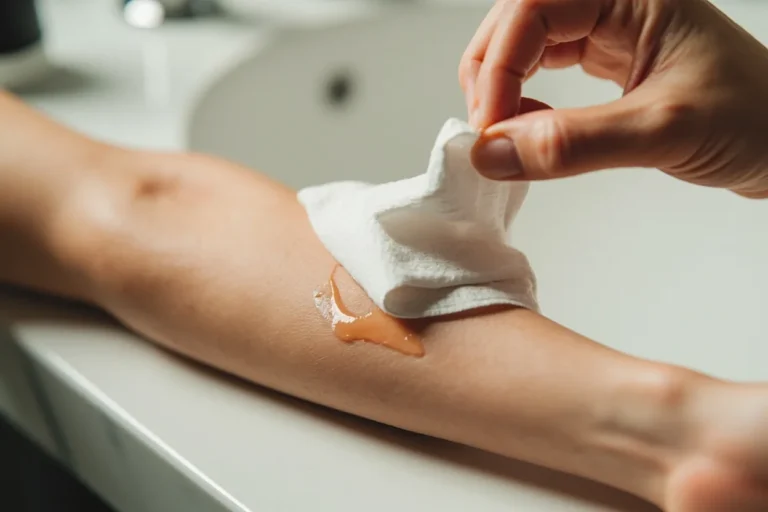
Days one through seven, your tattoo is basically a graze that goes deeper than it looks. It’s weeping plasma, forming that thin film, starting to tighten and itch. This is when water exposure is most dangerous. I wrap fresh work in second-skin or Saniderm for the first 24-72 hours depending on placement and client preference, but even with that protection, it’s not waterproof for swimming. It’s meant to breathe and manage plasma, not seal you up for a dip.
I’ve tattooed everything from delicate wrist linework to full back pieces, and the first week is universal: keep it clean, keep it dry, keep it protected from friction. No exceptions.
Week Two: Looks Can Deceive
By day ten or twelve, that tattoo might look pretty good. The surface seems closed, the shine is fading, maybe it’s even started that flaky peeling. Clients text me photos: “Looks healed, right?” I always say the same thing: looks healed isn’t is healed. The epidermis has closed, but the dermis underneath is still knitting together, still holding that ink in place. Water can penetrate that superficial barrier now and carry bacteria deep where it causes real problems. I’ve seen cellulitis from ocean exposure at day twelve. Not pretty, not cheap to treat, and the tattoo never looks the same.
Weeks Three and Four: The Home Stretch
By week three, most tattoos are through the worst. The peeling’s done, maybe some light flaking remains, the itch has backed off. But the skin is still regenerating, still building the stable environment that ink needs to sit in for decades. I tell clients: think of it like a house. The walls are up by week two, but the foundation’s still settling. Week four is when I personally feel comfortable swimming, and that’s what I recommend unless someone heals exceptionally fast with zero complications.
What If You Absolutely Must Get Wet
Life happens. Your buddy’s getting married in Cabo, your kid’s championship swim meet, you forgot you had a scuba trip booked. I get it. If you absolutely cannot avoid water exposure, here’s the harm reduction approach I give clients:
- Wait as long as humanly possible, every day matters
- Apply a thick layer of petroleum jelly before and immediately after to create a temporary barrier
- Keep exposure as brief as possible; don’t soak, don’t let water pound on the area
- Rinse with clean water immediately after, pat dry, apply fresh aftercare ointment
- Watch like a hawk for redness spreading, warmth, pus, or pain that worsens after 48 hours
But I want to be straight with you: this is damage control, not safe practice. I’ve had to redo linework on a client’s forearm because she was a bridesmaid with no choice about a beach photoshoot. The salt water and sand took out sections of a piece that had been pristine. Touch-ups cost money, and some damage can’t be touched up at all.
Signs You Waited Long Enough (or Didn’t)
Here’s how I judge readiness in my own mirror when I’ve been tattooed: the skin texture looks normal, not shiny or tight. There’s no flaking, no scabbing, no raised areas. When I run my finger across it, it feels like regular skin, not a sticker or a ridge. The color looks settled, not “too bright” in that fresh way that actually means the top layer is still too thin.
If you swim too early and something’s wrong, you’ll usually know within 24-48 hours. Spreading redness that gets worse, not better. Warmth that feels out of proportion. Yellow or green discharge. A fever. These mean you need a doctor, not more aquaphor. I can’t tell you how many times I’ve had to urge clients to urgent care because they tried to “tough out” an infection that started with a quick pool dip.
Placement Matters More Than People Think
Not all tattoos heal at the same speed, and I adjust my swimming advice based on where the work sits. A dense black patch on a calf? That area moves constantly, takes longer to settle, and sits where pants rub. I’d push that client toward four weeks easy. A simple fine-line piece on the upper arm, somewhere that doesn’t flex much and stays relatively protected? Might be solid at three weeks if they heal clean.
Color packing versus black and grey changes things too. Heavy saturation means more trauma, more plasma, longer healing. I’ve seen watercolor-style pieces with lots of skin breaks take five weeks to fully settle. Meanwhile a single needle script tattoo on a forearm might look done at two and a half. Experience teaches you to read the specific piece, not just follow a calendar.
Key Takeaways
Wait four weeks if you can. Three is your absolute minimum for most tattoos, and only if everything looks perfect. Two weeks is gambling, and anything sooner is asking to damage your investment and your skin. The cost of a touch-up, or worse, a ruined piece, is way more than the patience of staying dry. Your artist put hours into that work. Respect it enough to let it actually become part of you.
When in doubt, text your artist a photo. We genuinely don’t mind. I’d rather answer ten “is this healed?” messages than see one client back in my chair six months later asking if I can fix what the ocean took.
Frequently Asked Questions
Can I cover my tattoo with waterproof bandage and swim sooner?
Waterproof bandages aren’t reliable enough for swimming with fresh tattoos. They can leak, trap bacteria against the skin, or peel off and take scabs with them. I don’t recommend this shortcut to any of my clients, it’s not worth the risk of infection or ink loss.
Does swimming in salt water heal a tattoo faster?
Salt water doesn’t speed healing and can actually dry out and irritate fresh tattooed skin. The old “ocean heals everything” idea is a myth. I’ve seen salt water cause painful cracking and pull out ink during the peeling phase.
What if my tattoo accidentally gets splashed before two weeks?
A quick splash from washing your hands or rain isn’t the same as submerging. Pat it dry gently, don’t rub, and apply a thin layer of your aftercare ointment. Watch for any changes, but a brief water contact usually isn’t catastrophic if you dry it properly.
How do I know if my tattoo is fully healed and not just surface-healed?
Fully healed tattooed skin feels like normal skin, no shine, no tightness, no flaking, no raised areas. When you touch it, there’s no texture difference from surrounding skin. That usually takes a full month, even when the surface looks fine earlier.
Related Tattoo Guides
- How Long to Use Aquaphor on a New Tattoo
- How Long Does a Sleeve Tattoo Take? A Realistic Timeline
- How Much Is a Lip Tattoo? Real Costs in US Shops
- Explore more