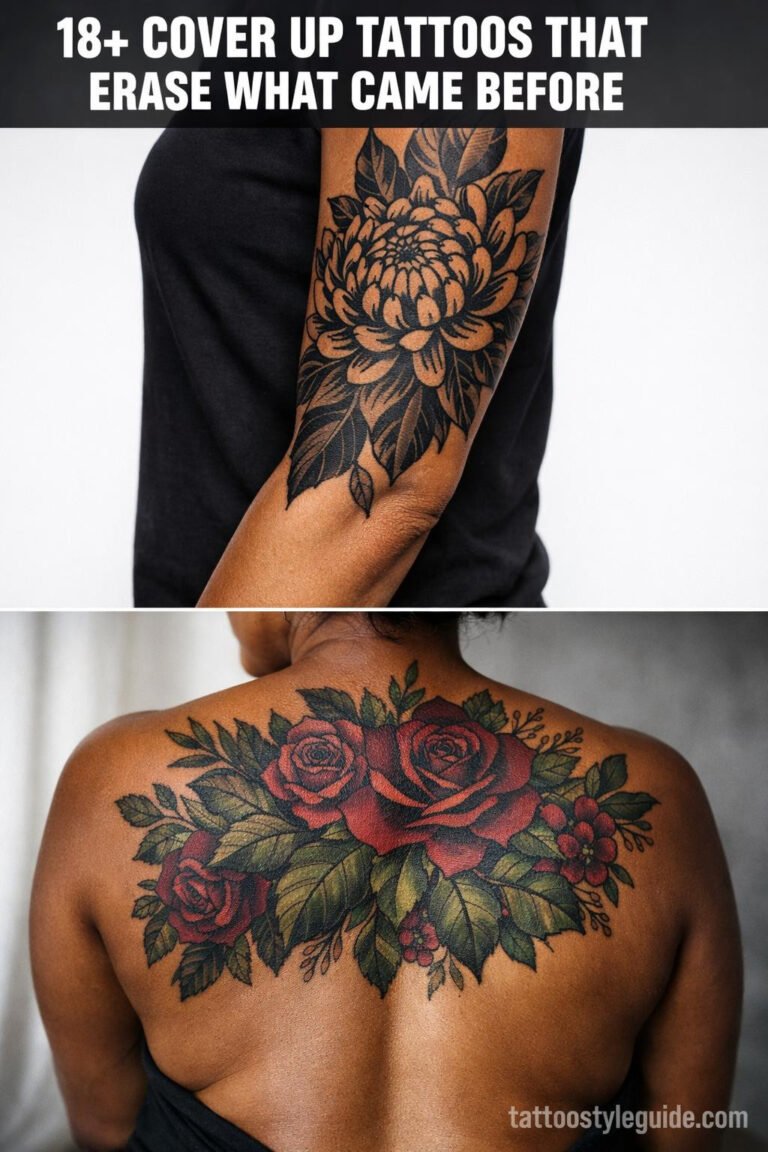
Use Aquaphor on a new tattoo for 2 to 4 days, then switch to a thin, unscented lotion. That’s the short answer I give every client before they walk out my door. Push it longer and you’ll suffocate the tattoo, trap bacteria, and probably end up with clogged pores or a breakout that ruins the healing. The timing isn’t one-size-fits-all, oily skin needs less, dry skin might stretch to day four or five, but the goal is always the same: keep it barely moist, never greasy, and let it breathe.
Why the 2-4 Day Window Matters
I’ve tattooed thousands of pieces, and I can spot an over-Aquaphored tattoo from across the room. That thick, shiny, wet-looking surface isn’t healing, it’s drowning. Your skin needs oxygen to rebuild. Aquaphor creates an occlusive barrier, which is great when plasma and ink are still oozing those first 48 hours. After that, it becomes a plastic wrap for bacteria.
The first two days, your tattoo is basically an open wound weeping plasma, excess ink, and lymph fluid. Aquaphor keeps that from drying into hard scabs that pull out color. But by day three, that weeping slows way down. The top layer of skin starts closing. Continuing to slather on petroleum jelly just traps dead skin cells and sweat against fresh ink. I’ve had clients come back at their touch-up swearing they “kept it moist like I said”, with a thick layer of Aquaphor for two weeks straight. The tattoo looked washed out and pimply underneath. Not pretty.
Reading Your Specific Tattoo
Not every piece heals the same. Here’s what changes the timeline:
- Heavy blackwork or solid fills: These weep more and longer. You might genuinely need Aquaphor through day four.
- Fine line, single needle: Less trauma, less plasma. Often ready for lotion by day two.
- Inner arm, thigh, anywhere skin touches skin: More heat and moisture buildup. Err toward switching sooner.
- Hands, feet, elbows: These move constantly and dry out fast. Some artists keep Aquaphor going a day longer, but thin layers only.
How to Actually Apply It
Most people use way too much. I demonstrate this in my chair with a fresh packet: pea-sized amount for a palm-sized tattoo. Rub it between your clean fingers until it’s nearly transparent, then gently work it over the surface. You should see the tattoo through the ointment, not a glossy oil slick.
Apply after washing with unscented soap and patting completely dry, damp skin under Aquaphor breeds problems. Three to four times daily those first two days. Then taper to twice daily as you transition to lotion. If you feel like you need more, you probably need to switch products instead of adding more goop.
The Washing Routine That Comes First
Application means nothing if you’re not cleaning properly. Here’s the sequence I tattoo onto people’s brains:
- Wash hands thoroughly first. Every time. No exceptions.
- Lukewarm water, mild unscented soap. No antibacterial soap, that stuff’s harsh and unnecessary.
- Gentle circular motions with fingertips, no washcloths or loofahs.
- Rinse completely, pat dry with clean paper towel. No bathroom towels, bacteria city.
- Wait until fully dry, then apply your thin layer of Aquaphor.
I tell clients: if you remember nothing else, remember clean and dry before anything goes on.
Signs You’re Using Aquaphor Too Long
Your tattoo will tell you. Learn to read it instead of following some rigid calendar.
Red bumps around the edges that aren’t part of the tattoo? That’s folliculitis, clogged pores from petroleum sitting too long. I’ve seen it a lot on people’s upper arms and thighs where they really laid it on thick. The tattoo itself might look cloudy or milky under the surface, not the crisp lines you walked out with. Sometimes there’s a faint sour smell. That’s bacterial overgrowth, not infection necessarily, but you’re heading the wrong direction.
Another tell: the tattoo never seems to “settle.” It stays shiny and slick instead of developing that soft, matte, healed appearance. Normal healing gets slightly dry and flaky around day four to seven. If you’re suppressing that entirely with Aquaphor, you’re interfering with the process.
If you see any of these signs, wash it off completely, let it air dry for a few hours, and switch to lotion immediately. Most of the time, it sorts itself out.
What to Switch To (And When)
Day three or four, I recommend transitioning to something water-based and breathable. Unscented Lubriderm is the old standby. Cetaphil, CeraVe, anything fragrance-free and simple. We’re talking basic moisturizer, not fancy tattoo balms with twenty ingredients.
The switch isn’t complicated. Just stop Aquaphor, start lotion. Same thin layer, same clean-and-dry rule. Continue twice daily until the tattoo is fully healed, usually two to three weeks for the surface, though deeper layers keep settling for months.
Products I Tell People to Avoid
- Neosporin or any antibiotic ointment: Allergic reactions are common, and they don’t help healing.
- Coconut oil, shea butter, cocoa butter: Natural doesn’t mean good here. Comedogenic and often contaminated with fragrance.
- Anything with fragrance or essential oils: Your open skin doesn’t need lavender or tea tree burning into it.
- Sunscreen until fully healed: Keep it covered with clothing instead. Chemical sunscreens on fresh tattoos sting and irritate.
The Realities of Healing Nobody Talks About
Healing tattoos itch. They peel like sunburn. The flakes coming off will be colorful, that’s excess ink, not your tattoo falling out. I’ve had grown adults call me panicking because their bed looked like a crime scene of black flakes on white sheets. Totally normal. Don’t pick, don’t scratch, slap some lotion on and distract yourself.
Sleep is tricky those first nights. You’ll stick to your sheets. I recommend old, clean sheets you don’t care about, and sleeping in a position that keeps the tattoo from pressing against bedding. For side pieces, a clean t-shirt wrapped around a pillow works. For back pieces, good luck, most people end up on their stomach or side for a week.
Cost-wise, aftercare is cheap. A $5 tub of Aquaphor and a $6 bottle of lotion. Compare that to a touch-up session that might run $100-300 depending on the artist. Skimping on aftercare or getting creative with products is the falsest economy in tattooing.
Pain after day two should be minimal, dull soreness, not sharp. If something feels genuinely wrong, trust that. But also know that anxiety makes every sensation louder. Most “emergencies” I get texted about at 11pm are normal healing that just looks weird when it’s your own skin.
Key Takeaways
- Aquaphor for 2-4 days maximum, then switch to unscented lotion.
- Use thin layers, barely there, not glossy.
- Clean and completely dry the tattoo before any product touches it.
- Watch for red bumps, cloudiness, or persistent slickness as signs to switch sooner.
- Healing varies by placement, skin type, and tattoo style, adjust within the window, don’t rigidly follow rules.
- Aftercare is simple and cheap; complicated routines usually cause more problems than they solve.
Frequently Asked Questions
Can I use Aquaphor for the entire healing process if my tattoo seems dry?
No, prolonged use suffocates the skin and commonly causes breakouts or cloudy healing. Switch to lotion by day four even if it feels dry; the lotion will hydrate without trapping bacteria.
What if my artist told me to use something different than Aquaphor?
Follow your artist’s specific instructions first, they know their work and your skin. But if they said “keep it moist for two weeks” without specifying product, clarify whether they mean ointment or lotion.
Is the Aquaphor in a tube better than the tub for tattoos?
The tube is more hygienic since you’re not dipping fingers into a shared container, but either works if your hands are clean. I keep single-use packets in my shop for exactly this reason.
My tattoo started scabbing before I could get Aquaphor, did I ruin it?
Hard scabs aren’t ideal but they’re not ruined. Stop picking, keep thin layers of ointment on the scab edges, and let them fall naturally. You’ll likely need a small touch-up, which most artists build into the original price.
Related Tattoo Guides
- How Long Does a Sleeve Tattoo Take? A Realistic Timeline
- How Much Is a Lip Tattoo? Real Costs in US Shops
- How Much Is It to Tattoo Eyebrows? A Realistic Cost Guide
- Explore more