Short answer: probably not. Most health insurance plans in the US won’t cover tattoo removal because it’s considered a cosmetic procedure. I’ve had clients walk into my shop assuming their plan would handle it, only to get hit with a $3,000+ surprise. That said, there are narrow exceptions, certain medical necessity cases, some employer-sponsored plans with specific riders, and a handful of state programs for particular situations. This guide breaks down what actually determines coverage, what removal really costs, how it feels, and what I’ve learned watching hundreds of clients go through the process.
When Insurance Might Actually Pay
Insurance covering tattoo removal is rare, but it happens. I’ve seen two clients in fifteen years get partial coverage, and both had very specific circumstances.
Medical Necessity Exceptions
Some plans cover removal when a tattoo directly interferes with medical treatment or diagnosis. Think: a tattoo covering a mole that needs monitoring for skin cancer, or ink that’s causing a severe allergic reaction documented by a dermatologist. One of my regulars got coverage after developing a granulomatous reaction, basically his body started attacking the red ink, creating painful raised bumps. His dermatologist wrote a letter stating removal was medically necessary to stop the inflammatory response. Even then, his insurer only covered 60% after a lengthy appeals process.
Trauma-related tattoos sometimes qualify too. Gang-related or human trafficking branding tattoos have received coverage through victim compensation programs in states like California and New York. Military veterans with service-connected tattoos that cause documented psychological distress have occasionally secured VA coverage, though the process is grueling.
Plan-Specific Riders and HSAs
A few premium employer plans include cosmetic procedure riders. I’ve never met anyone with one, but they exist, usually at tech companies competing for talent. More realistically, you might use HSA or FSA funds for removal if you secure a Letter of Medical Necessity from a physician. This doesn’t make it “covered,” but it lets you use pre-tax dollars, which softens the blow.
- Call your insurer and ask specifically about “cosmetic exclusion exceptions”
- Document any physical symptoms: photos of reactions, dermatologist notes, pain journals
- Ask about victim compensation programs if the tattoo was forced or coerced
- Check if your employer’s EAP offers any mental health-related cosmetic referrals
What Removal Actually Costs Without Coverage
Most people paying out-of-pocket underestimate by half. I’ve watched clients budget for four sessions when they need twelve. Here’s the reality from what I’ve seen in my chair and heard back from clients.
Per-Session Pricing Factors
Size matters, but so does location and color. A dense black tribal band on a forearm, easy. A watercolor piece with yellow and white highlights on a foot? Brutal. Black ink absorbs laser wavelengths best; yellow, green, and fluorescent inks fight back. Session costs typically run $200-$500 for palm-sized pieces, $500-$1,500 for half-sleeve coverage. I’ve seen full back pieces quoted at $10,000+ total.
Geography hits hard too. My shop’s in a mid-sized city; clients who’ve moved from San Francisco tell me prices there ran 40% higher for comparable work. Rural areas sometimes lack qualified providers entirely, forcing travel costs on top.
The Session Math Nobody Explains
Amateur tattoos often need 3-6 sessions. Professional work? 8-15 is standard. I’ve got a client on session eleven for a dense black-and-grey sleeve, and we’re guessing three more. Sessions get spaced 6-8 weeks apart for skin recovery. That means a year-plus commitment for most significant pieces. Providers sometimes sell packages, pay for eight upfront, get two free, but I’ve heard horror stories of shops closing mid-treatment, package money gone.
- Budget for 50% more sessions than your provider’s minimum estimate
- Ask what happens to prepaid packages if the business closes or you relocate
- Factor in aftercare supplies: medical-grade silicone gel, sunblock, loose clothing
- Consider that complete removal is rare; “significant fading” is the realistic goal
How It Actually Feels (And What Healing Looks Like)
I tattoo through pain daily, so clients ask me constantly about removal discomfort. I always tell them: it’s different, and usually worse.
The Sensation Reality
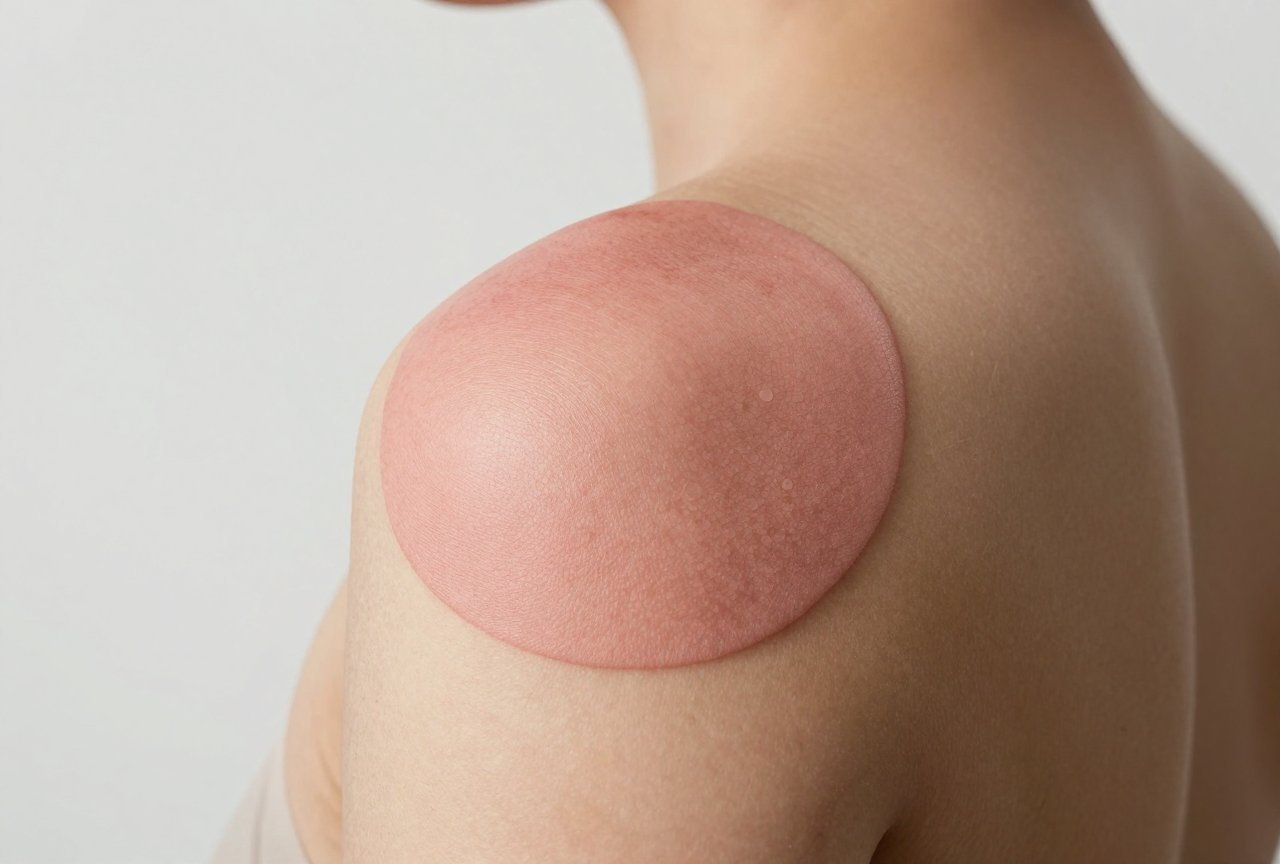
Clients describe laser removal as hot rubber bands snapping, repeatedly, into already-sensitized skin. Some say it’s sharper than tattooing; others say it’s more diffuse and burning. Numbing cream helps marginally. I’ve had tough guys tap out on small pieces, and quiet clients sit through full sleeves. There’s no predicting it. What I do know: the area swells immediately, often dramatically. A forearm piece can puff to sausage proportions for 48 hours. Blisters form within hours, clear fluid-filled, sometimes blood-tinged. They look alarming. They usually are.
The Healing Timeline
Days 1-3: swelling, redness, potential blistering. Days 4-10: blisters break or get absorbed, scabbing begins. Weeks 2-6: skin looks raw, shiny, possibly hypopigmented (lighter than surrounding skin). Months 3-6: pigment either continues fading or settles into ghosted remnants. I’ve seen clients heal beautifully and others develop raised hypertrophic scarring that looks worse than the original tattoo. Sun exposure during healing is devastating, hyperpigmentation turns temporary marks permanent.
We see this a lot in summer: clients who couldn’t hide a healing removal from beach trips, who tanned the area, who now have permanent dark outlines where the tattoo used to be. I tell everyone considering removal: plan it for fall or winter, when you can cover up for months.
- Don’t pick blisters or scabs, this is where scarring happens
- Keep the area out of sun completely for six weeks minimum post-session
- Expect the tattoo to look worse before it looks better; fading happens over months, not days
- Contact your provider immediately if you see signs of infection: spreading redness, pus, fever
Alternatives Worth Considering
Not everyone needs full removal. I’ve talked hundreds of clients through options that cost less, hurt less, and sometimes satisfy the goal better.
Cover-Up Tattoos
A skilled artist can work magic. I’ve covered names, small tribals, faded pieces with fresh designs that incorporate and transform the old ink. Cost: often $500-$2,000 versus $3,000-$10,000+ for removal. Pain: tattoo-level, which you already know. Time: one to three sessions versus a year-plus. The catch: you need a new tattoo, not bare skin. And cover-ups require compromise, your dream design might not work over existing ink. I always do a consultation with a light source behind the old tattoo to show clients exactly what we’re working with.
Surgical Excision and Fading
For tiny tattoos, finger dots, wrist words, surgical excision removes the skin entirely. Leaves a scar, but a thin line sometimes preferable to ink. I’ve sent clients to dermatologic surgeons for this when the tattoo was truly small and in a location where scar camouflage works.
“Fading”, partial laser removal to lighten ink before a cover-up, is increasingly popular. Fewer sessions, less cost, better canvas for the new piece. I’ve collaborated with removal providers on this; it’s smart strategy when the client wants new art, not blank skin.
- Consult a cover-up specialist before committing to removal, get both perspectives
- Ask removal providers about “fading only” packages if you plan to tattoo over the area
- Consider whether your goal is “no tattoo” or “different tattoo”, the path changes completely
Choosing a Provider (And Red Flags)
The tattoo removal industry has exploded, and not everyone with a laser should have one. I’ve seen burns, permanent scarring, and ink that turned strange colors from improper wavelengths.
Look for providers who use Q-switched or picosecond lasers, Nd:YAG for darker skin tones, Alexandrite or Ruby for lighter skin with black ink. Ask how long they’ve operated, how many removals they’ve performed, whether they have before/after photos of healed results (not just immediately post-session). Be wary of Groupon deals, pressure to buy large packages, or anyone who guarantees complete removal.
In my chair, I’ve heard the horror stories: the med-spa that burned a client’s ankle because they used settings for fair skin on her medium-brown tone. The place that sold a twelve-session package then closed three months later. The provider who treated a tattoo too aggressively, causing permanent textural change. Your skin’s worth more than a bargain.
- Verify the specific laser model and why it’s appropriate for your skin type and ink colors
- Ask about their protocol for adverse reactions, do they have physician backup?
- Request to speak with a former client with similar skin tone and tattoo characteristics
- Trust your gut: high-pressure sales tactics belong in used car lots, not medical aesthetics
Key Takeaways
Insurance covering tattoo removal is the exception, not the rule. Expect to pay out-of-pocket, budget generously, and plan for a multi-month process with genuine discomfort and unpredictable healing. Before committing to full removal, explore whether cover-up or partial fading better serves your actual goal. Choose providers based on equipment specificity, experience volume, and transparent communication, not price or promises. And if you’re doing this, start in fall: your future self will thank you when summer comes and you’re not trying to hide blistered, healing skin.
I’ve tattooed over removals, removed nothing myself, and watched this industry grow from sketchy back-room operations to legitimate medical-adjacent practice. The technology’s better than ever, but it’s still imperfect, expensive, and demanding. Go in with realistic expectations, protect your skin like the valuable organ it is, and never let anyone rush you into a decision that takes years to undo.
Frequently Asked Questions
Can I use my HSA or FSA for tattoo removal if insurance won’t cover it?
Sometimes. With a Letter of Medical Necessity from a physician, documenting conditions like allergic reactions or interference with medical monitoring, you can use HSA or FSA funds. Without that letter, it’s considered a cosmetic expense and won’t qualify. Check with your plan administrator for their specific requirements.
Does tattoo removal hurt more than getting the original tattoo?
Most clients say yes, and the pain quality differs. Laser removal feels like intense heat with snapping sensations, and the aftermath, swelling, blistering, raw skin, lasts longer than tattoo healing. Individual pain tolerance varies enormously, but don’t expect an easier experience than the original tattoo session.
Will my tattoo be completely gone after laser removal?
Complete removal is uncommon. Most people achieve significant fading, with some ink ghosting remaining. White and yellow inks are particularly stubborn. Factors include ink density, depth, colors used, your skin type, and your immune system’s ability to flush broken-down pigment. Providers should discuss realistic outcomes, not guarantees.
What happens if I need to stop removal sessions partway through?
You’ll have a partially faded tattoo that may look patchy or ghosted. There’s no health risk to stopping, but the aesthetic result can be awkward. This is why I counsel clients to be certain about their commitment and budget before starting, unlike tattoos, you can’t just “live with” a half-removed piece indefinitely.
Related Tattoo Guides
- How Much Does a Tattoo Usually Cost? A Real Shop Guide
- How to Get Tattoo Certified: A Working Artist s Guide
- Tattoo Removal in Los Angeles: What Artists Want You to Know
- Explore more