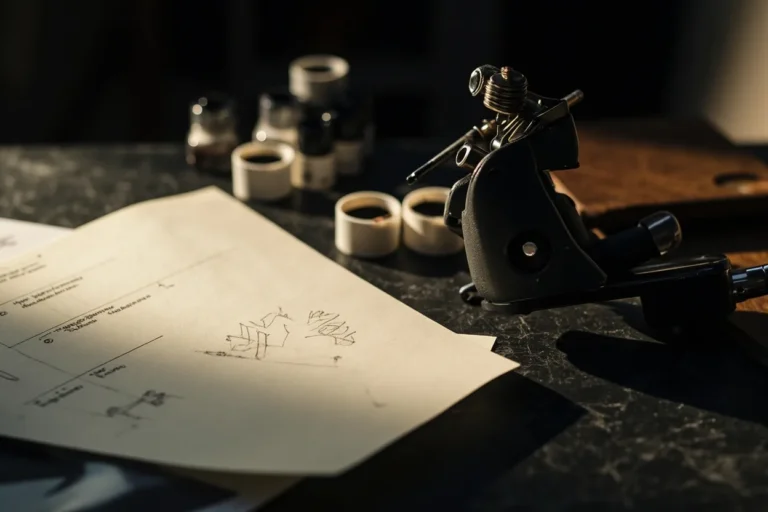
Blot it immediately. Don’t rub. Tattoo ink is pigment suspended in a carrier, usually alcohol, glycerin, or witch hazel, and it wants to bond with carpet fibers the second it hits. The faster you move, the better your chances. I’ve watched bottles of Intenze or Eternal fly off trays during busy Saturdays, and I’ve learned that panic helps nobody. Cold water, rubbing alcohol, and patience save more carpets than any “miracle” cleaner ever will.
What You’re Actually Dealing With
Tattoo ink isn’t like ballpoint pen ink or even printer ink. It’s designed to stay put in human skin through years of sun exposure, sweat, and cellular turnover. That same tenacity works against you on carpet. Most professional inks use organic pigments (carbon black, various metal oxides for colors) suspended in a carrier fluid. The carrier evaporates or absorbs quickly, leaving pigment particles lodged deep in fibers.
Why Color Matters
Black ink is usually carbon-based and often the easiest to lift if you catch it fresh. Colors are trickier, reds can contain mercury sulfide derivatives, yellows and oranges often have cadmium compounds, whites frequently use titanium dioxide. These don’t just “wash out.” I’ve seen a spilled cap of bright yellow stain a shop carpet for years because someone tried hot water first and set it permanently.
The Carrier Factor
Check your ink bottle. If the carrier is alcohol-based, you’ve got a small window before evaporation locks the pigment in. Glycerin-based carriers buy you a few more minutes. Either way, speed beats everything.
What You’ll Need
- White paper towels or clean white cloths (white so you can see the transfer)
- Rubbing alcohol (70% or 90% isopropyl, higher percentage works faster)
- Dish soap (Dawn or similar degreaser)
- Cold water
- Spray bottle
- Soft-bristle brush (old toothbrush works)
- Shop vacuum or wet/dry vac if you have one
- Baking soda (for lingering moisture)
Avoid: hot water, steam cleaners, bleach on colored carpets, and scrubbing aggressively. Heat sets tattoo ink. I learned this the hard way in my first shop when I grabbed a steam cleaner and permanently memorialized a black spill in our grey industrial carpet.
Step-by-Step: The Method That Works
Step 1: Blot, Don’t Rub
Press straight down with paper towels. Lift straight up. Repeat with fresh towels until you’ve pulled up everything that will transfer. Rubbing spreads the stain and drives pigment deeper. I’ve watched apprentices make a dime-sized drop into a dinner plate because they panicked and scrubbed.
Step 2: Alcohol Application
Pour rubbing alcohol directly onto the stain, enough to saturate the carpet fibers to the pad. Wait 30 seconds. Blot again with fresh towels. You should see ink transferring to the towel. Keep rotating to clean sections of towel. This is where most of the pigment lifts. I’ve done this on shop carpet at 2 AM after a long session, and the relief when that black stops spreading is real.
Step 3: Soap and Cold Water
Mix a tablespoon of dish soap in two cups of cold water. Spray or pour onto the area. Work gently with your soft brush in small circles, then blot again. The soap breaks down remaining carrier oils and lifts suspended pigment. Cold water keeps everything loose; hot water cooks it in.
Step 4: Rinse and Extract
Plain cold water, sprayed lightly. Blot repeatedly. If you have a wet/dry vacuum, use it here to pull dirty water out of the pad. Otherwise, stack weighted towels over the spot and let them absorb for an hour. I’ve used a five-gallon bucket filled with scrap iron weights, whatever’s heavy and clean.
Step 5: Dry Thoroughly
Speed-dry with a fan. Sprinkle baking soda to absorb residual moisture and odor, vacuum after it’s dry. Lingering moisture breeds mold, and no carpet stain is worth that particular shop smell.
When It’s Already Dry
Dried tattoo ink is a different beast. Rehydrate it first with glycerin or even hand lotion, let it sit 15 minutes. Then proceed with alcohol. You may need multiple cycles. Some pigments, especially certain reds and greens, oxidize and chemically bond with carpet fibers over time. I’ve seen 10-year-old shop carpets where every spill tells a story, and some stories don’t wash out.
For truly set stains, a carpet cleaner with enzymatic action can help break down organic components. Test in a corner first. Some cleaners react badly with synthetic carpet fibers.
Prevention: Lessons from Real Shops
After 15 years of tattooing, I’ve developed some habits that keep ink off carpet entirely.
- Work over hard surfaces near carpeted areas. We put plastic sheeting under every station that rolls near our shop’s one carpeted waiting area.
- Keep caps in stable holders, not loose on armrests. I use weighted magnetic trays now, worth every penny.
- Transfer ink with pipettes, not by pouring. Less splash, more control.
- Keep a “spill kit” visible: alcohol, towels, spray bottle. Everyone in the shop knows where it lives.
- Consider carpet protection film for high-risk areas. Peels up, throws away, no drama.
We see this a lot in home studios too, artists working out of apartments with beige landlord carpet. That stress isn’t worth it. A $50 sheet of commercial vinyl flooring laid over your work zone pays for itself the first near-miss.
What About Clothing and Skin?
While you’re here, tattoo ink on skin washes off with soap and time; it’s not the same as a tattoo needle depositing pigment below the epidermis. On clothing, the same alcohol-and-cold-water method works, though whites may need oxygen bleach. I tell clients who get ink on their fresh bandages not to worry; it’s surface staining, not a second tattoo.
Speaking of which, if you’re dealing with a fresh tattoo and worried about aftercare, the basics are simple: keep it clean, don’t pick, moisturize with something fragrance-free, and stay out of pools and direct sun while healing. Pain varies by placement, ribs and feet wake people up, outer arms and thighs usually don’t. Cost depends on artist skill, time, and location, not some magic formula. Shop around, look at healed work, and trust your gut on hygiene standards.
Key Takeaways
- Speed matters more than any product, blot immediately, never rub
- Rubbing alcohol is your first and best tool for fresh spills
- Cold water only; heat sets tattoo ink permanently
- Dish soap handles the carrier oils alcohol misses
- Thorough drying prevents secondary damage
- Prevention beats cleanup every time, protect your work zones
- Dry old stains need rehydration and patience; some may be permanent
I’ve mopped up more ink than I care to remember, and I’ve learned that calm hands and the right sequence beat expensive products every time. Your carpet’s not doomed. Work the steps, accept that some battle scars stay, and keep your caps stable.
Frequently Asked Questions
Can I use hydrogen peroxide instead of rubbing alcohol on carpet ink stains?
Hydrogen peroxide can work on very light carpets but risks bleaching or discoloring darker fibers. I stick with rubbing alcohol because it’s predictable and doesn’t shift carpet dye. Test anything in a hidden corner first.
Will a tattoo ink stain come out completely, or should I expect some shadow left behind?
Fresh black ink on light carpet often lifts fully with proper technique. Colors, especially yellows and certain reds, and any stain that’s been heated or left for days, frequently leave a ghost. I’ve accepted that some shop carpets carry permanent history.
Is tattoo ink toxic if my pet walks on the spill before I clean it?
Modern professional inks are generally non-toxic once dry, but the carrier fluids and pigments aren’t meant for ingestion. Keep pets away until you’ve fully cleaned and dried the area. I don’t let my shop dog near stations for this reason.
Can I use this same method for ink spilled on hardwood or tile?
Hard surfaces are actually easier, wipe immediately, then hit with alcohol and a degreasing cleaner. The real danger is ink seeping into grout or unfinished wood grain. On those, speed matters even more than on carpet.
Related Tattoo Guides
- Why You Shouldn t Build a Homemade Tattoo Gun
- How to Make a Temporary Tattoo at Home: A Real Guide
- How to Make Homemade Tattoo Ink: A Realistic Guide
- Explore more