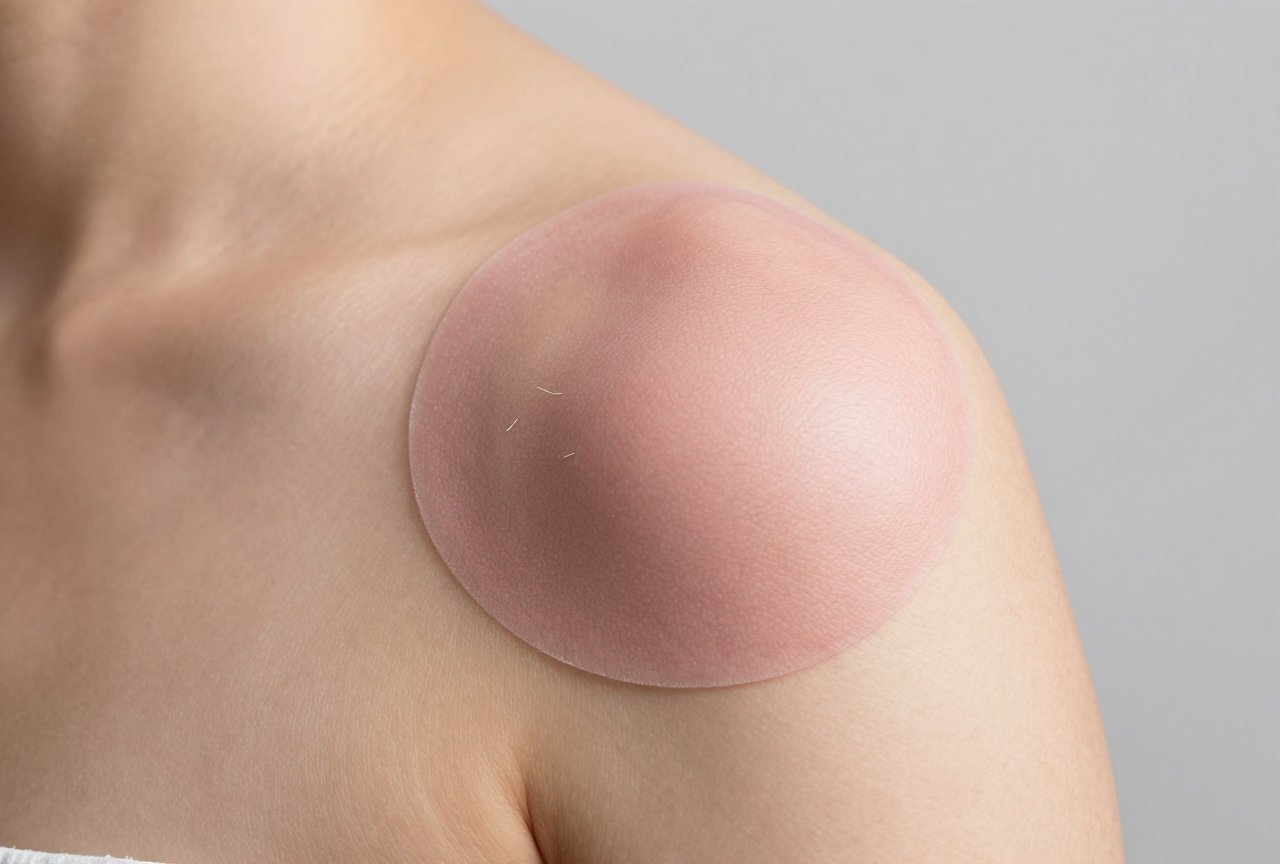
Swelling after a tattoo is completely normal. Your skin just took thousands of needle punctures; it’s going to puff up, feel warm, and look angry for a bit. Most swelling peaks around 24-48 hours, then starts to settle. I’ve had clients walk back in day two looking panicked about their blown-up forearm, and I always tell them: breathe, keep it raised, ice it right, and give it another day. Here’s everything I’ve learned in my chair about keeping swelling manageable and knowing what’s typical versus what needs a closer look.
Why Tattoos Swell in the First Place
Your immune system doesn’t care that you paid for this art. It sees trauma and responds with inflammation. Blood rushes to the area, plasma leaks into surrounding tissue, and you get that puffy, tender look. The more saturated the ink, the more work your body thinks it needs to do. I’ve done solid black sleeves where the whole arm looked like a sausage by evening, and fine-line single-needle pieces that barely raised a welt.
Placement Makes a Huge Difference
Some spots swell like crazy. Feet and ankles? Gravity pulls fluid down, so they balloon. Hands and fingers? Thin skin, lots of movement, constant puffing. I’ve tattooed knees that looked like softballs by midnight. Inner biceps and thighs can hide swelling better but still get tender. Ribs and sternum usually don’t swell as dramatically, but they bruise more. Everyone’s anatomy is different, and I always warn clients about their specific spot before they leave my station.
Your Body’s Own Variables
- Skin thickness: Thinner skin swells faster and shows more distortion.
- Hydration level: Dehydrated skin is cranky skin; it holds onto inflammation longer.
- Alcohol or caffeine before the session: Both thin blood and worsen swelling. I can always tell who hit the bar the night before.
- Existing conditions: If you tend to swell from mosquito bites or minor cuts, expect more tattoo puffiness. No shame in it, just plan accordingly.
The First 24 Hours: What Actually Works
This is when you have the most control. I wrap every fresh tattoo in a breathable bandage or second-skin film, and I tell clients: leave it on for the time I specify, usually 3-6 hours for traditional wrap or 1-3 days for film. Don’t peel it early because you’re curious. The wrap protects against bacteria and keeps the area slightly compressed, which actually helps limit initial swelling.
Ice, But Do It Right
Never put ice directly on a fresh tattoo. I repeat: never. The ink is still settling, and direct freezing can damage tissue and affect how color holds. Wrap ice in a clean cloth or use a gel pack with a thin towel barrier. Ten to fifteen minutes on, same off. Repeat. I had a client once stick a frozen steak on her new thigh piece because she saw it in a movie. Don’t be that person. She came back with patchy healing and a story I still tell.
Raising the Limb: Underrated
Keep the tattooed area raised above your heart when possible. Leg piece? Prop it on pillows. Arm work? Rest it on the back of the couch. Gravity is free and it works. I tattooed a guy’s entire calf, and he spent his first two nights sleeping reclined with his leg stacked on every pillow he owned. Swelling was minimal by day three. Compare that to the client who went straight to a standing job after a foot tattoo. She called me in a panic that evening.
Days 2-5: Managing the Peak and the Plateau
This is when most people worry. The tattoo might look worse before it looks better. Plasma and ink mix into that weird shiny layer. The edges soften from fluid. It’s normal. Keep washing gently with unscented soap, pat dry with paper towels (never fabric towels; they’re bacteria hotels), and apply a thin layer of recommended aftercare.
What to Avoid During Peak Swelling
- Tight clothing or jewelry: Compression can trap fluid and cause blowouts in the healing ink. I once saw a ring indent permanently into a swollen finger tattoo.
- Heat: Hot showers feel good but increase blood flow and swelling. Keep water lukewarm.
- Strenuous exercise: Pumping blood to the area makes it puff more. Light walking is fine; CrossFit can wait.
- Alcohol: It dilates blood vessels. Save the celebration drinks for after you’re healed.
When Swelling Starts to Drop
You’ll notice it first in the mornings after sleeping raised. The skin will feel less tight, less hot to touch. By day four or five, most tattoos have settled into the flaky, itchy phase rather than the puffy phase. If you’re still ballooning past day five, that’s worth a conversation.
Long-Term Healing: Swelling’s Aftermath
Even after the obvious puff fades, your tattoo isn’t done. The deeper layers are still organizing ink, still sending immune cells to patrol. I tell clients that the real settling happens over weeks, not days. Colors look dull during healing, then brighten. Lines that seemed blurry from swelling sharpen up. I’ve had people message me two weeks post-session convinced their artist blew out every line. Patience. It’s almost always fluid distortion, not permanent damage.
How Line Work vs. Shading Heals Differently
Bold lines hold up to swelling better because the ink sits dense and compact. Soft shading and color packing are more vulnerable to fluid distortion. A black-and-grey portrait might look muddy for a week while a traditional American outline stays readable. Watercolor styles with light washes? They’re the most dramatic during swelling; I’ve seen clients tear up thinking their piece was ruined. It wasn’t. The subtle tones just need time to reassert themselves.
Red Flags: When Swelling Isn’t Normal
I’m not a doctor, and I won’t diagnose anyone. But I know what I see in shops, and I know when to send someone to urgent care. Swelling that spreads far beyond the tattooed area, especially with red streaking, needs professional eyes. Fever with a hot, throbbing tattoo is another sign to get checked. We see this a lot with clients who went swimming too early or let their dog sleep on the fresh piece.
Green or yellow pus, not the clear plasma we expect, is concerning. So is swelling that gets worse after day five instead of better. Most of the time, it’s just aggressive healing. Sometimes it’s not. When in doubt, call your artist first. We know what our work should look like, and we can tell you if it’s within normal range or if you need a clinic.
Key Takeaways
- Swelling is normal and expected; it peaks at 24-48 hours and fades by day 5 for most tattoos.
- Use wrapped ice in short intervals, never direct contact, and raise the tattooed area whenever possible.
- Keep the area clean, lightly moisturized, and protected from tight clothing, heat, and strenuous activity early on.
- Line-heavy tattoos handle swelling better than soft shading or watercolor; trust the process and don’t judge the final result too early.
- Contact your artist or seek medical attention if swelling spreads, worsens after day five, or comes with fever, red streaking, or unusual discharge.
Frequently Asked Questions
Can I take ibuprofen for tattoo swelling?
Most artists recommend avoiding ibuprofen and aspirin before and immediately after your session since they thin blood and can increase bleeding. After the first day, some clients use it for comfort, but always check with your artist first since policies vary.
Why does my tattoo look distorted when it’s swollen?
Fluid under the skin temporarily stretches and warps the surface, so lines can look wavy and colors muddy. This is almost always temporary; the true appearance settles as the swelling goes down over several days.
Is it okay to sleep with my tattoo wrapped to reduce swelling?
Follow your artist’s specific instructions. Some wraps are designed for overnight wear, but traditional plastic wrap should never be left on too long since it traps moisture and bacteria against the skin.
Does tattoo size affect how much swelling I get?
Larger pieces and areas with heavy saturation generally swell more because there’s more trauma to the skin, but even small tattoos can puff up significantly depending on placement and your individual response.
Related Tattoo Guides
- How to Remove Eyebrow Tattoo: A Complete Guide
- How Much Does a Chest Tattoo Cost? A Real Shop Breakdown
- How to Assemble a Tattoo Gun: A Working Artist s Guide
- Explore more