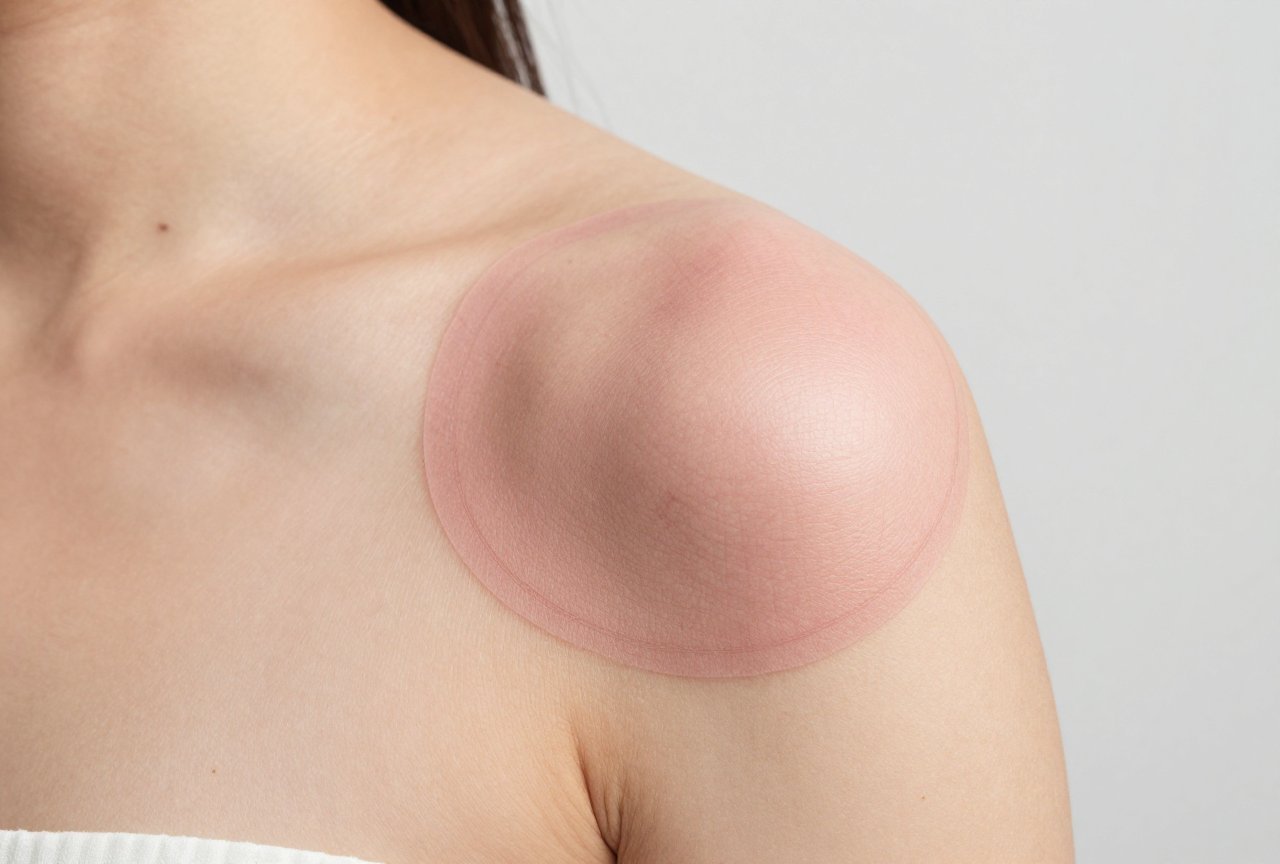
No. A tattoo cannot fully heal in one week. I’ve been in this trade long enough to watch thousands of pieces go from raw and weeping to settled into skin, and seven days is only the very beginning of that journey. By day seven, you’re usually past the worst of the oozing and the intense tenderness, but the skin hasn’t finished rebuilding. The surface might look closed, but underneath, your body is still locking that ink in place. Rush it, and you’ll pay for it later with patchy color or faded lines.
What “Healed” Actually Means
Clients use “healed” like it’s one switch that flips. In my chair, I break it down into stages because it changes what you can and can’t do with your fresh piece. The surface can look fine while the deeper layers are still knitting together, and that gap is where people get themselves into trouble.
Surface vs. Deep Healing
The outer layer of skin, that epidermis, closes up relatively fast. I’ve seen smaller tattoos, especially linework on forearms or upper arms where the skin is thicker, look pretty normal by day five or six. No more plasma, no more that shiny wet look. But the dermis, where the ink actually lives, is still organizing itself. Collagen is forming, macrophages are still processing pigment, and the whole structure is settling. That deeper work takes weeks, sometimes longer for big saturated pieces.
Think of it like a cut that looks closed but still hurts when you press it. The gate is shut, but the construction crew is still inside.
Why the Timeline Varies
- Placement: A thin line tattoo on your outer bicep heals faster than a solid black fill on your ankle or foot. Those areas move more, rub against shoes, and get less blood flow.
- Size and saturation: Heavy blackwork or large color fields do more damage to the skin and need more repair time. I’ve watched a small single-needle script piece calm down in ten days, while a full palm-sized traditional piece with bold lines and solid fills took three weeks to really settle.
- Your body: Age, immune health, sleep quality, stress levels, they all show up in how your skin rebounds. I can usually tell by day two whether someone’s going to be an easy heal or a slow one.
- Aftercare discipline: The people who follow instructions tend to heal faster and cleaner. The ones who “dry heal” because some TikTok told them to, or who let their new piece bake under a gym shirt for three hours, tend to call the shop with problems.
What Week One Actually Looks Like
Day one, your tattoo is essentially an open wound wrapped in plasma and ink. We bandage you up, send you home with instructions, and I always tell people: the first three days are the most critical and the most annoying. Here’s what typically unfolds.
Days 1-3: The Raw Phase
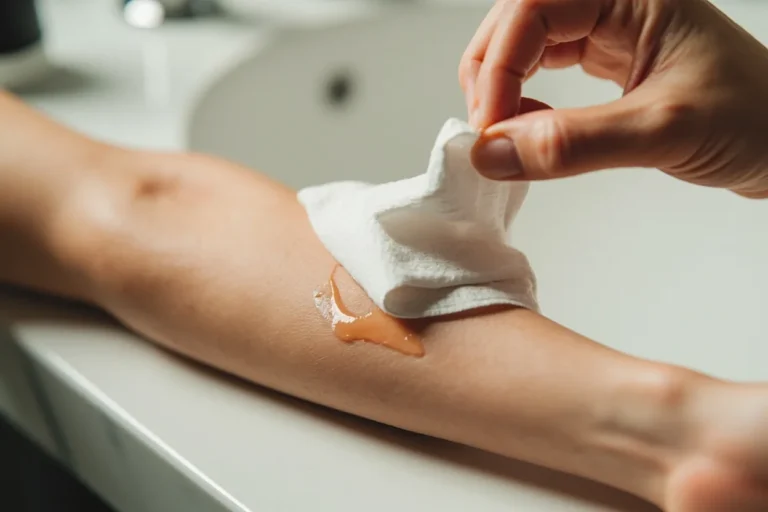
Plasma, ink, and a little blood seep out. The area feels hot, tight, and sore like a bad sunburn. Some people swell, especially around joints or anywhere below the heart. I had a client once whose new calf piece blew up so much his sock left an imprint. That’s normal, but uncomfortable. You’re washing it gently, patting dry, applying a thin layer of recommended aftercare, and keeping it protected from friction.
The temptation here is to over-moisturize. I see this constantly. Slathering on thick ointment traps bacteria and suffocates the skin. Thin layer, barely shiny. That’s the rule.
Days 4-7: The Peeling and Itching
By mid-week, the top layer starts to flake and peel. It looks terrible. Dry, cracked, ash-colored skin coming off in tiny sheets. Underneath, the tattoo looks muted and gray, not bold. This freaks people out. I get texts with photos: “Is it fading?” It’s not. The ink is under that dead skin, and once it sheds, the color comes back up.
Itching starts around day five for most people. This is where discipline gets tested. Scratching, picking, or helping flakes along with your fingernails pulls ink out with the skin. I’ve touched up pieces where I could literally see the fingerprint-shaped scar where someone couldn’t leave it alone.
By day seven, the surface often looks mostly closed. No more weeping, reduced redness, maybe still some light flaking at the edges. But the skin is still fragile. A hot shower, a gym session with heavy sweating, or a few hours in direct sun can set you back.
What Can Go Wrong If You Rush It
We see this a lot in busy shops. Client goes on vacation, gets a piece, and by day six thinks they’re good to swim. Or they hit the gym because “it looks fine now.” The consequences range from minor annoyance to real damage.
- Infection: Submerging a week-old tattoo in a pool, hot tub, or ocean introduces bacteria before the barrier is fully restored. I’ve seen red streaks, pus, and swelling that required medical attention. Not common, but entirely preventable.
- Ink dropout: Premature sun exposure, friction from tight clothing, or picking at scabs pulls pigment out before it’s locked in. The result is patchy color, blown lines, or areas that need significant touch-up work.
- Prolonged irritation: Even if you don’t get an infection, irritating the skin during week one can trigger a longer inflammatory response. The tattoo stays raised, itchy, and uncomfortable for weeks instead of days.
Touch-ups cost time and money. Most shops will do minor ones within a window, but if the damage is from clear neglect, artists remember. We talk about it in the break room.
Aftercare That Respects the Real Timeline
I don’t subscribe to one rigid method. Different artists swear by different approaches, and skin varies. But the fundamentals hold across most real shop practices.
- Keep it clean: Mild, fragrance-free soap, lukewarm water, clean hands. No scrubbing, no loofahs, no letting your shower blast directly on it for ten minutes.
- Moisture balance: Too dry, and you get thick scabs that crack and pull ink. Too wet, and you macerate the skin and breed bacteria. Thin layer, let it breathe. Switch from ointment to unscented lotion as the peeling starts.
- Protect from sun and friction: Loose clothing over the area. No direct sun for at least two weeks, ideally longer. UV on fresh tattooed skin is like pointing a laser at wet paint.
- Hold off on submersion: No baths, hot tubs, pools, or ocean swimming until the surface is fully closed and the peeling is done. For most people, that’s two to three weeks minimum.
- Skip the gym strategically: If your tattoo is somewhere that gets rubbed by equipment or soaked in sweat, give it extra time. I’ve had clients ruin chest pieces on the bench press because they couldn’t wait ten days.
When to Contact Your Artist
Some reactions are normal. Others warrant a call. We don’t mind. I’d rather get a text with a photo than see someone in my chair six months later with a fixable problem that became permanent.
Call or message if you see: spreading redness that gets worse after day three, yellow or green discharge, fever, red streaks radiating from the tattoo, or areas where the skin seems to be rejecting ink in raised, bumpy patches. That last one can be an allergy or sensitivity to a particular pigment, and we need to know about it for future work.
Normal stuff that doesn’t need panic: mild warmth for a few days, localized swelling, flaking, itching, and the tattoo looking dull during the peeling phase. I’ve had clients cry because they thought their piece was ruined on day six. It’s almost always fine. Breathe.
Key Takeaways
A week gets you through the surface drama, not the full rebuild. Your tattoo might look presentable by day seven, but the skin underneath is still securing that ink for the long haul. Respect the process, keep it clean and protected, and don’t let the closed surface fool you into thinking you’re bulletproof. The clients with the best-looking tattoos five years later are the ones who were patient in week one. I’ve tattooed long enough to know: the art is only half the equation. How you care for it afterward determines whether it stays bold or becomes a blurry reminder of impatience.
Frequently Asked Questions
Why does my tattoo look faded after the first week of peeling?
The dead skin sitting on top acts like a veil. Once it fully sheds, the ink underneath becomes visible again. This is completely normal and not actual fading.
Can I work out if my week-old tattoo seems fine?
It’s better to wait. Sweat, friction from clothing, and stretching the skin can irritate the area and pull out ink before it’s settled. Most artists suggest ten to fourteen days for workouts involving the tattooed area.
Is it normal for my tattoo to still be slightly raised after seven days?
Yes, mild raised areas are common as the skin continues to heal. If it stays raised beyond three weeks or becomes itchy and bumpy, contact your artist to rule out irritation or sensitivity.
How do I know when my tattoo is actually fully healed?
The skin should feel smooth and normal to the touch, with no more peeling, flaking, or shininess. The colors look settled and bold. For most pieces, this takes two to four weeks, though larger or more saturated work can take longer.
Related Tattoo Guides
- Can You Get Tattooed While Another Is Healing?
- Does an Ear Tattoo Hurt? A Real Tattoo Artist s Guide
- Does Color Tattoo Hurt More Than Black and Grey?
- Explore more