You need to wait 2 to 4 weeks before swimming after getting a tattoo. I know that’s not what you want to hear if you’re staring at a beach vacation or pool party, but it’s the truth every working artist will give you. Two weeks is the absolute minimum for a small, simple piece that’s healing clean. Four weeks is safer for larger work, heavy shading, or if you’re prone to slow healing. I’ve tattooed enough people who “forgot” this rule to know the regret is real, faded color, blown lines, infections that turn a $400 piece into a cover-up conversation.
Why Water Ruins a Fresh Tattoo
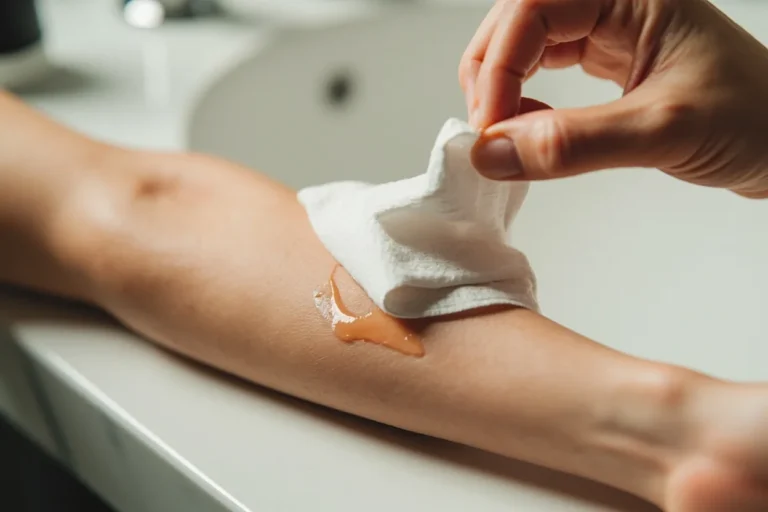
Your new tattoo is an open wound. Not metaphorically, literally. The needle punched through your epidermis thousands of times per minute, depositing ink in the dermis. Until that top layer seals and the underlying skin regenerates, you’re vulnerable.
What Actually Happens Underwater
Submerging fresh ink isn’t just about “getting it wet.” Your shower is fine. A quick rinse is fine. But soaking? That’s different. Waterlogged skin swells, scabs soften and fall off prematurely, and ink leaches out with them. I’ve seen clients lose entire sections of color because they sat in a hot tub on day five. The scab came off in the filter. Not pretty.
Then there’s what’s in the water. Pools have chlorine that strips moisture and irritates raw tissue. Lakes and rivers carry bacteria that love broken skin. The ocean? Salt sounds clean, but it’s abrasive and teaming with microorganisms. I had a client surf at Venice Beach on day ten. Came back with a raised, red mess that needed a touch-up and a lecture.
The Peeling Phase Is Deceptive
Your tattoo will look “healed” before it actually is. That flaky, peeling stage, usually days 5 to 14, tricks people. The surface looks closed, but the dermis underneath is still knitting together. Ink settles and stabilizes during this deeper healing. Disturb it, and you get patchy results. I tell clients: if it still feels tender, it’s not ready.
Healing Timeline: What Week by Week Looks Like
Every body heals differently. Skin type, placement, aftercare discipline, and even sleep quality play in. But here’s what I see in my chair most often:
- Days 1-3: Plasma and ink weep, bandage comes off, washing begins. No water exposure beyond gentle cleansing.
- Days 4-7: Scabbing starts, itching ramps up. Keep it dry, keep it moisturized. Swimming is a hard no.
- Days 8-14: Peeling and flaking. The tattoo looks dull under dead skin. Still vulnerable to soaking and sun.
- Weeks 2-4: Surface appears healed, deeper layers still stabilizing. Light swimming might be okay for small pieces, but risky for larger work.
- Week 4+: Most tattoos are fully sealed and ready for normal life, including pools and salt water.
Some spots heal slower. Ankles and feet, constant friction, poor circulation, often need that full four weeks. Ribs and inner arms, where skin moves and breathes less, can lag too. I’ve had calf pieces heal in ten days and foot tattoos take six weeks. Your artist knows your specific piece best; ask them.
What If You Absolutely Must Get Wet
Life happens. Destination wedding, military swim test, kid’s birthday party. If you can’t avoid water entirely, minimize damage:
Emergency Protection Methods
Waterproof medical dressings like Tegaderm or Saniderm can create a seal, but they’re not magic. Apply to clean, dry skin with no wrinkles where water can seep. I’ve seen clients wrap Saran Wrap and duct tape, don’t. It traps bacteria, creates a sauna, and often falls off mid-dip. If you’re using a medical film, limit submersion time, dry off immediately, and replace the dressing right after.
Hot tubs are the worst offender. Heat opens pores, increases blood flow, and the chemical load is aggressive. I don’t care if it’s “just for five minutes.” I’ve watched $800 back pieces turn into blurry regrets from hot tub sessions. If you’re going to cheat, make it a quick ocean dip with a waterproof bandage, not a soak in chemicals.
Signs You Swam Too Soon
Sometimes you mess up and need to know what’s normal versus what’s trouble. Here’s what I watch for when clients come back worried:
- Excessive redness spreading outward from the tattoo edges, especially after day three
- Thick, yellow-green discharge that smells bad, plasma is normal, pus is not
- Heat radiating from the skin that doesn’t match surrounding areas
- Blurred or “fuzzy” lines where ink has clearly migrated or fallen out
- Raised, bumpy texture that persists beyond normal scabbing
I’ve had clients call me panicking about “an infection” when it’s just normal irritation. But I’ve also had real infections that needed medical attention. When in doubt, contact your artist first, we’ve seen it all, and we’ll tell you if it’s artist-level concern or doctor-level. No shame in either.
Protecting Your Tattoo Long-Term
Even after healing, water and sun are tattoo enemies. Chlorine fades pigment over time. UV rays break down ink molecules. I see this constantly on old pieces, ocean lovers with blue-green muddied to gray, pool regulars with once-bold reds turned peach.
After You’re Healed
Once you’re past four weeks, swim freely but smartly. Rinse off after chlorine exposure. Apply SPF 50+ to tattooed skin before sun, yes, even if it’s “just an hour.” I’ve had to rework too many faded sleeves that looked killer at year two and washed out by year five.
Fresh tattoos in summer are a planning issue. I turn away clients who want a full back piece two days before their Cancun trip. Not because I’m difficult, because I know they’ll ignore my advice, and I’ll be the one fixing it. Most artists will schedule around your life if you ask. We want your tattoo to look good in five years too. Our reputation rides on it.
Key Takeaways
Wait 2 weeks minimum, 4 weeks ideally before swimming after a tattoo. Your fresh ink is an open wound vulnerable to bacteria, chemical irritation, and premature ink loss. The surface heals faster than deeper layers, so looking “fine” doesn’t mean you are. Pools, hot tubs, lakes, and oceans all carry different risks, none are safe for fresh work. If you must get wet, waterproof medical dressings offer limited protection but aren’t foolproof. Watch for signs of infection like spreading redness, bad-smelling discharge, or excessive heat. Once healed, protect your tattoo from sun and chlorine to preserve color long-term. When in doubt, call your artist. We’ve guided hundreds through this, and we’d rather answer your question than fix your mistake.
Frequently Asked Questions
Can I take a bath during the first two weeks if I keep the tattoo out of the water?
Technically yes, but it’s risky. Steam and splashing can introduce moisture and bacteria to the area. I tell clients to stick with quick showers until the scabbing phase ends. Baths can wait.
Does salt water heal tattoos faster since salt is natural?
No, that’s a myth I’ve heard too many times. Ocean salt is not sterile medical saline. It irritates open skin, introduces bacteria, and the abrasion from sand makes it worse. Don’t use the ocean as aftercare.
What about waterproof sunscreen on a fresh tattoo, does that help?
Sunscreen goes on healed skin only, never fresh work. Chemicals in sunscreen can irritate open wounds. For the first month, keep tattoos covered with clothing or simply out of the sun entirely.
If my tattoo is small and simple, can I swim sooner than four weeks?
Small line-work pieces sometimes seal up by 10-14 days, but it’s still a gamble. I’ve seen tiny tattoos get infected and blowouts happen on simple designs too. Two weeks is my floor for anything, and I still side-eye it.
Related Tattoo Guides
- How to Conceal a Tattoo With Makeup: A Pro s Guide
- How to Get Tattoo Stencil Off Skin: Artist-Approved Methods
- How to Remove Second Skin From Your Tattoo
- Explore more