Leftover stencil ink on your new tattoo is annoying, but it’s normal. Most of it washes off within 24, 48 hours with gentle cleaning. Don’t scrub it, don’t panic, and don’t use harsh chemicals. I’ll walk you through what actually works in real shops, what ruins fresh tattoos, and when to leave it alone.
What Stencil Ink Actually Is
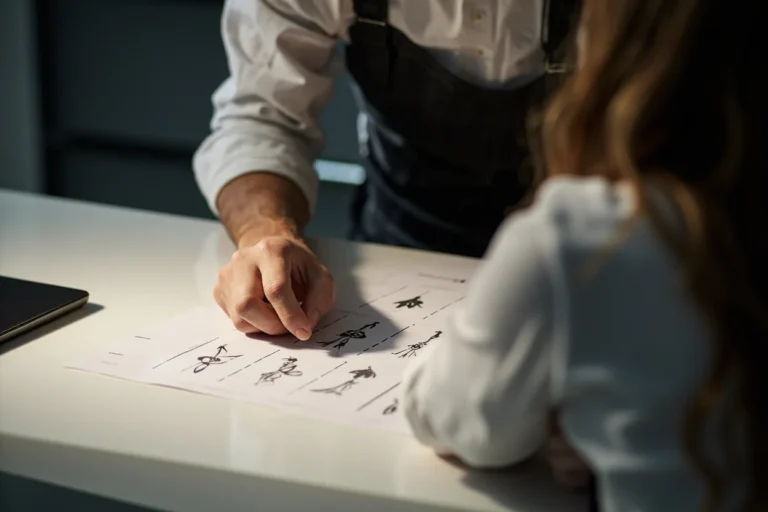
Stencil fluid isn’t regular ink. It’s a carbon-based transfer solution designed to sit on the epidermis so we can trace clean lines. It sits above where the tattoo needle deposits pigment, which means it doesn’t mix with your actual tattoo ink. That’s why it fades separately from your new piece.
I’ve had clients freak out thinking purple stencil lines are bleeding into their tattoo. They’re not. The stencil is a roadmap, not part of the art. Some brands, like Electrum or Spirit, wash off easier than others. Green soap and alcohol-based transfers tend to linger longer. I’ve seen stencil ghosts stick around for three days on dry skin, especially on legs and forearms where the skin’s thicker.
Why Some Stencil Lingers Longer
Placement matters. Stencil loves to cling to:
- Dry areas like elbows, knees, and shins
- Hair-bearing skin (chest, arms, legs) where the fluid settles around follicles
- Spots where the artist pressed harder during transfer
- Skin that’s already dehydrated or sun-damaged
Oily skin? Stencil often wipes off almost too fast, I’ve had to re-stencil clients mid-session because their natural oils broke it down. Combination skin is the sweet spot: holds the stencil, releases it when you want.
Safe Methods to Remove Stencil Ink
Here’s what I tell clients in my chair. These are shop-standard, not medical protocols. When in doubt, ask your artist.
The Gentle Wash (First 24 Hours)
Wash your hands. Use lukewarm water and a mild, fragrance-free soap. I recommend something like Dr. Bronner’s unscented or whatever your artist suggests. No loofahs, no washcloths. Your fingertips only. The stencil will start dissolving with your natural skin oils and water exposure. Don’t force it.
Pat dry with a clean paper towel. Let it air-dry for a few minutes before applying aftercare. I see people rub aggressively with towels, don’t. You’re not drying a dish. You’re touching fresh, open skin.
The Warm Water Soak (Days 2, 4)
After the first day, a brief warm shower helps. Not a bath. Not a hot tub. Not a swimming pool. Standing shower, water running over the tattoo, maybe two minutes of direct contact. The warmth softens the dead skin layer holding the stencil. You’ll see purple or blue lines start to feather and break apart.
I had a client with a full sleeve stencil that looked like a bruise on day three. Two warm showers and it was 90% gone. Patience beats scrubbing every time.
Aftercare Ointment Method
Thin layer of recommended aftercare, Aquaphor, hustle butter, or whatever your artist prefers. The petroleum or natural base creates a barrier that slowly lifts stencil residue as your skin regenerates. Apply twice daily, don’t overdo it. Too much ointment suffocates the tattoo and can cause issues.
I’ve watched clients glob on Aquaphor like they’re frosting a cake. Thin. Layer. That’s it. The stencil will fade underneath as your skin does its thing.
What Never to Use on Fresh Tattoo Stencil
This section exists because I’ve seen the aftermath. People get impatient. They get creative. They ruin work they paid for.
- Alcohol or hydrogen peroxide: Kills stencil, kills healing skin, causes fading and irritation. I’ve seen people bleach out fresh color this way.
- Acetone or nail polish remover: Dissolves stencil. Also dissolves skin barrier. Chemical burns on fresh tattoos are real and expensive to fix.
- Exfoliating scrubs or brushes: Physical abrasion on healing skin risks ink loss, scarring, and infection. Your tattoo is not a dirty pan.
- Makeup remover or micellar water: Unnecessary chemicals. Some contain acids or fragrances that irritate.
- Scratching or picking: The stencil will flake if you pick. So will your scabs. So will your ink. Keep your nails away.
One guy in my shop used a Magic Eraser. A Magic Eraser. That’s melamine foam, fine sandpaper basically. He took off the stencil, the scab, and half his grey wash. We had to do a significant touch-up. Free lesson: your tattoo is not a wall stain.
When to Leave the Stencil Alone
Sometimes the best action is no action. If your tattoo is heavily scabbed, peeling, or irritated, let the stencil fade naturally. Aggressive cleaning during this phase disrupts healing and can pull ink.
During the Peeling Phase
Days 5, 10 for most people. Skin flakes, stencil flakes with it. The purple lines get patchy, then disappear under the shedding layer. Don’t help it along. I’ve seen clients lose line work because they couldn’t resist “helping” the peel.
Your tattoo will look cloudy under the peeling skin. The stencil might look darker by contrast. It’s an illusion. Wait for the dead skin to clear before judging anything.
On Problem Placements
Hands, feet, fingers, inner lips, stencil can seem permanent here. These areas shed skin faster but also hold fluid and stain differently. I’ve had finger tattoos where the stencil outlasted the first week of healing. It always goes. Always. The skin turnover on palms and soles is rapid. Trust the process.
How Stencil Removal Fits Into Aftercare
Aftercare isn’t separate from stencil removal. They’re the same process. Healthy healing skin releases stencil naturally. Compromised healing skin traps it, or loses it too fast with damage.
General guidance I give:
- Keep it clean, not sterile. Normal soap, normal water.
- Moisturize lightly, dry skin holds stencil longer and heals poorly.
- Avoid sun. Fresh tattoos and UV are enemies. Sunburned skin retains weird marks.
- Wear loose clothing. Friction can push stencil deeper into pores temporarily.
- Don’t soak it. Quick showers only until fully healed.
Pain levels vary. Stencil removal itself doesn’t hurt, the skin’s already been tattooed. But if you’re scrubbing and causing damage, you’ll feel it. That stinging means stop.
Cost perspective: touch-ups for stencil-damage aren’t always free. Many artists include one touch-up in their pricing, but not if you clearly ignored aftercare. I’ve had to charge for fixes that were preventable. Save your money and your skin.
When to Contact Your Artist
Stencil residue past two weeks is unusual. Not impossible, I’ve seen it on dry legs in winter, but worth a conversation. If lines are blurry, colors look wrong, or you see signs of infection (spreading redness, warmth, pus, fever), reach out. We know our work. We can tell if it’s stencil, blowout, or something else.
Most artists prefer a text with a photo over you experimenting with removal methods. I tell my clients: “I’d rather answer ten questions than fix one mistake.”
Key Takeaways
Leftover stencil washes off with time, water, and gentle care. No scrubbing, no chemicals, no shortcuts. The same practices that heal your tattoo properly will release the stencil naturally. Most clears in 1, 3 days; some spots hold it a week. Patience protects your investment. When you’re unsure, message your artist, we’ve seen it all, and we’d rather guide you than repair damage.
Frequently Asked Questions
Will leftover stencil ink affect my tattoo’s final look?
No. Stencil sits on the skin’s surface, while tattoo ink is deposited in the dermis. The stencil fades separately and won’t alter your healed tattoo’s color or line work.
Can I use makeup remover wipes to get stencil off faster?
Avoid them. Most contain chemicals, fragrances, or oils that can irritate fresh tattooed skin. Stick to mild soap and water, or ask your artist for their specific recommendation.
Why is my stencil still visible after a week when my friend’s disappeared in two days?
Skin type, placement, and stencil brand all affect fading time. Dry skin and areas like shins or forearms often hold stencil longer. It’s normal and will clear with continued gentle care.
Should I be worried if my stencil lines look blurry under the scab?
Not necessarily. Blurry appearance during healing often comes from plasma, scabbing, or dry skin. Wait until fully healed to assess the actual tattoo lines. Contact your artist if concerns persist after healing.
Related Tattoo Guides
- How to Hold a Tattoo Gun: A Working Artist s Guide
- How to Remove Second Skin From Your Tattoo
- How to Spell Tattoo: A Tattoo Artist s Guide
- Explore more