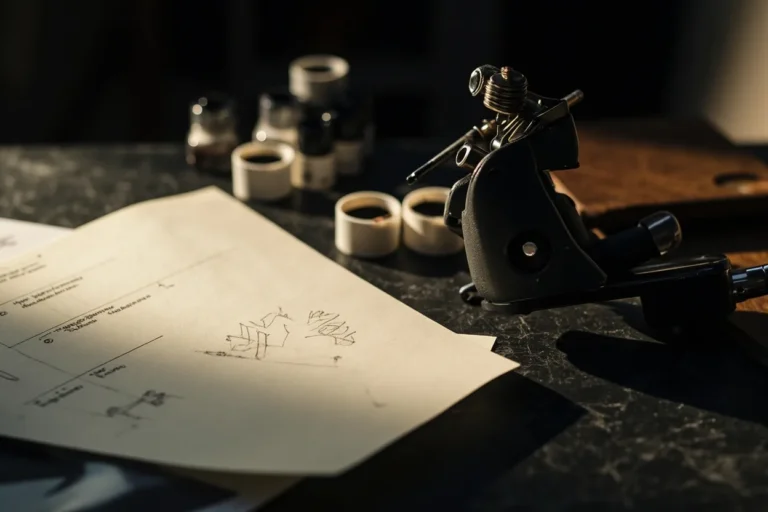
The correct spelling is tattoo, two t’s, two o’s. You’ll see “tatoo” and “tatto” all over the internet, shop signs, even some artists’ Instagram bios. But “tattoo” is the standard in English, and it’s worth spelling right when you’re searching for an artist, booking an appointment, or talking about permanent work on your body.
Why the Misspellings Happen
Phonetic Guessing
English is a mess. “Tattoo” sounds like it could end with one o or start with one t. I’ve had clients text me “tatto parlor” and “tatoo shop near me”, they’re not being careless, they’re just writing what they hear. The double letters feel unnecessary until you write them out. I see this most from people who’ve never been in a shop before, which is fair. You don’t know the lingo yet.
Auto-Correct and Lazy Typing
Phones don’t always catch “tatoo.” It looks close enough that spellcheck shrugs. Meanwhile “tattoo” gets flagged sometimes because your phone thinks you’re typing “too” twice. I’ve watched clients stand at my counter, booking their first appointment, googling “tatoo artist” and wondering why the results look sketchy. The shops that can’t spell their own industry name on a website? That’s a red flag I tell people to notice.
- “Tattoo” = correct, professional standard
- “Tatoo” = common typo, often from voice-to-text
- “Tatto” = phonetic misspelling, usually from non-native speakers or fast typing
- “Tat2” or “tatt” = slang, fine for casual use but not for formal searches
Why Spelling Matters in Tattoo Culture
Finding Real Artists
When you’re hunting for an artist, spelling “tattoo” correctly in your search actually helps filter results. Google’s smart enough to redirect, but portfolio sites like Inked or shop directories often match exact terms. I’ve had clients find me by searching “fine line tattoo Portland”, if they’d typed “fine line tatoo,” they’d have missed my profile entirely. The good artists, the ones with waiting lists and healed photos in their portfolios, they spell it right. It’s a small signal of professionalism.
Respecting the Craft
In my chair, I don’t police language. Call it ink, tats, body art, whatever. But there’s a difference between casual talk and permanence. You’re asking someone to open your skin and deposit pigment. The least we can do is spell the thing correctly when we’re researching it. I’ve been in shops where the owner won’t even look at a walk-in who asks for a “tatoo flash” off the wall. Harsh? Maybe. But it signals you haven’t done basic homework, and that matters when you’re choosing something you’ll wear for decades.
What to Know Before You Get One
Placement and Pain Reality
Spelling it right is step one. Step two is knowing what you’re in for. Ribs hurt. Everyone knows that. But the ditch of the elbow, the sternum, the back of the knee, those spots make grown adults sweat through their shirts. I’ve tattooed a client’s inner bicep and watched them go from confident to silent in ten minutes. Meanwhile, outer forearm, upper thigh, most of the back? Manageable. Thigh meat absorbs needle vibration differently than bone-adjacent skin. I always tell first-timers: start somewhere fleshy if you’re nervous about pain. You can always move to bonier spots later.
Line Work vs. Shading and How It Ages
Here’s what we see a lot in the shop: people want fine line tattoos because they look delicate on Instagram. And they do, fresh. But I’ve watched five-year-old fine line work blur into soft gray suggestions. Skin moves. It stretches, sun-damages, sheds. Bold lines hold. Traditional American, Japanese irezumi, solid blackwork, that stuff stays readable. Shading softens over time, which can be beautiful or muddy depending on the artist’s technique. I show clients healed photos from one, three, five years out. Not the fresh glory shots. The real thing.
- Bold black lines: best longevity, clearest aging
- Fine line/single needle: stunning fresh, requires touch-ups, fades faster
- Heavy shading: can look muddy as it softens, needs strong contrast
- Color saturation: reds and yellows fade fastest, blacks and dark blues hold longest
Healing and Aftercare Basics
Your tattoo isn’t done when you leave the shop. That’s when it starts. I wrap clients in Saniderm or tell them to wash with unscented soap twice daily. No soaking. No gym for a few days if you can help it, sweat and fresh open skin aren’t friends. The peeling phase, days three through seven, looks awful. Flaky, dull, almost gray. That’s normal. I’ve had panicked clients send me photos convinced their tattoo is ruined. It’s not. It takes four to six weeks to really settle. Some artists prefer dry healing, some recommend light lotion. Follow your specific artist’s instructions, not a generic blog. We know how we worked your skin.
Cost and What You’re Paying For
Good tattoos aren’t cheap. Cheap tattoos aren’t good. I charge by the piece for smaller work, hourly for larger sessions. In my city, you’re looking at $150-200 minimums even for something palm-sized. Full sleeves run thousands. You’re paying for years of practice, sterile equipment, the artist’s eye for composition, and their ability to fix problems when skin doesn’t behave. I’ve spent three hours on a “simple” script piece because the client’s skin swelled and we had to adjust. Experience costs. Shop minimums exist because setup, needles, ink caps, barrier film, sanitation, takes real time and money regardless of tattoo size.
Common Tattoo Terms to Know
Since you’re learning to spell “tattoo,” here’s some shop vocabulary that trips people up:
- Flash = pre-drawn designs on the wall or in books, not custom
- Custom = drawn specifically for you, usually costs more, takes longer to book
- Stencil = the purple transfer outline we apply before tattooing, your roadmap
- Machine vs. gun = call it a machine. “Gun” makes you sound like you watched too much Miami Ink
- Saturation = how densely packed the ink is in the skin, affects brightness and longevity
- Blowout = ink spreading under skin beyond the intended line, usually from too-deep needle work or thin skin
I don’t expect clients to know all this walking in. But knowing “tattoo” is spelled with two t’s and two o’s? That’s baseline. It shows you’re taking this seriously enough to learn the word before you learn the pain.
Key Takeaways
Spell it tattoo, T-A-T-T-O-O. The double letters matter for searches, professionalism, and showing you respect the craft. Misspellings like “tatoo” or “tatto” are common but can lead you to lower-quality results and signal inexperience in shop. Beyond spelling, focus on finding artists with healed portfolios, understanding how different styles age on skin, budgeting realistically for quality work, and following your specific artist’s aftercare instructions. A tattoo is permanent. The word you use to find it shouldn’t be the only thing you get right.
Frequently Asked Questions
Is “tattoo” spelled differently in British English?
No, “tattoo” is spelled the same in British and American English. Both use T-A-T-T-O-O. The military ceremony with the same name is also spelled identically.
Why do some tattoo shops spell it “tat2” or “tatt” in their name?
It’s stylized branding, similar to how “sk8” replaces “skate.” It works for casual shop names but isn’t the standard spelling for professional communication or searching.
Does misspelling “tattoo” in a Google search affect my results?
Google usually corrects it, but exact spelling matters on portfolio sites and shop directories. You might miss reputable artists who don’t optimize for common typos.
What’s the difference between “tattoo” and “tattooing”?
“Tattoo” is the noun (the image on skin) or verb (the act). “Tattooing” is the gerund form, describing the ongoing process or practice as an activity.
Related Tattoo Guides
- Forearm Tattoo Cost: What You ll Actually Pay in 2024
- Lettering Tattoo Guide: Fonts, Size and Placement
- Tattoo Deposit Guide
- Explore more