How to Conceal a Tattoo With Makeup: A Pro’s Guide
Covering a tattoo with makeup demands technique, the right products, and realistic expectations about what cosmetic camouflage can achieve. Whether preparing for a formal event, a professional photo shoot, or navigating workplace dress codes, understanding the full process separates amateur attempts from seamless results. This guide walks through every consideration, from product selection to application method, without overstating what makeup can accomplish.
Symbolism & Core Meaning
Why Concealment Matters
Choosing to hide a tattoo carries its own weight. For some, temporary concealment represents professional necessity in conservative industries where visible ink remains stigmatized. Others seek coverage for family gatherings, weddings, or moments when personal expression must yield to social context. The decision rarely reflects regret; more often, it signals adaptability and situational awareness.
Makeup concealment also serves photographers, actors, and models whose body art conflicts with character requirements or brand aesthetics. Understanding these motivations helps set appropriate goals. A fully covered tattoo for eight hours under stage lights requires different preparation than two hours of office coverage under fluorescent fixtures.
The Psychology of Temporary Erasure
There exists an odd intimacy in painting over something permanent. The act itself, repeated, can foster unexpected reflections on identity, choice, and visibility. Many report that concealing a tattoo temporarily sharpens appreciation for the original commitment, or conversely, clarifies desires for permanent removal. Neither outcome demands judgment; both benefit from honest technique.
Cost Factors
Product Investment Ranges
Professional-grade tattoo cover products span considerable price brackets. Drugstore alternatives for occasional use typically run $15-40 for a complete kit including color corrector, full-coverage foundation, and setting powder. Mid-range theatrical cosmetics, the standard for reliable concealment, land between $50-120. Premium professional palettes from cinema makeup suppliers can exceed $200, though these often contain sufficient product for hundreds of applications.
- Color corrector (orange or peach tones for neutralizing black ink): $8-35
- Heavy-coverage cream foundation or specialized cover cream: $20-80
- Setting powder (translucent or skin-tone matched): $12-40
- Setting spray for extended wear: $15-45
- Quality brushes and sponges: $20-60
Long-Term Economics
Frequent concealment demands product replacement every 3-6 months with regular use. Compare this ongoing cost against permanent removal, which typically requires multiple laser sessions at $200-500 each. For someone covering a tattoo weekly over several years, laser removal may eventually prove more economical despite higher upfront investment. For occasional concealment, quality makeup remains the practical choice.
Professional application services at makeup counters or specialized studios charge $50-150 per session, worthwhile for single important events but unsustainable for regular use. Learning self-application pays dividends.
Choosing the Right Artist
When to Seek Professional Application
Certain situations justify professional makeup artists: bridal photography, broadcast television, high-definition film work, or coverage of large, complex pieces. Seek artists with specific tattoo concealment experience, not merely general beauty makeup skill. The techniques differ substantially from standard cosmetic application.
Evaluate portfolios for healed, unedited results under various lighting conditions. Request references specifically for tattoo coverage, not general event makeup. A skilled artist assesses ink age, color saturation, skin texture, and location before selecting products and method.
Building Self-Application Skill
For regular personal concealment, developing your own technique proves essential. Begin with quality products and patient practice. Record your results in natural light, noting what products and methods succeed for your specific tattoo. Documenting failures matters equally; understanding why coverage broke down prevents repeated mistakes.
Consider a single consultation with a professional makeup artist who can analyze your specific piece, recommend products for your skin type, and demonstrate proper technique. This investment of $75-150 often saves considerably in wasted product costs.
Similar & Related Symbols
Adjacent Concealment Techniques
Makeup represents one option among several temporary concealment methods. Understanding alternatives clarifies when cosmetic coverage suits best.
- Clothing and accessories: Strategic dressing eliminates coverage needs entirely for accessible locations; limited for neck, hand, or facial tattoos
- Compression sleeves or athletic wraps: Effective for forearms and calves in casual contexts; conspicuous in formal settings
- Temporary tattoo cover sleeves (silicone or fabric): Specialized products for specific body areas; often detectable upon close inspection
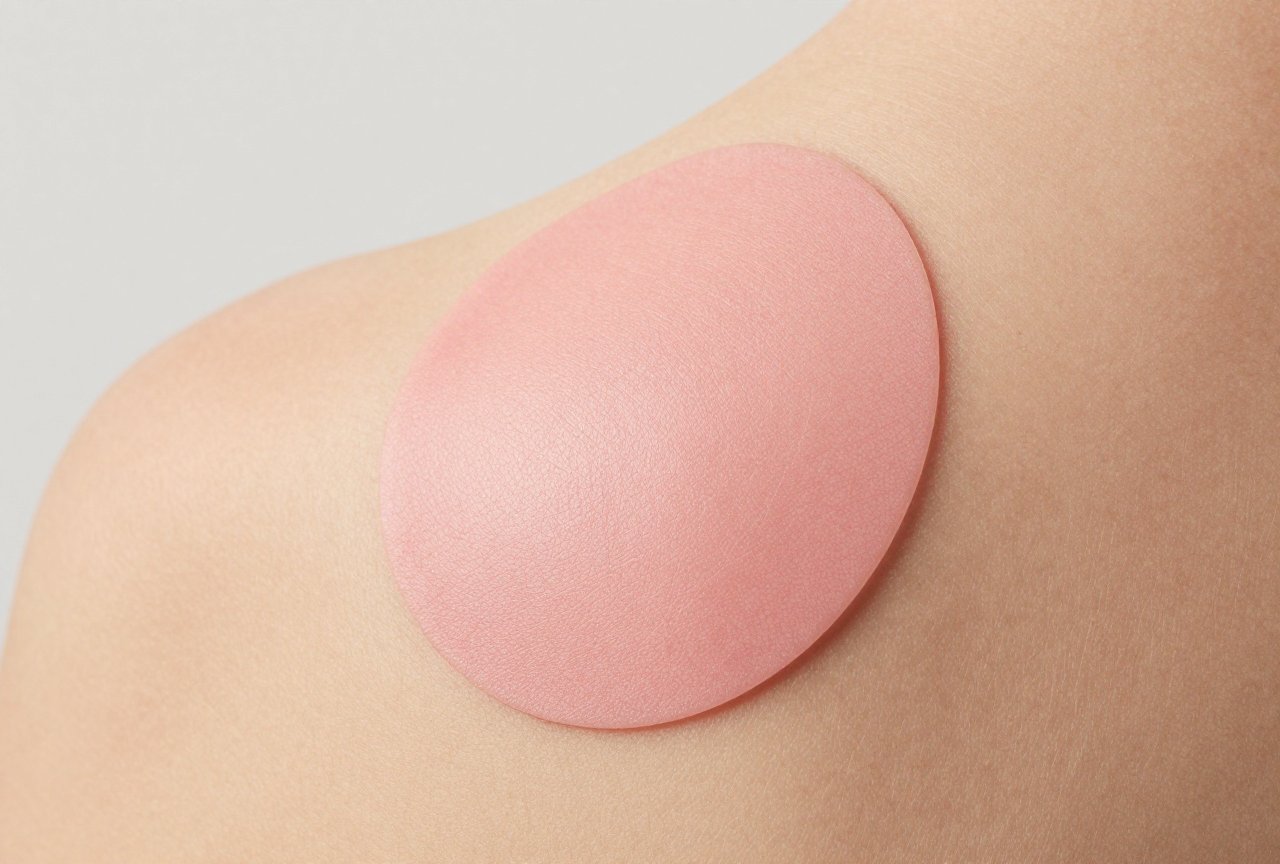
- Stage and medical adhesive covers: Thin, skin-tone patches for small areas; excellent for linear or compact designs
Permanent Removal vs. Temporary Cover
Laser removal, surgical excision, and salabrasion represent permanent paths, each with distinct trade-offs in cost, pain, scarring potential, and effectiveness across different ink colors. Makeup concealment preserves the original tattoo entirely, maintaining optionality. Many cycle between periods of display and concealment throughout their lives, responding to changing circumstances without irreversible commitment.
Who Chooses This Tattoo
The phrase carries irony here, yet patterns emerge among those regularly concealing tattoos. Military personnel and law enforcement sometimes navigate strict appearance regulations. Healthcare workers in patient-facing roles frequently encounter institutional policies. Corporate professionals in finance, law, and conservative industries report similar pressures.
Performers and public figures constitute another significant group, though their motivations vary: character requirements, brand protection, or audience expectations. Younger professionals early in career building often conceal more frequently than established practitioners with accumulated credibility.
Family dynamics motivate others, particularly around older relatives or during significant family events where visible ink might distract from collective focus. Wedding parties, funerals, and religious ceremonies generate temporary concealment needs.
Notably, the decision to cover rarely indicates shame. More commonly, it reflects strategic self-presentation, contextual awareness, or simple courtesy to hosts and circumstances. The same individual might display the tattoo enthusiastically the following weekend.
Mythology & Folklore
Historical Precedents for Skin Modification and Concealment
Cultures throughout history have modified and concealed skin markings for ritual, social, or protective purposes. Ancient Egyptian priests reportedly used mineral pigments to temporarily obscure tattoos during specific religious observances. In several Polynesian traditions, temporary coverage of status tattoos occurred during mourning periods or when interacting with higher-ranking individuals, functioning as social deference rather than erasure.
Japanese history offers particularly relevant parallels. During periods when tattooing was criminalized or associated with outcast groups, individuals developed methods to hide irezumi for public interaction, including clothing strategies and early cosmetic applications using rice powder and wax-based preparations. These practices, often linked to survival and social navigation, prefigure contemporary concealment by centuries.
The Modern Evolution
Contemporary theatrical makeup developed substantially during early cinema, when actors’ personal tattoos required coverage for period roles. The techniques refined for black-and-white film, where contrast mattered intensely, established foundations still used. Modern tattoo-specific cover products emerged from this lineage, adapted for everyday use beyond performance contexts.
Today’s concealment culture exists in tension: tattoo normalization has reduced concealment necessity in many spheres, even as high-definition imaging and social media documentation intensify scrutiny in others. The skills remain relevant precisely because contexts proliferate rather than simplify.
Key Takeaways
- Effective tattoo concealment requires color correction, heavy coverage, and proper setting; skipping any layer compromises results
- Product investment varies dramatically by frequency of use; occasional concealers need not purchase professional-grade palettes
- Lighting conditions fundamentally determine coverage success; test all applications under the specific conditions where concealment will be evaluated
- Large, saturated, or colorful tattoos present greater challenges than older, faded blackwork; adjust expectations accordingly
- Professional application suits singular high-stakes events; self-sufficiency benefits anyone concealing regularly
- Concealment decisions typically reflect situational strategy rather than tattoo regret; both displaying and covering remain valid choices
- Historical precedents demonstrate that temporary modification of visible identity marks extends across cultures and centuries
- No makeup achieves true invisibility under intimate inspection or specific lighting; aim for unobtrusiveness, not disappearance
Frequently Asked Questions
What is the most common mistake people make when trying to cover a tattoo with makeup?
Skipping color correction and using only skin-tone foundation. Black ink contains blue and green undertones that show through standard coverage. A peach or orange corrector applied first neutralizes these underlying tones, allowing subsequent layers to appear truly skin-like rather than muddy or gray.
How long does tattoo cover makeup typically last once applied?
With proper setting, quality products last 4-8 hours under normal conditions. Heat, humidity, friction from clothing, and skin oil production reduce longevity. Layering setting powder between coverage layers and finishing with setting spray extends wear. For events exceeding six hours, bring touch-up products and know your specific breakdown patterns.
Can all tattoo colors be concealed equally well with makeup?
No. Black and dark blue inks conceal most successfully. Bright colors, particularly red, yellow, and green, require more intensive color correction and often remain slightly visible under bright light. White ink and scarred tattoo areas present unique challenges, sometimes reflecting light differently than surrounding skin regardless of coverage quality.
Is there any risk of damaging a tattoo by covering it frequently with makeup?
Properly formulated cosmetic products do not damage healed tattoo ink. Risks emerge from removal: vigorous scrubbing, harsh solvents, or abrasive cleansing can irritate skin and potentially affect tattoo appearance over time. Use gentle, oil-based removers and soft cloths. Never apply makeup over fresh, healing tattoos; wait until complete healing, typically 4-6 weeks.