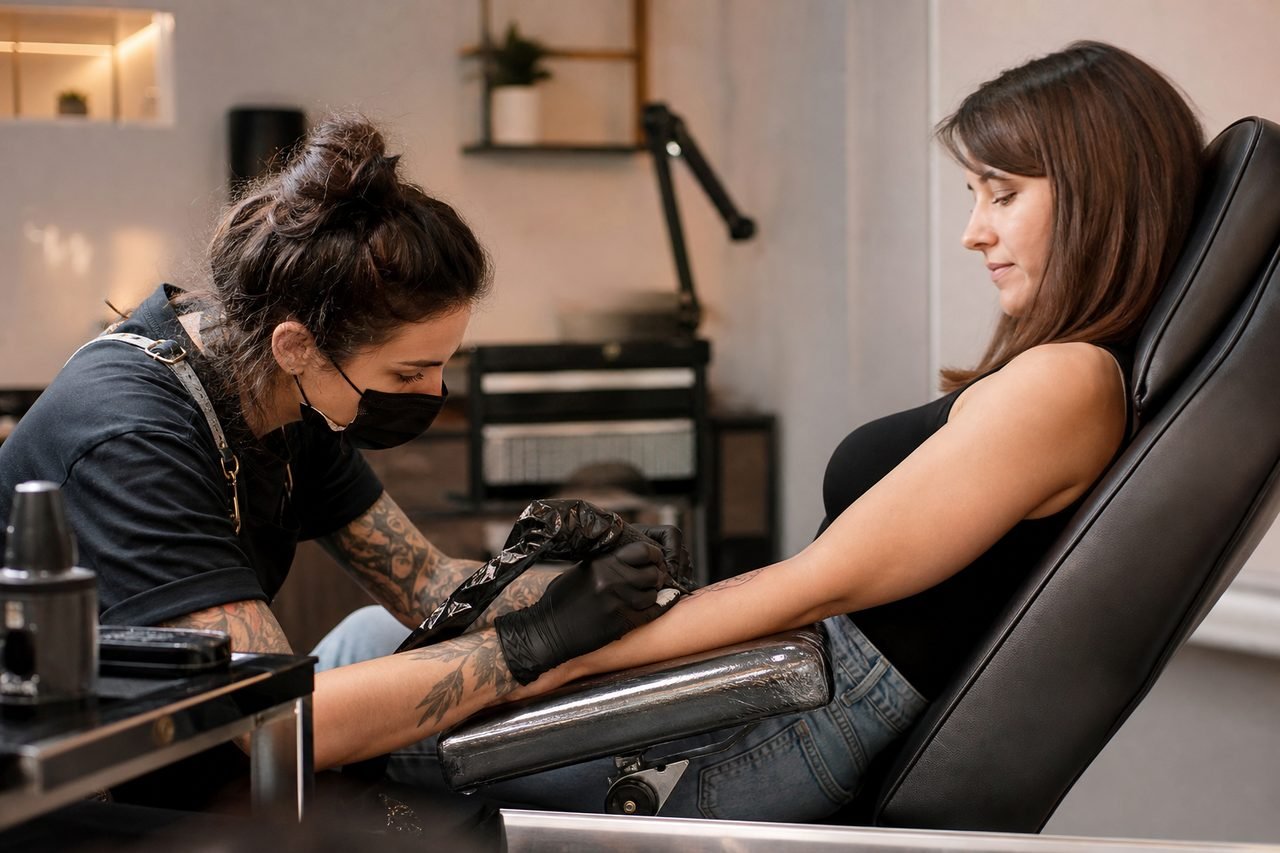
Yes, Hustle Butter is good for tattoo aftercare, but with important caveats. It shines brightest during the later healing stages, roughly days three through fourteen, when the skin has closed up and needs moisture without clogging pores. It’s not ideal for the immediate open-wound phase, and it’s not the cheapest option on the shelf. Understanding when and how to use it separates good results from mediocre ones.
What Hustle Butter Actually Is
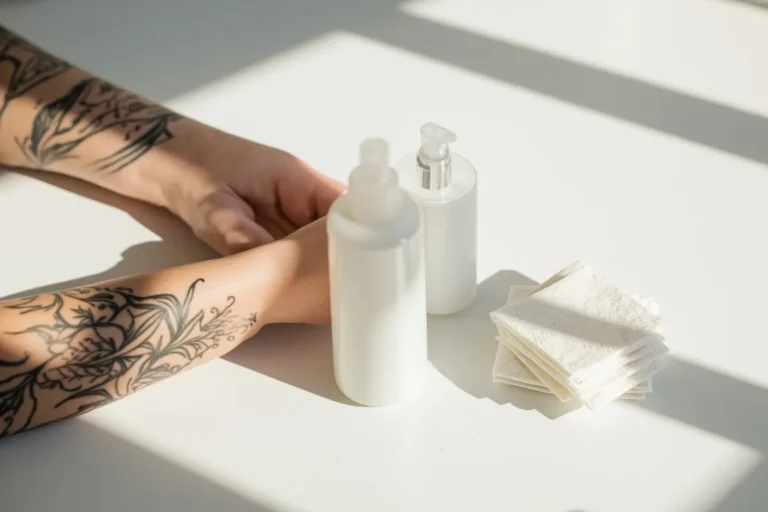
Most tattoo aftercare products fall into two camps: petroleum-based ointments and water-based lotions. Hustle Butter carves out a third space. It’s a shea butter and coconut oil blend with aloe, vitamin E, and a few other botanicals. The texture sits between balm and butter, thicker than lotion, thinner than straight petroleum jelly. This matters because consistency determines how it interacts with fresh ink.
The Ingredient Breakdown
Shea butter provides the bulk of the moisturizing. Coconut oil adds slip and some antimicrobial properties. Aloe soothes, though in a balm format you’re getting less of it than in a pure gel. Vitamin E shows up in most aftercare for its skin-conditioning reputation, though some artists avoid it on fresh tattoos due to rare cases of contact dermatitis. The formula is vegan, which matters to a chunk of the tattoo community. No petroleum means no occlusive barrier that traps heat and plasma against the skin.
When to Use It (And When to Skip It)
Timing separates effective aftercare from problematic aftercare. Hustle Butter works best on skin that has already begun sealing itself.
- Days 0, 2: Skip it. Fresh tattoos need thin, breathable barriers. Most artists recommend fragrance-free petroleum ointment or specialized first-phase products like Aquaphor or a shop’s recommended ointment. The thicker botanical base in Hustle Butter can trap plasma and ink, potentially affecting early settling.
- Days 3, 14: This is the sweet spot. Peeling starts, itching ramps up, and the skin needs consistent moisture without suffocation. Hustle Butter spreads thin, absorbs relatively clean, and keeps the area supple enough to prevent cracking.
- Week 3+: Continue if you like the feel, but standard unscented lotion becomes perfectly adequate. Some people keep using Hustle Butter as daily tattoo maintenance for vibrancy, which is fine but not necessary.
Placement-Specific Considerations
Thicker skin areas, thighs, upper arms, calves, handle Hustle Butter well. Thin or high-movement skin behaves differently. Inner forearms, elbows, and knees flex constantly; too much balm creates a tacky surface that catches on clothing. On these spots, use a lighter layer or switch to lotion. Hand and foot tattoos, which heal notoriously poorly, need extra caution. The blend of sweat, friction, and thicker product can breed problems fast on palms or soles.
How It Compares to Alternatives
Aftercare exists on a spectrum of intervention. Understanding where Hustle Butter sits helps you choose or combine products intelligently.
Petroleum ointments (Aquaphor, generic): Superior for phase one. They create a true barrier against bacteria and prevent the tattoo from drying to the point of scabbing hard. Downside: they feel greasy, stain clothes, and overuse can clog pores into small bumps.
Unscented lotions (Lubriderm, CeraVe): The standard for phase two and beyond. Lightweight, cheap, easy to find. They lack the conditioning feel of a balm, and some lotions contain alcohols or fragrances that sting or irritate.
Hustle Butter: Bridges the gap. More pleasant application experience than petroleum, more nourishing than basic lotion. The trade-off is cost, roughly $15, 25 for a 5-ounce tub, versus $5, 8 for comparable volumes of drugstore alternatives. You’re paying for the tattoo-specific branding and the texture.
Specialized aftercare (Tattoo Goo, After Inked, etc.): Similar positioning to Hustle Butter. Personal preference and artist recommendation drive most choices here. Hustle Butter tends to win on spreadability and smell, loses on price.
Real Healing Realities
Tattoo aftercare gets romanticized. The truth is messier. All tattoos weep plasma, flake, itch, and look worse before they look better. No product eliminates this. What good aftercare does is minimize complications and support the skin’s natural repair.
What Hustle Butter Won’t Fix
Heavy scabbing from poor initial care, allergic reactions to ink, or infections from dirty environments, none of these respond to better lotion. If you see spreading redness, heat, or pus, that’s beyond aftercare. Hustle Butter also won’t prevent sun damage; healed tattoos need SPF, not balm. The product conditions skin. It doesn’t perform magic.
The Itch Phase
Days five to ten bring the worst itching. Scratching lifts ink and creates patchy healing. Hustle Butter’s slight cooling sensation and smooth texture help some people resist the urge better than dry lotion. Patting the area instead of rubbing, keeping nails short, and applying a thin layer before bed all help more than the product choice itself.
Application Technique That Actually Matters
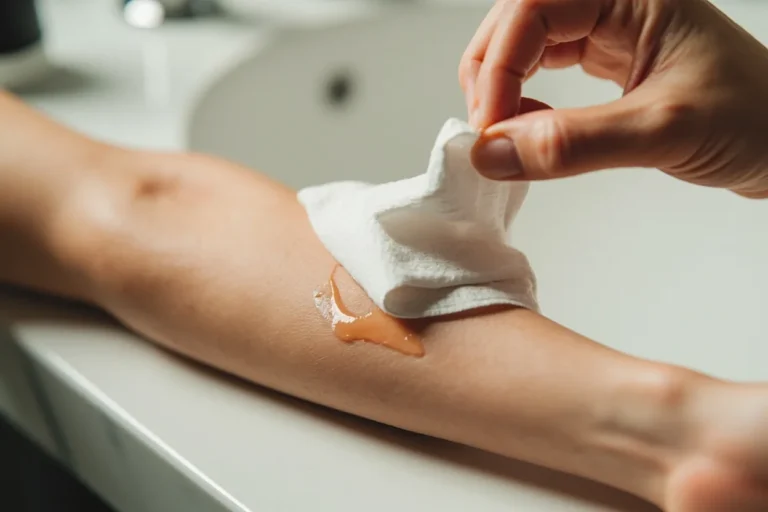
How you put it on matters as much as what you put on. Clean hands first, always. Scoop a small amount, warm it between your fingertips, and apply in the direction of hair growth with light pressure. You’re not rubbing it in like sunscreen. You’re laying down a thin, even film that the skin can gradually absorb.
- Too little: skin tightens, cracks, scabs form
- Too much: surface stays slick, traps bacteria, risks clogged pores
- Right amount: slight sheen that disappears within 15, 20 minutes
Reapply when the area feels tight or dry, typically 3, 5 times daily in active healing. Wash gently with unscented soap before reapplication if there’s any buildup, sweat, or environmental grime.
Cost and Accessibility
A standard 5-ounce tub lasts most people through two to three medium-sized tattoos if used only during healing. Daily use as tattoo maintenance drains it faster. It’s widely available online, at tattoo conventions, and increasingly at shops. Some artists include a sample packet in their aftercare kit. The price stings less if you value the application experience, but budget healers get comparable results with cheaper alternatives.
Key Takeaways
Hustle Butter earns its place in tattoo aftercare, but it’s a situational tool, not a universal solution. Start with petroleum-based ointment for the first 48 hours, transition to Hustle Butter as peeling begins, and move to plain lotion once the surface has settled. Apply thinly, wash hands first, and don’t expect any product to override bad habits like picking or sun exposure. The best aftercare is consistent, gentle, and matched to your healing stage, not the most expensive balm on the shelf.
Frequently Asked Questions
Can I use Hustle Butter on a brand new tattoo right after leaving the shop?
Most artists recommend waiting 24, 48 hours before switching to Hustle Butter. Fresh tattoos need a thin, breathable barrier like petroleum ointment initially. The thicker botanical base in Hustle Butter can trap plasma and interfere with early ink settling.
Does Hustle Butter help prevent tattoo fading over time?
No product prevents fading caused by sun exposure and skin aging. Hustle Butter keeps skin conditioned during healing, which supports even ink retention, but long-term vibrancy depends on sunscreen and overall skin care, not balm alone.
Why does my tattoo feel sticky after applying Hustle Butter?
You’re likely using too much. Warm a small amount between your fingers first and apply a thin layer. If it still feels tacky after 20 minutes, gently blot with a clean paper towel and use less next time.
Is the fragrance in Hustle Butter safe for healing tattoos?
Hustle Butter uses a mild natural scent from its botanical ingredients rather than added synthetic fragrance. However, any scent can irritate extremely sensitive skin. If you notice redness or stinging, switch to a completely unscented alternative.
Related Tattoo Guides
- Jason Painting Tattoo Guide: Design, Placement Aftercare
- How to Get Tattoo Certified: A Working Artist s Guide
- What to Put on a Healing Tattoo: A Working Artist s Guide
- Explore more