A tattoo is fully healed when all layers of skin have regenerated and the ink has settled into its permanent home, typically four to six weeks for most pieces, though larger or detailed work can push toward eight. That flaky, itchy stage you hit around day five? That’s not the finish line. I’ve had clients come back wanting touch-ups because they thought they were healed at two weeks, went swimming, and watched their color wash out. The surface might look fine while the deeper dermis is still knitting together. Here’s how it actually plays out, week by week, and what I tell everyone who climbs into my chair.
What “Healed” Actually Means
Surface vs. Deep Healing
The skin you can see is only part of the story. When I run a needle through your skin, I’m depositing ink into the dermis, that second layer beneath the epidermis. The epidermis, your visible surface, regenerates completely every few weeks. It forms a protective scab or dry layer over the wound, and when that flakes off, people assume they’re done. But the dermis is still remodeling collagen, still encapsulating those ink particles in scar tissue that will become your permanent tattoo. That deeper process takes time you can’t rush.
Line work heals differently than saturated color fields. Fine lines close faster on the surface but can be deceptive, the thin skin over them makes them look healed before they are. Heavy black fill stays wet-looking longer, which actually clues people in that the process isn’t finished. I’ve watched clients with solid black sleeves panic at three weeks because the shine hasn’t dulled; that’s normal, and it’s actually a better indicator than the flaky stage.
Why Artists Give Different Timelines
You’ll hear two weeks, you’ll hear six weeks, you’ll hear “when it stops being shiny.” The truth depends on your body, the placement, the density of the work, and how well you followed aftercare. I tell clients four weeks minimum for small pieces, six for anything palm-sized or larger, and eight for heavy color or large-scale work. Some artists are conservative and say longer; others have seen enough resilient skin to know when someone’s genuinely in the clear. The variability is real, not anyone being careless.
Week by Week: What Actually Happens
Days 1-3: The Open Wound Phase
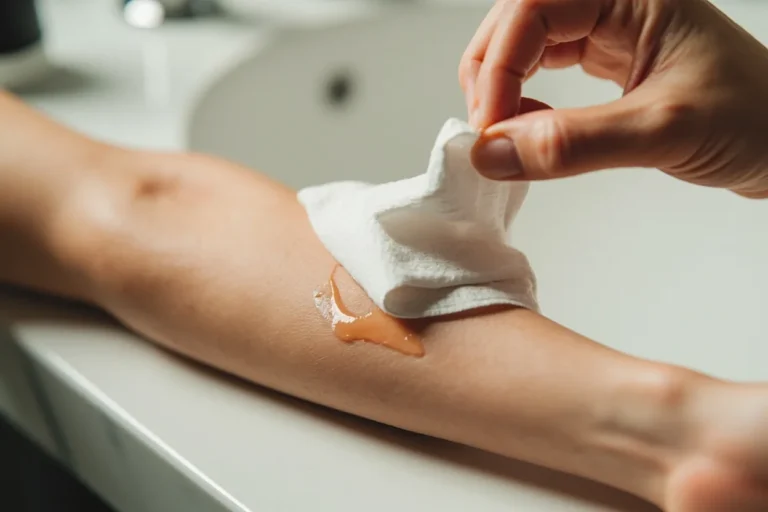
Fresh ink weeps plasma, ink, and blood. It’s tender, warm, and needs to be kept clean without suffocating. I wrap new work in breathable film or tell clients to wash gently and apply a thin layer of recommended aftercare. This isn’t the time to show off your new piece at the gym or let your pet sleep on it. The skin is literally compromised, and bacteria love compromised skin. Sleeping position matters, I’ve seen beautiful rib pieces ruined by stomach sleepers who wouldn’t stay on their back for three nights.
- Keep it clean with unscented soap and lukewarm water
- Pat dry, never rub
- Wear loose clothing that won’t stick to the plasma
- Avoid submerging in any water, baths, pools, hot tubs are out
Days 4-14: Peeling and Itching Hell
This is where most people lose their minds. The tattoo looks terrible, flaky, ashy, sometimes patchy where thicker scabs have formed. The itch can wake you up at night. I keep telling clients: this is normal, and picking will pull ink out with the scab. The skin is tightening as it regenerates, which creates that maddening sensation. I’ve had grown men call me convinced their tattoo is infected because of the flaking; it’s almost never infection, just the normal, ugly middle phase.
Color tattoos often look dull during this stage. Blacks go grayish, brights go muddy. That’s surface dead skin obscuring the ink beneath. Once the flakes clear, the vibrancy returns. Black and gray work sometimes looks better faster because there’s less color confusion, but the healing mechanics are identical.
Weeks 3-4: Looking Good, Lying to You
The surface looks normal. The scabs are gone. The tattoo might even seem settled. This is the most dangerous phase because it feels finished. I’ve had clients book beach vacations at three weeks, reasoning that “it looks fine now.” The dermis is still vulnerable to sun damage, still prone to infection from submersion, still capable of losing ink to friction. That glossy or waxy sheen some tattoos develop? That’s the stratum corneum, your outermost skin layer, still thin and immature. It’s not fully protective yet.
At this point, light exercise is usually fine, but I’d still avoid direct sun and anything that abrades the area. Waistbands, bra straps, backpack harnesses, anything that rubs repeatedly can irritate healing skin and affect how the ink settles.
Weeks 4-6: The Real Finish Line
By four weeks, most small to medium tattoos have completed deep healing. The skin texture normalizes, the shine disappears, and the color stabilizes to what you’ll live with long-term. Large pieces, heavy saturation, or work on slower-healing areas (feet, hands, elbows, knees) need the full six weeks. I check my own work at the six-week mark before scheduling any touch-ups; anything earlier and you’re working on skin that isn’t done reacting.
At this stage, you can resume normal life: swimming, sun exposure with SPF, whatever your routine was. The ink is locked in. Any remaining adjustments are about long-term preservation, not healing.
Signs You’re Not Actually Healed Yet
Clients ask me to look at photos constantly. Here are the real indicators that you need more time, regardless of what the calendar says:
- Shiny or waxy appearance over the tattooed area, immature skin still rebuilding
- Tenderness when you press on it, not just the surrounding skin
- Raised areas that feel different from normal skin texture
- Color that seems to sit “on top” of skin rather than within it
- Any weeping, even clear fluid, after the first few days
Redness that spreads outward, heat that increases rather than decreases, or yellow-green discharge are signs to consult a professional, not because your tattoo is ruined, but because you might need intervention beyond aftercare. I never diagnose; I send people to their doctor or urgent care. Most “infections” clients panic about are actually normal healing, but I’d rather they get checked than trust my eye over medical training.
How Placement Changes Everything
I’ve tattooed thousands of bodies, and I can tell you skin thickness and blood flow matter enormously. Here’s how it breaks down in my experience:
- Upper arms, thighs, calves: Fast healers, often four weeks solid
- Forearms and inner biceps: Moderate, watch for clothing friction
- Ribs and sternum: Slower, constant movement and stretching delays things
- Feet and hands: Six to eight weeks minimum, heavy use and thin skin
- Elbows and knees: The worst, thick, callused skin that cracks and flakes aggressively
- Back: Generally good, but sleeping on it can be a real problem for side-sleepers
We see a lot of foot tattoos in summer that clients want “healed” for sandal season. I schedule those in early spring because rushing a foot piece is a recipe for faded lines and patchy color. The same design on a thigh would be beach-ready sooner.
Aftercare Mistakes That Extend Healing
What you do in the first two weeks echoes through the entire process. Over-moisturizing is the most common error I see, clients slather on aftercare like they’re frosting a cake, trapping bacteria and causing moisture-related irritation. Under-moisturizing leads to thick, cracking scabs that pull ink out when they detach. The sweet spot is a thin, barely-there layer that lets the skin breathe.
Sun exposure during healing is catastrophic. I’ve watched fresh black work turn ashy brown in a single afternoon because someone thought “a little sun won’t hurt.” UV damages the fragile new skin and breaks down ink particles before they’re fully encapsulated. Even indirect exposure through car windows matters on forearm pieces.
Working out too aggressively creates problems through sweat, friction, and gym equipment contact. New tattoos on shoulders get wrecked by barbell pads; back pieces suffer from bench contact. I tell clients to modify, not quit, lighter weights, different movements, keeping the area covered with clean, breathable fabric.
When to Consider a Touch-Up
Even perfectly healed tattoos sometimes need refinement. Lines can heal slightly differently than they were laid; color saturation varies with skin tone and healing response. I offer complimentary touch-ups between six and twelve weeks because that’s when the skin is fully stable but the memory of the work is fresh. After a year, I charge, it’s not about punishment, but about the fact that skin changes, life happens, and the original session was a complete service.
Wait for true healing before judging your tattoo. That patchy spot at three weeks often resolves by six. The line that looks blown out might just be surrounded by healing inflammation. Patience isn’t just a virtue in tattooing; it’s practically a requirement.
Key Takeaways
Surface healing and deep healing are different timelines, don’t trust your eyes alone. Most tattoos need four to six weeks, with larger or complex work pushing toward eight. The peeling phase is normal and ugly; the three-week “looks good” phase is deceptive. Placement matters enormously, with extremities and high-movement areas healing slowest. Proper aftercare isn’t about fancy products; it’s about consistency, cleanliness, and not sabotaging the process with sun, submersion, or picking. When in doubt, ask your artist, we’ve seen it all, and we’d rather answer questions than fix preventable problems.
Frequently Asked Questions
Can I work out while my tattoo is healing?
Light exercise is fine after the first few days, but avoid anything that causes heavy sweating, friction, or direct contact with gym equipment on the fresh tattoo. I usually tell clients to skip their usual routine for about a week and modify movements for two.
Why does my tattoo look patchy during peeling?
That’s almost always thick scabs or dry skin obscuring the ink underneath. Once the flakes come off naturally, the color returns. Picking at those patches pulls ink out with the scab, which creates real gaps that need touch-ups.
Is it normal for my tattoo to still be shiny after three weeks?
Yes, especially on larger pieces or areas with thinner skin. That shine is immature skin still rebuilding its protective barrier. It means you’re not fully healed yet, even if the surface looks otherwise normal.
How do I know if I need a touch-up or if it’s still healing?
Wait the full six weeks before judging. Many issues that look like missing ink at three weeks resolve as the skin fully regenerates. If color or lines still look uneven after two months of proper care, that’s the time to talk to your artist about a touch-up.
Related Tattoo Guides
- How to Draw a Cheshire Cat Tattoo: Artist s Guide
- Does Laser Tattoo Removal Hurt? A Real Talk Guide
- Does Tattoo Hurt on Wrist? Pain, Placement Reality
- Explore more