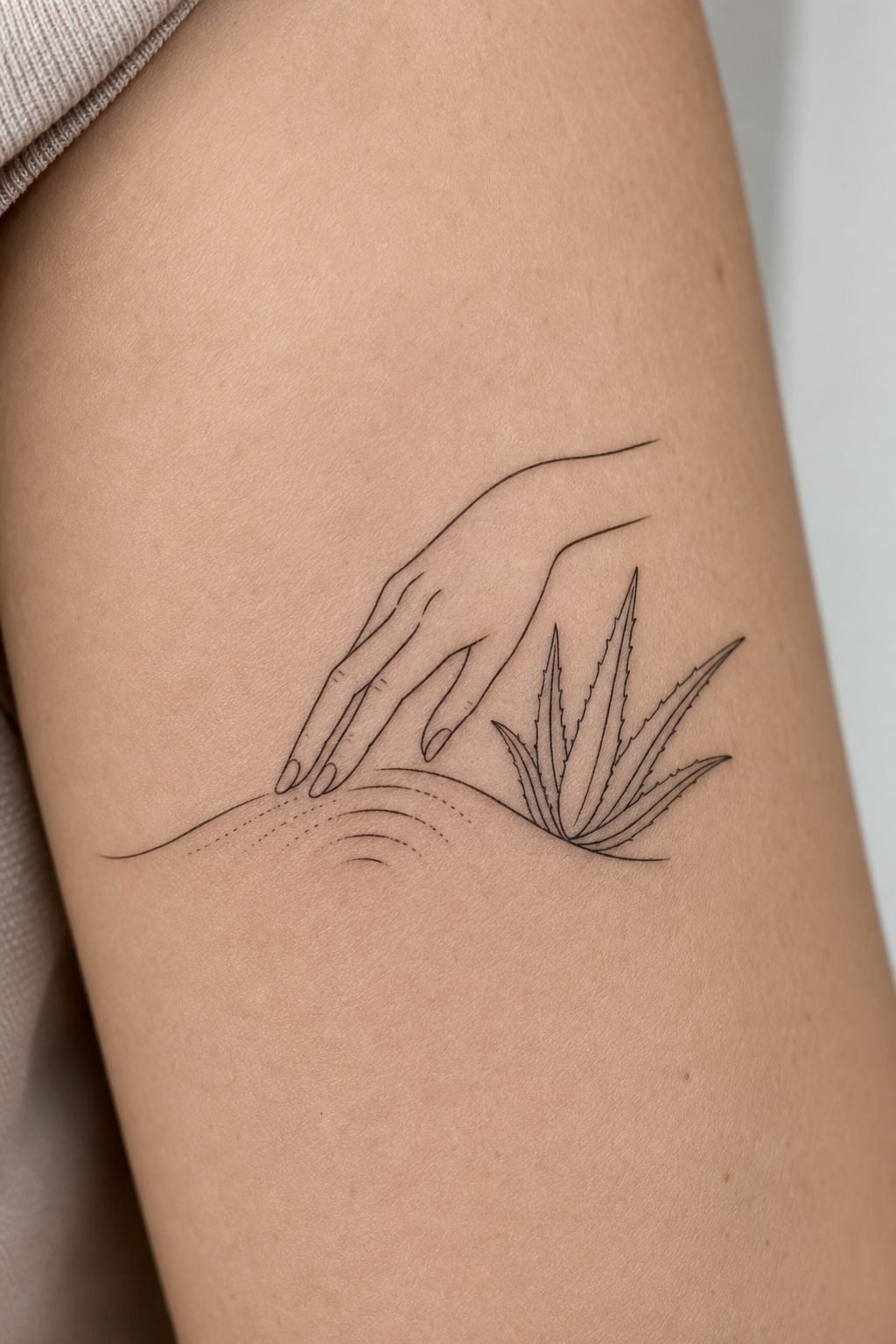
The short answer: resist scratching, keep the skin lightly moisturized with fragrance-free lotion, and use cool compresses for relief. An itchy tattoo usually signals normal healing, but how you handle that itch determines whether your ink stays crisp or ends up patchy and scarred.
Why Tattoos Itch in the First Place
Understanding the mechanism helps you respond instead of react. During the first two weeks, your skin is essentially recovering from a controlled injury. The needle deposits ink through the epidermis into the dermis, triggering inflammation, plasma weeping, and eventually scab formation. As the wound closes, new skin cells migrate across the surface. That crawling, prickling sensation? Nerve endings reactivating and histamine release.
Itching typically peaks during days 3-7, when the tattoo enters the peeling phase. Color work often itches more than black-and-grey because the saturation requires more passes and causes more surface trauma. Large solid black fills can feel especially maddening as they tighten during healing.
The Difference Between Normal and Problem Itching
Normal healing itch feels diffuse, surface-level, and responds to gentle measures. Concerning itch sits under hot, spreading redness, produces thick yellow discharge, or worsens after day 10. That pattern suggests possible infection or allergic reaction to ink, time to contact a professional, not just power through.
- Normal: mild warmth, flaky skin, itch that comes and goes
- Concerning: radiating heat, red streaks, foul odor, fever
- Allergic reaction: raised, persistent bumps specifically within colored areas months or years later
Immediate Relief Tactics That Actually Work
When the itch hits hard, you need options that satisfy the sensation without damaging the work.
Cool Compresses
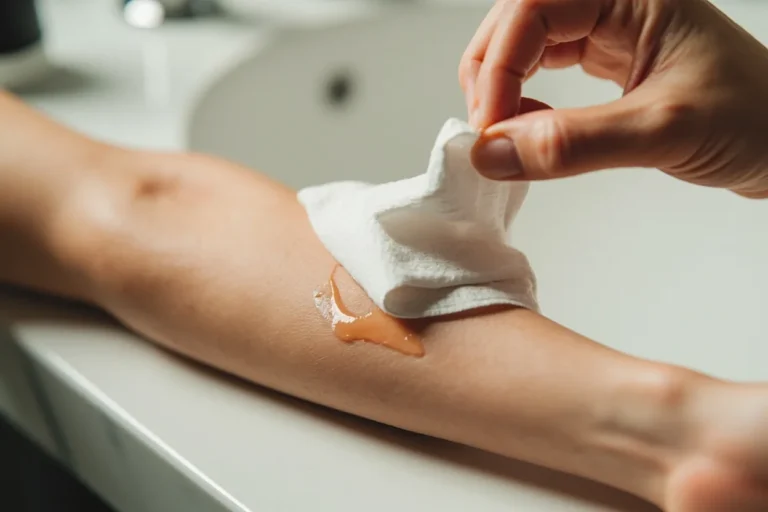
Run a clean cloth under cool water, wring it out, and lay it over the tattoo for 5-10 minutes. The cold constricts blood vessels and temporarily numbs nerve endings. Never use ice directly, temperature shock can stress healing skin, and condensation introduces bacteria. Repeat as needed, but let the skin fully dry before re-wrapping or applying product.
Slapping Instead of Scratching
Open palm, flat contact, quick light slaps. This stimulates the same nerve pathway as scratching but without the fingernail damage that pulls ink or introduces infection. It sounds ridiculous until you’re three hours into a sleepless night with a fresh rib piece. Works best on areas with some muscle or fat beneath, avoid on thin skin over bone if it’s still tender.
Proper Moisturizing Technique
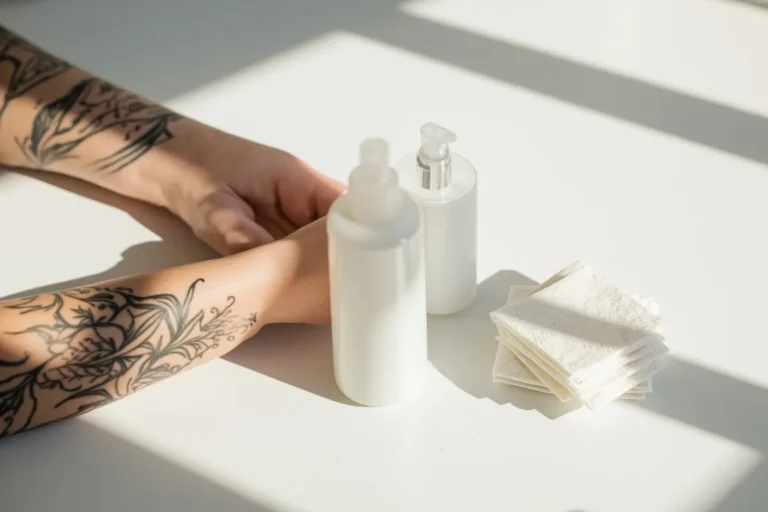
Most people over-moisturize, which macerates the skin and actually increases itch. Apply a thin, barely-visible layer of fragrance-free lotion two to three times daily. Recommended options: Lubriderm Unscented, CeraVe Daily Moisturizing Lotion, or plain old cocoa butter. The skin should feel supple, not slick. If you can see product sitting on top, you’ve used too much.
During the flaky stage, some artists recommend switching to a dedicated tattoo aftercare balm with minimal ingredients. These are typically petroleum-free to avoid clogging pores. The key is consistency, sudden product changes mid-heal can trigger irritation.
What to Avoid at All Costs
Common mistakes turn a manageable itch into a damaged tattoo.
- Scratching with fingernails: breaks scabs, pulls out ink, introduces bacteria from under nails
- Hot showers: steam softens scabs prematurely and increases histamine response; keep water lukewarm
- Antibiotic ointments beyond day 3: Neosporin and similar products cause contact dermatitis in many people; they trap moisture and delay natural drying
- Alcohol or hydrogen peroxide: destroys new tissue formation, causes rebound inflammation
- Exfoliants or scrubs: wait until fully healed, typically 4-6 weeks minimum
- “Numbing” creams with lidocaine on fresh work: alters skin pH, potential toxicity through broken skin
One particularly stubborn myth: letting a tattoo “dry heal” completely without any moisturizer. This works for some people with oily skin, but for most, it produces thick, cracking scabs that itch unbearably and heal with uneven color saturation. A middle path, light, consistent moisture, yields better results.
Itching After the Initial Heal
Months or years later, a tattoo can suddenly itch again. Several causes exist, and they need different responses.
Seasonal and Environmental Triggers
Winter dryness hits tattooed skin harder because the inked dermis holds slightly different moisture properties than surrounding tissue. A tattoo that looked fine in August might flake and itch by January. Regular body lotion application, humidifier use, and shorter lukewarm showers solve most cases. Older tattoos with heavy blackwork or dense color packing are especially prone to this.
Ink Allergies and Sensitivities
Red inks, particularly those containing mercury-derived cinnabar or modern alternatives, carry the highest allergy risk. A reaction can emerge years after application, showing as raised, itchy bumps precisely within the red areas. Some yellows and certain greens also trigger responses. A dermatologist can confirm with patch testing; treatment ranges from topical steroids to, in severe cases, laser removal of the reactive pigment.
UV exposure sometimes activates latent sensitivities. A tattoo that never bothered you might itch after a beach day. Sunscreen on ink isn’t just about fading prevention, it’s an itch prevention strategy too.
Skin Conditions Over Tattoos
Eczema, psoriasis, and keratosis pilaris don’t respect your artwork. They’ll flare across tattooed and untattooed skin alike. Treat the underlying condition; the tattoo itself isn’t the problem. One note: steroid creams thin skin over time, so chronic use over large tattooed areas isn’t ideal. Work with a dermatologist on rotation schedules and non-steroid alternatives.
When to See a Professional
Contact your artist first for healing-stage concerns, they’ve seen hundreds of healing tattoos and can spot normal versus abnormal faster than most general practitioners. Go to urgent care or a dermatologist for spreading redness, fever, pus, or rapidly worsening symptoms. For persistent itching months later without visible skin changes, a dermatologist can rule out less common conditions like cutaneous lymphoma, which sometimes presents with tattoo-site symptoms.
Don’t let embarrassment about your tattoo choice delay medical attention. Professionals have seen every style, placement, and subject matter imaginable.
Key Takeaways
Itchy tattoos are nearly universal but entirely manageable. Cool compresses and light slapping address immediate urges without damage. Fragrance-free, thinly-applied moisturizer prevents the dryness that drives most itching. Never scratch with fingernails, never apply harsh chemicals, and never let a tattoo dry to the point of cracking scabs. Distinguish normal healing itch from warning signs of infection or allergy. Seasonal dryness and underlying skin conditions can trigger older tattoos, treat the skin, not the ink. When in doubt, your artist is your first call; medical professionals handle anything beyond their scope. Patience through the two-to-four-week healing window preserves both your sanity and your tattoo’s long-term appearance.
Frequently Asked Questions
Can I put hydrocortisone cream on my itchy tattoo?
Wait until the tattoo is fully healed, typically 4-6 weeks, before using any steroid cream. On fresh ink, hydrocortisone can interfere with healing and cause thinning. Even on healed tattoos, use it sparingly and stop if you notice color fading.
Why does my tattoo itch more at night?
Body temperature rises slightly during sleep, and histamine release peaks in the evening. You’re also less distracted than during daytime hours. A cool compress before bed and keeping the room slightly cool can help. Some people lightly wrap the tattoo in clean, loose gauze to prevent unconscious scratching.
Is it normal for a tattoo to itch during the peeling phase?
Yes, days 3-7 typically bring the most intense itching as the top layer of skin sheds. The key is managing it without picking or scratching. Let flakes fall naturally, pulling them removes ink sitting in the epidermis that hasn’t settled into the dermis yet.
Can an old tattoo suddenly start itching after years?
Absolutely. Seasonal dryness, new soaps or detergents, sun exposure, or developing an allergy to specific ink components can trigger delayed reactions. If the itch persists beyond two weeks or comes with raised bumps, see a dermatologist to rule out ink allergy or skin conditions.
Related Tattoo Guides
- Is Hustle Butter Good for Tattoo Aftercare?
- How to Get Temporary Tattoo Off: Real Shop Guide
- Itchy Tattoo Aftercare: When It Is Normal and When to Worry
- Explore more