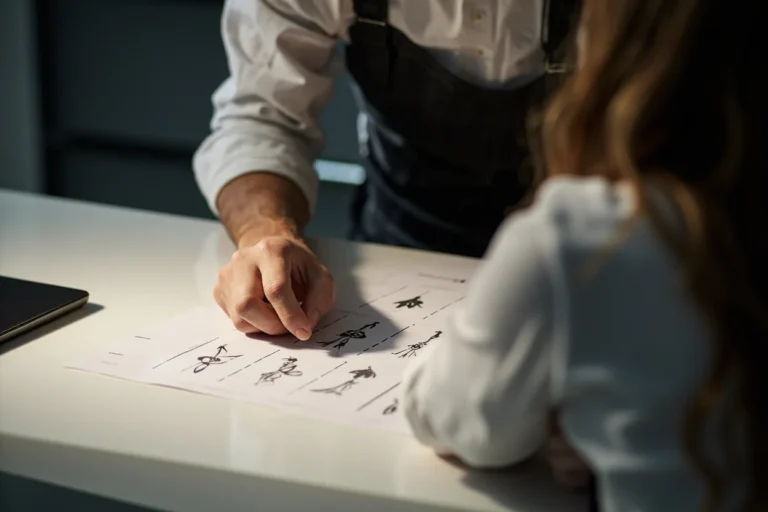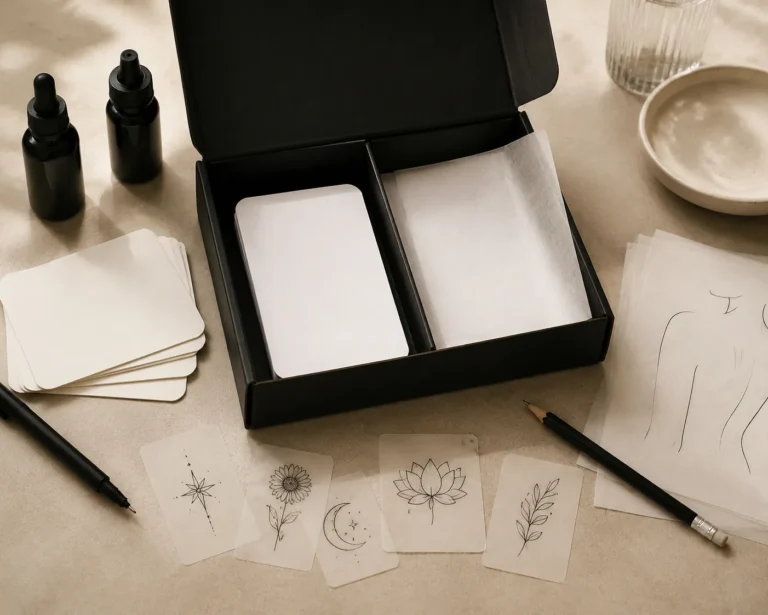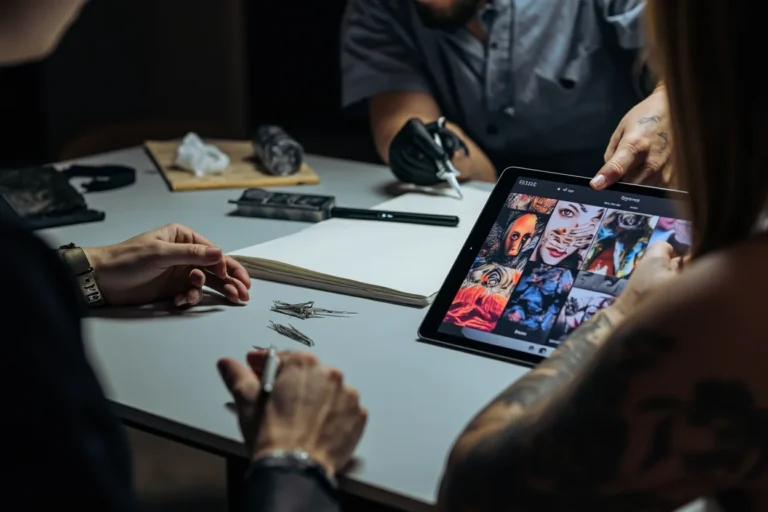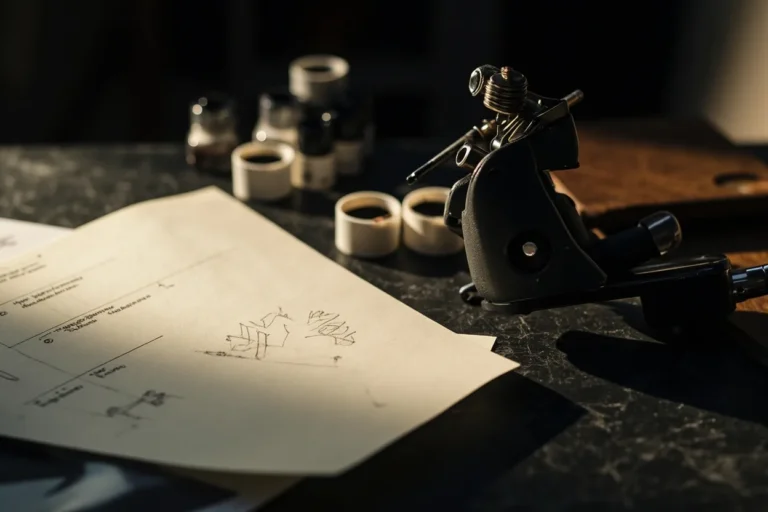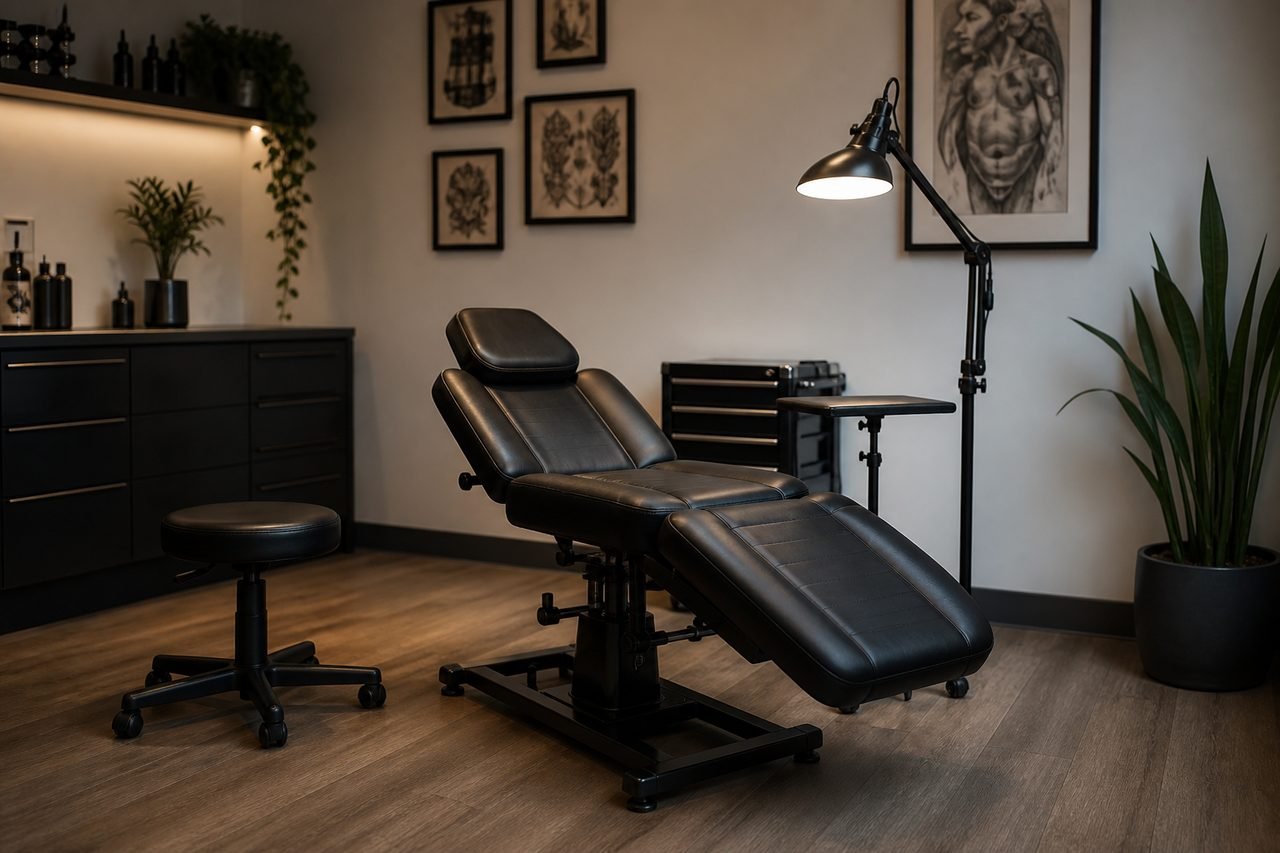
Becoming a tattoo artist in Texas means clearing three hurdles: a state-registered apprenticeship, bloodborne pathogen certification, and passing your licensing exam through the Texas Department of State Health Services (DSHS). There’s no shortcut. The state mandates 1,200 hours of supervised training before you can legally tattoo paying clients on your own. Most apprenticeships stretch across 12, 24 months, depending on shop pace and how quickly you absorb the fundamentals.
Understanding Texas Tattoo Law
Texas regulates tattooing through DSHS, not individual cities, though some municipalities add zoning or business permit requirements on top. The core rules live in the Texas Health and Safety Code, Chapter 146. Key points: you must be 18 to apprentice, 18 to be tattooed, and all work must happen in a licensed facility, not hotel rooms, kitchens, or convention floors without proper temporary event permits.
Apprenticeship Requirements
The 1,200-hour minimum breaks into two phases. First, observation and sanitation training, roughly 200 hours of watching procedures, learning cross-contamination protocols, and studying skin anatomy. Second, supervised tattooing under a licensed artist’s direct oversight. Your mentor must hold a current Texas tattoo license and register your apprenticeship with DSHS within 30 days of starting. Keep your own log; DSHS can audit hours, and sloppy records delay your license.
Licensing Exams and Fees
After completing hours, you sit for the Texas tattoo artist examination. The test covers infection control, skin structure, Texas regulations, and waste disposal. Study the DSHS Tattoo and Body Piercing Rules document, it’s free online and most of the exam pulls from it directly. Budget roughly $500, $800 total for apprenticeship registration, exam fees, and your initial license. Renewals happen every two years with continuing education requirements.
Finding the Right Apprenticeship
Most aspiring artists crash here. Cold-calling shops with your portfolio rarely works. Better approach: build a genuine relationship first. Visit shops as a client, get tattooed by artists whose work you respect, and let the connection develop naturally. Texas has thriving scenes in Austin, Houston, Dallas, San Antonio, and emerging markets in places like El Paso and Denton, each with different shop cultures and specialty styles.
What Shops Actually Look For
- Strong drawing fundamentals, not just tattoo-style flash
- Consistency and punctuality, apprenticeships are jobs, not art schools
- Willingness to clean, run errands, and observe without complaint for months
- Existing art portfolio showing original work, not copied Pinterest images
- Basic understanding that tattooing differs fundamentally from paper or digital art
Red Flags to Avoid
Any shop demanding payment for apprenticeship “tuition” warrants suspicion. Texas law doesn’t prohibit this outright, but reputable mentors rarely charge, the arrangement should benefit both parties, with your labor offsetting training costs. Also avoid shops skipping DSHS registration, promising fast-tracking, or lacking visible autoclave equipment and spore test records. Working unlicensed in Texas is a Class B misdemeanor, and shops caught using unregistered apprentices face facility license suspension.
Building Skills During Training
Your first tattoos happen on practice skin, fruit (grapefruit and banana peels remain surprisingly useful), and eventually willing friends under supervision. Texas requires mentor approval before each apprentice tattoo, with the licensed artist present throughout. Expect to start with simple linework, small black designs, lettering, basic traditional motifs, before touching color packing, greywash shading, or larger compositions.
Machine Setup and Maintenance
Rotary machines dominate newer Texas shops for their consistency and lower learning curve, but coil machines remain essential knowledge, especially in traditional shops. You’ll learn to break down, tune, and troubleshoot both. Needle groupings matter: round liners for outlines, magnums for color fill and soft shading. Voltage settings vary by machine, skin type, and needle configuration, there’s no universal number, only ranges you develop feel for through repetition.
Skin Types and Real-World Variables
Texas heat and sun exposure affect healing significantly. You’ll learn to advise clients differently based on lifestyle, outdoor workers need stricter aftercare protocols than office workers. Skin thickness varies dramatically by body placement: upper back and outer arms handle bold lines well; ribs, inner biceps, and ankles require lighter touch. Older skin, scarred skin, and heavily tanned skin each demand adjusted technique. These nuances only come from watching hundreds of applications under experienced eyes.
Aftercare Knowledge You’ll Need
Texas doesn’t mandate specific aftercare products, but DSHS requires shops provide written instructions. Most Texas artists recommend fragrance-free, petroleum-free moisturizers, plain, unrefined options like coconut oil or specialized tattoo balms. The healing timeline runs roughly 2, 4 weeks for surface healing, 2, 3 months for complete dermal settling. During training, you’ll field client questions about scabbing, color fading, sun exposure, and touch-up needs. Never present aftercare as medical advice; always frame it as general guidance with suggestion to consult healthcare providers for signs of infection.
Pain, Placement, and Client Consultation
Part of your apprenticeship involves learning to manage client expectations realistically. Pain varies by placement: fleshy areas (upper arm, thigh) generally register milder than bone-adjacent spots (ribs, spine, ankles, collarbones). Nerve-dense areas like inner wrists and elbows carry distinct sensations. You’ll develop scripts for explaining this without exaggerating or dismissing concerns. Cost discussions follow, Texas pricing typically runs $100, $200 hourly for established artists, with minimums around $80, $150 even for small pieces. Apprentice tattoos often start discounted but should never be free; free work attracts clients who don’t value your development.
Developing Your Artistic Identity
Texas tattoo culture spans bold traditional Americana, fine-line blackwork, photorealism, Chicano black-and-grey, and bold neo-traditional. Your apprenticeship location influences early style heavily, Houston shops often emphasize realism and black-and-grey; Austin leans illustrative and experimental; Dallas mixes traditional roots with contemporary trends. Early flexibility matters; rigid style fixation before technical mastery limits employment options. Most artists develop recognizable voice only after 3, 5 years of consistent work.
Portfolio Building Post-License
Once licensed, document every tattoo professionally. Natural lighting, healed photos at 4, 6 weeks, and consistent angles separate serious portfolios from amateur collections. Instagram remains the primary client acquisition tool for Texas artists, but gallery-quality photographs matter more than follower counts for shop employment. Consider guest spots at established shops, temporary working arrangements that build network connections and expose you to different client demographics.
Key Takeaways
Texas demands patience: 1,200 supervised hours, state examination, and ongoing compliance with DSHS regulations. The path rewards those who treat apprenticeship as craft apprenticeship, not fast-track to income. Focus on finding legitimate mentorship through genuine relationship-building, not transactional arrangements. Master fundamentals before chasing style, solid linework, consistent saturation, and sterile technique keep clients returning long after trends shift. The tattoo industry in Texas continues growing, but regulation tightens periodically; staying current with DSHS rule changes protects your license and livelihood. Document everything, absorb criticism without defensiveness, and remember that every established artist you admire spent years in exactly this position.
Frequently Asked Questions
Do I need an art degree to get a tattoo apprenticeship in Texas?
No formal art degree is required by Texas law or most shops. What matters is demonstrable drawing ability, consistent practice, and a portfolio showing original work. Many successful Texas artists are self-taught or come from unrelated backgrounds.
Can I tattoo from home after getting my Texas license?
No. Texas requires all tattooing occur in licensed facilities that meet specific equipment, sanitation, and zoning standards. Home studios violate state law regardless of individual artist licensing status.
How much do apprentices typically earn during training in Texas?
Most apprenticeships are unpaid or minimally compensated through tips during the first 6, 12 months. Some shops offer small hourly wages once you begin tattooing clients under supervision, but expect financial tightness until fully licensed and building regular clientele.
What’s the difference between a tattoo license and a shop license in Texas?
Individual artist licenses permit you to tattoo; facility licenses authorize the physical location. Both require separate DSHS applications, inspections, and renewals. You cannot legally work in an unlicensed shop even with personal artist licensure.
Related Tattoo Guides
- How to Decrease Tattoo Pain: A Practical Guide
- How to Draw Tattoo Flash: A Practical Guide for Artists
- How to Lessen Tattoo Pain: A Practical Guide
- Explore more