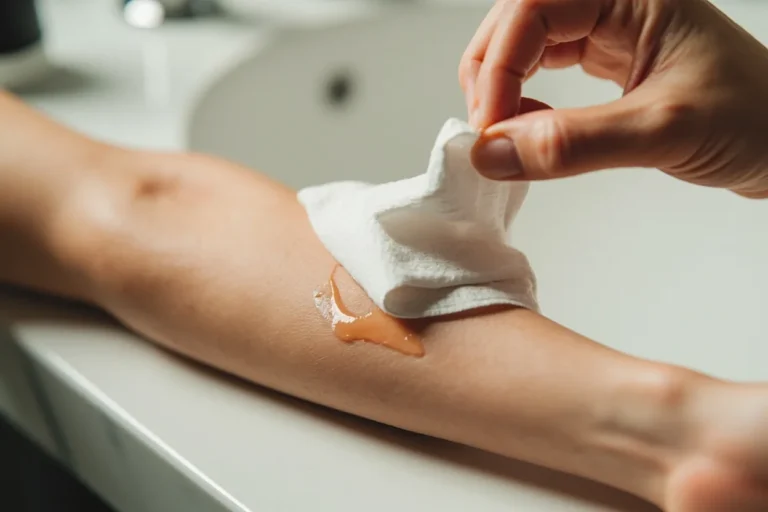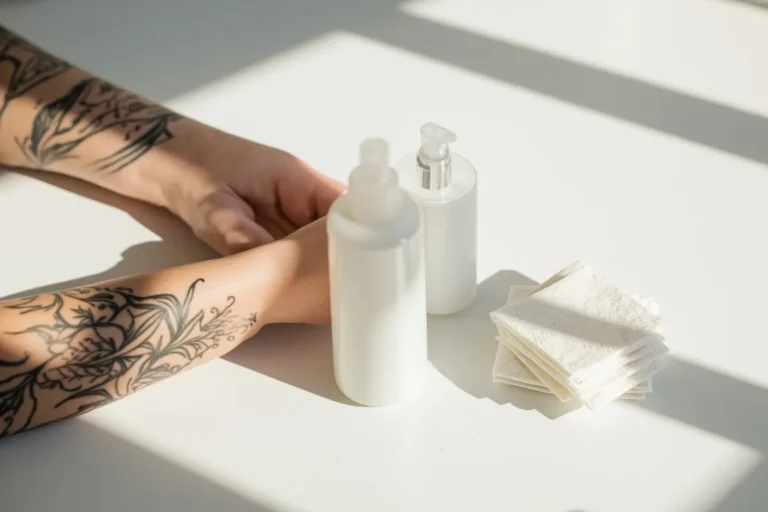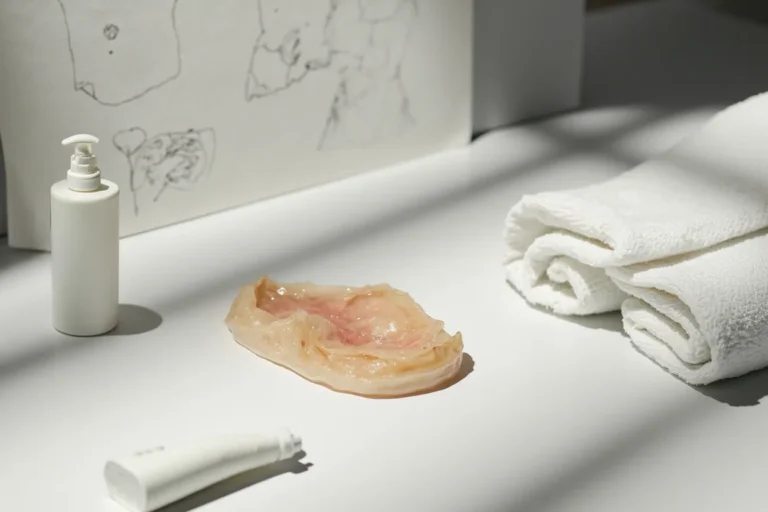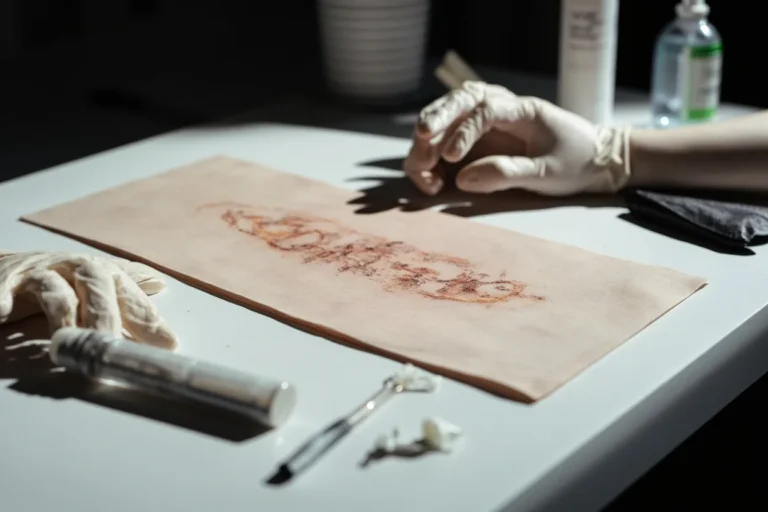
The short answer: use way less than you think. A thin, almost invisible layer of Aquaphor, just enough to make the skin slightly shiny, not wet or greasy, is what you want. Most people overdo it, and that causes more problems than using too little. You should be able to rub it in until it barely looks like there’s anything there. If your tattoo looks like it’s swimming in petroleum, you’ve used too much.
Why the Amount Matters So Much
Over-moisturizing is one of the most common aftercare mistakes. Aquaphor creates an occlusive barrier that traps moisture against the skin. A whisper-thin layer protects the tattoo and keeps it from drying out. A thick coating suffocates the skin, traps bacteria, and can cause ink fallout, prolonged healing, or even infection.
Think of it like seasoning food. You want to taste the salt, not crunch on it. Same principle here: the skin should feel comfortable, not slick.
What Over-Application Actually Looks Like
- Your tattoo looks glossy or wet hours after application
- There’s visible residue on your clothing or bedding
- The skin feels clammy or soft, not just moisturized
- You notice small bumps or pimples forming around the tattooed area
- The area stays overly tender beyond the first few days
These signs mean pull back immediately. Wash gently with unscented soap, let the skin breathe for a few hours, then reapply with a much lighter hand.
The Right Application Technique
Start with clean hands. Wash with plain, unscented soap and dry thoroughly. Wet hands dilute the product and spread bacteria.
Scoop a tiny amount, about the size of a pea for a palm-sized tattoo, or a grain of rice for something smaller. Warm it between your fingertips until it softens. Then pat or gently rub it across the tattooed area using clean fingers. The goal is coverage, not coating. You should not see a visible layer sitting on top of the skin.
Frequency: How Often to Reapply
During the first two to three days, apply Aquaphor two to three times daily, or whenever the area feels tight or dry after washing. After that initial period, most artists recommend switching to a plain, unscented lotion as the tattoo begins to peel. The heavy occlusive barrier becomes less necessary and can actually slow the later stages of healing.
Wash the tattoo gently before each reapplication. Don’t layer new product over old buildup. That accumulation is what leads to clogged pores and compromised healing.
Where You’re Putting It Matters
Different body parts heal differently, and the amount of Aquaphor should adjust accordingly.
High-friction areas, inner arms, thighs, sides of the torso, rub against clothing constantly. These spots need slightly more product to prevent the fabric from sticking and pulling at fresh scabs. Still thin, but you might need an extra micro-layer.
Areas that breathe, outer forearms, calves, shoulders, generally need less. They’re exposed to air, which helps natural healing. Don’t compensate by over-applying.
Hands and feet are tricky. They shed skin faster and get washed more often. You’ll likely reapply more frequently here, but keep each application thin. These tattoos also fade faster due to constant use and sun exposure, so proper aftercare matters even more for longevity.
Large pieces and solid blackwork create more plasma and weeping in the first 48 hours. You might need to wash and reapply more often, but never increase the thickness per application. The same thin layer, just more frequent refreshing.
What Happens When You Use Too Much
Excess Aquaphor creates a breeding ground for bacteria in the warm, moist environment under that petroleum barrier. The results aren’t pretty: delayed healing, color loss, and in some cases, infection that requires medical attention.
Over-moisturized skin also develops a condition sometimes called “tattoo drowning.” The scabs never properly form and dry, so the ink doesn’t settle correctly. You’ll see patchy spots, lighter color, or blurred lines once healing completes. Touch-ups become necessary, and some damage can’t be fully corrected.
Ironically, using too much product often makes the tattoo itch more, not less. The skin can’t breathe, trapped moisture irritates nerve endings, and you end up scratching or rubbing, both terrible for fresh ink.
Recognizing the Switch Point
Around day three or four, most tattoos start peeling like a mild sunburn. This is your signal to transition. Aquaphor’s heavy barrier isn’t needed anymore, and continuing with it can prolong the peeling phase. Switch to a thin, unscented lotion, something like Lubriderm, Curel, or any fragrance-free drugstore brand. Apply the same tiny amount, same thin layer, just with a lighter product.
Common Mistakes to Avoid
- Reapplying without washing: Old product, dead skin, and plasma mix into a sludge that blocks pores. Always wash gently first.
- Using a full finger-scoop: If you can see the product on your fingertip from across the room, it’s too much.
- Treating Aquaphor like sunscreen: It has no SPF. Once healed, protect your tattoo from sun exposure with actual sunscreen, not more petroleum jelly.
- Panicking about dryness: Some tightness is normal. A tattoo doesn’t need to feel like wet clay 24/7 to heal properly.
- Switching products too early or too late: Two to three days of Aquaphor is the standard window. Trust the process rather than your anxiety.
What to Expect During Normal Healing
The first day or two, your tattoo will weep plasma and excess ink. This is normal. Wash it away, apply your thin layer, and don’t panic at the dark fluid on your bandage or clothing.
Days three through seven bring peeling and flaking. Let it happen. Don’t pick, don’t scrub, don’t rub extra Aquaphor to “soothe” it. The skin underneath is fragile, and disturbing the process risks pulling out ink.
By week two, the surface should look mostly healed, though the deeper layers are still settling. The tattoo may look slightly dull or cloudy, this is the “onion skin” phase. It will brighten again over the following weeks as the skin fully regenerates.
Complete healing typically takes four to six weeks for most pieces, longer for large work or areas with poor circulation. During this entire period, avoid soaking the tattoo in baths, pools, or hot tubs. Quick showers are fine; submersion is not.
Key Takeaways
- Use a thin, barely-visible layer of Aquaphor, if it looks wet or greasy, wipe some off
- Apply two to three times daily during the first two to three days, then switch to unscented lotion
- Wash gently before each reapplication; never layer new product over old buildup
- Adjust slightly for body placement, but never compensate with thick application
- Watch for signs of over-moisturizing: glossiness, residue on clothes, bumps, prolonged tenderness
- Let the tattoo breathe and heal; your impulse to “protect” it with more product often does the opposite
Healing a tattoo well isn’t complicated, but it requires restraint. The best aftercare is consistent, minimal, and attentive. Trust your artist’s instructions, keep your hands clean, and remember that less Aquaphor almost always beats more.
Frequently Asked Questions
Can I use Aquaphor for my entire tattoo healing process?
No. Aquaphor works best for the first two to three days when the tattoo is fresh and weeping. After that, switch to a plain, unscented lotion. Continuing with Aquaphor too long can clog pores and slow the later peeling and settling phases.
Why does my tattoo artist say to use barely any Aquaphor?
Artists see the aftermath of over-moisturizing constantly, faded color, blurred lines, and infections from trapped bacteria. A thin layer protects without suffocating the skin. They’ve learned that clients consistently over-apply, so they emphasize minimal amounts to counter that tendency.
What if my tattoo feels dry and tight between applications?
Some tightness is normal, especially in the first 48 hours. If it’s uncomfortable, you can slightly increase application frequency rather than thickness. If dryness persists beyond day three, you may be ready to switch to lotion, which absorbs differently and often feels more comfortable.
Is Aquaphor better than other tattoo aftercare products?
Aquaphor is effective, affordable, and widely available, which makes it a standard recommendation. Some artists prefer specialized tattoo balms with similar petroleum bases. The key factor isn’t the brand, it’s using a thin layer of whatever occlusive product your artist recommends for the initial healing window.