A tattoo is an open wound for roughly two to four weeks, though the visible surface often seals within days. The deeper layers of skin, where the ink actually sits, take longer to mend, and full settling of the design can stretch to six weeks or more. That gap between “looks fine” and “actually healed” trips people up, leading to infections, faded lines, and touch-ups that could have been avoided.
What “Open Wound” Actually Means for a Tattoo
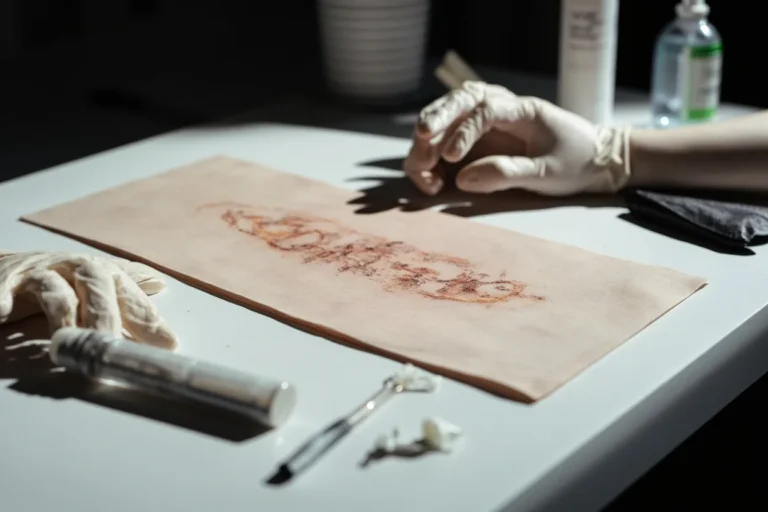
Every tattoo is created by puncturing the epidermis thousands of times per minute and depositing pigment into the dermis. Your body responds to this controlled injury exactly as it would to any other break in the skin: inflammation, fluid weeping, scab formation, and gradual rebuilding of tissue. The difference is that you’re trying to preserve foreign material (ink) in the wound bed rather than expel it.
The surface may stop oozing plasma and ink within 24-72 hours. A thin, dry layer forms. But underneath, the dermis is still knitting together, macrophages are still processing pigment particles, and the skin’s barrier function remains compromised. That sub-surface vulnerability is what makes the first month critical.
Why the Timeline Varies by Person
Healing speed depends on placement, size, technique, and your own biology. Dense blackwork saturates more tissue than fine-line work, creating a larger “injury zone.” Areas with thin skin (inner wrist, ribs, ankles) or high movement (joints) flex and crack the forming scab, restarting the clock. People with slower circulation, smokers, diabetics, those on certain medications, often see extended timelines. Even sleep position matters: stomach sleepers who roll onto fresh back pieces add friction and bacteria exposure.
The Week-by-Week Healing Reality
Understanding what each stage looks and feels like helps you distinguish normal recovery from problems worth addressing.
Days 1-3: The Weeping Phase
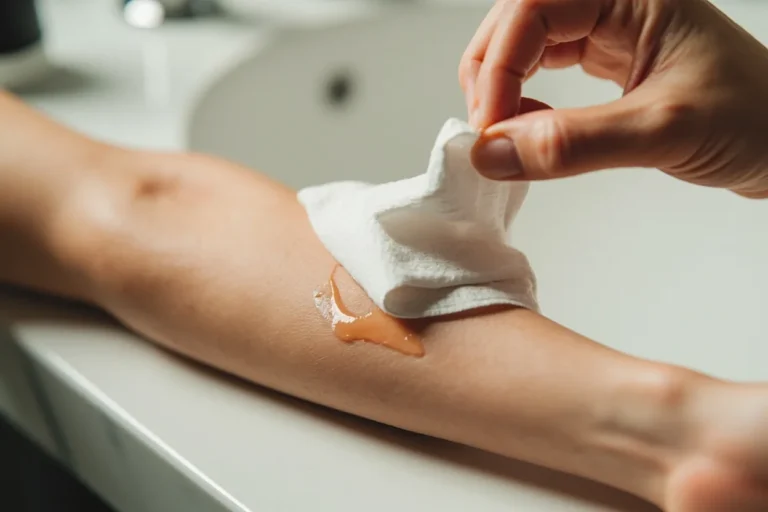
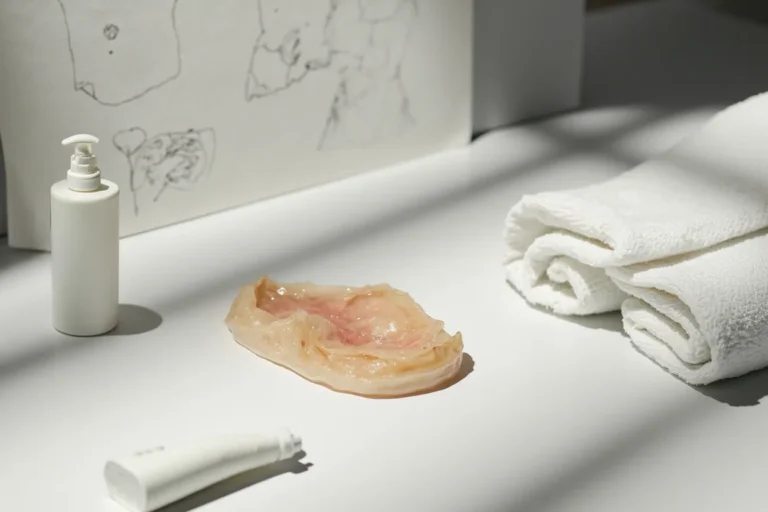
Fresh tattoos leak plasma, excess ink, and lymph fluid. The skin is tender, warm, and slightly swollen. Redness radiates outward from the design. This is when the wound is most openly vulnerable, before any protective barrier has formed. You’ll leave the shop with a bandage or film; follow your artist’s specific instructions on when to remove it, as timing varies by method (traditional wrap vs. second-skin adhesive).
Days 4-14: Scabbing and Peeling
The surface dries. Flaking begins, often with that distinctive “old sunburn” look as dead skin sheds. Underneath, the dermis is still active. The tattoo may look dull or cloudy, this is normal “onion skin” effect from the translucent layer of healing tissue over the ink. Itching peaks during this window. Scratching or picking can pull out ink with the scab, leaving pale spots that require touch-ups.
Weeks 3-4: Surface Closed, Still Fragile
The visible wound has sealed. But the skin is still rebuilding its full thickness and barrier function. The tattoo may look settled in some lights but slightly raised or textured in others. Sun exposure during this window can cause permanent pigment shifts. Many artists consider this the end of the “open wound” phase for practical purposes, though the deeper remodeling continues.
Weeks 4-6: Full Maturation
By now, the epidermis has fully regenerated. The ink has stabilized as macrophages finish their work, some pigment remains permanently in dermal fibroblasts, while excess gets carried to lymph nodes. The design’s final color saturation becomes apparent. Any lingering shininess or texture difference usually resolves.
Aftercare That Actually Protects the Wound
Good aftercare doesn’t “heal” the tattoo faster, your body sets that pace. What it does is prevent complications that extend the open-wound window or damage the final result.
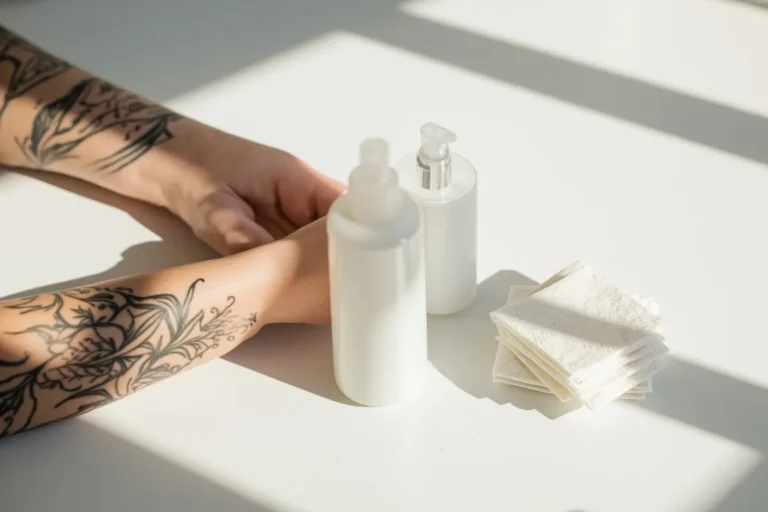
- Washing: Gentle, fragrance-free soap, lukewarm water, clean hands only. No loofahs, no soaking. Pat dry with paper towels, not fabric that harbors bacteria.
- Moisturizing: Thin layers of recommended ointment or unscented lotion. Over-greasing suffocates the wound and can breed infection.
- Clothing: Loose, breathable fabrics over the area. Tight jeans over fresh thigh pieces? Friction, sweat trapping, and ink loss.
- Submersion: Avoid pools, hot tubs, baths, and ocean swimming until the surface is fully sealed, typically two weeks minimum. Quick showers are fine.
- Sun: Complete avoidance while healing. Afterward, SPF 30+ always. UV degrades tattoo pigment directly; healed ink still fades faster without protection.
The “leave it alone” approach works for some film-based aftercare systems, but traditional methods require active, consistent care. Clarify which protocol your artist uses before you leave the shop.
Red Flags: When Normal Healing Becomes Problem
Some symptoms warrant professional attention, not because tattoos are dangerous, but because any open wound can develop complications.
- Spreading redness after day 3, especially with heat or red streaks
- Thick, yellow-green pus versus thin clear plasma
- Fever or feeling generally unwell
- Hard, hot swelling that worsens rather than improves
- Scabs that crack and bleed repeatedly after the first week
Allergic reactions to specific ink colors, particularly red pigments, can present as persistent raised bumps or localized eczema-like patches that don’t follow the normal healing curve. These need dermatologist evaluation, not more lotion.
How Pain and Sensation Change Through Healing
The tattooing itself varies by location and personal tolerance, but the after-pain follows a predictable arc. Days 1-2: sharp tenderness, like a bad sunburn with surface abrasion. Days 3-7: dull ache and tightness, especially with movement. Week 2 onward: itching dominates, sometimes intense enough to disrupt sleep. By week 3, most people feel nothing unless the area is bumped or pressed.
Placement affects this significantly. Tattoos over bone (spine, collarbones, shins) hurt more initially and stay tender longer. Fleshy areas (outer thigh, upper arm) recover faster. Inner arm and torso skin is thin and nerve-dense, so the healing itch can feel more aggressive.
Cost and Touch-Up Considerations
Most reputable artists include one touch-up in the original price, provided you follow aftercare and return within a set window, often 2-6 months. Waiting until the tattoo is fully healed before assessing need is standard. Touch-ups required due to poor aftercare (picking, sun exposure, soaking) may incur extra charges. The best financial protection is treating the wound seriously for the full month.
Large pieces done in multiple sessions need special planning. The open-wound timeline applies to each session individually. Scheduling too close together, before previous work has settled, can overwork the skin and compromise both healing and ink retention.
Key Takeaways
A tattoo functions as an open wound for two to four weeks, with deeper healing extending to six weeks. The surface seals quickly, but the dermis remains vulnerable to infection, sun damage, and mechanical disruption. Aftercare focused on cleanliness, appropriate moisture, and protection from friction and submersion preserves both your health and the artist’s work. Normal healing includes weeping, scabbing, peeling, and itching, knowing the timeline helps you avoid panicking or, conversely, ignoring genuine warning signs. Treat the full month with respect, and the tattoo settles into the lasting image you paid for.
Frequently Asked Questions
Can I work out with a fresh tattoo?
Wait at least 48 hours before any exercise that stretches the tattooed area or causes heavy sweating. Gyms are bacterial hotspots, and friction from clothing or equipment can damage healing skin. Light cardio that doesn’t involve the tattooed limb is usually fine after the first few days if you can keep it clean and dry.
Why does my tattoo look cloudy during healing?
That milky or dull appearance is the “onion skin” effect, a thin layer of new, translucent epidermis forming over the ink. It typically resolves by week 3-4 as the skin fully matures and light hits the pigment directly again. If cloudiness persists after a month, consult your artist.
Is it normal for a tattoo to still be raised after two weeks?
Slight texture or raised areas can linger while deeper tissue remodels, especially with heavy shading or color packing. However, pronounced, persistent raised lines or bumps may indicate an allergic reaction to specific ink or early hypertrophic scarring. Have an artist or dermatologist assess it if you’re concerned.
How does tattoo placement affect how long it stays an open wound?
Areas with thin skin, frequent movement, or poor circulation heal slower. Inner wrists, ribs, feet, and joint areas often take the full four weeks or slightly longer. Upper arms, outer thighs, and calves with thicker skin and less motion typically seal faster and with fewer complications.
Related Tattoo Guides
- How Long to Wash Your Tattoo: A Complete Aftercare Guide
- How Long to Keep Your Tattoo Bandage On: A Complete Guide
- How Long to Keep a New Tattoo Out of Water
- Explore more