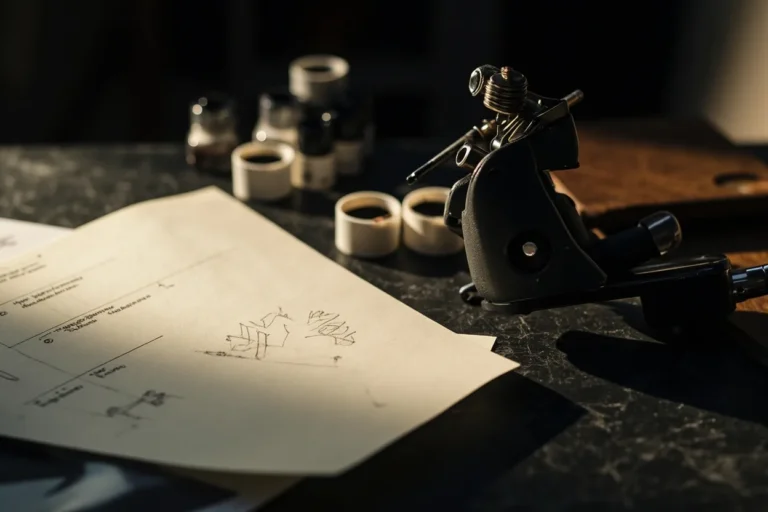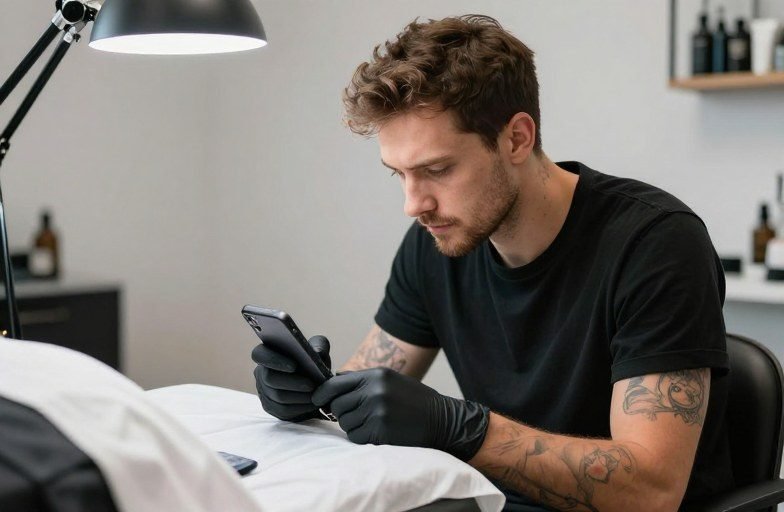
The best way to message a tattoo artist is to be concise, specific, and respectful of their time. Include your idea, preferred placement, approximate size, reference images, and your availability. Avoid vague requests like “I want something cool” or asking for price quotes without providing enough detail to estimate.
What to Expect Step by Step
First Contact
Most artists prefer email, Instagram DM, or a shop booking form, never call the shop expecting to hash out a full design over the phone. Your first message should hit five points: what you want, where on your body, roughly how big (in inches or by comparing to a common object), any reference images you’ve gathered, and when you’re hoping to get tattooed. Attach references as links or images; don’t expect the artist to dig through your profile.
Here’s what a solid first message looks like:
- “Hi [Name], I’m hoping to book a session for a single needle fine line snake around my forearm, roughly 6 inches long. I’ve attached three reference photos of snake poses I like and two examples of your linework that match the style I’m after. I’m flexible on dates but prefer weekday afternoons. Thanks for your time.”
That message gives the artist everything needed to say yes, no, or ask follow-ups. It shows you’ve done your homework on their portfolio.
The Response and Deposit
Response times vary wildly. Established artists might take 3-7 days; others answer within hours. If you haven’t heard back in two weeks, a single polite follow-up is acceptable. Once they express interest, they’ll typically quote a price range or hourly rate, propose dates, and request a deposit, usually $50-$200, non-refundable, applied to your final session. This deposit secures the appointment and compensates for design time.
The Direct Answer
Let’s cut to what you’re actually trying to do: get from “I have an idea” to “I have an appointment” with minimum friction. The direct answer is that artists want clients who make their job easier, not harder. That means organized communication, reasonable flexibility, and no hidden expectations.
Before messaging, spend real time in the artist’s portfolio. Note whether they specialize in American traditional, black and grey realism, Japanese, fine line, or another style. Messaging a realism artist about a tiny finger tattoo wastes both your time. Similarly, check their location and travel schedule, many artists guest spot in other cities, but most work from a fixed studio.
- Do mention: budget range (if asked), skin conditions that affect tattooing (eczema, keloid history), previous tattoos in the same area
- Don’t mention: copying another artist’s custom piece exactly, haggling on deposit, asking for “just a quick sketch” before booking
Price discussions should happen after the artist understands the scope. Asking “how much for a half sleeve” in your first message is like asking a contractor “how much to renovate a room” without saying which room or what you want done.
Pain & Comfort
What Actually Hurts
Pain varies by placement, not by how tough you are. Ribs, sternum, spine, inner bicep, and kneecaps generally hurt most due to thin skin over bone or nerve clusters. Outer forearm, thigh, and calf tend to be more manageable. Fatty areas with muscle underneath usually register as dull pressure rather than sharp sting.
Line work and single needle feel different from heavy shading or color packing. Long, continuous lines can create a burning sensation as the skin gets worked repeatedly in one pass. Shading spreads the trauma across a wider area, which some people find easier to endure.
Session Length and Breaks
Most artists schedule in blocks: 2-3 hours for smaller pieces, 4-6 hours for more substantial work, full day sessions (5-8 hours of actual tattooing) for larger projects. Your skin stops accepting ink well after about 4-5 hours, swelling and trauma make further work counterproductive. Ask for a break when you need one; good artists prefer a short pause to a client twitching through the last hour.
Eat a solid meal beforehand. Bring water and a snack. Don’t drink alcohol before or during, it thins blood, increases bleeding, and legally complicates consent in many shops.
Realistic Expectations
Design Revisions and Artist Input
You’re hiring an artist for their vision, not just their hands. Most will sketch your idea, often the night before or morning of your appointment, not weeks ahead. Major revisions to the design should happen during the consultation phase, not when you’re sitting in the chair. Small adjustments, shifting an element, tweaking size, are normal at the stencil stage.
Trust matters. If you’ve chosen an artist whose healed work you admire, trust their judgment on what will age well, fit the body part, or read clearly at the intended size. An artist might refuse to do something too small, too detailed, or in a spot that won’t hold ink, this is professional judgment, not obstinacy.
Cost and Tipping
Hourly rates in the US range broadly: $150-$250 for newer artists in smaller markets, $300-$500+ for established names in major cities. Flat rates for specific pieces are common for smaller work. Budget 15-20% for tip on top of the tattoo price, cash preferred. Some artists own their shop and don’t expect tips; others rely on them significantly. When in doubt, ask the shop manager discreetly.
When to See a Professional
Red Flags in Communication
Some interactions signal you should walk away. An artist who mocks your idea, pushes you toward something completely different without explanation, or refuses to discuss hygiene practices deserves skepticism. Similarly, be wary of anyone who guarantees a price without seeing references or discussing placement, either they’ll lowball and upsell later, or they don’t understand their own business.
Shop Standards
Professional shops use single-use needles, autoclave-sterilized equipment, and new gloves for each setup. They should open new needle packages in front of you and explain aftercare clearly. If an artist works from home without a health department permit, or operates in a space that doubles as a kitchen or living room, that’s not “intimate and cool”, it’s unregulated and risky.
- Check: portfolio consistency, healed tattoo photos (not just fresh work), shop cleanliness, license displayed
- Question: vague pricing, pressure to book immediately, unwillingness to discuss aftercare
Healing Timeline
First Two Weeks
Fresh tattoos weep plasma and ink for 24-48 hours. Most artists recommend washing gently with unscented soap, patting dry, and applying a thin layer of recommended ointment or lotion. The first week brings scabbing and peeling, don’t pick, don’t soak in baths or pools, and keep it out of direct sunlight. Tight clothing over the area causes friction and can pull scabs prematurely.
Month One and Beyond
Surface healing completes in 2-4 weeks, but the deeper skin layers continue settling for 2-3 months. The tattoo will look duller during peeling, that’s normal, not faded ink. After a month, switch to regular unscented moisturizer. Sunscreen becomes essential for preserving color and line crispness; UV exposure is the primary cause of tattoo aging and blur.
Touch-ups are sometimes needed, especially for color-heavy pieces or areas that see lots of movement and friction. Many artists include one free touch-up within 6-12 months; ask about this policy when booking.
The Takeaway
Messaging a tattoo artist well comes down to preparation and respect. Research their actual work, organize your thoughts and references, communicate clearly, and trust the process once you’ve chosen someone competent. The artists who book solid and produce great work aren’t looking for the most creative email, they’re looking for clients who value their time and expertise. Get the details right in your first message, and you’ll move from inquiry to appointment faster than most.
Frequently Asked Questions
Should I message multiple artists at once for the same tattoo idea?
Yes, it’s fine to reach out to several artists simultaneously, especially if you’re comparing styles or availability. Just be transparent if someone asks, and don’t ghost an artist who responds, send a brief note if you’ve chosen someone else.
How do I handle it if an artist says my idea won’t work well as a tattoo?
Listen carefully to their reasoning. Artists decline ideas for technical reasons, too much detail at small sizes, poor aging, or problematic placement, not to shut you down. Ask what modifications would make it viable, or whether a different style would solve the problem.
Is it okay to ask an artist to replicate another tattoo I found online?
No, don’t ask an artist to copy another person’s custom tattoo exactly. Using a tattoo as reference for style or mood is acceptable; asking for a duplicate is considered disrespectful to both artists and can damage your relationship with the one you’re contacting.
What if I need to reschedule after paying a deposit?
Most deposits transfer to a new date if you give adequate notice, typically 48-72 hours. Last-minute cancellations or no-shows usually forfeit the deposit. Check the shop’s policy when you book, and communicate changes as early as possible.
Related Tattoo Guides
- Can a Tattoo Heal in a Week? What Artists Actually See
- How to Reduce Tattoo Swelling: A Working Artist s Guide
- Jason Painting Tattoo Guide: Design, Placement Aftercare
- Explore more