
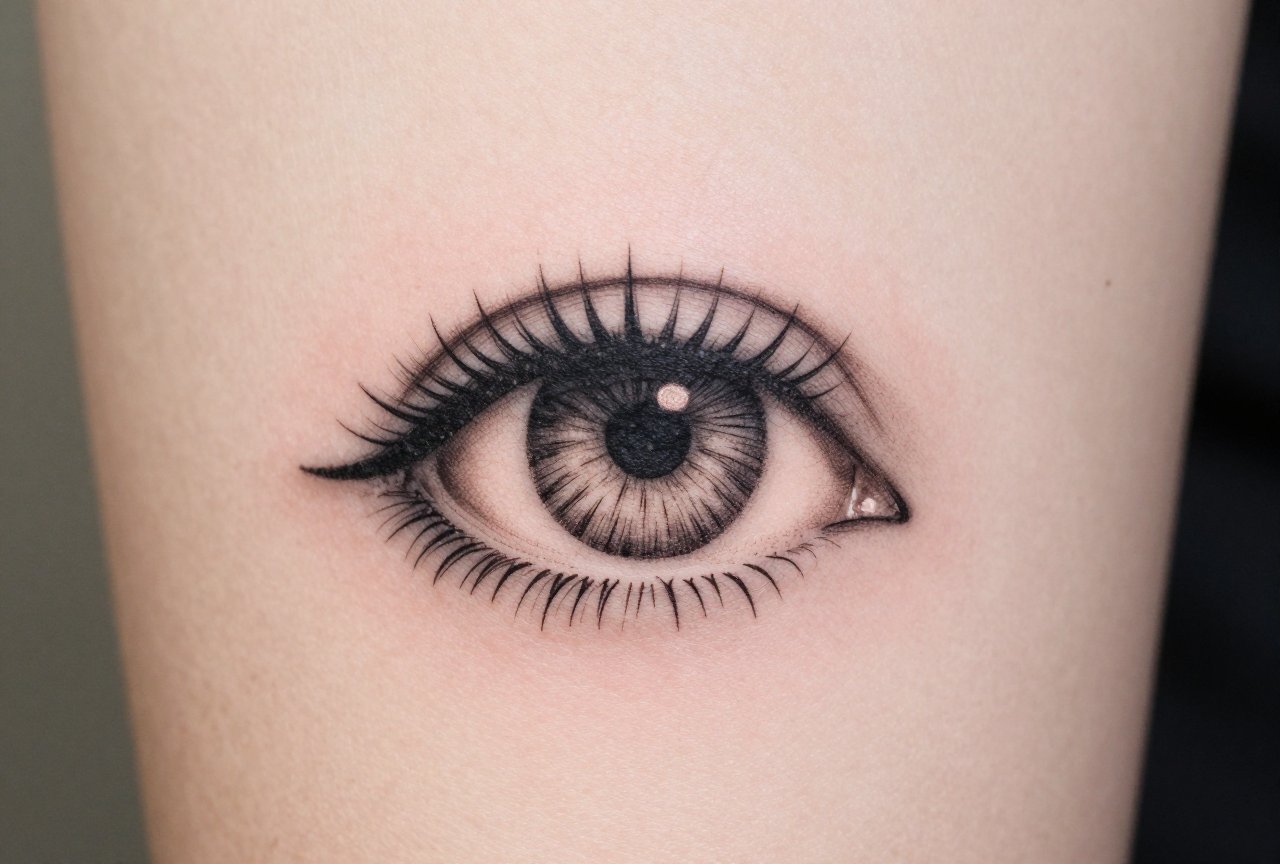
The all seeing eye tattoo most commonly represents divine watchfulness, spiritual awakening, and protection from unseen forces. Rooted in centuries of religious and esoteric tradition, this symbol has evolved into a versatile design that carries meanings ranging from personal enlightenment to rebellion against conventional power structures. Its enduring popularity stems from its visual impact and the layered interpretations that allow each wearer to claim a unique significance.
Symbolism & History
The eye enclosed within a triangle or radiating light carries profound historical weight across multiple cultures and belief systems. Understanding these origins enriches the modern tattoo’s meaning and helps collectors choose designs that genuinely resonate with their personal philosophy.
- Ancient Egyptian Origins: The Eye of Horus (Wedjat) served as a protective amulet associated with healing, wholeness, and royal power. Its distinctive stylized form differs from the later all seeing eye but established the eye as a potent spiritual symbol.
- Christian Iconography: The Eye of Providence, often depicted within a triangle surrounded by clouds or light, represents God’s omniscience and watchful care over humanity. This version appeared prominently in Renaissance art and on the reverse of the Great Seal of the United States.
- Freemasonry and Esoteric Traditions: Adopted by Masonic lodges in the 18th century, the symbol came to represent the Great Architect of the Universe and the pursuit of hidden knowledge. This association fueled both fascination and conspiracy theories that persist today.
- Modern Spirituality: Contemporary wearers often interpret the symbol as third eye awakening, intuition, and higher consciousness drawn from Hindu and Buddhist chakra traditions.
Common Variations & Styles
The all seeing eye adapts remarkably across tattoo genres, each style emphasizing different aspects of its meaning. Artists frequently customize the core motif to align with individual aesthetic preferences and symbolic intentions.
- Traditional American: Bold black outlines, limited color palette, and straightforward triangular framing create a timeless, immediately recognizable design that emphasizes protection and steadfastness.
- Realistic: Highly detailed human eyes rendered in grayscale or color, sometimes emerging from geometric or organic surroundings, create unsettling intensity and emphasize personal perception.
- Geometric and Dotwork: Precise lines, mandala patterns, and stippled shading transform the symbol into mathematical meditation, often paired with sacred geometry elements like the Flower of Life or Metatron’s Cube.
- Blackwork and Ornamental: Heavy saturation and decorative framing draw from woodcut and engraving traditions, creating dramatic contrast and historical gravitas.
- Neo-Traditional and Illustrative: Expanded color ranges, stylized natural elements, and narrative compositions allow storytelling integration, such as eyes within animal skulls, celestial bodies, or botanical arrangements.
Best Placements
Placement significantly influences how the all seeing eye tattoo functions visually and symbolically. Certain locations amplify specific meanings and practical considerations.
- Forearm or Wrist: Highly visible placement suggests transparency, vigilance, and openness to being witnessed. Popular for those embracing the symbol as personal accountability.
- Back of Neck or Between Shoulder Blades: Creates the sensation of being watched from behind, literally embodying protection from unseen threats. The triangle naturally conforms to upper back musculature.
- Chest or Sternum: Central placement over the heart emphasizes spiritual core and internal wisdom. Often chosen for deeply personal, private meanings.
- Hand or Finger: Bold statement of constant awareness and intentionality. The eye literally guides the wearer’s actions, though these placements require commitment to visibility and accelerated aging.
- Thigh or Calf: Larger canvas allows intricate detail and surrounding composition. More concealable for professional environments while permitting artistic ambition.
Who Chooses This Tattoo / Personal Meanings
Collectors drawn to the all seeing eye represent diverse backgrounds and motivations. The symbol’s ambiguity proves its strength, accommodating transformation across life circumstances.
- Spiritual Seekers: Individuals exploring meditation, energy work, or alternative consciousness practices often select the third eye interpretation as external commitment to internal growth.
- Survivors and Protectors: Those who have experienced betrayal, trauma, or vulnerability sometimes adopt the symbol as talismanic protection and renewed vigilance against future harm.
- Artists and Visionaries: Creative professionals frequently identify with the eye as representation of unique perception, critical observation, and the courage to see uncomfortable truths.
- History and Symbolism Enthusiasts: Collectors fascinated by iconography, conspiracy culture, or fraternal history appreciate the design’s documentary quality and conversation-starting potential.
- Those Reclaiming Narratives: Some wearers deliberately subvert negative associations, transforming a symbol sometimes linked to surveillance and control into personal empowerment and sovereign awareness.
Similar Symbols
The all seeing eye exists within a broader family of eye-related iconography that tattoo collectors sometimes consider as alternatives or complementary designs.
- Eye of Horus / Ra: The distinct Egyptian profile with cosmetic markings carries more specific cultural heritage and medical protective associations.
- Nazar (Evil Eye): The blue and white concentric circles of Mediterranean and Middle Eastern tradition focus specifically on deflecting malicious intent rather than divine observation.
- Hamsa Hand: The palm-shaped amulet incorporating an eye combines protective functions with feminine energy and multicultural accessibility.
- Third Eye Chakra (Ajna): Often depicted as an indigo lotus or simplified dot between brows, this emphasizes internal psychic development over external watchfulness.
- Crying Eye: A more emotionally raw variant that transforms vigilance into vulnerability, mourning, or empathetic witnessing of suffering.
Final Thoughts
The all seeing eye tattoo endures because it refuses singular definition. Whether worn as sacred emblem, artistic statement, or philosophical provocation, its power lies in the dialogue between ancient tradition and individual interpretation. Working with an experienced artist who understands symbolic nuance ensures your design transcends trend to become genuinely personal iconography.









