Origin and Early Training
Andres Acosta built his foundation in Bogotá, Colombia, where the tattoo scene of the late 2000s offered limited formal apprenticeship structures. Most artists of his generation learned through observation, trial, and direct mentorship under established figures in small private studios. Acosta’s early work often linked to the black-and-gray tradition prevalent in Latin American tattooing during that period, though he quickly distinguished himself through an unusual attention to botanical and ornamental detail that many contemporaries overlooked.
His relocation to the United States expanded both technical resources and client expectations. Working across multiple states before settling in Austin, Texas, Acosta encountered diverse skin types, healing environments, and aesthetic preferences that refined his approach to design adaptation.
Technical Foundations
Acosta’s linework relies on coil machines for specific applications and rotary machines for others, a hybrid approach he developed through years of adjusting to different project scales. His needle groupings tend toward tight configurations, 3-round liners for fine detail and single-needle work for stippled textures. Understanding his tool preferences matters if you seek similar results, though individual machine setup remains deeply personal across artists.
- Consistent needle depth between 1.5mm and 2mm for most applications
- Preference for dynamic gray wash sets over premixed values
- Hand-mixed blacks rather than straight carbon for softer healed tones
- Stabilization techniques emphasizing wrist rotation over finger movement
Signature Style Characteristics
Identifying an Acosta piece requires attention to several recurring elements. His ornamental work features densely packed geometric patterns that maintain readability at small scales, a difficult balance many ornamental artists sacrifice for complexity. The negative space functions actively rather than passively, carved out with the same intention as the inked lines.
Botanical subjects dominate his portfolio, rendered with particular attention to growth direction and seasonal accuracy. A peony in Acosta’s work typically shows specific petal layering rather than generic flower symbolism. This botanical precision extends to his approach to cover-ups, where existing tattoos get incorporated into new organic forms rather than simply masked.
Ornamental and Pattern Work
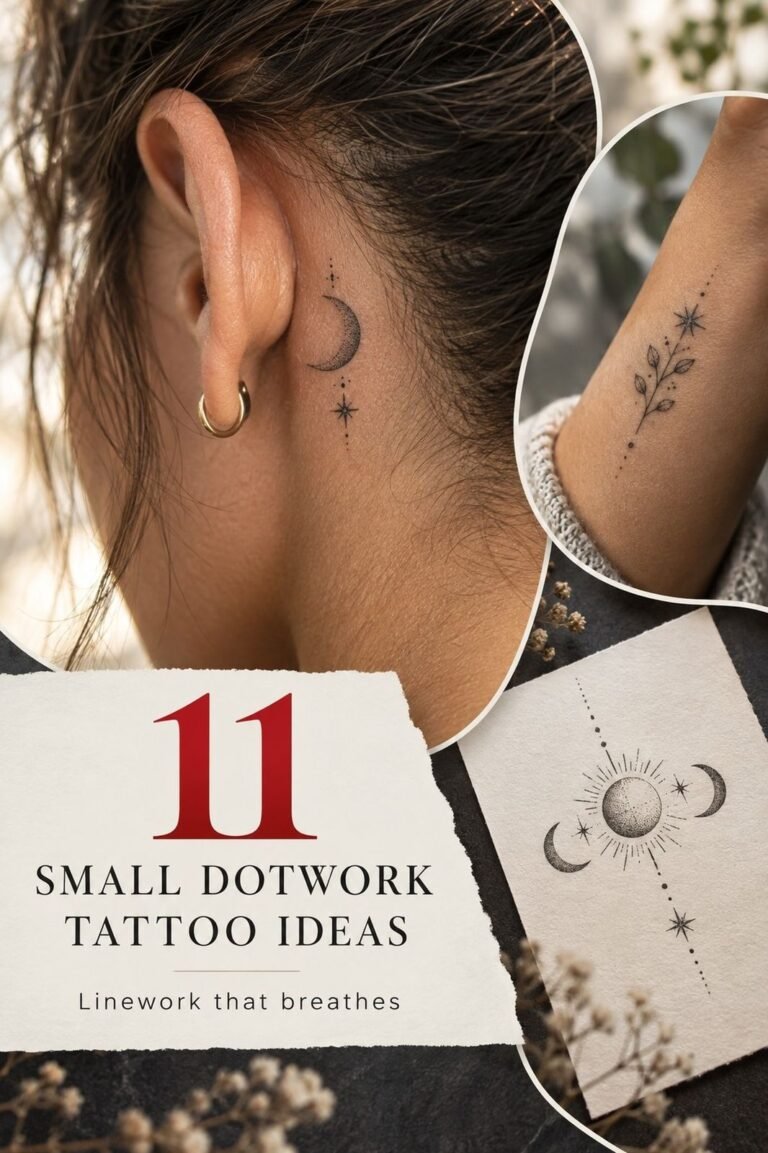
The ornamental category encompasses mandala-derived forms, mehndi-inspired flowing lines, and architectural geometric constructions. Acosta’s contribution to this style lies in his adaptation of traditional pattern sources to body contours. A sternum piece curves differently than a flat drawing would suggest; his designs account for this through graduated density that shifts with the body’s movement.
Key technical markers include:
- Dotwork gradients that transition smoothly without visible stepping
- Symmetrical constructions that hold accuracy across curved surfaces
- Border treatments that frame rather than contain the central image
- Integration of ornamental frames with realistic central subjects
Working Process and Client Collaboration
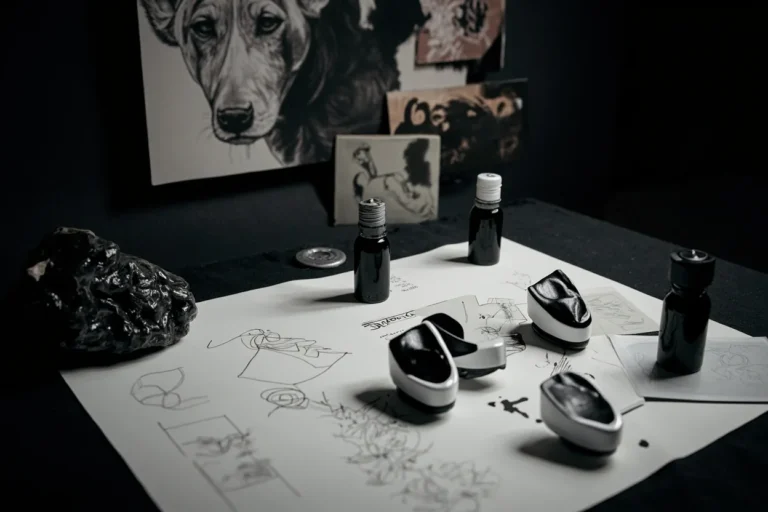
Acosta’s consultation approach emphasizes reference gathering over immediate design presentation. Clients typically submit visual inspiration across multiple categories, not limited to tattoo imagery. Botanical illustrations, textile patterns, architectural photography, and natural specimens all contribute to the design development.
The design phase usually involves several iterations, with particular attention to scale testing through stencil placement and photo evaluation. This methodical preparation reduces revision needs during the tattoo session itself, though Acosta maintains flexibility for adjustments once needle meets skin.
Session Structure and Pacing
Long sessions characterize much of his ornamental work, with single sittings extending to six or seven hours for substantial pieces. His pacing alternates between intense linework periods and rest intervals that allow both artist and client to assess progress. This rhythm differs from artists who complete outlines before any shading begins; Acosta often works sectionally, finishing discrete areas to completion before advancing.
For collectors considering similar extended sessions, several factors affect outcomes:
- Skin response varies dramatically across body zones and individual physiology
- Ornamental work requires sustained precision that degrades with fatigue
- Healing considerations may dictate breaking large projects into multiple appointments
- Aftercare protocols must accommodate the specific trauma patterns of dense pattern work
Portfolio Evolution and Current Directions
Acosta’s visible work has shifted gradually from predominantly black-and-gray toward selective incorporation of muted color. Earth tones, desaturated greens, and dusty rose appear in recent botanical pieces, applied with restraint that preserves the graphic impact of his earlier period. This evolution reflects broader trends in contemporary tattooing while maintaining identifiable continuity with his established approach.
Scale has increased in recent years, with more full-back and full-torso projects appearing in documented work. The technical demands of large-scale ornamental composition differ substantially from smaller pieces; maintaining visual coherence across extensive body areas requires sophisticated planning of focal points and rest areas.
Cross-Cultural Influences
Colombian visual traditions inform Acosta’s work in ways that resist simple categorization. Pre-Columbian geometric patterns, colonial religious ornament, and contemporary Latin American graphic design all contribute reference points that he synthesizes rather than directly quotes. This layered source material distinguishes his ornamental work from artists working purely within European or Japanese pattern traditions.
Collectors interested in culturally informed tattooing should research specific symbols rather than accepting generalized aesthetic borrowing. Acosta’s approach generally favors formal adaptation over direct cultural reference, though individual pieces may carry specific significance that warrants understanding.
Technical Considerations for Prospective Clients
Booking Acosta’s work requires patience; his appointment availability typically extends months forward. The investment reflects both technical execution and the extensive design preparation his projects demand. For collectors evaluating whether his style suits their intentions, several practical factors deserve attention.
Skin type significantly affects how ornamental work heals and ages. Oily skin tends to spread fine lines more readily; dry skin may retain stippled detail longer but can heal patchily. Acosta adjusts needle depth and ink saturation for these variables, though limitations exist for certain skin conditions. His portfolio shows work across diverse skin tones, with particular attention to how gray wash values read differently on melanin-rich skin.
Aftercare Specifics
Ornamental and botanical tattoos present unique healing challenges. Dense pattern work creates more overall skin trauma than equivalent area of simpler design. The healing process requires:
- Extended moisturizing periods beyond standard tattoo aftercare timelines
- Protection from sun exposure for longer durations to preserve fine detail
- Careful attention to any scabbing that might obscure stippled gradients
- Patience with the settling period before final values become apparent
Position Within Contemporary Tattooing
Acosta occupies a specific position in the current ornamental tattoo landscape: technically accomplished without pursuing the extreme minimalism some contemporaries favor, culturally grounded without explicit traditionalism, and commercially successful while maintaining selective project acceptance. This positioning offers collectors a particular value proposition that differs from artists emphasizing either avant-garde experimentation or classical fidelity.
His influence extends through direct mentorship and the broader visibility of his documented work. Artists across multiple regions have adapted elements of his approach to botanical rendering and ornamental framing, though direct imitation remains limited by the technical difficulty of his specific execution.
Final Thoughts
Evaluating Andres Acosta as a tattoo artist requires looking past surface aesthetic appeal to understand the technical and conceptual consistency underlying his portfolio. His work rewards sustained attention; the density of information in a given piece reveals itself gradually, mirroring the slow unfolding of the natural forms he often depicts. For collectors drawn to ornamental or botanical tattooing, his approach offers a model of how precision and organic reference can coexist without either dominating the other.
The decision to pursue work with any specific artist ultimately depends on alignment between their demonstrated capabilities and your specific intentions. Acosta’s documented output provides substantial material for this evaluation, though direct consultation remains essential for understanding how your particular project might develop. His contribution to contemporary tattooing lies not in radical innovation but in the sustained refinement of a recognizable approach that connects multiple technical and visual traditions into coherent individual expressions.
Frequently Asked Questions
How far in advance should I book an appointment with Andres Acosta?
His appointment availability typically extends several months forward due to the extensive design preparation his projects require. The specific timeline varies by project scale and his current booking load. Contacting his studio directly provides the most accurate estimate for your particular piece.
Does Andres Acosta work in color, or only black and gray?
While his foundational work is predominantly black-and-gray, his recent portfolio incorporates selective muted color including earth tones, desaturated greens, and dusty rose. Color application remains restrained and serves the overall graphic impact rather than dominating the composition. Discuss specific color intentions during consultation.
What should I prepare for a consultation with Andres Acosta?
Collect visual reference across multiple categories beyond tattoo imagery. Botanical illustrations, textile patterns, architectural photography, and natural specimens all contribute to his design development. Be prepared to discuss placement, scale, and any existing tattoos that might affect the new piece. The consultation emphasizes collaborative reference gathering rather than immediate design presentation.
How does Andres Acosta’s ornamental work differ from other artists in the same style?
His ornamental work maintains readability at small scales while achieving dense pattern complexity, a balance many artists sacrifice. His negative space functions actively rather than passively. Additionally, his Colombian visual heritage informs pattern sources through layered synthesis rather than direct quotation, distinguishing his approach from artists working purely within European or Japanese ornamental traditions.