I’ve had a guy walk into my shop with a Bible verse scribbled on a napkin, shaking because he wanted it perfect. I’ve tattooed crosses on grandmothers who finally got brave at seventy, and full sleeves on kids fresh out of youth group. Christianity tattoos hit different than other religious ink, they’re personal, often deeply private, and they carry weight that outlasts the trend of the month. If you’re thinking about putting your faith on your skin, here’s what actually works, what ages well, and what I tell clients when they sit in my chair.
Popular Styles That Hold Up
Not every style translates to Christian imagery. I’ve seen watercolor crosses that looked like a bruise after two years, and hyper-realistic praying hands that aged into smudgy blobs. Here’s what we actually do in shops that stands the test of time.
Traditional and Neo-Traditional
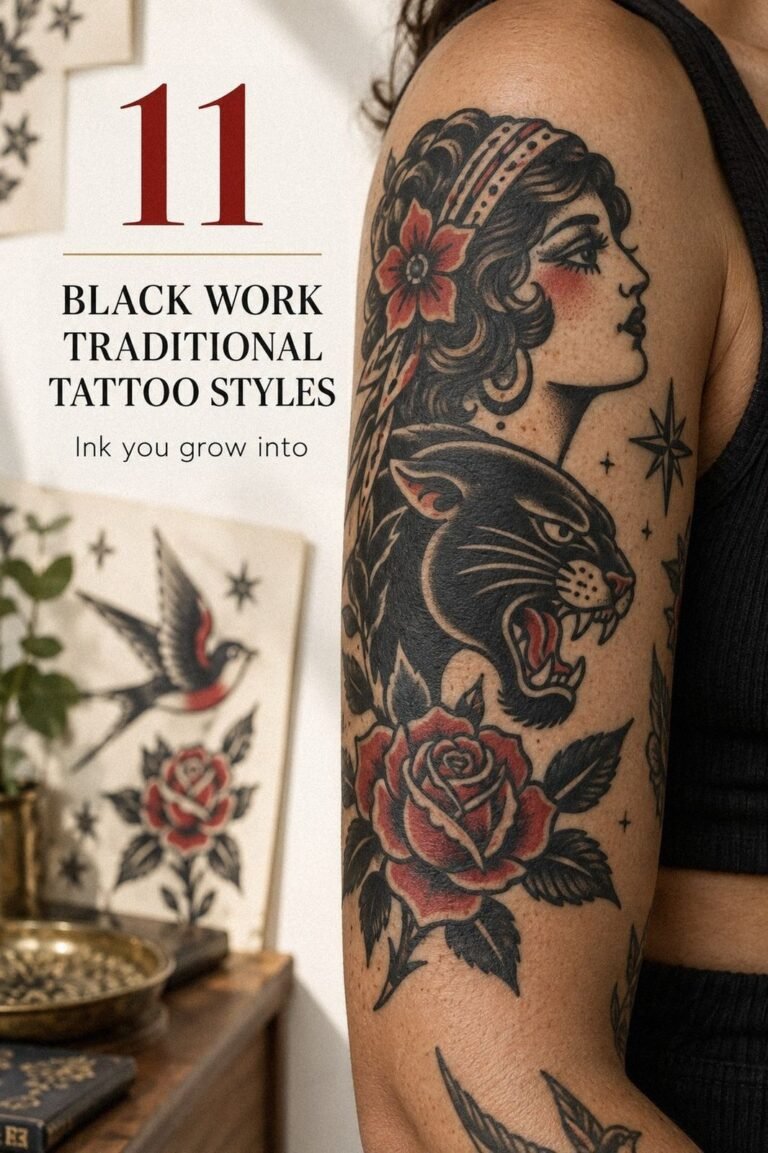
Bold black lines, limited color palette, strong readability. Traditional crosses with banners, roses, or doves heal clean and stay legible from across the room. The thick outlines fight the natural spread that happens under skin over decades. I did a traditional cross with a scroll reading “Philippians 4:13” on a firefighter’s forearm eight years ago; it still reads clear as day.
Black and Gray Realism
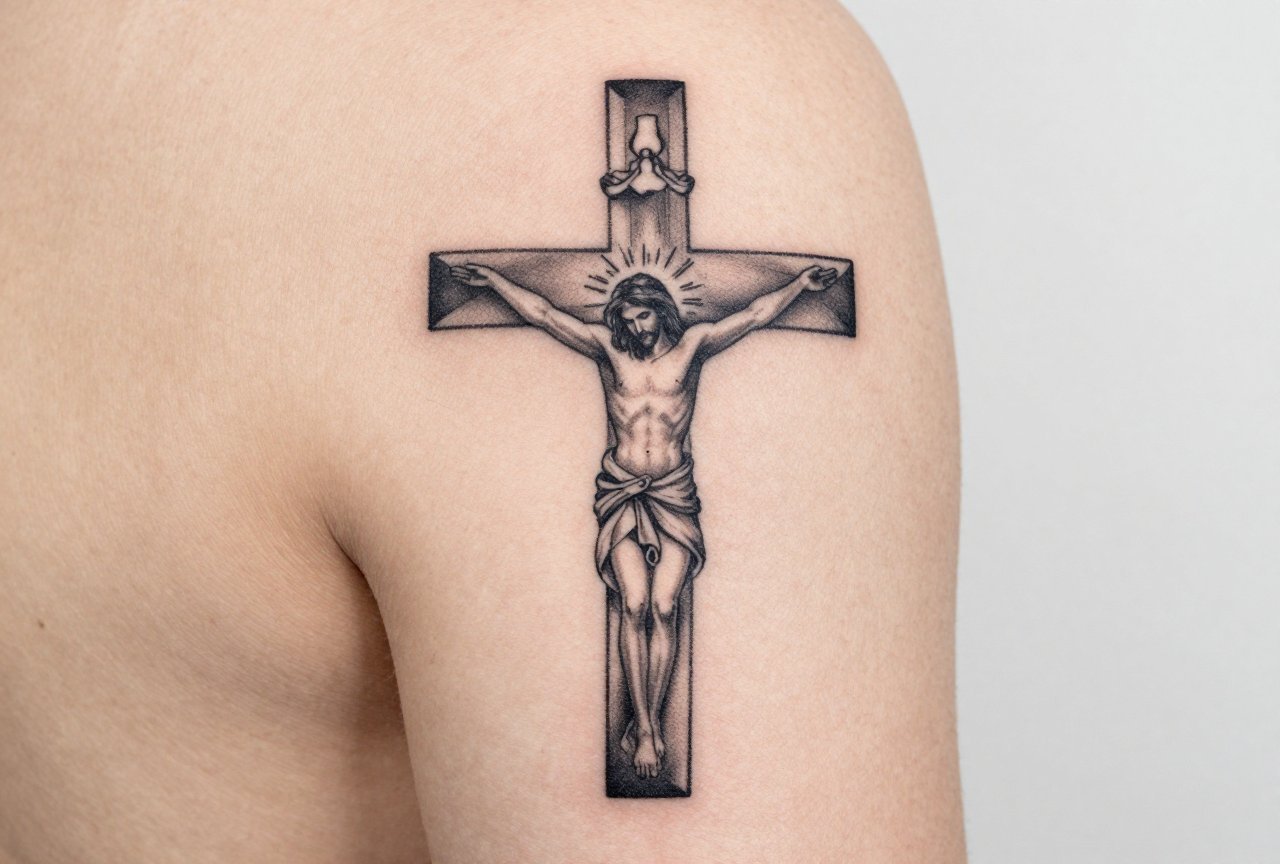
When you want Christ’s face, a crown of thorns, or hands in prayer, realism demands a skilled artist. The shading must be deep enough to survive the healing process and the sun. Light gray washes disappear, I’ve watched them vanish into skin like fog. Go to someone who specializes in religious portraits, not your buddy’s basement setup.
Fine Line and Minimalist
Small crosses behind the ear, tiny fish symbols, single-needle scripture references. These are popular right now, but I’m honest with clients: fine line fades faster. A delicate cross on the wrist might need touch-ups every few years. If you’re okay with that, great. If you want permanence, scale up or thicken the lines.
- Traditional/Neo-Traditional: Bold, readable, ages best
- Black and Gray Realism: Requires specialist, stunning when done right
- Fineline/Minimalist: Subtle, trendy, plan for maintenance
- Lettering/Scripture: Font choice determines longevity
Design Ideas With Real Meaning
I’ve tattooed hundreds of crosses. The ones that mean something years later usually come with a story the client tells me while I’m wiping ink.
Crosses Beyond the Basic
The plain Latin cross is classic, but variations carry specific weight. A Celtic cross with its circle and knotwork connects to heritage and the eternal nature of God. The Orthodox three-bar cross tells the full story, Jesus’s feet, the penitent thief, the sign above. I’ve done wooden-textured crosses that look like actual rough timber, nails and all, for clients who wanted to feel the sacrifice. A simple cross with a date integrated into the horizontal bar memorializes a lost loved one without being cheesy.
Scripture and Lettering
Verse references (John 3:16, Romans 8:28) work better than full passages unless you’ve got serious real estate. Full verses on ribs or thighs can work, but I’ve had to explain that ten lines of text becomes ten lines of blur over time. Font matters enormously. Flowing script looks feminine and soft; block lettering reads masculine and strong. I always make clients read their chosen verse out loud before we stencil it, catching typos is my nightmare.
- Ichthys (fish symbol), subtle, ancient, conversation starter
- Alpha and Omega, beginning and end, often paired
- Dove with olive branch, peace, Holy Spirit, post-baptism ink
- Crown of thorns, intense, usually wrapped around arm or leg
- Angel wings, memorial pieces, often with names or dates
- Chi-Rho, early Christian symbol, Greek letters, less common
Best Placements for Christian Tattoos
Where you put it changes how you live with it. I talk placement with every client because it’s not just about pain, it’s about visibility, aging, and how the design flows with your body.
The forearm is the confession booth of tattoo placement. Everyone sees it. Clients who want their faith visible, who work in places where tattoos are accepted, who want to be asked about it, forearm works. I did a half-sleeve of the Prodigal Son story on a pastor’s right arm; he uses it in sermons. The downside? Job interviews, family reunions, no hiding it.
Ribs and side pieces hurt like hell but stay private. Full scripture passages, large crosses, scenes from the Passion, these work on ribs because you’ve got vertical space. The skin there moves a lot, so healing is annoying. You’ll be sleeping on your other side for two weeks.
Upper arms and shoulders are the sweet spot. Easy to show, easy to cover. I’ve done so many crosses on the deltoid I could stencil it blindfolded. The skin is stable, heals predictably, and the muscle underneath gives the design structure.
Hands, fingers, neck, visible, fast to fade, painful. I warn people: a cross on your hand is a statement you can’t take back. The skin there sheds and regenerates constantly. I’ve seen finger crosses need redoing in under three years.
- Forearm: Visible, social, moderate pain
- Upper arm/shoulder: Versatile, ages well, classic
- Ribs/side: Private, painful, good for text
- Back: Canvas for large scenes, crosses with wings
- Chest over heart: Intimate, personal, significant pain
Color Choices and What They Mean
Black and gray dominates Christian tattooing for good reason. It ages gracefully, stays dignified, and matches the somber weight of crucifixion imagery. But color has its place.
Red for the blood of Christ, the sacrifice, the martyrs. I use it sparingly, a drop at the base of a cross, a subtle glow behind a sacred heart. Too much red looks like a wound, and red pigment fades to pink faster than black fades to gray.
Gold for halos, crowns, divine light. Metallic gold doesn’t exist in tattoo ink; we fake it with yellow ochre and brown shading. It reads as gold against black and gray. I’ve done golden crowns on Christ figures that still glow after five years because the surrounding dark values make the yellow pop.
Blue for Mary, for heaven, for water and baptism. Sky blue holds up better than navy, which can heal almost black. I tell clients who want blue robes to expect some darkening.
White ink is a trap. It yellows, it disappears into light skin, it raises and looks like scar tissue. I rarely use it for highlights in religious work, and I talk clients out of white-only designs.
Tips for Choosing Your Design
After fifteen years in this chair, here’s what I wish every client knew before they walked in.
Research Your Artist
Not every tattooer does religious work well. Look at portfolios for healed photos, not just fresh ink. A cross that looks crisp on day one but blown out at year three is a failure. Ask to see healed religious pieces. If they don’t have any, find someone who does. This isn’t the place for a first-timer discount.
Know Your Why
I ask every client: why this design, why now? The ones who hesitate, who say “I just thought it looked cool,” I push harder. Religious tattoos carry energy. You’ll be explaining it, defending it, living with it when your faith wavers. Make sure it’s anchored deeper than aesthetics.
- Bring reference images, not just Pinterest screenshots, art, paintings, sculpture
- Consider the original language for scripture: Hebrew, Greek, Aramaic have visual power
- Size matters: small details blur, give important elements room to breathe
- Think about your future body: weight change, muscle gain, aging skin
- Budget for quality: religious portraits are not where you bargain shop
Final Thoughts
I’ve watched Christianity tattoos become more accepted in mainstream culture, and I’ve watched some become regrettable trends. The ones that last, that still matter to people when they’re old and wrinkled, share common DNA: personal meaning, technical quality, and placement that fits the life being lived.
Your faith tattoo doesn’t need to be massive or dramatic to be significant. The smallest Ichthys on an ankle can carry the same weight as a full back piece if it means something real. What matters is that you choose thoughtfully, find an artist who respects the subject, and commit to caring for it while it heals. The body is a temple, after all, decorate yours with intention.
Frequently Asked Questions
Will a cross tattoo on my forearm hurt more than other placements?
The forearm is actually moderate on the pain scale, bone near the wrist stings, but the meaty inner arm is manageable. Ribs, chest, and spine hurt far worse. I’ve had clients fall asleep during forearm work.
How do I make sure my Bible verse tattoo doesn’t have a typo?
Triple-check your source, read it aloud to your artist, and have a second person verify. I stencil it, then have you read it again before needles touch skin. Once it’s in, it’s permanent.
Can I get a Christian tattoo if my church discourages body art?
That’s between you and your convictions. I’ve had clients wait until they left restrictive communities, others who got it discreetly and kept it private. Your body, your faith journey, your choice.
Do religious tattoos need special aftercare compared to other tattoos?
No, same rules: keep it clean, don’t pick scabs, moisturize lightly, stay out of pools and sun. The only difference is emotional; clients tend to be more anxious about messing up something meaningful. Breathe. It’ll heal.
More Tattoo Ideas
- Religious Tattoo Ideas That Actually Mean Something
- Ankh Tattoo Meaning: Life, Eternal Life and Balance
- Fob Watch Tattoo Designs That Actually Work
- Explore more