Yes, tattoo removal hurts, but it’s a different beast than getting tattooed. I’ve had clients sit like rocks for a six-hour session on their ribs, then tap out ten minutes into laser removal. I’ve also seen people breeze through removal like it’s nothing. The honest truth? It varies wildly depending on your pain tolerance, the tattoo’s location, age, colors, and the laser technology being used. Most of my clients describe it as a rubber band snapping hard against sunburned skin, or hot grease splatter. It’s sharp, intense, but mercifully fast, each pulse lasts milliseconds, and a full session might take five to twenty minutes depending on size.
How Laser Removal Actually Feels
I’ve watched hundreds of removal sessions from the next room over, and I’ve had plenty of clients come back to my chair afterward to tell me exactly how it went. The sensation isn’t the steady, grinding burn of a tattoo machine. It’s explosive and pinpointed.
The Sensation During Treatment
The laser delivers energy in rapid pulses that shatter ink particles beneath your skin. Your nerves register this as heat and impact simultaneously. Most reputable shops use cooling devices, cold air, chilled tips, even numbing options, to take the edge off. But here’s what I always tell clients: the white frosting that appears immediately after the laser hits? That’s water vaporizing in your skin. It looks wild, and it feels like someone snapped a thick rubber band against you hard enough to leave a welt. The area goes numb-ish quickly from the cold, then throbs afterward like a bad bruise.
- Black ink absorbs laser energy most efficiently, hurts more but clears faster
- Colors like green and blue need different wavelengths, sometimes more sessions
- Older tattoos often hurt less because ink has already degraded some
- Fresh, dense blackwork? That’s going to sting
After the Laser Stops
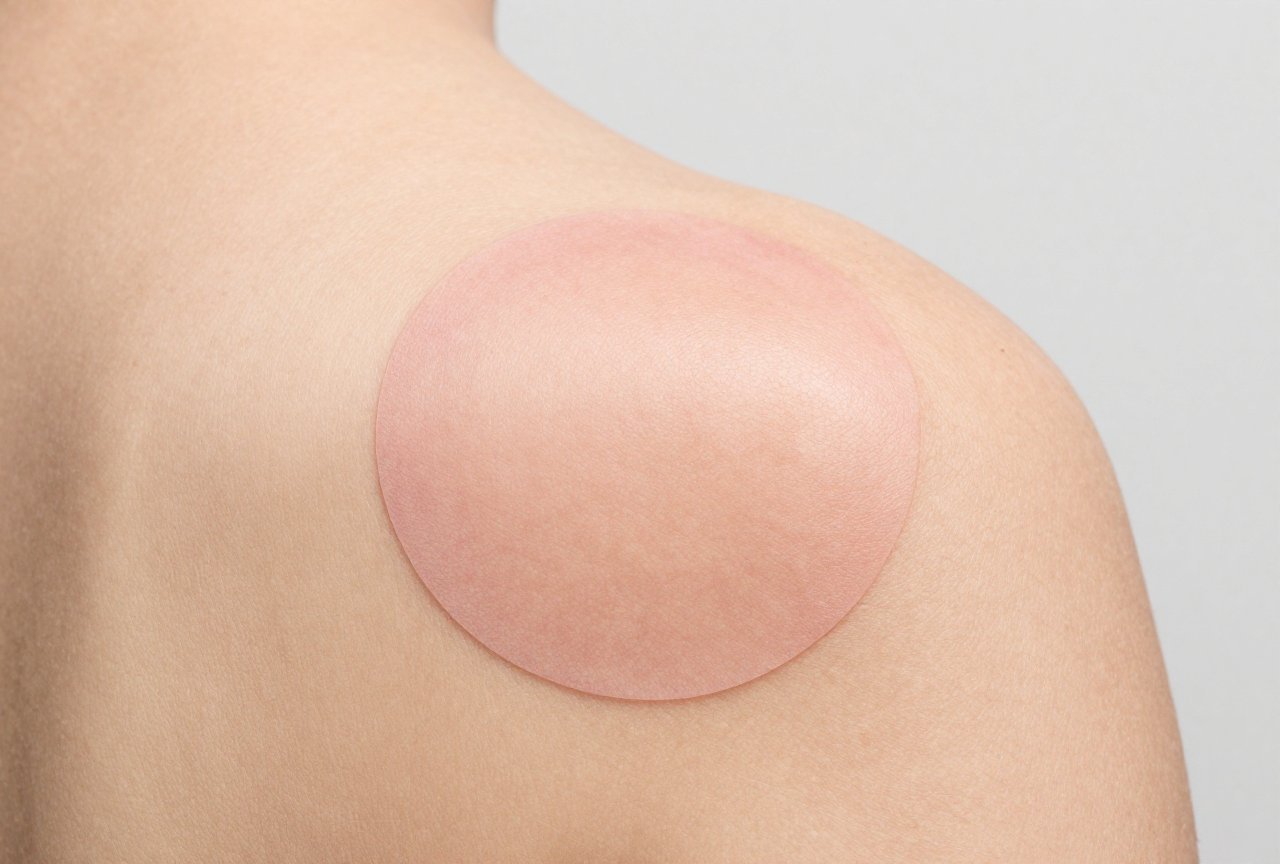
The real discomfort often kicks in once you leave the chair. I’ve had clients call me that evening asking if this level of soreness is normal. It usually is. The treated area feels like a deep bruise, tight and tender, sometimes with swelling and blistering. Blisters freak people out, but they’re common, your body’s response to that intense heat. I’ve seen blisters the size of half-dollars on big solid pieces. They look scary, but they typically resolve in a week or two if you don’t mess with them.
What Makes It Hurt More or Less
Not all removal experiences are equal. I’ve sent clients to the same laser technician with wildly different reports. Here’s what actually shifts the needle on pain.
Placement Matters Enormously
Same as getting tattooed, some spots are just cruel. Fingers, feet, ribs, sternum, inner bicep near the armpit, these areas have more nerve endings and thinner skin. The laser energy has less tissue to disperse through. I had a client remove a finger tattoo and she said it was worse than the original ink by a factor of three. Conversely, a thick forearm piece or outer thigh? Most people handle that fine. Fatty, muscular areas with good blood flow tend to be more manageable.
Your Tattoo’s Characteristics
Heavy black tribal work from 2005 is going to fight back. The laser has to break up dense, saturated ink, which means more energy, more passes, more heat. Light, faded watercolor or greywash? Easier ride. Amateur tattoos with uneven depth can be unpredictable, some spots hurt more because the ink sits deeper or shallower. Cover-ups are often the worst; you’re lasering through two layers of ink density.
- Professional tattoos: ink is placed evenly, predictable removal, often more sessions
- Amateur or stick-and-poke: uneven depth, patchy results, sometimes more painful in spots
- Cover-ups: double the ink density, typically more sessions and more discomfort
- Scarred tissue from previous tattooing: laser can feel sharper, heal differently
How Many Sessions and What It Costs
I never sugarcoat this part. Complete removal is a marathon, not a sprint. Most tattoos need between 6 and 12 sessions, spaced 6 to 8 weeks apart. That means you’re looking at a year or two of this process, sometimes longer. I’ve had clients working on back pieces for three years.
Cost runs roughly $200 to $500 per session depending on your market and the tattoo size. A palm-sized piece might be $250 a pop. Full sleeves? You’re in the thousands per session. Do the math on ten sessions and you’ll understand why I always ask clients: are you sure you don’t want a cover-up instead? Sometimes a great cover-up by the right artist saves money, time, and pain.
Healing Between Sessions: The Reality
This is where I see people get into trouble. They treat laser removal like it’s no big deal, then they pick at blisters, skip sunscreen, or go to the gym and sweat into healing skin. Infection risk is real, and it can set you back months.
What the First Week Looks Like
Day one through three: redness, swelling, possible blistering, that deep bruised ache. Keep it clean, keep it dry, don’t cover it with airtight bandages. I tell clients to treat it like a bad sunburn that someone punched. Cool compresses help. Raise the area if you can, especially limbs. The blister phase, if it happens, usually peaks around day two or three.
Long-Term Aftercare Between Sessions
Weeks four through six: skin looks normal but isn’t. The ink is still breaking down, your lymphatic system is still clearing particles. Sun exposure is your enemy here, UV can darken the treated skin and make future sessions harder. I harp on sunscreen because I’ve seen it ruin progress. Moisturize once the skin has closed, but don’t suffocate it. And absolutely no tanning beds, no picking, no scratching when it itches.
- Blister fluid is clear or slightly bloody, normal. Yellow, thick, or foul-smelling? See a professional
- Scabs that form are protective; let them fall off naturally
- Itching means healing, but scratching can cause scarring
- Stay hydrated; your body is literally flushing ink through your system
Alternatives Worth Considering
Before you commit to the laser chair, explore your options. I’ve talked many clients out of removal and into something better. A skilled cover-up artist can work miracles, transforming ex-partner names into florals, reworking dated tribal into Japanese waves. Sometimes just adding to a piece, not removing it, solves the problem.
Surgical excision exists for tiny tattoos but leaves a scar. Saline removal (sometimes called non-laser) is marketed heavily on social media, but I’ve seen mixed results and some nasty scarring. Tattooing skin-colored ink over tattoos, camouflage, rarely looks natural and ages poorly. Do your homework. Ask multiple artists. If someone’s promising complete removal in three sessions for cheap, they’re lying or dangerous.
Key Takeaways
Tattoo removal hurts, but it’s manageable, temporary, and very different from the sustained abrasion of getting tattooed. Expect a rubber-band snap sensation, possible blistering, and a bruised, sore aftermath that lasts days to weeks. Most people need numerous sessions over months or years, at significant cost. Healing properly between sessions determines your final result as much as the laser work itself. Before committing, seriously evaluate cover-up options with a talented artist, sometimes the best removal is no removal at all. If you do proceed, find a reputable laser technician with proper certification, realistic expectations, and a portfolio of healed results. Your skin deserves that level of care.
Frequently Asked Questions
Can I use numbing cream before laser removal?
Most clinics offer or allow topical numbing, but some prefer you don’t because it can affect how your skin responds to the laser. Always check with your specific technician beforehand. I’ve had clients use it successfully, but timing matters, apply too late and it won’t kick in before your session starts.
Why does my tattoo look worse before it looks better?
After laser treatment, the ink breaks into smaller particles that your body hasn’t flushed yet. The tattoo can appear faded, patchy, or even slightly raised temporarily. This is normal progress, not damage. I’ve watched clients panic at session three when things look uneven, but by session six the clarity improves dramatically.
Does laser removal work on all skin tones?
Modern lasers have improved, but darker skin tones carry higher risk of hyperpigmentation or hypopigmentation because the laser targets pigment. Experienced technicians adjust settings significantly. I always urge clients with melanin-rich skin to find specialists who specifically demonstrate experience with their skin type, not just general claims.
Can I get a new tattoo over the removal area later?
Yes, but timing matters. The skin needs to fully recover, usually several months after your final session. I’ve tattooed over faded removal areas and they can hold ink differently, sometimes requiring more passes or saturating differently. Tell your new artist the history so they can adjust technique accordingly.
Related Tattoo Guides
- Do Rib Tattoos Hurt? A Real Tattoo Artist Breaks It Down
- Does Tattoo Removal Really Work? A Real Shop Guide
- Does Ankle Tattoo Pain Hurt? A Real Artist s Guide
- Explore more