Hot Tattoo Designs Women Actually Want
The most requested designs right now share something important: they balance personal significance with visual longevity. After years of studying placement, scale, and how tattoos age on different skin types, I’ve noticed clear patterns in what women actually commit to versus what they merely browse. This guide breaks down the designs dominating studios in 2024 and 2025, with practical guidance on making each one work for your specific body and lifestyle.
Botanical and Floral Work
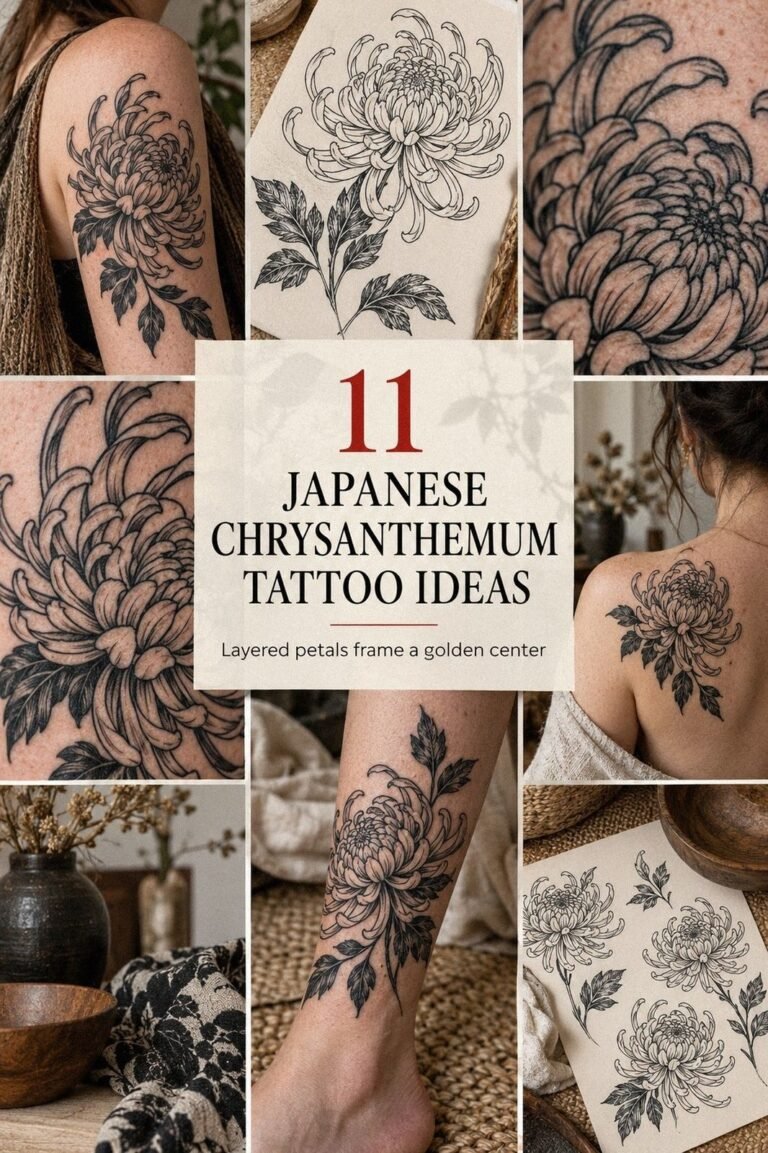
Flowers never fully left, but their execution has changed dramatically. The current preference leans toward botanical illustration rather than traditional rose clichés. Think pressed-herbarium precision: visible stems, accurate leaf venation, and species chosen for personal resonance rather than generic beauty.
Single-Stem vs. Arrangement
A solitary stem along the forearm or collarbone offers flexibility for future additions. Arrangements work better as larger pieces on ribs, thighs, or backs where the composition can breathe. The key mistake I see: choosing a flower for its meaning alone without considering how its structure fits your chosen placement. Peonies with their dense, layered petals require more space than a delicate lily of the valley. A skilled artist will advise on scale before you commit.
- Popular species: wildflowers, native plants to your region, medicinal herbs, and plants tied to specific memories
- Placement that ages well: outer upper arm, shoulder blade, calf, and hip (areas with less dramatic skin stretching over time)
- Style notes: fine line with selective stippling; avoid heavy black shading that can blur into muddy pools
Color vs. Black and Grey
Soft color washes in botanical work are surging, particularly muted greens, dusty pinks, and ochre yellows. These age more gracefully than saturated neons. Black and grey remains the safer long-term bet, especially for smaller pieces where color detail can fade to indistinguishable blobs.
Animals with Intention
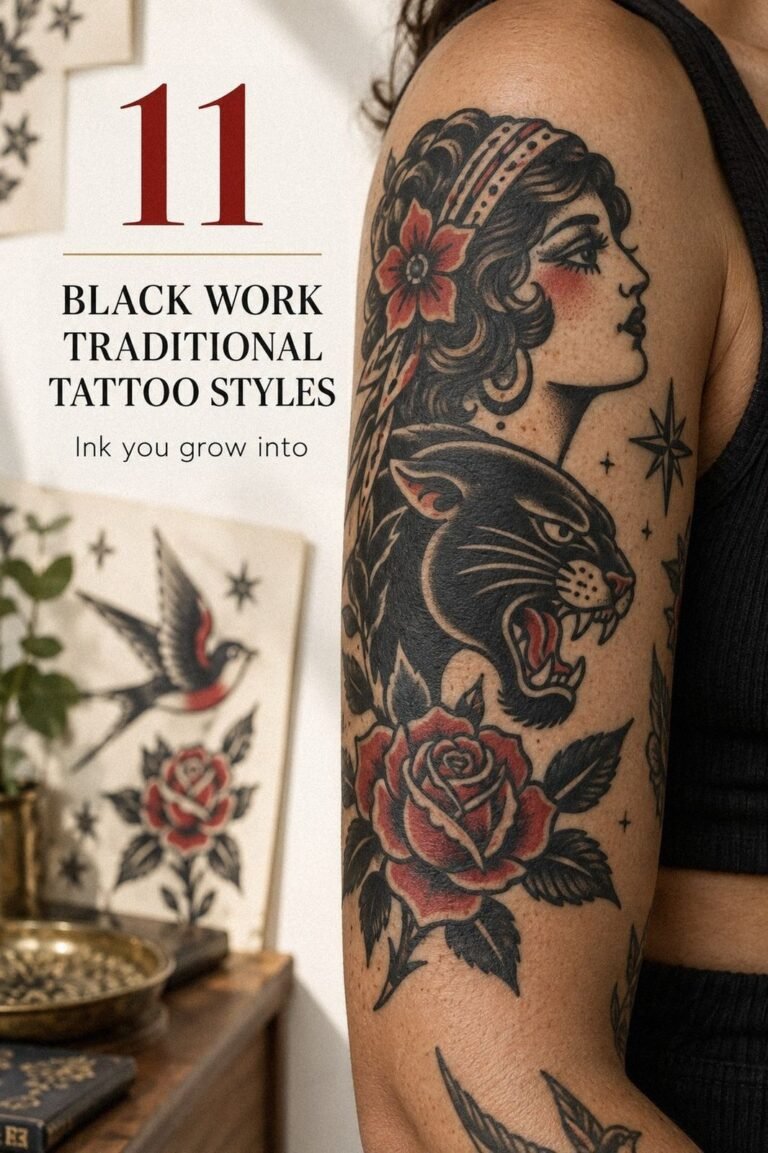
Animal tattoos function as identity markers, memorials, or spiritual symbols. The current trend favors specific individuals over generic species representations. Your childhood cat’s exact markings. The wolf you saw on a powerful hike. The octopus that appeared in recurring dreams.
Pet Portraits and Memorials
Realistic pet portraits demand exceptional technical skill. Research your artist’s healed work specifically, not just fresh photos. Fur texture, eye reflection, and proportion accuracy separate successful pieces from regrettable ones. For memorial pieces, consider incorporating the pet’s actual paw print (inked and stamped by your vet) rather than a drawn approximation.
- Alternative approach: symbolic elements representing the animal rather than literal portraiture (your dog’s favorite toy, your horse’s bridle pattern)
- Scale warning: facial details below two inches rarely hold up; plan larger or simplify
Spiritual and Mythological Creatures
Snakes, moths, and moths’ nocturnal counterparts often linked to transformation cycles appear frequently. Japanese-inspired dragons and phoenixes require artists specifically versed in that tradition; poorly executed versions look costume-like rather than powerful. Ravens and crows carry literary and cultural weight that many women connect to.
Text and Typography
Word-based tattoos polarize opinion, yet demand remains steady. The difference between success and regret lies almost entirely in execution choices.
Script Selection and Legibility
Flowing scripts photograph beautifully fresh but can collapse into illegibility within five years. Lettering needs negative space between characters to maintain definition. Sans-serif and carefully designed serif fonts outperform elaborate calligraphy for longevity. Consider your future self: will this phrase still resonate at sixty? Will you still want to explain its origin to strangers?
- Placement for text: ribs (private, expandable), inner bicep (readable to you), spine (striking but painful, plan for multiple sessions)
- Language considerations: verify translations with native speakers, not apps; script tattoos (Arabic, Sanskrit, Hebrew) require artists experienced in those specific character forms
- Content that endures: coordinates, dates in personal notation systems, single words with layered personal meaning
Handwritten Sources
Signatures of deceased loved ones, children’s early writing, and handwritten letters often linked to deep emotional processing. These require high-resolution source material; blurry phone photos yield disappointing results. Your artist can often reconstruct damaged documents with your guidance.
Abstract and Geometric Pieces
Non-representational work appeals to women seeking meaning without explicit narrative. These designs rely heavily on mathematical precision and understanding of how geometric patterns flow with body contours.
Ornamental and Decorative
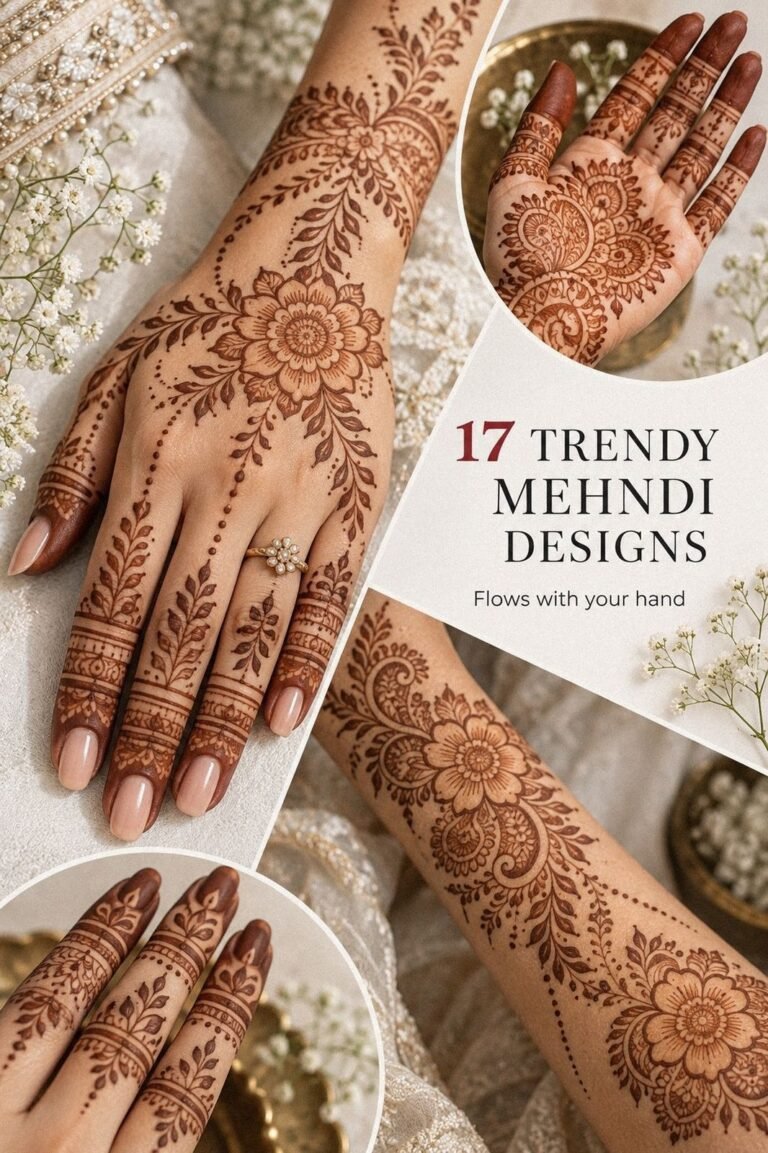
Mandala-influenced pieces, sacred geometry, and pattern work derived from textile traditions offer endless customization. The crucial factor: symmetry must account for body curvature. What looks balanced on flat paper distorts on a rounded shoulder. Experienced ornamental artists map designs directly on skin, not just transfer from flat stencils.
- Effective placements: center of chest, sternum, upper back, and areas where bilateral symmetry feels natural
- Scaling principle: intricate patterns need sufficient size for lines to remain distinct; finger and hand placements generally fail for complex geometry
Abstract Expression
Brushstroke-inspired pieces, color fields, and gestural marks translate painting traditions to skin. These succeed when the artist understands skin as a living, stretching surface rather than canvas. Watercolor-style tattoos without black outlines require particular maintenance discipline and sun protection to prevent rapid fading.
Fine Line and Minimalist Work
The explosion of single-needle and fine line techniques has created both stunning possibilities and widespread disappointment. Understanding the limitations prevents regret.
What Fine Line Can and Cannot Do
Single-needle work excels at delicate illustrations, hair-thin botanical details, and subtle figurative pieces. It cannot reliably produce solid black areas, heavy contrast, or designs meant to read from across a room. The technique requires touch-ups more frequently than bold traditional work. Skin type significantly affects results: oily, thick skin spreads fine lines faster; dry, thin skin holds them better.
- Designs that work: single objects with clean contours, constellation maps, fine jewelry-inspired pieces, and micro-realism at moderate scale
- Designs that fail: tiny text, heavy shading, complex scenes with multiple elements competing
Artist Specialization Matters
Not every artist offering fine line has the technical foundation. Examine healed photos from at least one year prior. Fresh fine line looks deceptively crisp; the true test is how those hairlines settle. Ask specifically about needle configurations and experience with your skin type.
Placement Trends Worth Considering
Design and placement decisions intertwine. Current preferences favor visibility control, the ability to conceal for professional contexts while revealing selectively.
Expanding Canvas Areas
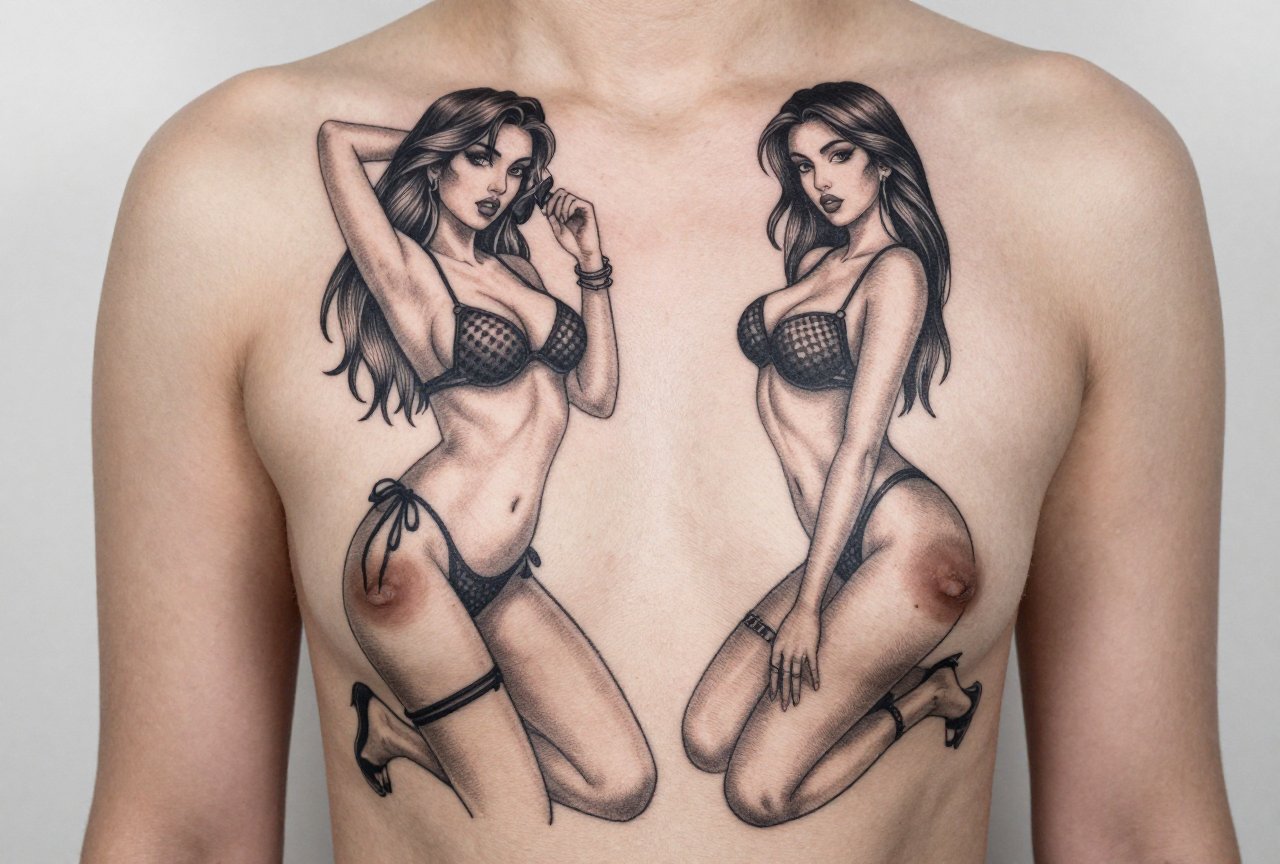
Upper arms remain perennially popular for first pieces. Ribs and sternum attract those prioritizing personal significance over public display. The hip and side thigh area offers substantial space with relatively manageable pain levels. Behind the ear and along the hairline suit tiny, meaningful marks with natural framing from hair.
- Hands, fingers, and neck: socially visible and professionally limiting; many reputable artists refuse these for first tattoos or clients under thirty
- Stomach and lower abdomen: plan for pregnancy-related changes if relevant; designs here should accommodate stretching
- Upper back and shoulder blade: excellent for larger pieces with natural framing from clothing necklines
Flow and Future Expansion
Even with a single piece in mind, consider how future work might connect. Leaving logical space for continuation prevents the scattered, disjointed look that accumulates from purely spontaneous choices. This doesn’t require a full sleeve plan, just spatial awareness.
Final Thoughts
The designs women actually want, not just pin or save, share durability of personal connection over trendiness. The most successful tattoos I’ve observed result from collaborative refinement between client and artist, not from reproducing viral images exactly. Bring reference material, but remain open to adaptation for your specific body and the artist’s technical insight.
Prioritize artist selection over design perfection on paper. A mediocre design executed superbly ages better than a brilliant concept handled poorly. Research thoroughly, book consultations with multiple artists if needed, and never rush the decision from impulse or external pressure. Your skin deserves the same deliberation you’d apply to any permanent modification. The best tattoo is one you’ll still appreciate when the initial excitement settles into quiet, integrated familiarity.
Frequently Asked Questions
How do I choose between color and black and grey for my tattoo?
Consider your skin’s behavior with pigment, your willingness to maintain sun protection, and the design’s detail level. Color adds dimension but requires more diligent care to prevent fading. Black and grey offers more predictable aging, especially for smaller pieces with fine detail. Discuss your specific skin type and lifestyle with your artist during consultation.
What tattoo designs age the best over time?
Bold lines with adequate spacing, medium to larger scale, and placement on areas with less friction and sun exposure generally age best. Designs with heavy black saturation or extremely fine detail in small spaces tend to blur or fade faster. The upper arm, outer thigh, and back typically show less distortion over decades than hands, fingers, or feet.
How should I research an artist for a specific tattoo style?
Examine their healed work from at least six months prior, not just fresh photographs. Look for consistency in the specific style you want, whether that’s fine line, botanical realism, or ornamental geometry. Ask about their experience with your proposed placement and skin type. A proper consultation should include honest assessment of whether your design suits their strengths.
Is it okay to combine multiple tattoo ideas into one piece?
Combination works beautifully when unified by coherent style, scale, and composition. The risk lies in cramming too many disparate elements without visual hierarchy. An experienced artist can help distill multiple concepts into integrated design. Sometimes separate, smaller pieces in related locations serve multiple ideas better than one overcrowded composition.