A new tattoo typically itches for one to three weeks, with the worst of it hitting between days three and seven. That itch is part of normal healing, it’s your skin rebuilding itself after being punctured thousands of times by a needle. The sensation fades as the top layer seals and the deeper layers settle. Some people barely notice it; others want to claw their arm off. Both are normal. What matters is knowing when itching signals a problem, and how to deal with it without wrecking your fresh ink.
Why Tattoos Itch in the First Place
Your skin treats tattooing as trauma because, technically, it is. The needle deposits ink through the epidermis into the dermis, triggering inflammation and kickstarting repair. Here’s what actually happens:
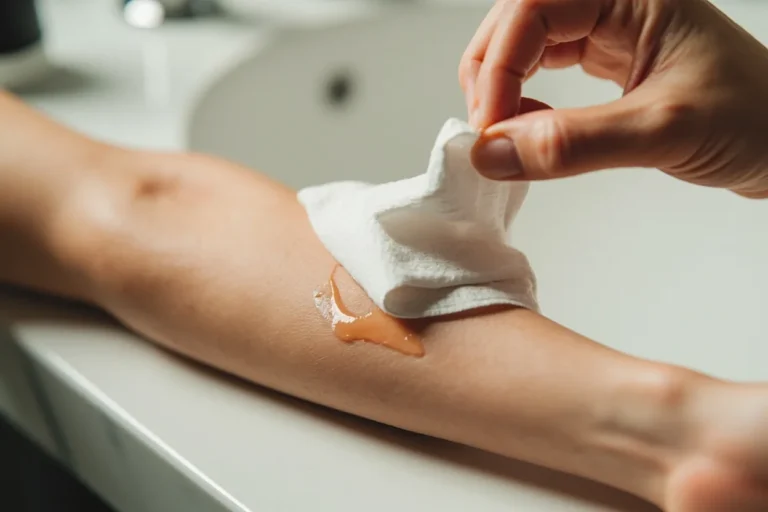
- Plasma and lymph weep to the surface, forming that sticky layer you wipe away during aftercare.
- White blood cells rush in, some attempting to carry off pigment particles (they fail with modern inks, which is why tattoos last).
- Fibroblasts produce collagen, rebuilding the matrix around the ink deposits.
- Nerve endings regenerate, and this regrowth is what creates the itching sensation, similar to how a healing cut gets itchy.
The itch isn’t the ink itself; it’s your nervous system lighting up as it repairs the infrastructure. Denser shading and color packing usually itch more than fine line work because more skin is disturbed in a concentrated area.
Plasma and Scabbing Phase
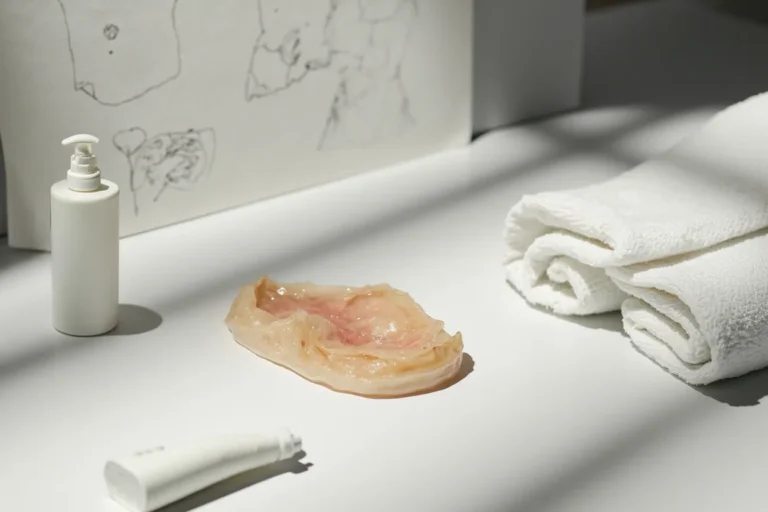
Days one through three, the tattoo weeps plasma. If you over-moisturize or fail to gently wash it, this plasma thickens into thick scabs. Scabs itch worse than thin, peeling skin. Thin, flaky peeling, often called “silver skin” or “onion skin”, is the goal. Thick, raised scabs mean you likely need to dial back the ointment and let the tattoo breathe more.
The Peeling Phase
Days four through ten, the top layer sheds. The skin underneath looks cloudy or dull, not bold. This is normal. The living ink sits below what you’re seeing. That peeling layer itches because it’s detaching while new skin grows beneath it. Color tattoos often peel in visible flakes of pigment; this looks alarming but is usually just epidermal cells carrying excess ink from the surface, not your tattoo falling out.
Day-by-Day Itch Timeline
Everyone heals differently, but this pattern holds for most people with standard aftercare:
- Days 1, 2: Soreness dominates. Itching is minimal unless you’re allergic to the soap or ointment you’re using.
- Days 3, 5: Itching ramps up significantly. This is peak itch for most people. The peeling starts, and the urge to scratch becomes genuine.
- Days 6, 10: Itching continues but usually lessens. Peeling transitions to flaking. Some areas may still be raised or slightly puffy.
- Days 11, 14: Surface itch is mostly gone. You might feel tightness or a subtle “healing itch” if the tattoo is large or in a mobile area like a joint.
- Week 3 onward: The tattoo should feel like normal skin. Any lingering itch at this point warrants attention, possible reaction to ink, infection, or simply very dry skin.
Heavier body areas, thighs, upper arms, back, often itch longer than tattoos on bone or thin skin. More needle trauma, more inflammation, more itch.
What Makes Itching Worse
Certain factors amplify the problem. Some you can control; others you inherit.
Aftercare Mistakes
Over-moisturizing traps bacteria and suffocates the skin, leading to clogged pores and worse itching. Under-moisturizing lets the tattoo dry out, causing tight, crackly skin that itches fiercely. The balance is thin: apply a light layer, just enough to prevent that tight, drawn feeling. Reapply when it absorbs, not on a rigid schedule.
Using petroleum-based products too long can also backfire. They’re excellent for the first day or two to prevent sticking, but extended use blocks oxygen and may extend the itchy phase.
Environmental and Lifestyle Factors
- Heat and sweat: Gym sessions, saunas, and hot showers increase blood flow and irritation. Sweat contains salt and bacteria, both sting and itch on broken skin.
- Clothing friction: Tight sleeves, bra straps, waistbands, and sock lines rub peeling skin raw. Loose, breathable cotton helps enormously.
- Seasonal dryness: Winter heating and low humidity pull moisture from healing skin. A tattoo on your forearm in January itches more than the same spot in July.
- Alcohol and poor sleep: Both impair immune function and slow healing, indirectly prolonging the itchy window.
How to Relieve It Without Damaging Your Tattoo
The golden rule: never scratch with fingernails. You can lift ink, pull out healing tissue, introduce infection, or cause permanent scarring. Here are actual methods that work:
- Slap or pat the area with clean fingers. The sharp sensation interrupts the itch signal without breaking skin.
- Cool compress wrapped in a clean paper towel, applied for a few minutes. Don’t soak the tattoo or use ice directly.
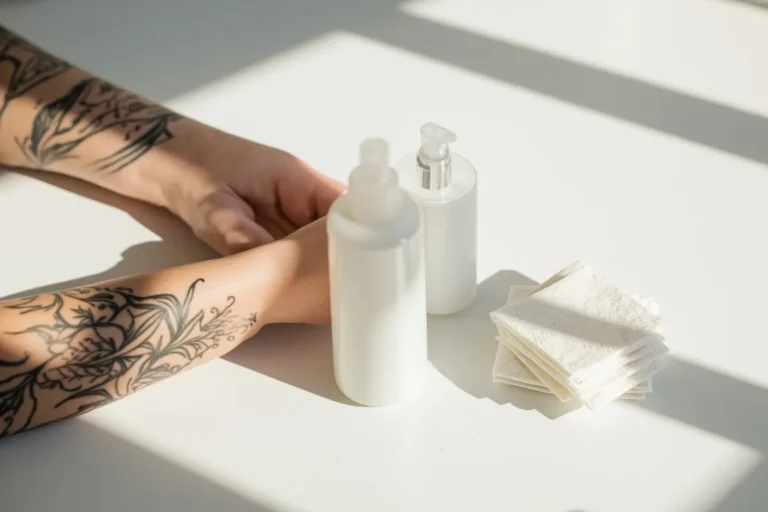
- Fragrance-free moisturizer specifically for sensitive skin. Apply with clean hands, not a brush or cloth that could harbor bacteria.
- Antihistamine for severe cases, some people find a standard over-the-counter option helps, especially if they have reactive skin generally. This is personal experimentation, not prescription.
- Distraction genuinely works. The itch intensifies when you focus on it. Occupied hands scratch less.
What doesn’t work: rubbing alcohol, hydrogen peroxide, essential oils, or any “home remedy” that burns or stings. If it hurts going on, it’s damaging healing tissue.
When Itching Means Something Else
Normal healing itch is annoying but manageable. Certain patterns suggest you need to check in with your artist or a clinician:
- Intense itch with spreading redness beyond the tattoo lines, especially after day five, suggests possible infection.
- Raised, bumpy texture that appears weeks or months later, not during initial healing, often indicates an ink allergy, red pigments are frequent culprits.
- Yellow or green discharge, foul odor, or fever are not normal at any stage. These need medical attention.
- Itch that returns months after healing can signal sun damage, a reaction to new products, or in rare cases, an autoimmune response to the ink.
Trust your body. A tattoo that’s merely itchy is healing. A tattoo that’s hot, throbbing, or producing fluid is protesting.
Location and Style: How They Affect the Itch
Not all tattoos itch equally. Here’s how placement and technique factor in:
- Line work only: Minimal skin trauma, usually less itch and faster healing. A single-needle fine line tattoo on your ribs might barely register by day five.
- Heavy black fill or tribal: The needle passes repeatedly over the same area, saturating skin. More trauma, more plasma, more itch. These can stay raised and itchy for two full weeks.
- Color packing: Similar to black fill. Reds and yellows sometimes cause more inflammatory response than blues and blacks, though this varies by individual and ink brand.
- Joints and stretch zones: Elbows, knees, ribs, and stomach skin moves constantly. Every flex pulls healing tissue, creating a cycle of micro-irritation and renewed itching.
- Feet and hands: Thick skin, poor circulation relative to other areas, and constant use mean these tattoos often itch longer and heal more slowly overall.
Aftercare Products: What Actually Helps
The market is flooded with tattoo-specific balms. Most are repackaged basic moisturizers. What matters:
- First 24, 48 hours: A thin layer of petroleum-based product or a dedicated tattoo ointment to prevent sticking to bedding and clothing.
- Days 3, 14: Switch to a plain, fragrance-free lotion. Look for simple ingredients: water, glycerin, lightweight oils. Avoid lanolin if you’re sensitive, and avoid anything with alcohol or active acids.
- After peeling: Regular skin moisturizer is fine. The tattoo is essentially healed at the surface; it just needs hydration like the rest of your skin.
Some artists recommend dry healing (no product at all). This works for some skin types but increases itch and cracking for others. Most people do best with moderate moisture, enough to prevent dryness, not enough to create a greasy film.
Key Takeaways
Expect one to three weeks of itching, with the peak around days three to seven. The itch means your skin is rebuilding, it’s inconvenient but normal. Keep it clean, lightly moisturized, and protected from friction and sweat. Never scratch with nails; slap, pat, or cool the area instead. Thick scabs, spreading redness, or discharge are not part of normal healing. Heavy shading and color work itch more than fine lines. Joints and high-movement areas heal slower. Simple, fragrance-free products outperform fancy tattoo balms once the initial sealing phase passes. If itch persists beyond three weeks or returns months later, investigate possible irritation sources or ink reactions. Your tattoo will settle. The itch always fades.
Frequently Asked Questions
Can I scratch my tattoo if I use a clean cloth or gloves?
No. Even with a barrier, scratching creates friction that can pull out ink, reopen healing skin, and introduce bacteria. Patting or slapping is the safest alternative.
Why does my tattoo itch more at night?
Body temperature rises slightly during sleep, and histamine release peaks in the evening. You’re also less distracted, so you notice the sensation more. Keep nails short and moisturize before bed.
Is it normal for my tattoo to still be slightly raised after the itching stops?
Yes, mild raised texture can persist for several weeks as deeper collagen remodels. If it stays raised for months or becomes bumpy, mention it to your artist or a dermatologist.
Can I exercise while my tattoo is in the itchy phase?
Light exercise is usually fine, but avoid activities that cause heavy sweating, direct friction on the tattoo, or immersion in shared equipment. Clean the area gently afterward and reapply a thin layer of moisturizer.
Related Tattoo Guides
- Jagua Tattoo Duration: What to Expect How to Extend It
- How Long Tattoo Itching Lasts and What Helps
- How Long Is a Tattoo an Open Wound? Healing Timeline Aftercare
- Explore more