Tattoo removal is more painful than getting the tattoo, but the soreness is different, sharper during the session, more like a bad sunburn afterward. Most people describe the laser sensation as a rubber band snapping against hot skin, repeated thousands of times. The pain peaks during the 10-30 minute session, then settles into a throbbing, tender heat that lasts a few hours to a couple of days. How sore you feel depends on tattoo location, ink density, your pain tolerance, and which laser technology is used.
What the Pain Actually Feels Like
During the laser pulse, the ink absorbs light energy and shatters into smaller particles. That energy converts to heat instantly. The sensation is sharp, localized, and intense, nothing like the steady grind of a tattoo machine. Some spots feel worse than others: areas over bone (ankles, wrists, ribs, collarbones) or with thin skin (inner bicep, neck) register higher on the pain scale. Fleshy areas with more muscle or fat padding (thighs, upper arms, calves) tend to be more tolerable.
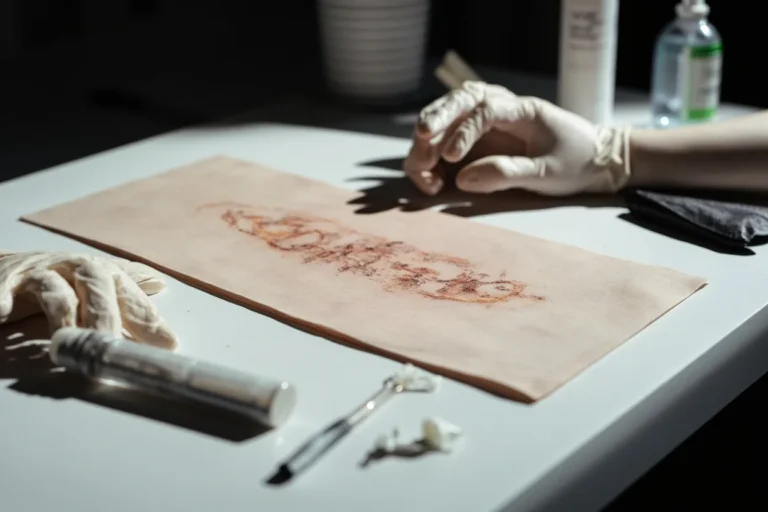
After the session, the area swells and feels hot. There’s often pinpoint bleeding or whitening called “frosting”, that’s the laser reaction in the skin, not the ink itself. The frosting fades within 20-30 minutes. The real soreness kicks in once the numbing cream wears off, usually within an hour.
Comparing Removal Pain to Getting Tattooed
- Duration: A tattoo session might run 2-5 hours; laser removal is typically 10-30 minutes. The intensity is higher but compressed into a shorter window.
- Aftermath: Tattoo healing involves peeling and itching; laser healing involves blistering, swelling, and a deeper ache that can last 3-7 days.
- Repeated trauma: Removal requires multiple sessions spaced 6-8 weeks apart. You’re not healing once, you’re healing the same spot repeatedly.
Pain Management During Sessions
Most reputable clinics offer topical numbing cream applied 30-60 minutes before treatment. Some use cold air devices or ice packs to dull the sensation. Local anesthetic injections are rarely used because they distort the skin surface and can interfere with laser targeting. Taking acetaminophen before a session can help; avoid aspirin or ibuprofen since they thin blood and increase bruising.
Deep breathing helps more than people expect. The laser fires in predictable pulses, knowing the rhythm lets you brace and release tension. Some machines have built-in cooling that shoots cryogen onto the skin milliseconds before and after each pulse, which significantly reduces the sting.
Healing Timeline and What to Expect
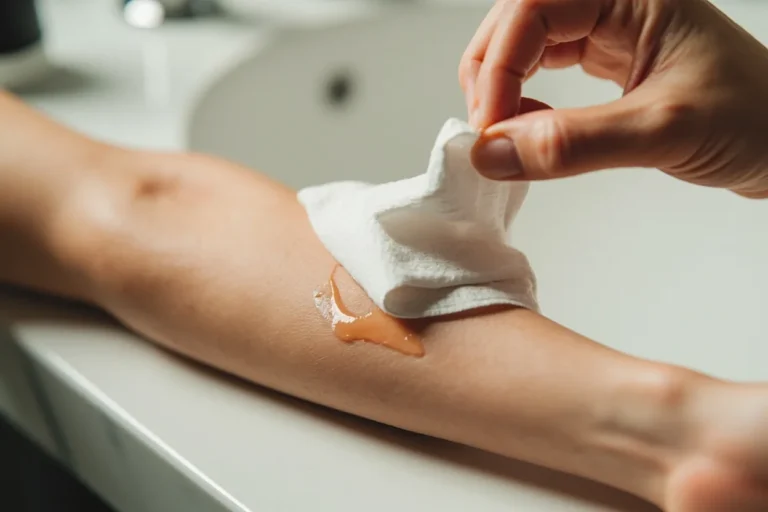
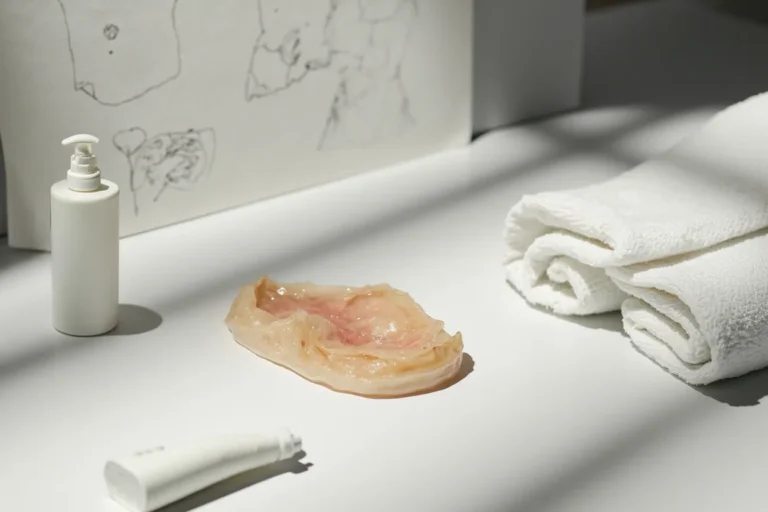
The first 24 hours are the most uncomfortable. The treated area will be swollen, tender, and warm to the touch. Small blisters may form within 12-48 hours, that’s normal and actually indicates the laser energy reached the right depth. Don’t pop them. The fluid inside is sterile and protects the new skin forming underneath.
Days 2-5: Blisters may merge into larger ones. The skin feels tight and itchy. Redness persists but starts fading toward the edges. This is when people most commonly mess up aftercare by picking at scabs or letting the area dry out too much.
Days 5-14: Blisters deflate, scabs form, and the top layer of skin begins peeling. The tattoo often looks darker or more defined during this phase, that’s the shattered ink rising through the skin layers, not the tattoo returning. By week 3-4, the surface looks mostly normal, though the underlying tissue is still processing ink particles.
Full healing between sessions takes 6-8 weeks minimum. Rushing the schedule doesn’t remove ink faster; it increases scarring risk because the skin hasn’t completed its collagen remodeling.
Factors That Make Removal More (or Less) Sore
Tattoo Characteristics
- Color: Black ink absorbs all laser wavelengths and responds most efficiently. Reds, dark blues, and greens are harder to break down and may require more passes, increasing cumulative trauma. Yellow, white, and pastel inks often contain titanium dioxide that can darken when lasered, requiring different approaches.
- Age: Older tattoos have already faded naturally as your immune system slowly processed ink over years. Less dense ink means fewer laser passes and less overall soreness.
- Depth and saturation: Heavy blackwork, tribal designs, or solid color packing means more ink volume to shatter. More ink equals more heat generation equals more post-session discomfort.
- Amateur vs. professional: Homemade or stick-and-poke tattoos often sit unevenly in the skin, with ink deposits at varying depths. Professional work is more uniform but usually denser. Both present challenges.
Body Location and Skin Type
Skin thickness varies dramatically. The back and outer thighs have substantial dermal layers that can absorb laser energy with less surface damage. Ankles, fingers, and tops of feet have minimal padding over bone, every pulse reverberates. Areas with less blood flow (fingers, toes, lower legs) also clear ink slower, potentially requiring more sessions.
Darker skin tones (Fitzpatrick IV-VI) require specific laser wavelengths to avoid hypopigmentation or burns. The Nd:YAG 1064nm wavelength is safest but can feel more intense since the energy penetrates deeper before scattering. Proper clinic selection matters enormously here, using the wrong settings on melanin-rich skin causes serious damage.
Aftercare That Actually Reduces Soreness
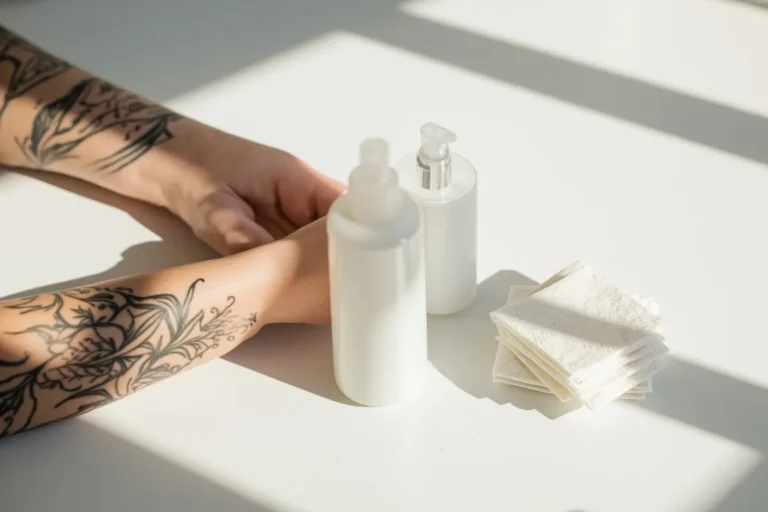
Proper aftercare won’t eliminate pain but prevents complications that make healing worse. Keep the area clean with mild, unscented soap. Pat dry, never rub. Apply a thin layer of petroleum jelly or the specific ointment your provider recommends; the goal is keeping the wound slightly moist without suffocating it.
Cover with a non-stick sterile dressing for the first 24-48 hours if the area will contact clothing or bedding. After that, loose, breathable clothing prevents friction. Sun exposure is your enemy, UV on healing laser sites can cause permanent hyperpigmentation. SPF 50, physical barriers, or simply keeping the area covered for months afterward.
Don’t soak the area. No baths, hot tubs, swimming pools, or ocean swimming until fully healed. Quick showers are fine, but prolonged water exposure softens scabs and invites infection. Skip the gym for 48 hours, sweat and bacteria in a warm environment create perfect conditions for problems.
Cost, Sessions, and Realistic Expectations
Complete removal typically requires 8-12 sessions, sometimes more for dense or colorful work. Each session runs roughly $200-$500 depending on tattoo size and geographic location. A full sleeve removal can easily cost $5,000-$10,000 and take 2-3 years. Partial fading for a cover-up tattoo requires fewer sessions, often 3-5, and costs proportionally less.
Not all tattoos remove completely. Some ink colors resist all current laser technology. White ink can turn gray or black temporarily. Scarring from the original tattoo or poor aftercare limits how much fading is possible. A responsible technician will assess your tattoo and give honest odds before taking your money.
Insurance never covers cosmetic removal. Some clinics offer payment plans. Beware Groupon deals, cut-rate laser removal often means outdated machines, undertrained operators, or both. The consequences of bad laser work (burns, permanent scarring, incomplete ink shattering) are expensive to fix and sometimes irreversible.
Key Takeaways
Tattoo removal hurts more than getting tattooed but in a shorter, sharper burst. Expect significant soreness for 24-72 hours, with tenderness lingering up to two weeks. Black ink on fleshy areas removes easiest and most comfortably; colorful, dense, or bony work demands more sessions and tolerance. Healing between sessions is non-negotiable, rushing increases scarring risk without improving results. Budget for 8-12 sessions over 1-3 years, choose a clinic with appropriate laser technology for your skin type, and follow aftercare precisely. The pain is real but temporary; the results, when done right, are permanent.
Frequently Asked Questions
Can I use numbing cream before tattoo removal?
Most clinics apply prescription-strength numbing cream 30-60 minutes before treatment. Over-the-counter creams are usually too weak. Ask your provider what’s included, some charge extra, others build it into the session price.
Why does my tattoo look darker after laser removal?
The shattered ink rises through skin layers as your immune system processes it. This temporary darkening or “graying” typically fades within 2-4 weeks as your lymphatic system clears the particles. It’s a normal part of the process, not a sign of failure.
How long between sessions can I actually wait?
Six to eight weeks is the standard minimum. Waiting longer, 10-12 weeks or even months, doesn’t hurt results and may help if you’re prone to slow healing or have sensitive skin. The ink doesn’t “come back” if you pause.
Can I get a new tattoo over a removed one?
Yes, but wait until the area is fully healed and the skin has normalized, usually 3-6 months after your final removal session. A cover-up tattoo over partially removed ink often requires less removal than fading for complete erasure.
Related Tattoo Guides
- How to Become a Cosmetic Tattoo Artist: A Real Guide
- How to Decrease Tattoo Pain: A Practical Guide
- How to Minimize Tattoo Pain: A Practical Guide
- Explore more