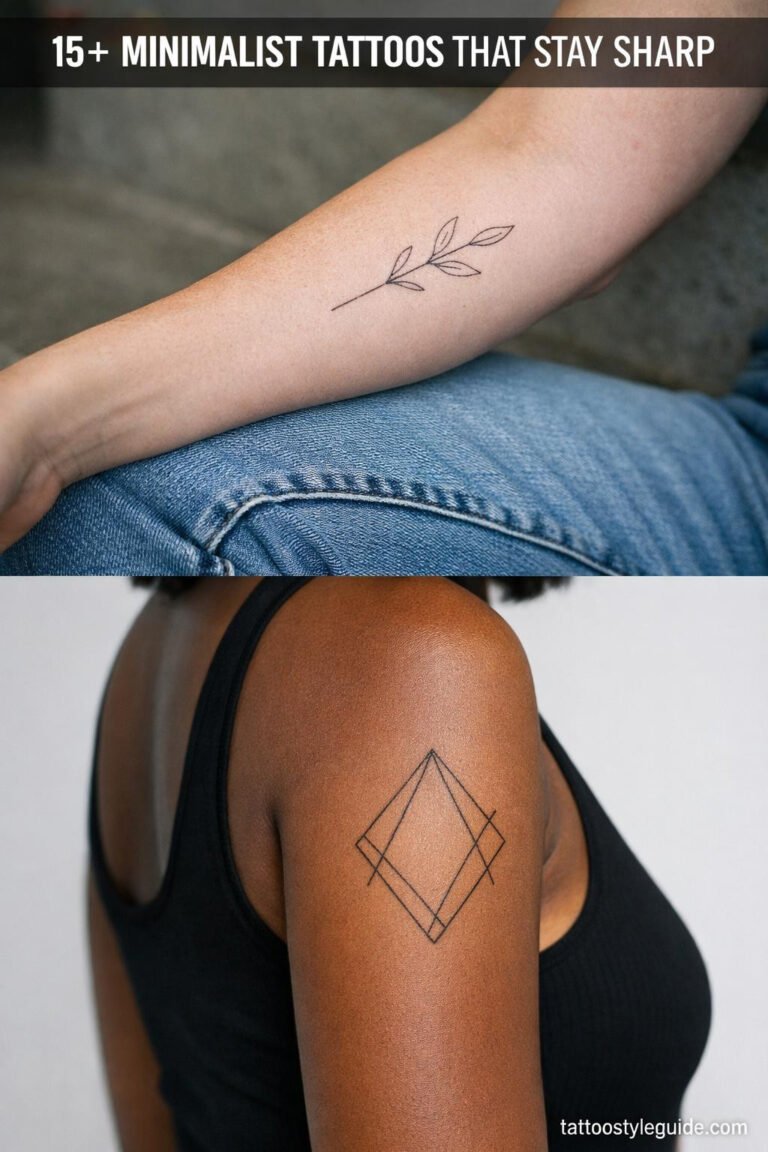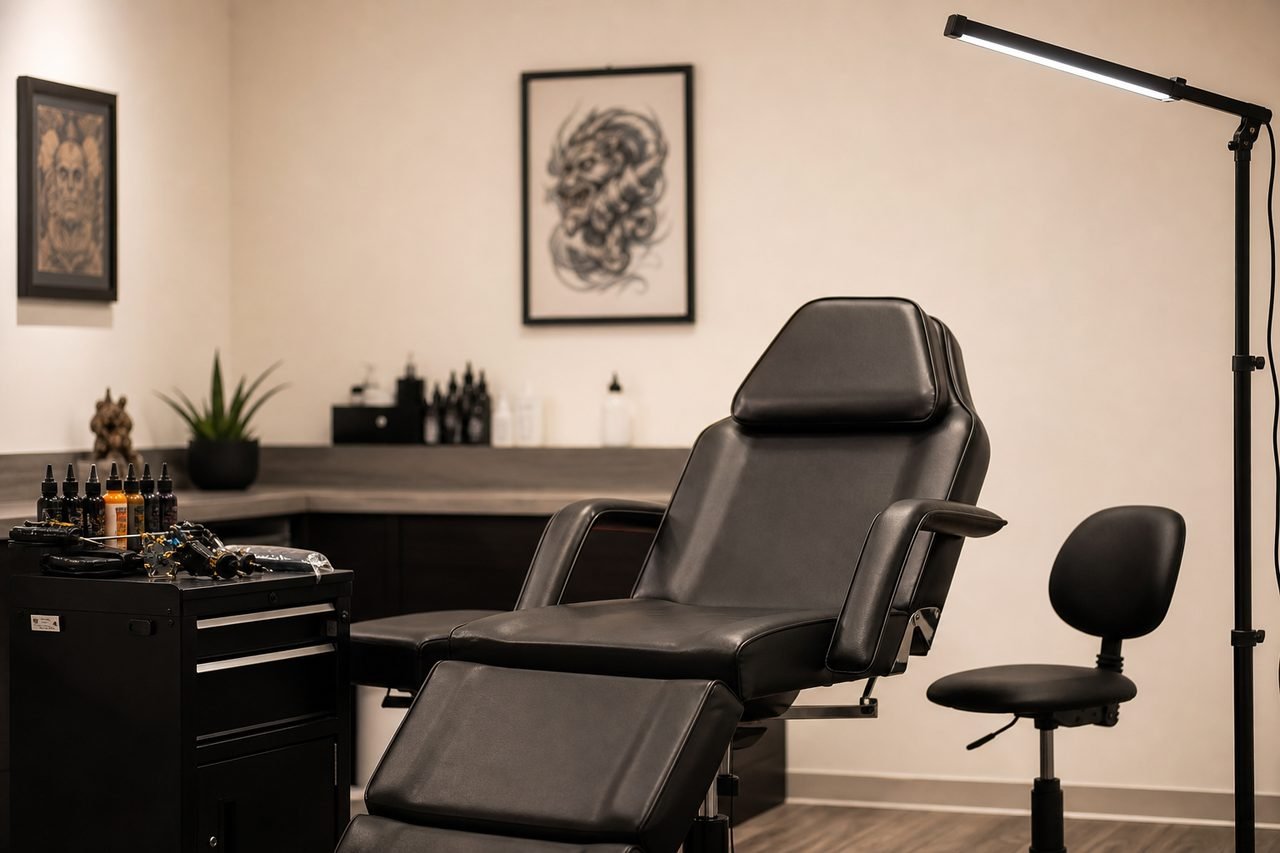
Tattoo pain is real, but it is manageable. The right preparation, placement choices, and mindset can make the difference between a session you endure and one you get through with your sanity intact. This guide covers what actually works, no sugarcoating, no tough-guy nonsense.
Understanding What You’re Actually Feeling
Pain from tattooing comes from needles puncturing skin at high speed, depositing ink in the dermis. The sensation varies by body part because nerve density, skin thickness, and proximity to bone all differ. Fatty areas with more muscle padding hurt less. Bony areas with thin skin and lots of nerve endings hurt more.
The pain is not constant. Outlining with a single needle group feels sharp and scratchy, like a cat scratch dragged repeatedly. Shading with magnum needles feels more like a hot, dull burn or vibrating abrasion. Color packing sits somewhere between. Most people find outlining the hardest mentally because it is the first shock to the system.
- Sharp, stinging pain: usually lining, especially with tight groupings
- Dull, throbbing pain: shading and color saturation
- Numb or vibrating sensation: areas with less nerve density after endorphins kick in
- Referred pain: feeling it in a different area than where the needle is working
How Pain Changes During a Session
First twenty to thirty minutes often feel the worst. Your body has not released endorphins yet. After that, many people hit a plateau where the pain becomes background noise. Hour three or four, fatigue sets in. Adrenaline drops. Skin gets raw. The same needle depth hurts more. This is why long sessions become exponentially harder, not linearly.
Choosing Placement Strategically
Where you put the tattoo matters more than almost anything else for pain management. This is within your control before you ever sit down.
Least Painful Placements
Outer upper arm, outer thigh, calf, and upper back (away from spine) generally cause the least distress. These areas have muscle, fat, and fewer nerve endings. The skin is relatively stable during tattooing, not stretching awkwardly, not moving with breathing in a way that fights the artist.
Most Painful Placements
Ribs, sternum, inner bicep, elbow ditch, kneecap, ankle bone, top of foot, and anywhere on the head or face. These spots have thin skin over bone, major nerve clusters, or constant movement that makes the artist work harder and the skin more reactive. The sternum is notorious because vibration travels through the chest cavity. Ribs move with every breath, making consistent stretching difficult.
Consider breaking large pieces on painful areas into multiple shorter sessions. A full rib piece in one sitting is a masochism choice, not a bravery contest.
Preparing Your Body Beforehand
What you do in the twenty-four to forty-eight hours before tattooing affects your pain tolerance significantly.
- Eat a solid meal two hours before. Low blood sugar increases sensitivity to pain and raises faint risk. Protein and complex carbs help stabilize you.
- Hydrate properly. Dehydrated skin is less elastic, harder to work on, and more prone to irritation. Start the day before.
- Avoid alcohol for twenty-four hours. It thins blood, increases bleeding, and makes skin more difficult to tattoo. The myth that drinking helps with pain is actively harmful to your session quality.
- Sleep well. Being rested improves pain tolerance and emotional regulation. Being exhausted makes everything feel worse.
- Skip intense workouts the day before. Fresh muscle soreness layers poorly with tattoo pain.
What to Bring
Water, a sugary snack for mid-session, headphones with music or podcasts that actually engage your attention. A stress ball or something to squeeze. Wear comfortable clothes that allow easy access to the area being tattooed. Dress in layers for temperature control, shops run hot or cold depending on equipment and season.
During the Session: Real Techniques
Once the needle starts, you need practical coping methods, not abstract advice.
Controlled breathing. Slow exhale when the needle hits. Shallow breathing increases tension and makes pain feel sharper. Some people use box breathing: four counts in, hold, out, hold. Find what keeps you from clenching.
Distraction that actually works. Passive music is not enough for most people. Engage your brain with a gripping podcast, a phone game that requires focus, or conversation if the artist is chatty. The more cognitive load, the less attention available for pain processing.
Position adjustments. Numb limbs from awkward positioning hurt separately from the tattoo and add misery. Ask for breaks to shift if you are losing circulation. A good artist prefers a two-minute reset to a client twitching for an hour.
Topical numbing options. Some artists allow or even recommend numbing creams containing lidocaine applied before the session. These work best for the first hour and can make skin slightly rubbery to work on. Discuss beforehand, never show up with surprise products. Some artists refuse them outright. Numbing sprays exist for mid-session use but are less common and vary by shop policy.
When to Ask for a Break
Ask before you are desperate. Shaking, excessive sweating, or feeling faint are past the point of useful breaks. A five-minute pause every hour for large pieces is reasonable. For sessions over three hours, a longer break to eat helps stabilize blood sugar and mood.
Aftercare That Reduces Continued Pain
The tattoo hurts after you leave too. Proper aftercare minimizes this secondary pain and prevents complications that make it worse.
- Keep it clean, not coddled. Wash gently with unscented soap, pat dry, apply thin layer of recommended aftercare. Over-moisturizing causes maceration, which stings and heals poorly.
- Loose clothing only. Friction on fresh tattooed skin is a special kind of irritation. Tight jeans over a fresh thigh piece will make you miserable.
- Sleep position matters. Plan how to avoid rolling onto the tattoo. Fresh rib work makes side-sleeping impossible for days. Fresh back work means stomach sleeping or specialized pillow arrangements.
- Avoid submerging. Baths, pools, hot tubs introduce infection risk and soften healing skin. Showers are fine; keep water pressure indirect at first.
Healing pain peaks at day two to three, when plasma and ink settle, skin tightens, and the area feels sunburned. By day five to seven, surface pain should drop significantly. Persistent sharp pain, spreading redness, or heat suggests complications, see a professional, not the internet.
What Actually Does Not Help
Some common advice is counterproductive or outright false.
- Getting drunk beforehand. Increases bleeding, makes you fidget, and artists may refuse service. You also remember the pain anyway.
- Taking aspirin or ibuprofen before. Blood thinners increase bleeding and can affect how ink settles. Avoid unless specifically advised otherwise.
- Showing up exhausted or hungover. Lowers pain threshold and increases faint risk.
- Tensing muscles to “tough it out.” Creates more pain and makes the artist’s job harder. Relaxed skin tattoos better.
- Comparing yourself to others online. Pain tolerance is individual. Someone’s easy session is your nightmare. This is not a competition.
Key Takeaways
Minimizing tattoo pain comes down to smart choices in placement, preparation, and session management. Pick fleshy, stable areas when possible. Eat, hydrate, and sleep beforehand. Use real distraction during the session. Ask for breaks before you are desperate. Aftercare properly to avoid extended discomfort. Numbing products are an option where artist-approved, not a guaranteed solution. The goal is not pain elimination, that is impossible, but reducing it to a level that lets you sit still, think clearly, and get the work done well.
Frequently Asked Questions
Can I take painkillers before my tattoo appointment?
Avoid blood thinners like aspirin and ibuprofen beforehand, they increase bleeding and can affect ink retention. Acetaminophen is sometimes acceptable, but always check with your specific artist first. Most recommend focusing on food, hydration, and sleep instead.
Does numbing cream actually work for tattoos?
Lidocaine-based creams can reduce pain significantly for the first hour, then fade. Some artists dislike them because they alter skin texture temporarily. Always discuss with your artist before applying anything, never arrive with surprise products.
Why does my tattoo hurt more on day two than during the session?
During tattooing, adrenaline and endorphins act as natural buffers. Once those wear off, the inflammatory healing response peaks around forty-eight hours. The skin tightens, swells slightly, and feels like a severe sunburn. This is normal and usually improves by day four or five.
Is it normal to feel faint during a tattoo?
Yes, vasovagal responses are common, especially for first tattoos or painful placements. Tell your artist immediately if you feel lightheaded, nauseous, or clammy. They will pause, lower your head, and get you sugar and water. Fainting is preventable if you speak up early.
Related Tattoo Guides
- How to Protect a Tattoo in a Tanning Bed
- How to Remove a Fake Tattoo Safely and Completely
- How to Remove a Stick-On Tattoo Safely and Completely
- Explore more