A tattoo typically itches for one to three weeks, with the worst of it hitting somewhere around days three to seven. That itch is your skin doing exactly what it should, rebuilding itself after being worked over with a needle thousands of times. I’ve had clients in my chair who panic at week two because the itching suddenly ramps up again, and I have to remind them: healing isn’t a straight line. Some tattoos barely itch at all. Others drive you quietly insane in the middle of a work meeting. Placement, size, your own skin, and how well you stick to aftercare all shift the timeline around.
Why Tattoos Itch in the First Place
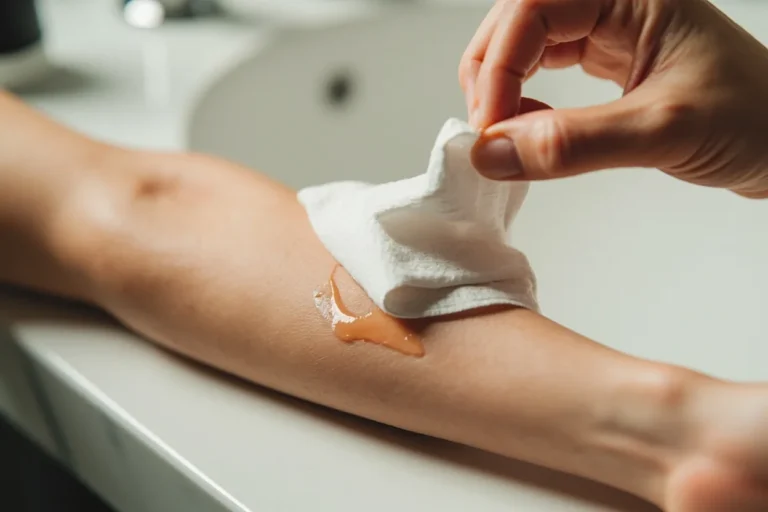
Your skin treats tattooing like what it is: a controlled injury. The needle deposits ink through the epidermis into the dermis, and your immune system immediately starts trying to clean up the mess. That means inflammation, fluid, and eventually scab formation or peeling skin. The itch comes from histamine release, dry skin tightening as it heals, and those tiny flakes of dead skin pulling at fresh new tissue underneath.
I’ve tattooed enough backs and ribs to tell you: the itch feels different depending on where you are. Areas with thinner skin or more nerve endings tend to itch more aggressively. A dense blackwork piece on a calf might feel like a mild sunburn itch. A delicate line tattoo on the inner wrist? That can feel like ants marching in formation.
Line Work vs. Shading and Color
Heavy saturation changes the game. Solid black fills and dense color packing put more ink into the skin, which means more trauma and typically more pronounced itching during the peeling phase. Fine line work with minimal shading often heals faster and itches less, though I’ve seen exceptions in every direction. A tiny single-needle tattoo might heal clean in ten days. A traditional Japanese back piece with bold color fields can have you scratching at your shoulder blades in week three.
The Week-by-Week Itch Timeline
Here’s what I actually see in the shop, not some textbook fantasy:
- Days 1, 2: Minimal itching. The tattoo is sore, raw, possibly weeping plasma. You’re too aware of the fresh wound to feel much itch yet.
- Days 3, 7: Peak itch territory. Skin starts tightening as it dries. Scabs or thin peeling layers form. This is when clients text me at midnight asking if they can “just scratch it a little.”
- Week 2: Peeling stage for most people. The itch can spike again as larger flakes detach. Color often looks dull under that peeling layer, totally normal, not a sign of fading.
- Week 3, 4: Itching tapers off for most. Some residual dryness itch lingers, especially if the tattoo is in a spot that rubs against clothing.
- Month 2+: Should be essentially done. If you’re still itching significantly, something’s off with your aftercare or your skin is reacting to the ink.
When the Timeline Gets Weird
Some bodies just march to their own drum. I’ve had clients with perfectly healed tattoos at day ten. I’ve watched others battle flaky, itchy patches into week five. Older skin tends to heal slower. People with eczema or very dry skin often itch longer. Summer humidity can speed things up; winter dryness can drag it out. There’s no shame in a slower heal, only in ignoring what your skin is telling you.
What Makes the Itching Worse
Certain choices and habits amplify the problem. I see these constantly:
- Over-moisturizing: Slapping on too much ointment suffocates the skin. It stays soggy, scabs get thick, and the itch intensifies.
- Letting it dry out completely: The opposite problem. Cracked, tight skin itches like hell.
- Hot showers and soaking: Softens healing tissue, disrupts scab formation, and can push ink out.
- Tight clothing rubbing the area: Friction is the enemy during healing. That fresh thigh tattoo under skinny jeans? Recipe for irritation.
- Allergic reactions to aftercare products: Some people react to petroleum-based ointments or fragranced lotions. The itch becomes burning, redness spreads beyond the tattoo.
Alcohol and poor sleep don’t help either. Your body does its best repair work overnight. Show up to the shop hungover and get tattooed, and I’ve noticed the healing phase tends to run rougher.
How to Handle the Itch Without Ruining Your Tattoo
This is the part clients actually need. The advice I give in my chair:
- Pat, don’t scratch. Open palm, flat fingers, gentle pressure through clean clothing. Never nails.
- Cool compresses. Clean cloth, cool water, brief application. Not ice directly on skin.
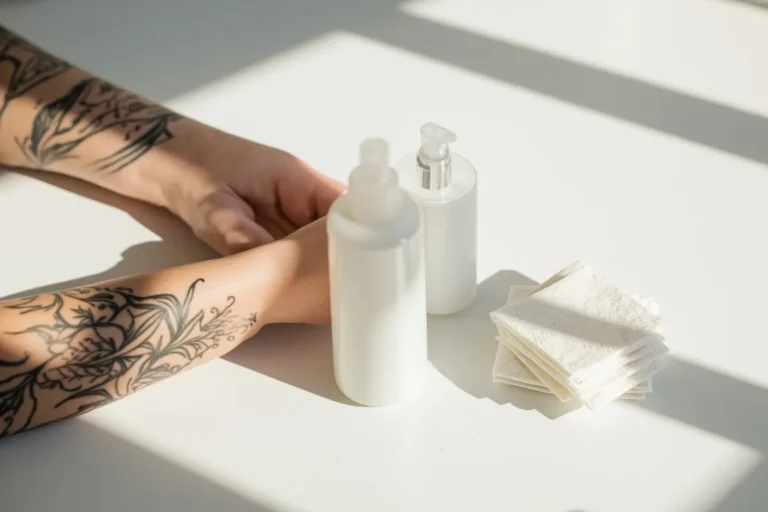
- Switch to unscented lotion. When peeling starts, most people need to move from ointment to something lighter. I recommend whatever plain, dye-free moisturizer they already tolerate.
- Stay out of the sun. Fresh tattoos in direct heat get angrier and itchier.
- Keep it clean, keep it simple. No miracle products. No tea tree oil straight from the bottle. No advice from your cousin who “knows tattoos.”
The Slap Method and Other Shop Tricks
Some artists swear by slapping the area lightly instead of scratching. I’ve seen it work, though it looks ridiculous. Others recommend blowing cool air from a hair dryer on low. The real trick is distraction, occupy your hands, keep busy, and remember that every itch is temporary. The tattoo is permanent. Don’t trade.
When Itching Means Something Else
Not all itch is normal healing. Here’s where I tell people to pay attention:
- Redness spreading outward from the tattoo after day five
- Heat that doesn’t decrease with time
- Pus or fluid that isn’t clear plasma
- Itch accompanied by hives or rash beyond the tattoo lines
- Itch that returns weeks or months after healing
That last one matters. I’ve had clients develop ink allergies months or years later, red ink is notorious for this. The tattoo suddenly itches, raises slightly, maybe gets a bumpy texture. Not an emergency, but worth a dermatologist visit if it persists.
Aftercare Products and the Itch Factor
What you put on your skin changes how it feels. Traditional petroleum-based ointments like A&D or Aquaphor work well for the first few days but can clog pores and extend the itchy phase if overused. Unscented lotions like Lubriderm or CeraVe are what most artists I know switch to after day three or four.
Natural options exist, coconut oil, shea butter, but I’ve seen more reactions to “natural” products than to plain drugstore lotion. Fragrance is the real villain. If it smells like a spa, it’s probably going to irritate healing skin.
Cost-wise, aftercare is cheap. A $6 bottle of lotion lasts through multiple tattoos. The expensive part is fixing damage from bad aftercare, which means touch-ups, rework, or in worst cases, partial blowouts that never look right again.
Key Takeaways
Tattoo itching is normal, expected, and temporary. One to three weeks is the standard window, with the peak usually in that first week. Don’t scratch. Don’t overthink your products. Keep it clean, lightly moisturized, protected from sun and friction. The itch means your skin is working. Let it work. I’ve watched too many people turn a simple healing process into a damaged tattoo because they couldn’t wait out the discomfort. Your artist put hours into that piece. Respect the process, and you’ll have something worth the temporary annoyance.
Frequently Asked Questions
Can I put hydrocortisone cream on my itchy tattoo?
Not while it’s healing. Steroid creams can interfere with the healing process and affect how the ink settles. Wait until the tattoo is fully healed, and even then, check with your artist first.
Why does my tattoo itch more at night?
Body temperature rises slightly during sleep, and you’re not distracted by daily activity. Plus, many people unconsciously rub against bedding. Try sleeping with the tattoo uncovered if possible.
Is it normal for a years-old tattoo to suddenly start itching?
Sometimes. Weather changes, dry skin, or developing a sensitivity to certain ink colors, especially red, can cause this. If it persists or the tattoo raises, see a dermatologist.
Does tattoo placement affect how much it itches?
Absolutely. Areas with thin skin, lots of movement, or frequent clothing contact tend to itch more. Ribs, feet, inner arms, and thighs are common complaint zones in my experience.
Related Tattoo Guides
- How Much Are Tattoo Removals? Real Costs in 2024
- How to Get Rid of a Henna Tattoo: A Real Guide
- How to Make a Tattoo Map on Your Arm: A Complete Guide
- Explore more