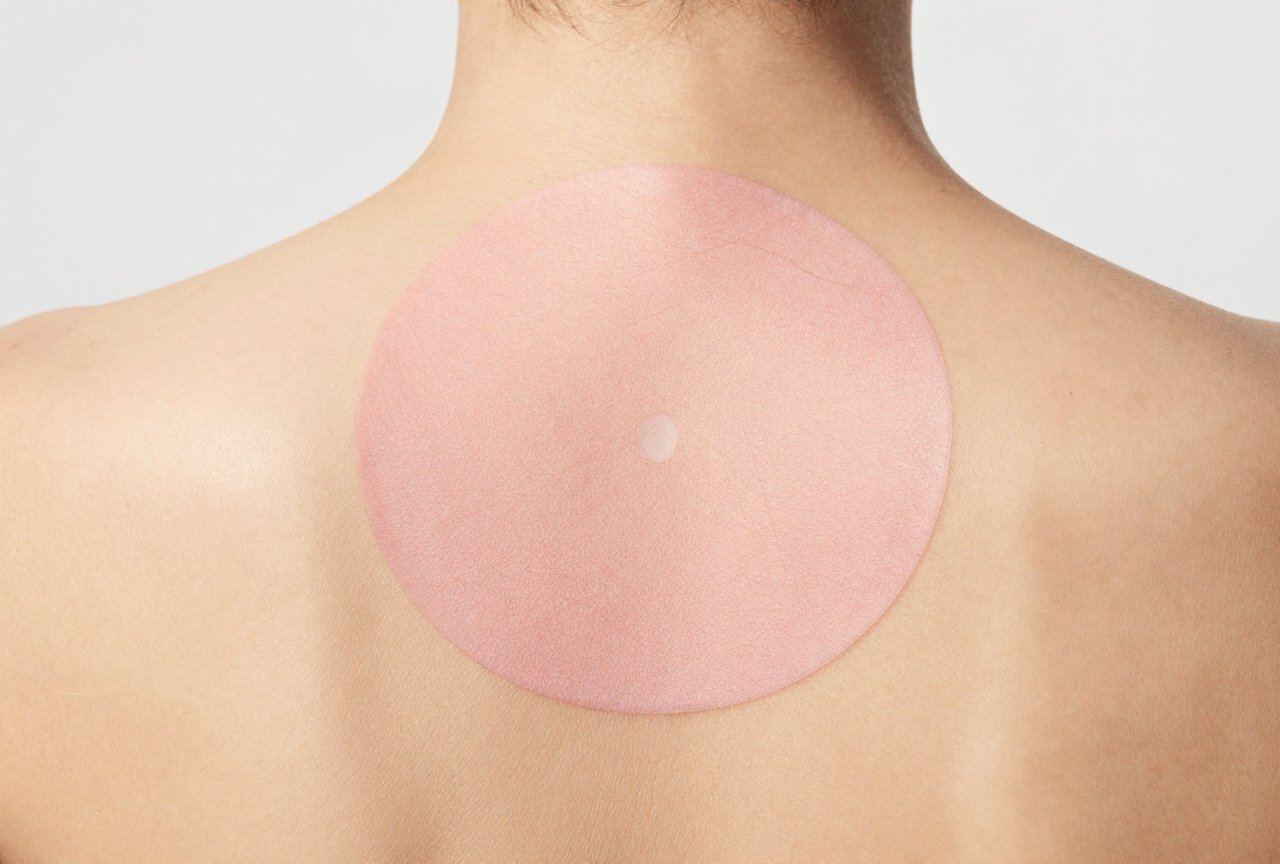
A tattoo is fully healed when the skin has completely regenerated and the ink has settled into its permanent depth, typically two to three months, though the surface looks fine much sooner. In my chair, I tell clients to think of it like a scraped knee: the scab falls off in two weeks, but the skin underneath is still rebuilding for months. The timeline varies by placement, size, how heavy-handed the artist was, and how well you follow aftercare. Here’s the real breakdown from someone who’s watched thousands of tattoos heal.
The First 48 Hours: The Open Wound Phase
Your fresh tattoo is exactly that, a controlled wound. The artist has deposited ink through the epidermis into the dermis, and your body responds with plasma, redness, and that tight, sunburned feeling. I’ve had clients describe it as “cat scratch burn” or “gravel rash.” Both are accurate.
What You’ll See and Feel
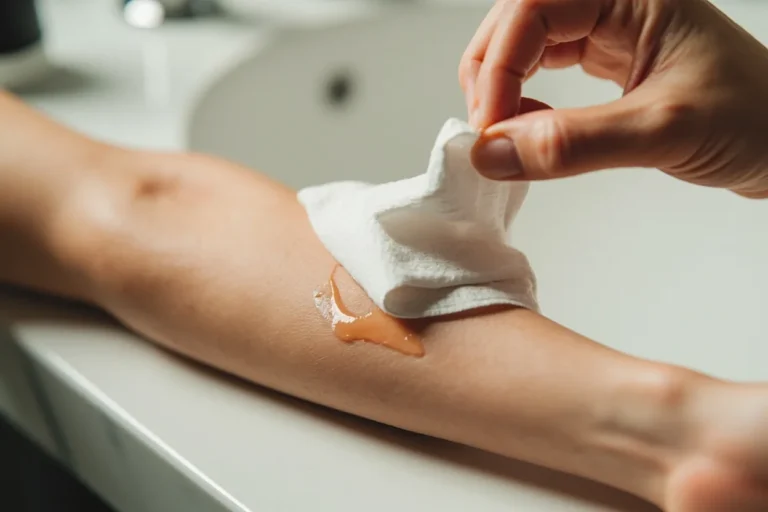
The area will be hot, swollen, and leaking a clear or slightly bloody fluid called plasma. This is normal. The wrap your artist applied, whether Saniderm, Tegaderm, or traditional plastic wrap, needs to stay on for the time they specified. I usually send clients home with Saniderm for 3-5 days, but every shop has its protocol. Don’t switch methods because you read something online. Trust your artist; they know what worked on your specific piece.
- Redness and warmth around the edges
- Plasma and ink pooling under the wrap
- Mild throbbing that worsens if the tattoo is on a limb below heart level
- Tightness when you move the area
Sleep with the tattoo raised if possible. I’ve tattooed enough forearms and calves to know that hanging down all night makes morning swelling brutal. A pillow under your ankle or propping your arm on a folded blanket helps.
Days 3-7: The Peeling and Itching Stage
This is where people panic. The tattoo looks dull, flaky, and sometimes patchy. The shiny plasma layer dries into a thin film, then cracks and peels like a bad sunburn. Underneath, the ink can look gray or muted. Clients text me photos at this stage convinced their tattoo is ruined. It isn’t.
The Itch Is Real
Itching peaks around day four or five. I’ve seen people slap their tattoos through their shirts, rub them on doorframes, even ice them. The best relief is a thin layer of unscented lotion, Lubriderm, Aveeno, or whatever your artist recommended, and gentle patting. Never scratch. I’ve had to touch up too many tattoos where someone dug a fingernail through a peeling scab and pulled out ink with it.
During this phase, loose clothing is non-negotiable. Tight jeans over a fresh thigh piece, bras rubbing on sternum work, or socks pressing on ankle tattoos, all of these cause friction that pulls scabs prematurely. We see this a lot in summer when people want to show off new ink and end up with irritated, delayed healing.
Weeks 2-4: Surface Healing vs. Real Healing
By the end of week two, most tattoos look presentable. The peeling has stopped, the surface feels smooth, and the color looks brighter. This is when clients stop being careful. They go swimming, start working out without covering it, or skip lotion because “it looks fine now.”
Here’s the truth: the epidermis has closed, but the dermis is still remodeling. The ink sits in a soup of collagen and immune cells that haven’t finished settling. A tattoo at three weeks can still get infected. It can still fade from sun exposure. It can still develop raised, textured areas if you irritate it.
- Continue washing gently with unscented soap
- Keep moisturizing, but don’t suffocate it, thin layers
- No direct sun; if you must be outside, loose clothing over it
- Still avoid soaking: baths, pools, hot tubs, ocean
I had a client come back for a touch-up on a beautiful rib piece because she went to a rooftop party at three weeks, wore a crop top, and got a sunburn that blistered the lines. The tattoo survived but needed reinforcement. The two-month rule exists for a reason.
Months 2-3: The Settling Period
This is the invisible part of healing that most articles skip. The tattoo continues to change. Fine lines soften slightly as the skin fully regenerates. Blacks settle from that sharp, almost blue-black freshness into their permanent depth. Color saturation evens out. Some areas that looked patchy during peeling reveal themselves as fully saturated; others genuinely need a touch-up.
What “Settled” Actually Looks Like
A settled tattoo has a slight dimensional quality. You can see it’s in the skin, not on it. The surface texture matches surrounding skin. There’s no shininess, no raised areas, no lingering sensitivity. When I do touch-ups, I prefer to wait until at least six weeks, ideally three months, because working on unsettled skin gives unpredictable results. The ink doesn’t take evenly, and you can cause more trauma than necessary.
Heavy blackwork and solid color fields take longest to settle. I’ve done traditional Japanese sleeves that looked rough and textured for ten weeks before the skin flattened completely. Fine line work settles faster but is more vulnerable to sun damage long-term because there’s less ink density to hold the color.
Factors That Speed Up or Slow Down Healing
Not all tattoos heal at the same rate. After fifteen years in shops, I can usually predict trouble based on a few variables.
- Placement: Inner thighs, ribs, and feet heal slower because of friction, moisture, and movement. Outer arms and upper back heal fastest.
- Size and saturation: A tiny fine-line flower heals in ten days. A fully saturated color bomb with heavy black outlines needs six weeks minimum.
- Skin type: Dry skin flakes more visibly. Oily skin can stay shiny and slightly raised longer. Very fair skin shows redness longer; very dark skin can mask healing issues until they’re advanced.
- Aftercare consistency: The clients who heal best are boringly consistent. Wash, thin lotion, leave it alone. The ones who overthink it, switching products, over-moisturizing, under-moisturizing, have more problems.
- Immune health: If you’re run down, fighting a cold, stressed, or not sleeping, your body prioritizes survival over tattoo healing. I’ve watched otherwise healthy people take twice as long because they got the tattoo during finals week or after a breakup.
Diabetes, autoimmune conditions, and certain medications slow healing significantly. If any of these apply to you, tell your artist before booking. We need to plan differently, sometimes doing shorter sessions or simpler designs.
Red Flags: When to Contact Your Artist
Most healing issues are minor and self-limiting. Some aren’t. I always tell clients: text me a photo if you’re unsure. Better a two-minute conversation than a ruined tattoo.
- Spreading redness after day three, especially with red streaks
- Thick, yellow-green pus rather than clear plasma
- Fever or feeling generally unwell
- Hard, hot, increasingly painful areas that don’t improve
- Allergic reactions to aftercare products, bright red, itchy rash beyond the tattoo edges
We see allergic reactions to scented products constantly. One client used a lavender “natural” balm that swelled her forearm like a sausage. Switched to plain Lubriderm, cleared in two days. Another had a genuine red ink reaction, rare, but real, that needed medical attention. Your artist can guide you on what’s normal for tattoo healing versus what needs a doctor.
Key Takeaways
Surface healing takes two to four weeks. Full dermal healing takes two to three months, sometimes longer for heavy work. The peeling phase looks worse than it is. The settled phase looks better than you fear. Consistency beats complexity in aftercare every time. Keep it clean, keep it lightly moisturized, keep it protected from sun and soaking, and trust the process. Your artist has seen this hundreds of times. If something seems off, ask. We prefer questions to cover-ups.
Frequently Asked Questions
Can I work out with a new tattoo?
Light exercise after 48 hours is usually fine if you can keep the area clean and dry. Avoid anything that causes friction, stretching, or soaking sweat into the tattoo for at least two weeks. I tell clients to skip leg day if they just got a thigh piece, better to heal properly than maintain your squat schedule.
Why does my tattoo look faded after peeling?
That muted, grayish appearance is a normal part of healing called the “milky phase.” The epidermis is still regenerating over the ink, creating a veil effect. Once fully settled, the color brightens back up. If it still looks patchy after two months, that’s when we discuss a touch-up.
Is it okay to swim in the ocean with a three-week-old tattoo?
Ocean water is full of bacteria, sand is abrasive, and salt dries out healing skin. I recommend waiting a full month minimum, preferably six weeks. I’ve seen beautiful work get infected from premature beach trips. The ocean will still be there when you’re healed.
How do I know if I’m over-moisturizing my tattoo?
If the skin stays shiny, feels mushy, or develops small whiteheads around the ink, you’re using too much lotion or applying too often. A healed tattoo should breathe. Switch to thinner layers twice daily instead of constant slathering.
Related Tattoo Guides
- How Long to Keep a Tattoo Cover On: A Shop Artist s Guide
- How Long to Keep Wrap on Tattoo: A Real Shop Guide
- How Long to Leave Saran Wrap on a New Tattoo
- Explore more