The honest truth: you can’t force a tattoo to heal overnight. Skin repair takes roughly two to four weeks for the surface, longer for the dermis underneath. But you can remove obstacles that slow healing down, dryness, friction, infection risk, and overhandling. The goal isn’t acceleration for its own sake; it’s creating conditions where your body does what it already does well, without interference. Here’s how to actually do that.
What Happens During Healing (And Why Rushing Backfires)
A tattoo is a controlled wound. The needle deposits ink through the epidermis into the dermis, triggering your immune response. White blood cells rush in, plasma weeps out, and a scab or thin film forms. That early phase, days one through three, is about stopping fluid loss and keeping bacteria out. Days four through fourteen involve the epidermis regenerating while the dermis reorganizes collagen around the ink particles. Weeks three and four? The surface looks healed, but the deeper layers are still settling.
Trying to “speed up” day one by slathering on heavy ointment actually traps heat and plasma, creating a soggy mess that breeds bacteria. Similarly, picking at peeling skin in week two tears away ink that hasn’t fully anchored. Faster healing means smoother healing, fewer complications, less scabbing, better color retention.
The Stages You Need to Respect
- Days 1-3: Open wound phase. Plasma, ink, and blood may weep. This is normal. The goal is protection, not dryness.
- Days 4-7: Peeling and flaking begins. Itching ramps up. The temptation to scratch or pick peaks here.
- Days 8-14: Surface looks mostly healed. Deeper layers still knitting. Color may look dull or cloudy, this is part of the process.
- Weeks 3-4+: Final settling. The “onion skin” phase gives way to settled, true color. Some areas (thick scabs, heavy saturation) lag behind.
First 48 Hours: Set the Foundation Right
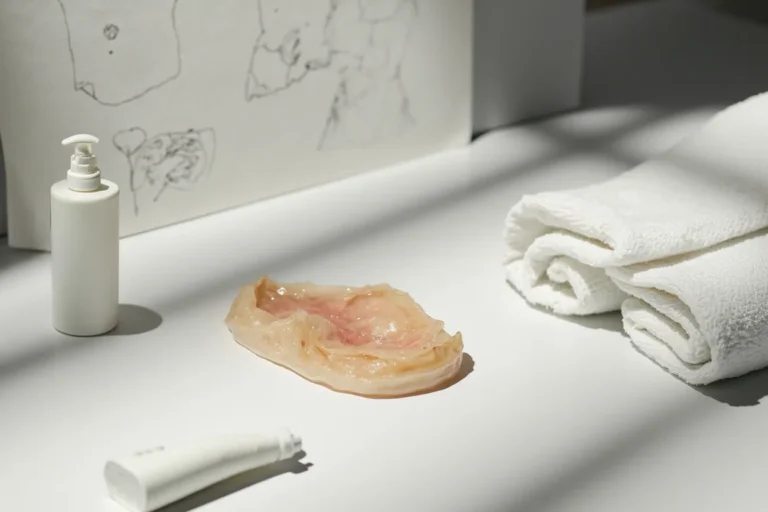
Your artist’s bandage, whether plastic wrap, a second-skin adhesive, or absorbent pad, stays on for the time they specify, usually two to six hours, sometimes overnight for second-skin products. Don’t get clever and leave plastic wrap on for days; it suffocates the wound and creates a petri dish.
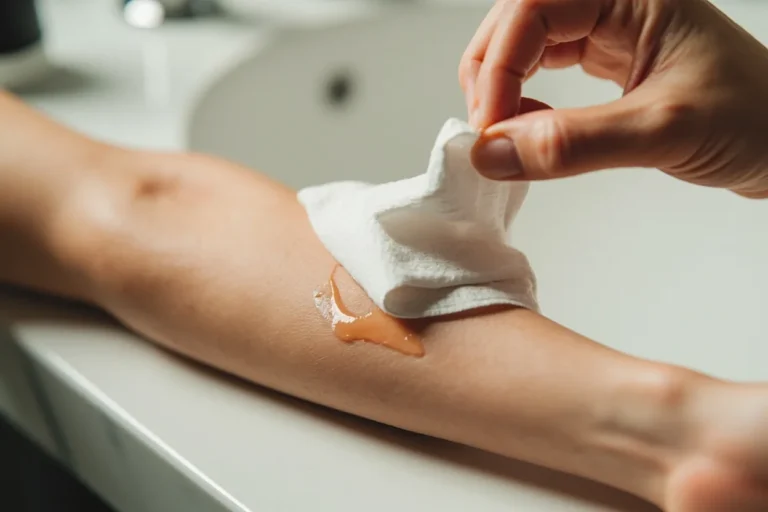
Wash with unscented, antibacterial soap and lukewarm water. Not hot. Not cold. Lukewarm. Hot water opens pores and increases weeping; cold constricts and can trap plasma. Pat dry with paper towels, not fabric towels that harbor bacteria and lint. Apply a thin layer of recommended aftercare, typically a fragrance-free lotion or a specific ointment your artist suggests. Thin means nearly invisible. If you can see a greasy film, you’ve used too much.
Sleep Setup Matters
First nights are tricky. Fresh tattoos stick to sheets, collect pet hair, and get knocked by partners. For a large piece, clean sheets are non-negotiable. Sleep in positions that don’t press the tattoo into the mattress, back pieces mean side-sleeping, rib pieces mean avoiding that compressed curl. If the tattoo weeps overnight, a thin layer of breathable gauze (not plastic) can protect bedding without sealing in moisture.
Moisture Balance: The Most Common Mistake
Dry tattoos crack. Over-moisturized tattoos macerate. Both delay healing and damage ink. The sweet spot is a light sheen that absorbs within minutes, reapplied when the skin feels tight, usually three to five times daily in early days, tapering as peeling subsides.
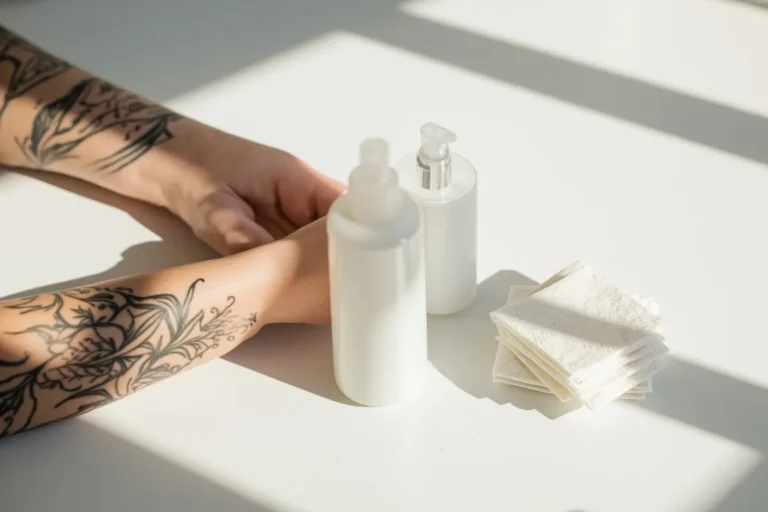
Petroleum-based products like straight Vaseline are generally too occlusive for fresh work. They block oxygen exchange and can draw ink out. Specialized tattoo aftercare balms, or simple Lubriderm/Cetaphil-type lotions, work better. Avoid anything with fragrance, alcohol, or essential oils, these irritate and can cause allergic reactions on compromised skin.
Signs You’re Overdoing It
- White, soggy skin around the tattoo edges
- Small red bumps that don’t match the tattoo outline
- Ink appearing to “bleed” or pool on the surface
- Increased warmth that doesn’t subside
If you see these, cut back to washing twice daily and minimal lotion. Let it breathe.
Protecting From Real-World Hazards
Friction is the silent killer of fresh tattoos. Waistbands on hip pieces, bra straps on sternum work, watch bands on wrists, phone cases against forearms, constant rubbing lifts scabs prematurely and pulls ink. During healing, rotate clothing and accessories to avoid these pressure points. For foot or ankle tattoos, this means no socks that grip tightly, no shoes that rub the heel.
Sun exposure in the first month is another avoidable setback. UV damages fresh skin cells trying to regenerate, and it fades unhealed ink faster than you’d think. If the tattoo must be visible, loose, opaque clothing is better than sunscreen on open skin. Once fully healed, SPF 30+ becomes your long-term color preservation strategy.
Water Exposure: What Actually Counts
Quick showers: fine. Submersion: not fine. Baths, hot tubs, pools, lakes, and oceans introduce bacteria and soften scabs to the point of detachment. Two weeks minimum for still water; some artists prefer three for swimming. Sweat is less problematic than often feared, light exercise that doesn’t soak the bandage or create chafing is acceptable, but heavy gym sessions that leave the tattoo drenched in salt and bacteria should wait.
Itching and Peeling: The Discipline Test
Itching peaks around days five through ten. Scratching with nails tears ink. Slapping helps briefly but risks hitting the tattoo. The move is: wash gently, apply a thin layer of lotion, and distract yourself. Some people find brief cool compresses (clean, not dripping) help, but don’t leave them on, moisture, again, is the enemy of balance.
Peeling skin that looks like colored film is normal. That’s ink-carrying epidermis sloughing off. The color underneath may look muted or grayish; this is the “onion skin” phase and resolves as deeper layers finish healing. Pulling at this film because it hangs loose is how you get patchy spots that need touch-ups.
When to Stop Self-Managing and Call Your Artist or a Clinic
Some redness and warmth for the first few days is expected. Spreading redness after day four, red streaks, pus, fever, or pain that worsens instead of improving signals infection. Don’t try to power through with more ointment. Your artist can assess whether it’s normal irritation or something needing medical attention. They’re your first call; they know their work and their ink.
Allergic reactions to specific ink colors, particularly reds and sometimes yellows, can present as raised, persistent bumps that don’t follow the expected healing curve. These need professional evaluation, not home remedies.
Long-Term Healing: What “Healed” Actually Means
A tattoo that looks closed isn’t necessarily done. The epidermis can seal while the dermis still reorganizes. This is why artists typically schedule touch-ups at six to eight weeks, not two. The ink settles, the true color emerges, and any areas that didn’t hold, common in high-friction spots or where scabbing was thick, become visible.
Touch-ups aren’t failures. They’re part of the process, especially for saturated color work, fine lines, or pieces in areas that move constantly. Budget for this possibility when planning your tattoo; many artists include one touch-up in the original price, but policies vary.
Key Takeaways
- Healing can’t be rushed, but it can be smoothed: protect from infection, maintain moisture balance, and avoid friction.
- Wash gently with lukewarm water and unscented soap; pat dry with paper towels.
- Apply aftercare thinly and frequently, but back off if skin gets soggy or bumpy.
- No soaking, no sun, no picking, no tight clothing over the area for two weeks minimum.
- Itching demands discipline, not scratching, lotion and distraction are your tools.
- Know the signs of infection versus normal healing, and contact your artist promptly if something seems off.
- True settling takes six to eight weeks; plan touch-ups accordingly and protect healed work with sunscreen for life.
Frequently Asked Questions
Can I use coconut oil or shea butter on my healing tattoo?
Unrefined coconut oil and raw shea butter can clog pores and trap bacteria. Stick to fragrance-free lotions or products your artist recommends. Natural doesn’t always mean safe for open skin.
Why does my tattoo look faded after peeling?
That’s the “onion skin” phase. The top layer of dead skin makes ink look dull underneath. True color emerges as deeper layers heal over the next two to four weeks.
Is it okay to work out with a new tattoo?
Light exercise that doesn’t soak or rub the area is generally fine after a few days. Avoid heavy sweating, tight gear, and gym equipment that contacts the fresh tattoo for at least a week.
How do I know if my tattoo is infected or just irritated?
Normal healing includes redness and warmth that peak early and fade. Spreading redness after day four, pus, fever, or worsening pain suggests infection, contact your artist or a clinic promptly.
Related Tattoo Guides
- How to Minimize Tattoo Pain: A Practical Guide
- How to Print Tattoo Stencils: A Practical Guide
- How to Protect a Tattoo in a Tanning Bed
- Explore more