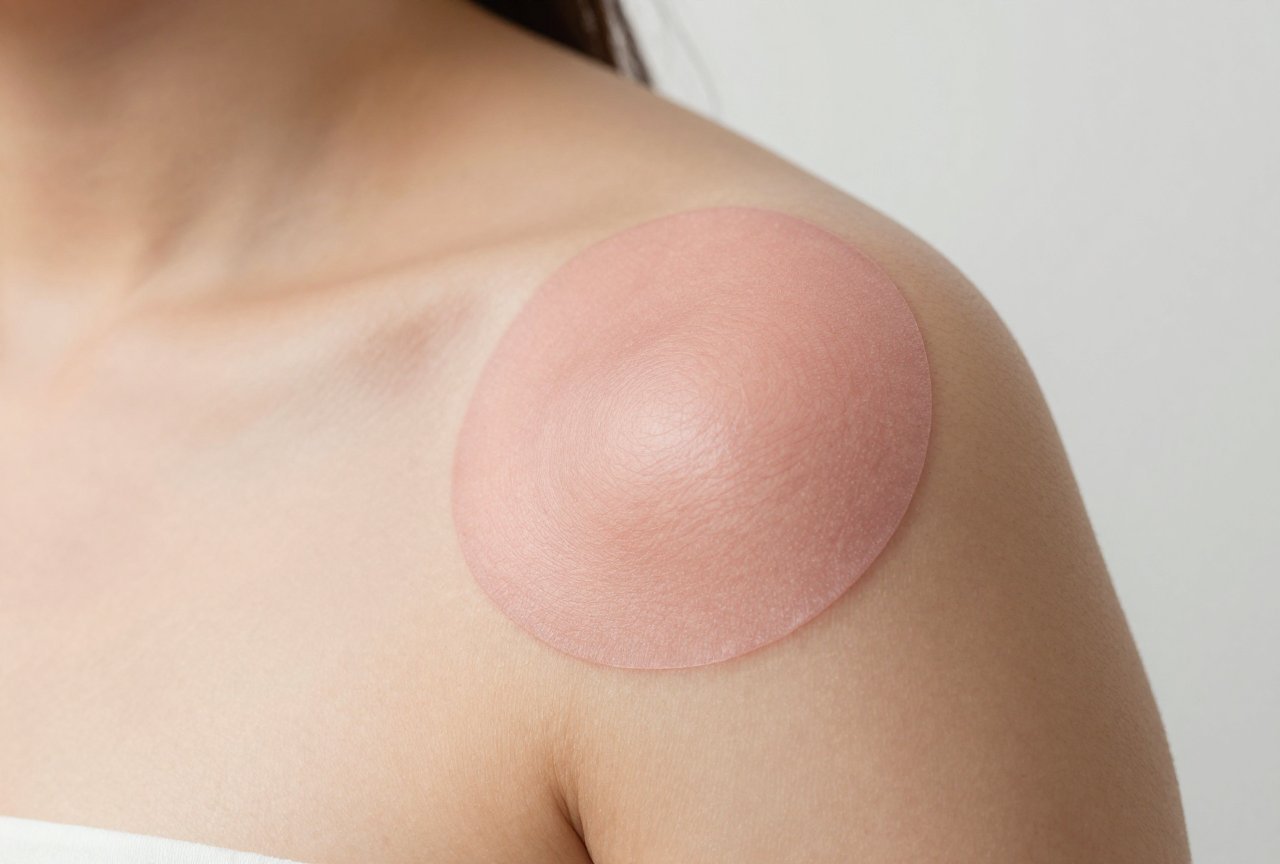
Yes, your tattoo is supposed to scab, but only a little. Light, flaky scabbing is part of normal healing. Thick, crusty scabs that crack and bleed? That’s a problem. I’ve tattooed thousands of people over fifteen years, and the number one panic text I get around day three is always the same: “Is this normal?” Usually, it is. Sometimes it’s not. This guide walks you through what healthy scabbing looks like, when to worry, and how to keep from screwing up your fresh ink.
What Normal Scabbing Actually Looks Like
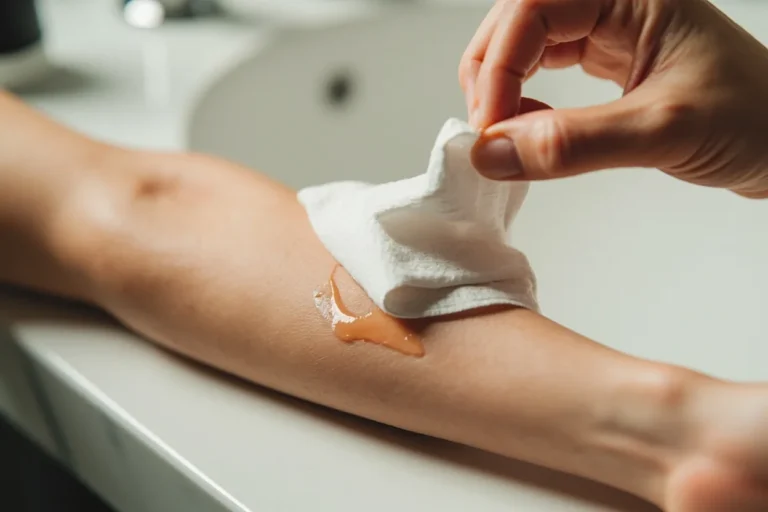
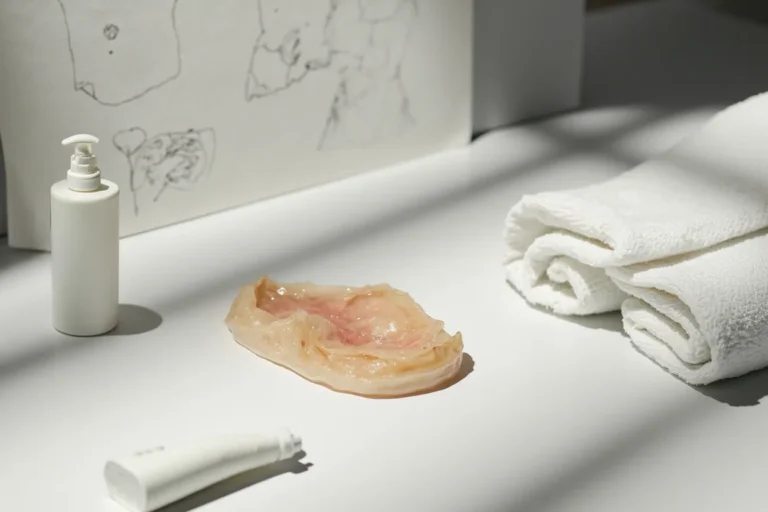
Fresh tattoos weep plasma and ink for the first day or two. That’s the shiny, slick film you blot off with a clean paper towel. By day three or four, that plasma dries into a thin, translucent layer. It looks like dried glue, or the skin after a sunburn starts to peel. That’s your scab. It’s not a wound scab like you’d get from gravel on your knee. It’s thinner, flakier, and sits on top of the ink rather than pulling everything together.
I’ve had clients in my chair who panic because they expect smooth skin immediately. Tattooing is controlled trauma. The needle clusters punch through the epidermis and deposit ink in the dermis. Your body responds the same way it would to any injury: inflammation, fluid, then healing. The difference is scale. A well-done tattoo creates minimal trauma, so the scabbing stays light.
How Scabbing Varies by Tattoo Style
Not all tattoos scab the same. Here’s what I see in the shop:
- Bold traditional lines, usually minimal scabbing. The skin takes less total damage when the artist works efficiently with fewer passes.
- Heavy black fill, more noticeable flaking. Saturated black areas weep longer and form thicker film.
- Soft shading and color blends, often the itchiest phase. Those gray-wash gradients and pastel colors create more surface trauma.
- White ink highlights, sometimes the last to peel. White sits on top of other layers and can form slightly thicker caps.
Placement matters too. A forearm tattoo scabs differently than one on your ribs or inner thigh. Areas that move more, sweat more, or rub against clothing will flake and peel in patches. I’ve watched ankle tattoos heal clean while chest pieces look like a snake shedding for a week straight.
The Timeline: What to Expect Day by Day
Every body heals differently, but this pattern holds for most people I work on:
- Days 1-2: Red, swollen, warm to touch. Plasma and excess ink seep out. This is the messy phase. Keep it clean, don’t over-moisturize.
- Days 3-5: Scabbing begins. Thin, milky film forms. Color looks dull under the scab. This is when people start freaking out.
- Days 6-10: Peeling and flaking. Itch sets in. The tattoo looks like it’s falling apart. It’s not.
- Days 11-14: Surface mostly healed. Scabs gone, but skin still rebuilding below. Color looks settled but slightly matte.
- Week 3-4: Fully closed surface. Might still be dry or slightly shiny. This is when I tell clients to start judging the real color.
Don’t trust the timeline more than your own skin. I’ve seen heavy blackwork heal in ten days and delicate watercolor pieces take three weeks to stop flaking. Your immune system, sleep quality, and if you’re hydrating all shift the schedule.
When Scabbing Becomes a Problem
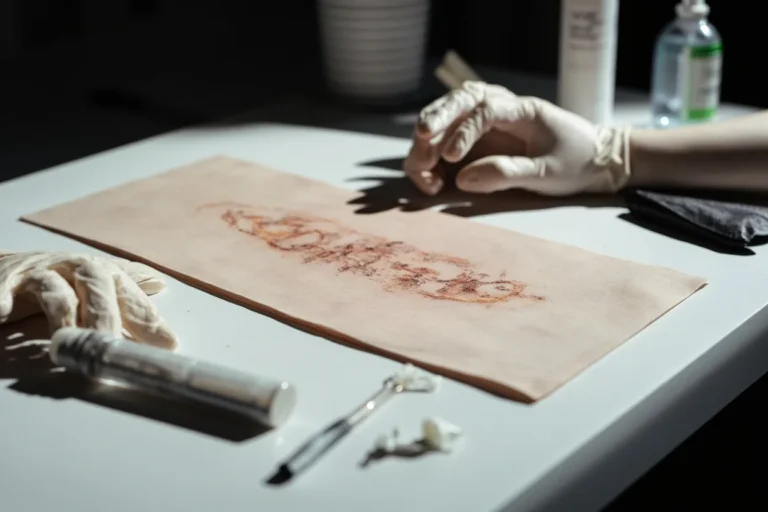
Light, flaky scabs: fine. Thick, raised, cracking scabs: trouble. Here’s where I draw the line in my shop:
Signs of Unhealthy Scabbing
- Thick, hard scabs that pull at the surrounding skin when you move
- Scabs with color pooling underneath, often means too much plasma dried in place
- Cracking that bleeds or oozes after day five
- Scabs that catch on clothing and tear partially off
- Red streaks spreading from the tattoo or skin that stays hot and swollen past day three
These usually trace back to one cause: over-moisturizing or under-cleaning. Goopy, wet healing breeds bacteria and traps plasma. Dry healing cracks the skin. The sweet spot is clean, lightly moisturized, breathable skin. I tell clients to imagine tending a houseplant, moist, not swampy.
Another culprit is picking. I know it itches. I know the edge of that scab is lifting and your fingers want to help it along. Don’t. I’ve seen people pull out chunks of ink with their own nails. The scab protects the ink underneath. Let it fall when it’s ready.
Aftercare That Keeps Scabbing Minimal
Aftercare isn’t one-size-fits-all, but the fundamentals don’t change. Here’s what actually works in practice:
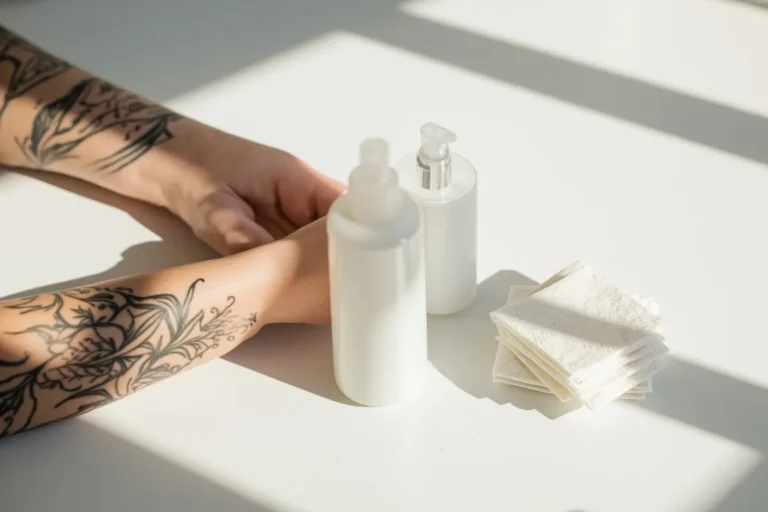
- Wash gently with unscented soap, lukewarm water, clean hands. No washcloths. No scrubbing. Pat dry with paper towel, not fabric that sheds lint.
- Thin layer of moisturizer, just enough to make the skin slightly supple. If it looks greasy, you’ve used too much. I recommend plain, fragrance-free lotion or a specific tattoo balm. Avoid petroleum-heavy products that suffocate the skin.
- Keep it out of water, no soaking, no swimming, no hot tubs. Quick showers only until scabs are gone. I’ve had clients ruin chest pieces by lounging in bathwater on day four.
- Loose clothing over the area. Friction pulls scabs. Tight jeans over a fresh thigh tattoo? Bad idea. Breathable cotton, nothing that sticks.
- Sun avoidance, fresh ink burns fast. Even through a window, UV damages healing skin. Cover it or stay inside that first two weeks.
Some shops still recommend plastic wrap for the first night. Others go straight to breathable bandages like Saniderm. I’ve used both. The key is understanding why: plastic wrap traps heat and moisture, so it comes off within hours. Breathable films can stay longer but need proper application. Ask your artist what they prefer and why. Their method matches their machine setup, needle depth, and the way they pack ink.
Itching, Peeling, and the Urge to Mess With It
Day seven is the worst. The scabs are dry, the skin underneath is tightening, and every nerve ending seems to fire at once. I’ve watched grown adults sit in my lobby slapping their own arm because it itches so badly.
Don’t scratch. Slap lightly if you must. Apply a thin layer of moisturizer and distract yourself. The itch means healing is active, new skin forming, ink settling. Scratching rips fresh tissue and pulls ink out with it. I’ve done touch-ups on perfectly applied tattoos that the client ruined with their fingernails during week two.
Peeling looks dramatic. Sheets of dead skin lift off with color visible in them. That color is surface residue, not lost ink. The actual pigment sits deeper, in the dermis. What you’re seeing is the carrier solution and excess pigment that never fully settled. It looks worse than it is.
When to Contact Your Artist (or Seek Care)
Call your artist first for most concerns. We know our own work, our own ink, and we’ve seen every healing variation. Text us a photo. We’ll tell you if it’s normal or if you need a doctor.
Go to urgent care or a clinic for: spreading redness, fever, pus that smells bad, red streaks (possible lymphangitis), or skin that turns black or gray in ways that don’t match the tattoo design. These are beyond aftercare advice. I’m not a medical professional, and neither is your artist. We know ink, not infections.
Most “emergencies” aren’t. I’ve had clients rush to the ER for normal scabbing and pay $800 for a doctor to tell them to moisturize less. Save yourself the bill. Start with your artist.
Key Takeaways
Light, flaky scabbing is normal and expected. Thick, cracking, bleeding scabs mean your aftercare needs adjustment. Don’t pick, don’t soak, don’t slather on product like you’re frosting a cake. Healing takes two to four weeks on the surface, longer below. Your tattoo will look terrible mid-process, dull, peeling, patchy. Trust the process. I’ve watched this cycle thousands of times. The ink that looks lost under scabs resurfaces bold once the skin settles. Patience beats panic every time.
Frequently Asked Questions
Why does my tattoo look faded under the scabs?
The scab creates a milky layer over the ink, making colors look dull or gray. Once the scab falls naturally and the skin fully regenerates, the true vibrancy returns. This is normal and not a sign that your tattoo is losing ink.
Can I work out with a fresh tattoo that’s scabbing?
Wait at least a few days. Sweat, friction from clothing, and gym equipment bacteria all risk disturbing scabs and introducing problems. Light walking is fine, but avoid anything that strains the tattooed area or gets it dirty.
Is it normal for my tattoo to still be itchy after the scabs fall off?
Yes, the skin underneath continues healing and tightening for weeks after surface scabs disappear. Keep moisturizing lightly and resist scratching. The deeper healing phase can last a month or more depending on size and placement.
Should I get a touch-up if my scabbing pulled out some ink?
Most artists include one touch-up in their pricing because minor ink loss happens. Wait until the tattoo is fully healed, about six weeks, then assess. Small gaps from scab damage are easy fixes that take minutes.
Related Tattoo Guides
- Jason Painting Tattoo Guide: Design, Placement Aftercare
- Tattoo Pain Threshold: What to Actually Expect
- Is My Tattoo Supposed to Peel? What Normal Healing Looks Like
- Explore more