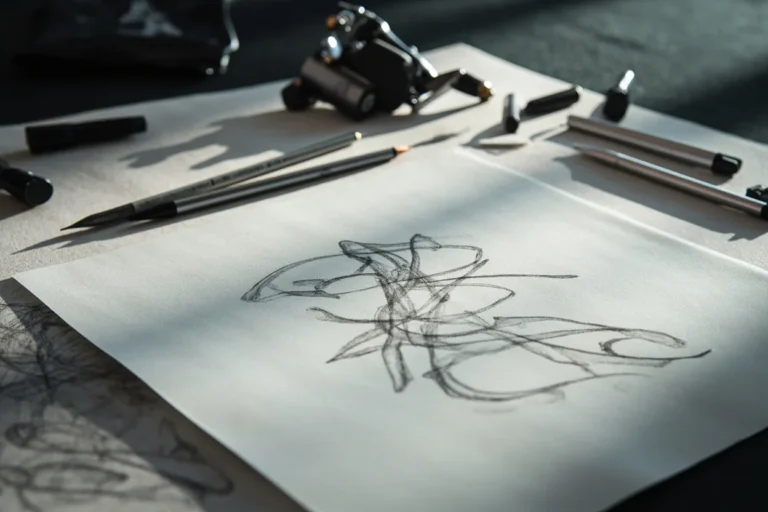
Here’s the straight answer: most people can handle tattoo pain fine. It’s not painless, but it’s rarely the horror story your buddy swears about. I’ve had clients fall asleep during rib pieces and others tap out on a small forearm script. Pain threshold for tattoos depends on your body, your headspace, the spot, and the artist’s hand. This guide breaks down what actually happens, where it stings most, and how to get through your session without regretting every life choice.
Where It Hurts Most (and Least)
Skin thickness, nerve density, and bone proximity determine the sting. Fat and muscle cushion the needle. Bone, thin skin, and clusters of nerve endings don’t.
The Rough Spots
Ribs, sternum, spine, kneecaps, elbows, feet, hands, and the ditch (inner elbow) are the ones that make clients curse. On ribs, I’ve watched people hold their breath for minutes without realizing. The needle vibrates against bone with no padding. Sternum work feels like it’s rattling your chest cavity. Feet and hands? The skin is thin, the nerves are dense, and the healing is annoying because you use those parts constantly.
The armpit and inner thigh are sneaky brutal. Clients never expect it. Soft tissue, lots of nerves, and that weird tickle-pain mix that makes your brain short-circuit.
The Easier Ground
Outer upper arm, outer thigh, calves, and most of the forearm are manageable. These spots have muscle and fat between needle and bone. I’ve done three-hour sessions on outer thighs where the client chatted through the whole thing. The “meatier” the area, the more the vibration spreads out instead of concentrating.
- Least painful: outer upper arm, outer thigh, calf, forearm (outer)
- Moderate: shoulder, upper back, lower back, outer bicep
- Spicy: ribs, sternum, spine, kneecap, elbow, ditch, ankle
- Brutal: armpit, inner thigh, top of foot, fingers, throat
What the Pain Actually Feels Like
Not like a shot. Not like a cut. It’s a repetitive, hot scratching or burning sensation. The needle groupings puncture skin roughly 50 to 3,000 times per minute depending on the machine and the artist’s technique. Line work feels sharper and more focused. Shading and color packing feel deeper, more like a dull burn or a cat scratch being dragged repeatedly.
Some clients describe it as a rubber band snapped fast, over and over. Others say it feels like a hot toothpick dragged through skin. The sensation changes during the session too. First twenty minutes, adrenaline helps. Then your body adjusts, and it becomes a steady grind. By hour three, the same spot can feel worse because endorphins fade and the area is already irritated.
White ink and highlight passes often hurt more than the base work. The skin is already angry, and going back over it with a different needle configuration adds insult to injury.
Your Mind Matters More Than You Think
Pain threshold isn’t just physical. I’ve seen marathon runners crumble and anxious first-timers sit like rocks. Anticipation amplifies everything. The person who built it up for years often has a worse time than the walk-in who decided that morning.
What Helps in the Chair
Eat a real meal two to three hours before. Not a granola bar. Actual food with protein and complex carbs. Low blood sugar makes you lightheaded and more sensitive to pain. Hydrate the day before, not just chugging water in the parking lot.
Bring headphones and a playlist that actually occupies your brain. Podcasts work for some people, music for others. One of my regulars watches downloaded shows on her phone with a clamp mount. Distraction is legitimate pain management.
Breathe. Seriously. Holding your breath tenses muscles, which makes the needle bounce and hurt more. Slow, steady breathing keeps the skin calmer and gives your nervous system something to regulate.
What Makes It Worse
Alcohol is a disaster. It thins blood, which creates more wiping, more irritation, and a messier heal. Weed affects people unpredictably, some it relaxes, some it makes hyper-aware of every sensation. Caffeine on an empty stomach amps the jitters. Lack of sleep lowers your tolerance across the board.
Also: don’t bring a hype person who stresses you out. I’ve had clients’ friends talking nonstop about how “brave” they are, making the whole thing into a production. Calm helps. Normalizing helps.
Session Length and Break Strategy
Most people handle two to four hours well. Past that, diminishing returns set in. The skin swells, the ink doesn’t sit as cleanly, and your pain processing gets raw. I tell clients to book what they can actually sit for, not what they wish they could.
Breaks every hour or ninety minutes help, but too many breaks extend the session and let adrenaline crash. Quick bathroom breaks, stretch your legs, maybe a snack. Don’t let the area cool down too much, getting started again after a long pause can feel worse.
Some artists prefer knocking out the painful parts first while you’re fresh. Others save them for when you’re warmed up. Ask your artist their approach. In my chair, I usually hit the gnarly spots early unless the client specifically wants to ease in.
Aftercare and the Healing Reality
The pain doesn’t end when the machine stops. Fresh tattoos feel like sunburn for a couple days. Tight, hot, itchy. The healing itch around day four to seven is its own special torture, can’t scratch it, can’t ignore it.
Following aftercare keeps pain down and results clean. Keep it clean, keep it lightly moisturized, don’t soak it, don’t pick the scabs. A poorly healed tattoo hurts longer and looks worse. That’s not medical advice, that’s shop reality from fifteen years of watching people heal their work.
Clothing matters during healing. Fresh rib tattoos hate bras. Fresh calf tattoos hate tight jeans. Plan your placement around your life for the first week, not just the session.
Talking to Your Artist About Pain
Be honest about your concerns. Good artists adjust. We can break large pieces into shorter sessions, use numbing options where appropriate, or suggest slightly different placements that spare the worst spots. Some artists won’t use numbing cream because it can affect skin texture and ink saturation, ask their policy beforehand if you’re counting on it.
I’ve had clients disclose anxiety disorders, chronic pain conditions, or previous bad experiences. That context helps me pace the session and check in more. We’re not judging your pain tolerance. We want you to sit still so the tattoo looks good.
First-timers especially: start smaller than your dream piece. Get a feel for the sensation, build trust with an artist, then commit to the big work. I’ve seen too many people book a full sleeve for their first tattoo and tap out two hours in, leaving an unfinished mess.
Key Takeaways
Tattoo pain is real but manageable for most people. Placement matters enormously, bone and thin skin amplify everything. Your preparation, mental state, and physical condition affect the experience as much as the needle itself. Communicate with your artist, plan for your healing reality, and don’t let fear stop you from getting work you’ll love. The sting fades. The art stays.
Frequently Asked Questions
Can I use numbing cream before my tattoo appointment?
Some artists allow it, some don’t, it can change how skin behaves under the needle. Ask your specific artist beforehand rather than showing up slathered in it. If they approve, apply it about 30-45 minutes before with their recommended brand.
Why does my tattoo hurt more during shading than linework?
Shading needles are grouped differently and often run deeper or cover more area at once. The skin is also already irritated from the lines, so the same sensation registers as stronger. Many clients say linework feels sharp and shading feels like a deeper burn.
How do I know if I’m too sensitive for a large tattoo?
Start with something small in a moderate spot. See how you handle it. If two hours felt easy, you can plan bigger. If you were struggling, break large pieces into multiple sessions. There’s no shame in pacing yourself, unfinished tattoos look worse than slow progress.
Does tattoo pain get worse with age?
Skin changes over time, thinner, less elastic, sometimes more sensitive. But pain tolerance is individual. I’ve tattooed people in their sixties who sat better than twenty-somethings. Health, sleep, and mindset matter more than birth year.
Related Tattoo Guides
- Is My Tattoo Supposed to Peel? What Normal Healing Looks Like
- Average Tattoo Cost Per Hour: A Real Shop Guide
- Can You Get Laser Hair Removal Over a Tattoo?
- Explore more