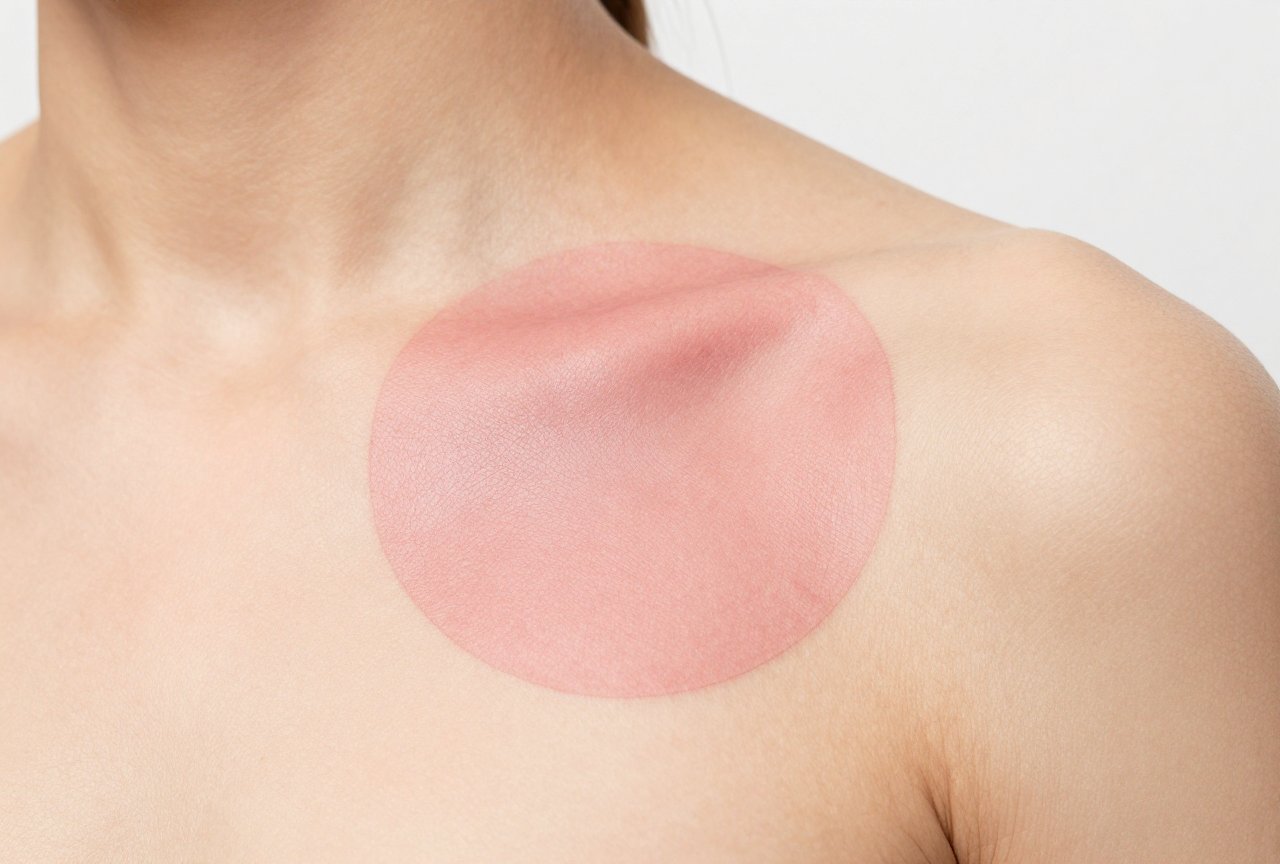
Yes, tattoo removal hurts, but most clients say it’s less intense than they feared, and it’s over fast. I’ve sat with people through removal sessions, tattooed cover-ups over faded old work, and had honest conversations in my chair about what to expect. The sensation is different from getting tattooed: sharper, more sudden, like a hot rubber band snapping against sunburned skin. But it’s brief, and the technology has improved dramatically from the old days of dermabrasion and excision. This guide breaks down the real experience, what affects pain levels, and how to handle it.
What Removal Actually Feels Like
Everyone describes it differently, but certain comparisons come up constantly in shops. The laser pulses in fractions of a second, each zap maybe a nanosecond, so there’s no sustained dragging sensation like a tattoo needle.
The Snap and Heat
Most clients call it a sharp snapping feeling, like a rubber band pulled tight and released against the skin. Immediately after each pulse, there’s a wave of heat. The laser is shattering ink particles with concentrated light energy, and that energy converts to heat. On bony areas, ankles, wrists, collarbones, the snap feels more intense because there’s less flesh to absorb it. Fleshier spots like the upper arm or thigh tend to be more manageable. I’ve had clients laugh during removal on their outer bicep and grit their teeth on their finger knuckles.
After the Session Ends
The real discomfort often ramps up after you leave. The treated area throbs, feels tight, and sometimes blisters within 24 hours. That blistering is normal, it’s the body’s inflammatory response kicking ink particles toward the surface. I’ve seen clients panic at the blisters, but a good removal tech will prep you for this. The skin feels like a bad sunburn for two to three days, then itches like hell while it peels. That itching phase is when people mess with it, which leads to scarring.
What Makes It Hurt More or Less
Not all removal experiences are equal. Several factors change how much you’ll feel, and honest techs will assess these before quoting sessions.
- Tattoo age and ink density: Older, faded tattoos break down faster and need less energy per pulse. Fresh, saturated blackwork or heavy color packing requires more aggressive settings.
- Colors in the design: Black ink absorbs all laser wavelengths and responds best. Greens, blues, and yellows need specific wavelengths that some shops don’t even have. Stubborn colors mean more sessions, more cumulative discomfort.
- Placement on the body: Ribs, spine, feet, and hands hurt more. The back of the upper arm, outer thigh, and calf are generally easier.
- Your personal pain tolerance: Some people handle it fine; others tap out early. There’s no shame in either.
- Skin type and tone: Darker skin requires more careful wavelength selection to avoid hypopigmentation. Some settings that work on lighter skin simply aren’t safe, which can mean slower, gentler sessions.
How Artists and Techs Manage Pain
Good shops don’t just strap you down and start blasting. There’s actual prep that makes a difference.
Topical Numbing and Cooling
Most reputable removal places offer topical numbing cream applied 30-45 minutes before. It takes the edge off but doesn’t eliminate sensation entirely, you’ll still feel the heat and pressure. Some high-end clinics use forced cold air or contact cooling devices that chill the skin milliseconds before and after each pulse. That temperature drop matters more than you’d think.
Session Length and Pacing
Unlike tattooing, where you might sit for three hours straight, removal sessions are short. A palm-sized tattoo might get treated in five to ten minutes. The brevity helps. Techs also pace pulses to let the skin cool slightly between passes. Rushing increases damage and pain with no benefit.
Healing Reality: What the Weeks Actually Look Like
I’ve watched clients ignore aftercare and ruin results. The removal process doesn’t end when you walk out the door.
Days one through three: redness, swelling, possible blistering. The area feels hot and tight. You keep it clean, apply recommended ointment, and absolutely do not pick. Days four to ten: blisters may break, skin starts peeling like a bad sunburn. Itching intensifies. This is where discipline matters, scratching or picking risks scarring that can be worse than the original tattoo. Weeks two to six: the skin looks raw, then pink, then slowly normalizes. The body is flushing ink through the lymphatic system during this whole period. Hydration matters. Exercise helps lymphatic flow. I tell clients to drink more water than they think necessary.
Complete healing between sessions typically takes six to eight weeks. Going sooner doesn’t speed anything up; it just traumatizes skin that’s still processing the last round.
Comparing Removal to Getting Tattooed
People always ask which hurts more. The honest answer: different hurts.
Tattooing is a sustained, grinding sensation. The needle groupings buzz and drag, and time stretches. A three-hour session accumulates into a dull, exhausting ache. Removal is sharp, sudden, and over quickly, but the aftermath can be more dramatic. Tattoo healing is mostly flaking and itching. Removal healing involves blistering, more intense swelling, and a longer period of looking genuinely damaged before improving. I’ve had clients say they’d rather get tattooed for four hours than do twenty minutes of removal. Others prefer the quick hit of laser and hate the marathon of tattoo sessions.
Cost, Sessions, and Managing Expectations
Full removal typically needs eight to twelve sessions, sometimes more for dense or colorful work. Each session runs roughly $200-$500 depending on size and location. That’s not small money, and it’s not fast. Partial fading for a cover-up tattoo takes fewer sessions, sometimes three to five, and costs less. I always ask clients considering removal whether they actually want the tattoo gone or just want something better in its place. Cover-up fading is a different goal with different energy settings and often less discomfort per session.
We see this a lot in shops: someone walks in wanting full removal of a large back piece, not realizing they’re signing up for two years, ten-plus sessions, and several thousand dollars. Sometimes the better path is finding an artist who can transform the existing work. Other times, removal is absolutely the right call. The key is informed choice.
Key Takeaways
- Tattoo removal hurts, but it’s brief and manageable with proper numbing and cooling.
- The aftermath, blistering, peeling, itching, requires disciplined aftercare to avoid scarring.
- Older, black-only tattoos on fleshier areas respond best and hurt less.
- Full removal is expensive and time-consuming; partial fading for cover-ups is often more practical.
- Choose a reputable tech who adjusts settings for your skin type and explains realistic outcomes.
Frequently Asked Questions
Can I use numbing cream before tattoo removal?
Most shops offer or allow topical numbing cream applied 30-45 minutes prior. It reduces but doesn’t eliminate sensation. Some clinics also use cooling devices that help significantly more than cream alone.
How long between removal sessions should I wait?
Six to eight weeks is standard. Your skin needs time to heal and flush ink through the lymphatic system. Scheduling sessions closer together doesn’t speed results and increases scarring risk.
Will removal leave a scar if I take care of it properly?
With proper aftercare and an experienced tech using appropriate settings, most people avoid significant scarring. Picking blisters, sun exposure during healing, or going to inexperienced providers are the main causes of lasting marks.
Is fading for a cover-up less painful than full removal?
Generally yes. Cover-up fading targets less ink density and uses lower energy settings over fewer sessions. The goal is breaking down enough ink for a new tattoo to sit cleanly, not eliminating every particle.
Related Tattoo Guides
- Where It Hurts Less to Get a Tattoo: A Real Shop Guide
- Where to Buy Tattoo Numbing Cream: A Real Shop Guide
- Where Does a Tattoo Hurt Most? A Real Pain Guide From the Chair
- Explore more