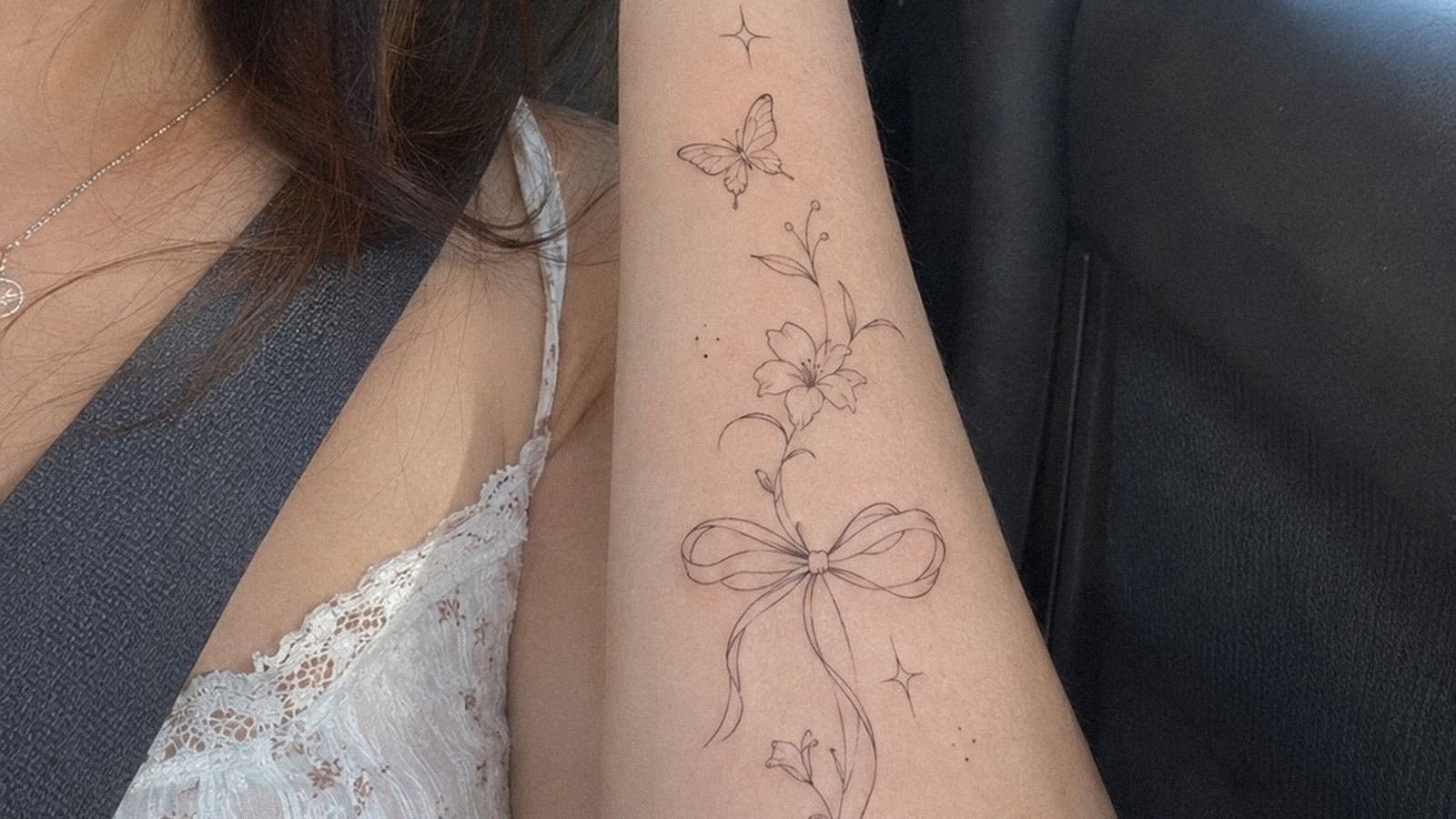

Matching cherry tattoos age best when the lines have breathing room, the placement avoids constant friction, and you protect them from UV. Mine still reads clearly after years, but the hair-thin details softened first. That’s the honest part. The symbol stayed meaningful, and the small changes made it feel more personal.
Editor’s note: I’ve worn this pair long enough to see the fresh, crisp stage become something softer, more expressive, and still striking. If you’re comparing ideas, start with matching bestie tattoo ideas for best friends and ask what would still feel meaningful after the novelty fades.
- Choosing Our Matching Cherry Tattoo Meaning
- Sketching A Small Cherry Tattoo Outline
- Refining The Cherry Tattoo Design Together
- Delicate Or Bold Linework: Which Ages Better?
- Selecting Matching Cherry Tattoo Placements
- Testing Wrist And Ankle Visibility
- Preparing For Our Tattoo Appointment
- Managing The Cherry Tattoo Pain
- Checking Crisp Ink And Fine Details
- Caring For Fresh Matching Cherry Tattoos
- Celebrating Our Shared Cherry Tattoo Symbolism
1Choosing Our Matching Cherry Tattoo Meaning

We started with the meaning before opening the sketchbook. Cherries suggested sweetness, ripeness, shared history, and a little mischief, but none of those words felt complete alone. I wanted something personal rather than a symbol we’d chosen because it was trending.
The final idea became simple: two separate cherries, one shared chapter, and enough difference to show that we weren’t trying to become the same person.
I wrote cherry symbolism beside the phrase “same fruit, different branch.” That became our design filter. If an idea felt ornate just for attention, we dropped it.
If it looked too minimal to carry emotion, we adjusted the stem or leaf. You’ll want your meaning to guide the design, because a powerful symbol can still feel empty when the story comes afterward.
The first sketch used a tiny heart, and I hated it. It made the tattoo feel generic instead of meaningful.
We chose a curved cherry stem and one small leaf instead, which gave the image a graceful, flowing direction. I’d skip extra text here. Words make a small matching tattoo harder to balance, and the cherries already carried the emotional weight.
For another perspective on symbolic pairings, I used these cherry blossom tattoo ideas as a reference, but I didn’t copy their petals or branches. Your version should have one detail that belongs only to you. That’s where the tattoo stops being a picture and becomes a timeless keepsake.
2Sketching A Small Cherry Tattoo Outline

We began with a small cherry tattoo outline that could remain delicate without disappearing. The first version was almost too plain, so we tested a slightly longer stem and a narrower leaf. That tiny change made the design more expressive without making it ornate.
I’d keep the first sketch clean. You can always add a detail later, but removing a crowded line after it’s placed on skin isn’t simple. A minimal outline can still feel iconic when the curve, scale, and spacing are intentional.
3Refining The Cherry Tattoo Design Together

The collarbone placement forced us to refine the design carefully. A collarbone placement moves differently from a forearm, so the cherry needed a controlled curve instead of a stiff vertical stack.
We kept the fruit round but gave the stems slight asymmetry. That made the pair expressive rather than mechanically mirrored.
Our artist showed us two versions using carbon transfer paper. One had perfectly matched leaves.
The other had one leaf angled higher, as if the cherries had grown separately. We chose the second. Perfect symmetry looked sleek on paper, but the small difference felt more personal once it sat against skin.
The design still had to read as a pair. I didn’t want one tattoo to look finished while the other looked like a rough copy.
We kept the same fruit size and stem direction, then allowed each person one tiny change. Mine had a longer curve.
The other had a tighter leaf. You can preserve the connection without flattening both personalities.
I’d avoid adding shading just because there’s open space. Single-needle linework gave us the understated result we wanted, and the lighter construction kept the cherries from looking heavy. If you’re comparing body movement, women’s back tattoo ideas can help you think about composition without borrowing a completely different design.
A second look at back tattoo composition also helped us notice how a small motif could follow the body instead of fighting it. That reference felt graceful, but our final drawing stayed much simpler.

4Delicate Or Bold Linework: Which Ages Better?

Fine-line tattoos don’t look identical on every skin tone or body area.
Is Color Worth The Extra Variable?
Color can make a cherry tattoo feel playful, romantic, or vintage, but it also changes the care conversation. A black outline gave us a sharper, classic result. If you love red, ask whether a small accent will add meaning or simply increase the price.
The red tattoo pigment option was tempting because it looked vibrant in sketches. Still, our priority was long-term clarity. The final choice felt crisp, symbolic, and easier to protect.
That was the better value for us, even though a colorful version could have looked more daring at first.
If you’re unsure, compare fresh and healed work from the same artist. Cherry blossom tattoo designs can show how color and open skin change the emotional balance of a small botanical idea. I’d rather pay for thoughtful restraint than chase every available option.
A muted red accent can also feel romantic without covering the entire fruit. Just remember that the healed result may be quieter than the fresh version, especially if the tattoo sits in direct sun.
5Selecting Matching Cherry Tattoo Placements

We tested forearm, collarbone, ankle, and wrist placements with tracing paper. The placement changed the design more than I expected. A cherry can look sleek and visible on the forearm, dainty at the ankle, or more symbolic near the collarbone.
Forearms offered clear visibility and a forgiving surface. Wrists felt personal but brought more movement and friction.
Ankles looked delicate and discreet, while collarbones gave the cherries a graceful horizontal line. I chose the forearm because I wanted to see mine without turning my body into a puzzle.
The placement stencil helped us compare proportions. I’d skip putting an intricate leaf on an ankle if the lines are extremely close together. You’ll want your artist to consider walking, sock friction, and sun exposure, not only the first-day result.
We kept our placements related but not identical. Matching tattoos don’t need to sit on the same body part to feel connected.
That decision made the result more personal and less staged. If you’re considering a wrist, browse wrist tattoo ideas for men for proportions, then ask your artist to redraw the cherry for your own anatomy.
You can also compare wrist placement references if you want a design that travels slightly around the arm. I liked that option, but the forearm gave my pair more open skin and easier sun protection.
Where Does A Fine Line Hold Best?
The best placement depends on your daily habits. A forearm placement is easy to see and simple to protect, while an ankle may experience more rubbing from socks and shoes. A wrist can look iconic, but frequent washing and movement deserve consideration.
I’d also think about whether you want the pair visible every day. Visibility can make a meaningful symbol feel empowering, but discretion may matter more for work or family settings.
There’s no universally correct answer. The right choice is the one that fits your life.
When we compared the cost of future touch-ups, the forearm offered the strongest practical value. That didn’t make the other placements wrong.
It simply made our decision clearer. If you want a less obvious location, best friend tattoo ideas can spark symbolic alternatives without locking you into one body area.
6Testing Wrist And Ankle Visibility

The ankle and wrist versions looked dainty, but the smaller surface changed how much detail we could keep.
7Preparing For Our Tattoo Appointment
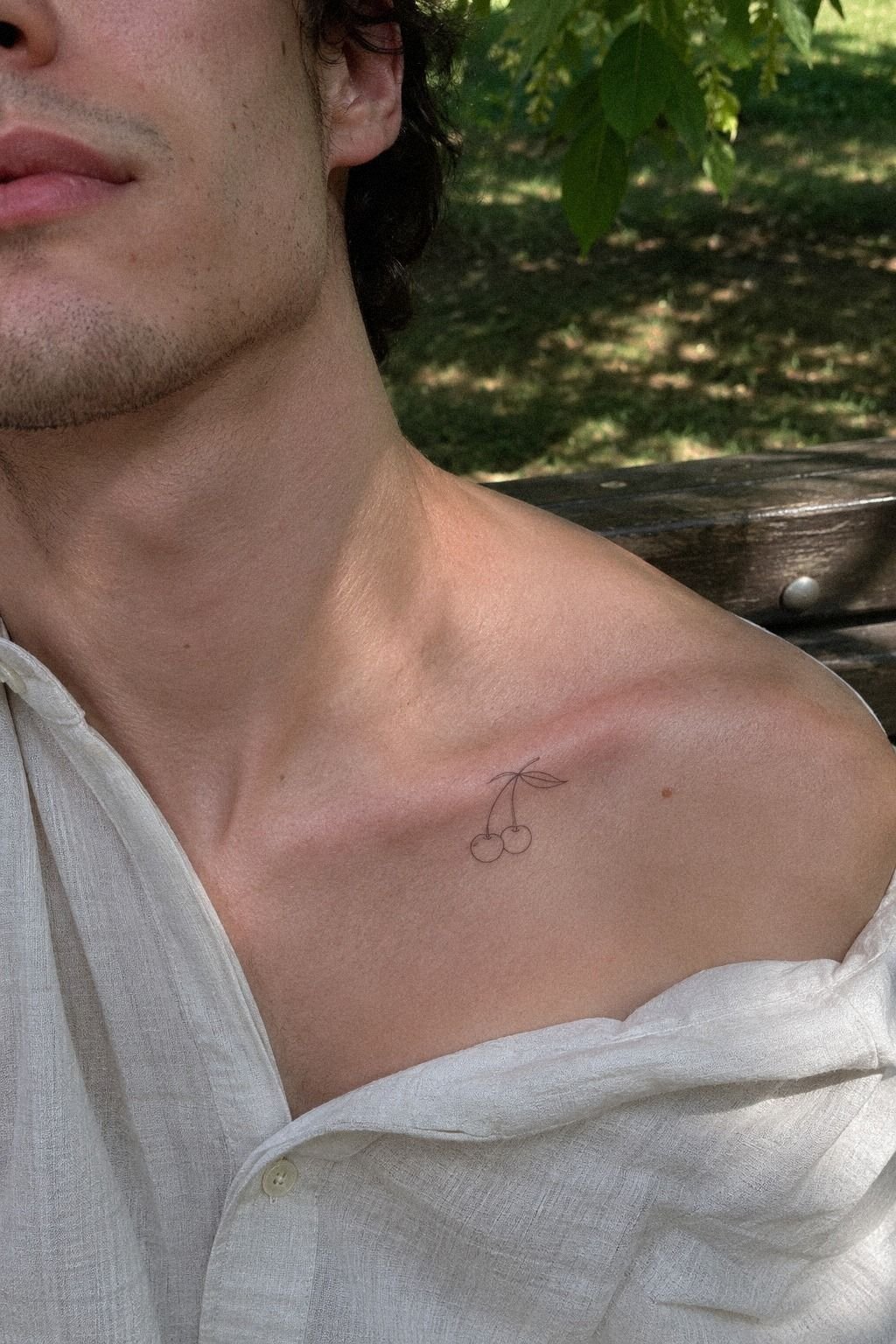
The collarbone appointment felt more serious than the sketching session because the design was about to become permanent. We brought the printed reference, the agreed size, and a short list of changes.
That kept us from making frantic decisions under bright studio lights. Your appointment should feel deliberate, not like a dare.
I wore loose clothing that gave the artist easy access without rubbing the area afterward. The studio used sterile stencil supplies, fresh gloves, and sealed equipment. Hygiene wasn’t a side detail.
It was the part I paid attention to before admiring the linework.
I’d also recommend eating beforehand and bringing water. We didn’t need a dramatic preparation ritual, but we did need steady energy.
A matching tattoo session can feel playful and emotional, and that combination makes people rush. Don’t let excitement push you into a size or placement you haven’t tested.
Bring the original reference instead of relying on a phone screen. Screens can make a line look heavier or lighter than it will on skin. Our artist adjusted the leaf by a few millimeters, and that small change made the final shape sharper.
For symbolic alternatives, witchy tattoo ideas show why references should inspire a custom drawing rather than replace one.
I also saved a few symbolic tattoo references before the appointment, but I treated them as prompts, not templates. The final custom cherry drawing still belonged to us.
What Should Matching Cherry Tattoos Share?
The shared stem direction became our anchor. The fruits were the same general size, but the leaves and curves weren’t identical. That balance made the tattoos feel connected without making either one look copied.
You could match the fruit, placement, color, or symbolism. You don’t have to match every detail. In fact, a small difference can make the pair more meaningful because it shows two people choosing connection without giving up individuality.
That was worth it! The tattoos looked related immediately, but each still carried the person wearing it. The result felt symbolic without becoming predictable, and the difference between them made the pair more expressive.
For another contrast between identical and individual designs, I’d save matching tattoo ideas for best friends before choosing the final variation.
8Managing The Cherry Tattoo Pain

My pain experience was manageable, but I won’t pretend every placement feels the same. The forearm was tolerable.
The collarbone felt sharper. The upper back was more irritating than painful, especially when the artist returned to one small curve.
The medical barrier film gave us a clear boundary for the stencil and helped keep the process controlled. Fine-line work can be quicker than a large shaded piece, but the sensation still changes when the needle passes over bone or thinner skin. You’ll do better if you expect variation instead of promising yourself it won’t hurt.
I used slow breathing and kept my shoulders loose. That sounds basic, but tension makes the session feel longer. We chose a design that could be completed without an extended appointment, which was one reason I rejected heavy shading.
A dense version might have felt more intense and would have changed the whole mood.
Pain is personal, so I wouldn’t rank one placement as universally easy. Ribs, feet, hands, and sternum often feel more intense, while forearms, thighs, and shoulders are commonly more tolerable.
The clean transfer outline mattered because we could work efficiently. I’m glad we didn’t add details that would have stretched the session for no emotional gain!
9Checking Crisp Ink And Fine Details

Fresh skin can look slightly swollen, so I didn’t judge every millimeter immediately. I waited until the redness settled before deciding whether a mark needed attention. The first things I checked were the stem, the cherry shape, and the open skin between details.
Our artist used black tattoo ink with a controlled hand and paused often to wipe the area. The final line was crisp without looking harsh. I checked the leaf angle, the connection between stem and fruit, and the spacing around the design.
A small amount of softening over time is normal. Fine lines may spread, and skin texture can change the edge.
That doesn’t erase the meaning. It simply means you should study the healed result, not only the fresh one.
Your tattoo’s real test begins after the excitement fades.
I once stared at a tiny uneven spot and convinced myself the whole design was ruined. It wasn’t. The healed tattoo looked balanced, and the supposed flaw disappeared into the natural texture of skin.
You’ll notice that freshness makes every detail look louder than it really is. Wait before requesting a correction.
When Is A Touch-Up Worth It?
A touch-up can be worthwhile when a line has genuinely disappeared or a small section healed unevenly. It isn’t automatically necessary just because the tattoo looks softer. Healed linework gives you better information than a fresh outline.
I’d wait until the skin has fully settled before asking for changes. A rushed correction can make a delicate piece look heavier than intended. The best value often comes from patience, not from booking the earliest available appointment.
If you’re unsure whether the cost is justified, ask the artist to explain what would change and what would stay the same. A meaningful tattoo deserves a measured decision. Start there!
I’d also compare the healed result with fine-line tattoo references before assuming a softer edge needs correction. Sometimes the change is natural, not a mistake.
10Caring For Fresh Matching Cherry Tattoos

We washed the area gently, patted it dry, and followed the artist’s instructions for a thin layer of fragrance-free balm. I didn’t soak the tattoo, scratch it, or cover it with tight clothing. You’ll want to avoid pools, prolonged sun, and unnecessary friction while the surface settles.
Surface healing commonly takes about two to three weeks, while complete healing can take around two to three months. Those timelines aren’t identical for everyone.
Your skin, placement, line density, and aftercare all matter. The tattoo may look finished before the deeper layers have fully settled.
Sunscreen became part of my routine after healing. UV exposure can soften black lines and fade color faster, especially on visible placements.
I’d rather spend a few seconds protecting a meaningful tattoo than wonder why it looks tired later. The healed black outline still feels crisp because I treated sunlight as a real aging factor.
I also avoided judging the final result during peeling. The surface can look dry, muted, or uneven before it settles.
That stage is temporary. Follow the artist’s care instructions, and don’t add aggressive products because a stranger online promises faster healing.
How Much Does Sun Protection Change The Result?
UV protection has been one of the most practical choices I’ve made. A broad-spectrum sunscreen won’t freeze a tattoo in time, but it can reduce unnecessary fading on exposed skin.
I’ve noticed that the protected areas kept their sharper contrast longer. That doesn’t mean every line remains identical. Skin changes naturally, and tattoos change with it.
Still, sunscreen is a small habit with strong long-term value.
If you’re budgeting for the tattoo, include aftercare in the price conversation. A good balm and sunscreen cost far less than an avoidable repair. Protect it!
Visible placements deserve extra attention, especially during long days outside. I’d rather preserve the UV protection routine than depend on a later correction to restore contrast.
11Celebrating Our Shared Cherry Tattoo Symbolism
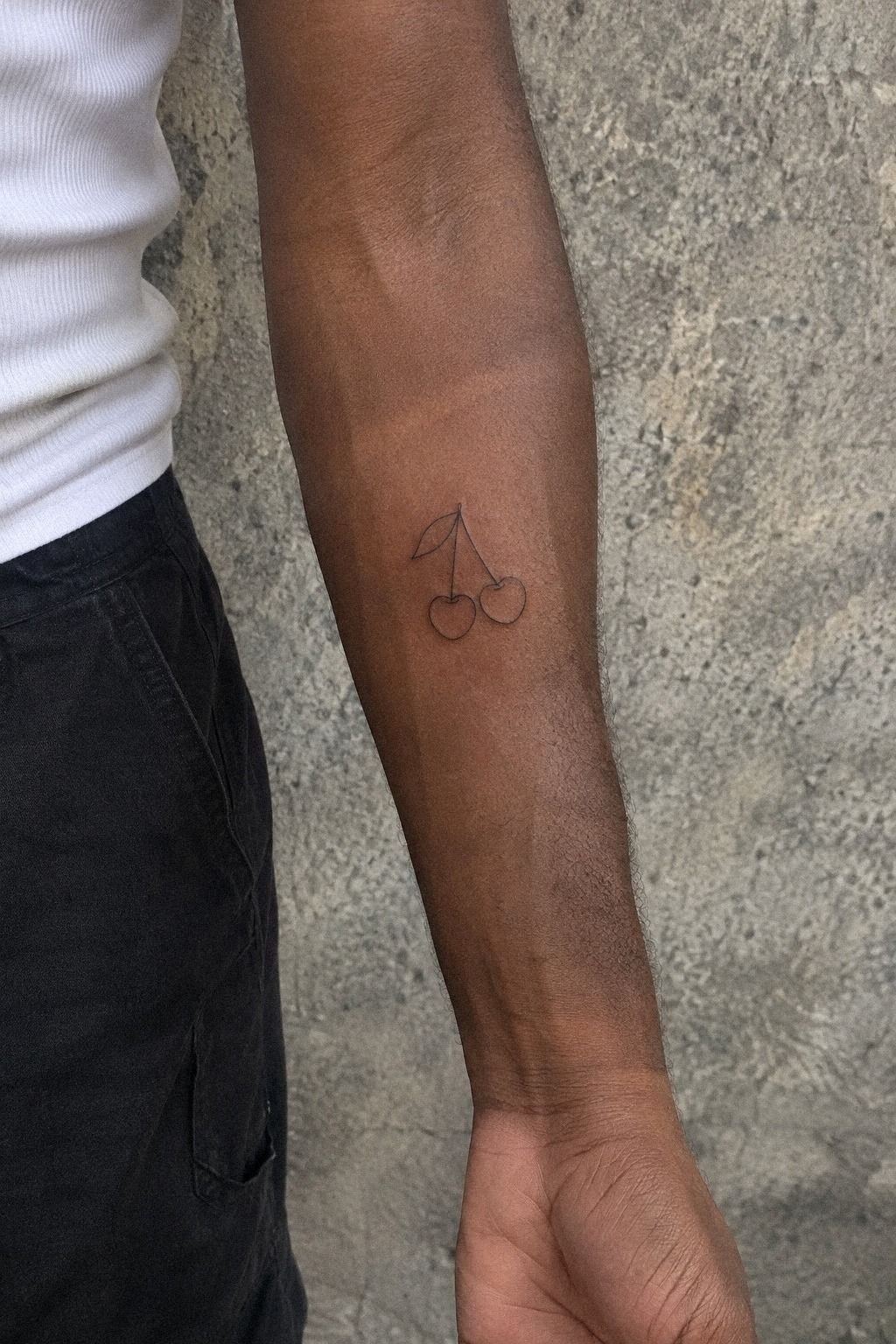
We didn’t choose the design because matching tattoos were expected. We chose it because the symbol could hold sweetness, change, and a little stubbornness at the same time. The personal cherry symbol became a quiet reminder of a particular season in our lives.
After years, the tattoos aren’t perfectly identical in appearance. Skin responds differently.
One line softened sooner, and one leaf seems darker depending on the light. That difference makes the pair more expressive, not less connected. A timeless matching tattoo doesn’t need to freeze both people in the same visual moment.
It’s not loud, but it’s striking when someone notices. You’ll probably explain the meaning less often than you expect, yet the private recognition still matters. That’s the empowering part of choosing a symbol that doesn’t need a paragraph beside it.
I’d keep the celebration simple. A photo, a meal, and a little time to see the tattoos settle were enough.
We didn’t need matching jewelry or a staged announcement. The tattoos already carried the story.
If you’re planning a pair, save matching tattoo ideas for best friends and let the final design grow from your own connection.
A pair can also feel more personal when each person chooses one distinctive leaf detail. That small difference becomes a quiet signature.
How Much It Cost
Our artist quoted the work by studio minimum and time rather than by the emotional importance of the design. Typical US shop minimums often fall around $50 to $100, while hourly rates commonly range from $100 to $250. The final amount varies by region, artist experience, placement, and whether both tattoos are completed in one appointment.
I’d ask for a clear written studio estimate before booking, especially if one cherry needs more detail than the other. A cheap quote isn’t useful if the linework portfolio is inconsistent. The estimate gave us room to decide without pressure, and we knew what might change if the size increased.
The fine-line consultation was worth more than chasing the lowest number. You’re paying for drawing judgment, hygiene, placement advice, and a healed result. I’d rather wait and choose the artist whose healed work looks crisp than save money on a tattoo I’ll spend years protecting.
If you’re comparing the price with the value, ask what the quote includes. Some artists charge separately for design time, deposits, or touch-ups.
A clear answer makes the budget easier to trust. You can also compare artist portfolio ideas to see whether the style matches your expectations.
What I Learned From Wearing Them
I used to think the age of a tattoo depended mostly on the artist’s hand. It matters, but it isn’t the whole story.
Placement, line spacing, UV exposure, and the amount of detail all shape what you’ll see later. My cherries stayed recognizable because we left open skin around the stems and didn’t force decoration into a small area.
The most important lesson was choosing restraint. I love ornate work, but this particular symbol needed a delicate structure.
A bold outline would have made it louder, while a thinner outline with crowded details would have made it fragile. The finished version feels polished because every mark has a job.
I also learned that matching doesn’t mean identical. One tattoo healed a little softer, and the other kept a sharper leaf. At first I worried that the difference would bother me.
It didn’t. It made the symbolism more honest.
We’re connected, but we’re not copies.
That’s why I’d encourage you to save references, test the stencil, and ask to see healed work. A fresh tattoo can look vibrant and dramatic under studio light. A healed tattoo tells you much more.
The long-term linework is what you’ll live with, and that’s the version worth choosing.
The best investment wasn’t the biggest design. It was the artist’s judgment, enough spacing, and a symbol we still recognize years later. For more ideas about lasting symbolism, cherry tattoo inspiration can help you compare motifs before your consultation.
The Questions I Get Asked Most
How much do matching cherry tattoos usually cost?
A small matching cherry tattoo often falls around $100 to $300, depending on size, placement, artist, and region. Some studios charge a $50 to $100 minimum, while hourly rates may run $100 to $250. Ask for a written estimate before booking so your budget isn’t a surprise.
Are matching cherry tattoos a good idea for a first tattoo?
Yes, matching cherry tattoos can be a strong first choice because the design can stay small, readable, and personal. A forearm, shoulder, or thigh placement is often more tolerable than ribs or feet. Clear linework and simple symbolism also make the decision easier to live with.
How do I choose a tattoo artist for matching cherry tattoos?
Choose an artist with a clean linework portfolio, healed examples, and strong studio hygiene. Look for consistent stems, smooth curves, and spacing that still reads after healing. Healed examples matter most, because fresh ink can make almost any outline look sharper than it will later.
How much do matching cherry tattoos hurt?
Pain varies by person and placement. Ribs, feet, hands, and sternum often feel more intense, while forearms, thighs, and shoulders are commonly more tolerable. Collarbone and ankle work can feel sharper because of thinner skin and nearby bone, but a small cherry design usually keeps the session manageable.
How long do matching cherry tattoos take to heal?
The surface often heals in about two to three weeks, while complete healing can take around two to three months. Wash gently, moisturize as directed, avoid soaking, and protect healed skin from UV. Sun protection helps preserve crisp lines over the years.
What’s the best placement for matching cherry tattoos?
Forearms are a practical choice when you want visibility and relatively tolerable sessions. Shoulders and thighs offer more space and can protect delicate lines from daily friction. Wrists and ankles look dainty, but movement, socks, and sunlight may affect how the matching pair ages.
Where I’d Start First
If I had to pick one, I’d start with the forearm placement. It gives fine lines room to breathe, stays visible, and is easier to protect from friction than an ankle. Save the final stencil, check healed work, and let the meaning lead the design.
I’d also compare the artist’s healed portfolio, total cost, and approach to spacing before booking. That combination tells you more than a dramatic fresh result.
A thoughtful, expressive cherry pair can age beautifully when the design fits both your skin and your story. Start with the choice you’ll still value years from now!