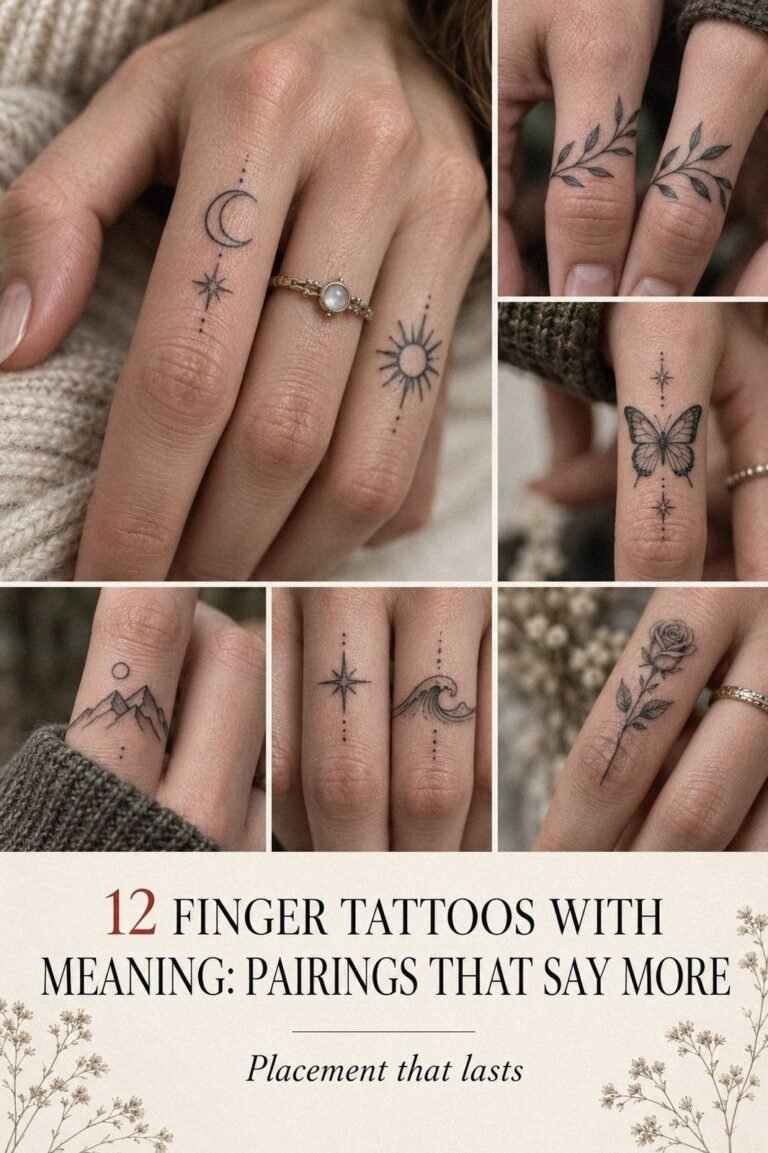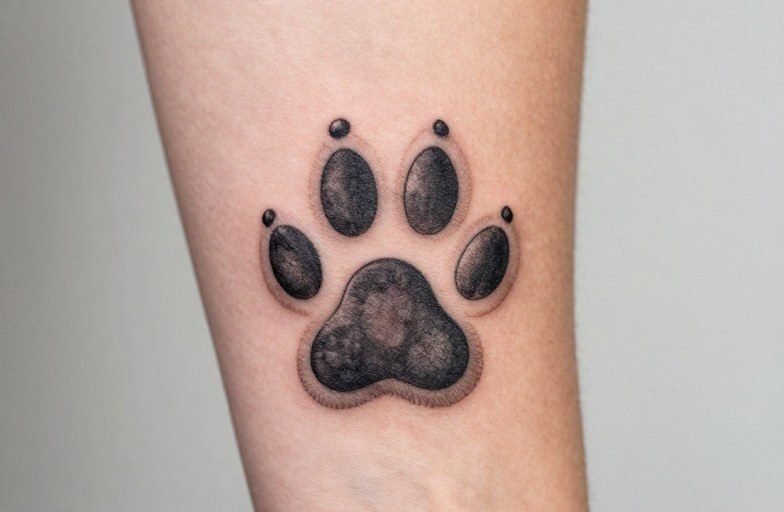
A puppy paw tattoo most commonly represents the bond between a person and their dog, loyalty, unconditional love, and companionship without judgment. Many people choose this design to memorialize a pet who has passed, while others get it to celebrate a current companion or simply to identify as a dog person. The paw print distills something emotionally complex into a small, immediately recognizable image.
Symbolism & Core Meaning
The Loyalty Connection
Dogs don’t keep score. That quality of steady, unearned devotion gets compressed into a paw print tattoo more than almost any other pet symbol. The pad shapes and toe beans carry a softness that reads as affectionate rather than predatory, this isn’t a wolf track or a bear claw. The domesticated puppy paw specifically signals trust and emotional safety. People who’ve struggled with human relationships sometimes gravitate toward this symbol because it represents a kind of love they found easier to accept.
Memorial vs. Celebration
Context changes the weight significantly. A paw print with a name and dates functions as a memorial object, a way to carry grief forward without it being invisible. The same paw print without text, maybe with a heart or in bright color, reads as celebration, someone who just really loves their living dog or dogs in general. Both are valid, but the emotional preparation and placement often differ. Memorial pieces tend toward ribs, over the heart, or inner bicep where the wearer can see them privately. Celebratory versions show up on wrists, ankles, and forearms more openly.
- Single paw: one specific dog, living or deceased
- Multiple paws in a trail: a life journey with dogs, or multiple pets
- Paw with human handprint: interspecies bond, often parent-child with family dog
- Paw incorporating infinity symbol: enduring connection beyond death
Religious & Spiritual Angles
Christian Interpretations
The paw print sometimes gets incorporated into crosses or paired with Bible verses about faithfulness, Psalm 23 references to “walking through the valley,” or Proverbs about the faithful friend. Some Christians see the dog’s unquestioning devotion as a model for human faith. The paw itself isn’t inherently religious, but it layers cleanly into existing devotional tattoo traditions. You’ll occasionally see it with a halo or angel wings for a deceased pet, though this blends memorial sentiment with spiritual imagery rather than making a theological claim.
Secular Spirituality
For non-religious wearers, the paw print can represent presence and mindfulness, dogs live in the moment, and that quality gets projected onto the symbol. Some people frame it as a reminder to be more like their dog: less anxious, more openly affectionate, more attuned to small pleasures. This isn’t formal spirituality, but it functions that way in people’s lives. The tattoo becomes a private prompt, not a declaration to others.
Best Placements
Small and Delicate
Wrist inner surface, behind the ear, collarbone edge, and ankle bone are the classic small-paw locations. These suit single-outline designs, maybe 1-2 inches across. The wrist placement in particular turns the paw into something you see while typing, driving, reaching, constant low-frequency contact with the memory or meaning. Behind the ear hides easily but reveals with a hair tuck, which some people prefer for professional environments.
Larger and More Detailed
Thigh, shoulder blade, and rib cage accommodate paw prints with texture, color gradients, or surrounding elements like flowers, names, or landscape backgrounds. A realistic pad texture with light shading ages better than you’d expect, solid black tends to blur and spread, but soft gray-wash shading holds definition for years if done well. The rib cage hurts more and requires a skilled artist to keep the pad shapes symmetrical with breathing movement, but it’s deeply private and emotionally weighted for memorial pieces.
- Finger: high visibility, fast fading due to constant use and sun exposure
- Foot top: thematically cute, but among the most painful and poorly-healing placements
- Upper arm/shoulder: easy to show or cover, good for medium detail
Common Variations & Styles
Line Work vs. Realistic
Simple black outline paws are the most common and the most likely to need touch-ups over time. Thin lines spread; the webbing between pads can blur into a blob. A slightly heavier line weight, think 3-5rl needle work rather than single needle, gives you longevity without losing the delicate quality. Realistic paws with pad texture and fur suggestion require an artist comfortable with pet portraiture. These read as more serious, more memorial, and they demand more skin real estate to work.
Color and Embellishment
Watercolor splashes behind paw prints peaked in popularity around 2015-2018 and still show up regularly. The color doesn’t represent anything specific, it’s emotional atmosphere, like a mood. Some people use their dog’s actual ink pad print, brought to the shop, which the artist can replicate exactly. This is technically straightforward but emotionally significant. Heart shapes formed from negative space within the paw, or the paw making up part of a larger heart, are common variations that don’t stray far from the core meaning.
- Tribal or geometric stylization: less common, reads more decorative than meaningful
- Paw with crown: “king/queen of the house” humor, or genuine elevation of the pet’s status
- Paw with clock or dates: explicitly memorial, time-specific
History & Cultural Roots
The dog as companion rather than worker is a relatively modern Western development, though dogs have lived alongside humans for millennia. The paw print as a tattoo motif emerged from broader pet memorial culture in the late 20th century, as dogs shifted from farm animals to family members in American households. The actual ink pad print tradition, pressing a dog’s paw in ink or clay, predates tattooing by centuries, often linked to Victorian mourning customs where deceased pets were commemorated with plaster casts or prints.
The tattoo specifically gained traction in the 1990s and 2000s alongside the rise of pet-centric consumer culture: specialty foods, dog daycare, the language of “fur babies.” The paw print became a kind of shorthand for this identity, transferable to skin. Some trace it to military and police K9 units, where handler-dog bonds are intense and paw prints commemorate partnered dogs killed in service. This usage is narrower but emotionally potent, and it influenced the broader popularity of the symbol.
Who Chooses This Tattoo
Demographics and Motivation
Women get this design more frequently than men, though the gap has narrowed. Age range is wide, teenagers getting first tattoos for childhood dogs, middle-aged people memorializing pets who saw them through divorce or illness, elderly clients getting what might be their final tattoo for a companion who outlived a spouse. The motivation is almost always emotional rather than aesthetic. People don’t typically browse for a cool design and land on a paw print; they have the feeling first and find the image to carry it.
Professional and Social Considerations
The paw print is among the most socially acceptable tattoos in conservative workplaces. It reads as benign, even endearing, rather than threatening or rebellious. This matters for people in teaching, healthcare, corporate environments where visible tattoos still carry friction. The tradeoff is that some tattoo enthusiasts dismiss it as basic or unoriginal. That judgment says more about tattoo culture’s internal hierarchies than about the individual’s meaning, but it’s worth knowing if you’re entering shops where you might feel looked down on.
What to Remember
A paw print seems simple, but execution matters. The pad shapes need correct proportion, too small and they look like beans or grapes; too large and they lose the puppy quality. Negative space between pads should be clean, not filled in by bleeding or poor needle control. If you’re bringing your dog’s actual print, make sure it’s dark and clear; faded prints force the artist to interpret, which introduces distance from the original.
Healing follows standard tattoo aftercare, but placement affects this. Wrist and ankle tattoos get bumped, rubbed by sleeves and socks, exposed to sun. Paw prints on feet face particular challenges with shoes and sweat. Budget for a touch-up in 6-12 months, especially for fine-line work. The meaning doesn’t change, but the image will if you don’t maintain it.
Finally, resist the urge to add too much. A paw print with a name and a small heart says what it needs to. Every additional element, angel wings, rainbow bridge text, excessive decorative flourishes, dilutes the directness that makes this symbol work. The emotional weight is already there. The tattoo’s job is to carry it quietly.
Frequently Asked Questions
Does a puppy paw tattoo always mean my dog died?
No. Many people get paw tattoos for living dogs or simply to express their love for dogs in general. Context like dates, names, or angel wings usually signals memorial intent, while a standalone paw often celebrates an ongoing bond.
How big should a paw print tattoo be to stay clear over time?
Aim for at least 1.5 to 2 inches in width for a single paw. Smaller than that, and the pads blur together within a few years. Slightly bolder line work helps longevity without sacrificing the soft, recognizable shape.
Can my tattoo artist use my actual dog’s paw print?
Yes, if you bring a clear, dark ink print on paper. The artist can trace and stencil it directly. Faint or smudged prints require more interpretation, so press your dog’s paw firmly with washable ink on smooth paper for best results.
What’s the most painful placement for a paw print tattoo?
The foot top and ankle bone are typically most painful due to thin skin over bone and dense nerve endings. Ribs and inner bicep hurt less physically but involve more emotional vulnerability for memorial pieces.
Related Tattoo Meanings
- Labrador Symbolism Tattoo Meaning: Loyalty, Love Devotion
- Purple Lotus Flower Tattoo Meaning: Spirituality Ink
- Railroad Spike Tattoo Meaning: Symbolism Design Guide
- Explore more