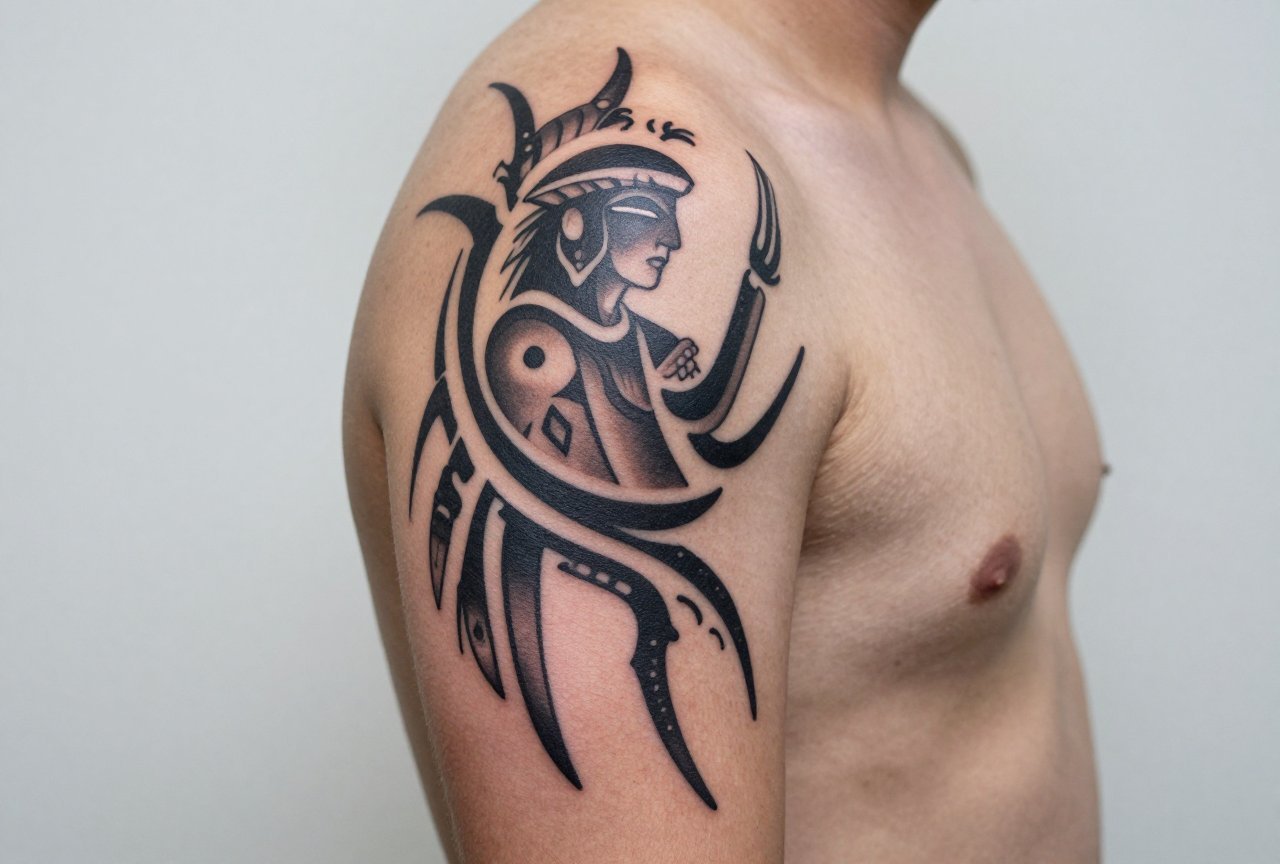
Tribal Rites Fort Collins: A Tattoo Style Guide
Walking into Tribal Rites on College Avenue, you encounter one of Fort Collins’ longest-standing tattoo establishments. Since the mid-1990s, this shop has anchored Northern Colorado’s body art community through multiple industry evolutions. Their approach blends technical precision with genuine respect for tattooing’s global traditions, a combination that keeps collectors returning across decades.
Understanding the Shop’s Core Identity
From Street Shop to Cultural Anchor
Tribal Rites emerged during a pivotal era in American tattooing. The 1990s saw black-and-gray realism surge from Southern California, tribal patterns dominate mainstream visibility, and tattooing begin shedding its countercultural fringe status. Fort Collins, with its university population and outdoor recreation culture, proved fertile ground for a shop willing to bridge traditional craftsmanship with emerging stylistic openness.
The name itself signals intent. “Tribal” references more than the geometric arm bands that defined that era. It acknowledges tattooing’s indigenous roots across Polynesia, Southeast Asia, Japan, and the Americas. Rites suggests ceremony, permanence, transformation. This framing positioned the shop as something beyond transactional service from its earliest days.
What Distinguishes Their Current Practice
Today’s Tribal Rites operates as a multi-artist collective rather than a single-style house. Several factors differentiate their ongoing work:
- Artist autonomy: Each tattooer maintains distinct specializations rather than generic versatility
- Technical range: Coverage spans fine-line illustration, bold traditional Americana, biomechanical elements, and contemporary blackwork
- Consultation depth: Extended design discussions precede complex pieces, particularly for back pieces, sleeves, and cover-up work
- Healing protocol education: Explicit aftercare instruction tailored to placement and skin type
This structure rewards research. You benefit from matching specific artists to specific projects rather than accepting whoever has immediate availability.
Navigating Artist Specialization
Reading Portfolios with Discernment
Any reputable shop publishes current artist portfolios. At Tribal Rites, these collections reveal critical information beyond aesthetic preference. Examine line consistency in healed photographs, not just fresh work. Check whether color saturation holds in pieces aged two-plus years. Note whether black-and-gray shading demonstrates smooth gradation or muddied transitions.
Style categories worth identifying include:
- Traditional Americana: Bold outlines, limited color palettes, iconic imagery (eagles, roses, sailing motifs)
- Japanese-inspired: Large-scale compositions, flowing backgrounds, specific iconography (koi, dragons, cherry blossoms)
- Blackwork/ornamental: Heavy saturation, geometric or organic patterns, often drawing from sacred geometry or dotwork traditions
- Illustrative/realism: Fine detail, portrait accuracy, painterly color blending
- Biomechanical: Organic-mechanical fusion, often associated with H.R. Giger’s visual legacy
Cross-referencing an artist’s strongest work against your intended design prevents mismatched expectations.
The Consultation as Collaboration
Effective consultations at Tribal Rites typically involve several components. You should expect discussion of placement logistics, how the design flows with body contours, size constraints for detail preservation, and scheduling for multi-session work. Bring reference materials, but remain open to the artist’s translation. Direct replication of photographs or other tattoos raises ethical concerns and typically produces inferior results.
Cover-up work deserves particular attention. Successful coverage requires strategic use of dark saturation, redesigned composition that incorporates existing ink, and realistic assessment of what previous tattoo damage limits. Not all artists accept cover-up projects; those who do usually command premium rates reflecting the technical complexity.
Technical Standards and Safety Protocol
What Visible Hygiene Looks Like
Colorado regulates tattoo studios through the Department of Public Health and Environment. Tribal Rites, operating continuously since licensing requirements formalized, maintains compliance that newer shops sometimes struggle to match. Observable standards include:
- Single-use needle cartridges opened in your presence
- Barrier protection on all equipment surfaces
- Autoclave sterilization of reusable tools
- Fresh pigment poured from sealed containers, not communal ink caps
- Artist handwashing and glove changes between procedural stages
These practices protect against bloodborne pathogen transmission, including hepatitis strains and HIV. No reputable shop resents client inquiry about sterilization procedures.
Aftercare as Technical Continuation
Tattoo quality extends significantly beyond the studio session. Improper healing damages line integrity, causes patchy color loss, and can produce scarring that distorts the design. Tribal Rites provides written aftercare instructions, but core principles remain consistent across most professional recommendations:
Keep the fresh tattoo clean and appropriately moisturized. Avoid submersion in pools, hot tubs, or natural bodies of water during initial healing. Protect from sun exposure, which degrades pigment and damages healing skin. Resist picking or scratching during the peeling phase, however tempting.
Healing timelines vary by placement, individual immune response, and aftercare adherence. Most pieces require two to four weeks for surface healing, with deeper skin remodeling continuing for months.
Fort Collins Tattoo Culture Context
Regional Aesthetic Influences
Northern Colorado’s tattoo scene reflects its population. Colorado State University brings academic and artistic influences, while the outdoor recreation economy infuses nature imagery, mountain geometry, and wildlife portraiture. Tribal Rites has absorbed these regional preferences without becoming purely derivative.
The shop’s longevity creates institutional memory absent from newer establishments. Artists who trained there, or trained under artists who did, carry forward technical approaches that predate digital design tools. This continuity matters for collectors seeking traditional craftsmanship alongside contemporary possibilities.
Community Integration
Established shops often function as unofficial community centers. Tribal Rites participates in Fort Collins’ First Friday art walks, supports local music events, and maintains relationships with other creative businesses along College Avenue. This integration reflects tattooing’s broader cultural legitimation, the journey from marginal practice to recognized art form that accelerated dramatically after 2000.
For you as a collector, this community presence offers access to events where you can observe artists outside the studio context, view healed work on actual people rather than photographs, and develop relationships that inform future projects.
Planning Your Visit
Practical Considerations
Tribal Rites operates by appointment for most work, though limited walk-in availability sometimes exists for smaller pieces. Contact methods include phone and social media direct messaging, with response times varying by artist workload. Deposit requirements secure design time and typically apply toward the final session cost.
Pricing structures generally follow either hourly rates or flat project fees. Large-scale work, sleeves and back pieces, usually bills hourly given unpredictable session counts. Smaller, clearly defined designs may receive flat quotes. Tipping remains customary, typically fifteen to twenty percent for satisfactory work.
Preparing for the Experience
Physical preparation affects tattoo outcomes. Adequate sleep, hydration, and nutrition before sessions improve pain tolerance and healing response. Avoid alcohol consumption beforehand, it thins blood and increases bleeding complications. Wear clothing that provides comfortable access to the tattoo location without requiring complete undress.
Bring entertainment for longer sessions. Books, downloaded media, or conversation topics help pass time during repetitive procedural phases. Some collectors prefer meditative focus; others need distraction. Neither approach is superior.
Final Thoughts
Tribal Rites Fort Collins represents something increasingly rare: a tattoo shop that survived industry boom-and-bust cycles without sacrificing technical integrity or community connection. Their multi-generational artist roster, combined with sustained institutional presence, creates opportunities for collectors at every experience level.
Your optimal strategy involves patient research. Study portfolios extensively. Schedule consultations without commitment pressure. Ask specific technical questions and evaluate responses for specificity versus deflection. The best tattoo relationships develop through mutual respect between artist and collector, built on clear communication and shared investment in permanent results.
Tattooing remains fundamentally about trust. You surrender skin to another person’s judgment, skill, and aesthetic vision. Shops that endure decades, as Tribal Rites has, typically earn that trust through accumulated positive outcomes rather than marketing sophistication. Approach your Fort Collins tattoo journey with this understanding, and you position yourself for work that satisfies across the lifetime these pieces accompany.
Frequently Asked Questions
How do I choose the right artist at Tribal Rites for my specific tattoo idea?
Examine each artist’s healed portfolio for work similar in style, scale, and technical demands to your concept. Schedule consultations with two to three artists whose strongest work aligns with your vision. During consultation, assess their enthusiasm for your specific project and their willingness to refine the design collaboratively. The right match shows genuine interest in your concept while offering constructive suggestions you had not considered.
What should I expect to pay for a tattoo at Tribal Rites compared to other Fort Collins shops?
Established shops with experienced artists typically command rates reflecting technical consistency and reduced risk of costly corrections. Tribal Rites pricing aligns with Fort Collins’ mid-to-upper market range, varying significantly by artist experience and project complexity. Hourly rates generally apply to large-scale or ongoing work, while smaller, clearly defined pieces may receive flat quotes. Request pricing transparency during consultation before committing to deposits.
How does Tribal Rites handle tattoo cover-ups and what makes them challenging?
Cover-up work requires artists who specifically accept such projects, not all do. Success depends on strategic use of darker pigment saturation, redesigned compositions that incorporate rather than merely obscure existing ink, and realistic assessment of how much previous tattoo damage limits new detail. Tribal Rites artists with cover-up specialization will evaluate your existing tattoo in person, explain what remains visible versus fully concealed, and propose design directions that work within those constraints.
What distinguishes Tribal Rites from newer tattoo shops in the Fort Collins area?
Institutional continuity matters significantly in tattooing. Tribal Rites has operated through multiple industry evolution phases, accumulating technical knowledge and client relationships that newer establishments have not yet developed. Their artist roster includes individuals with decades of specialization in specific styles. This longevity also indicates sustained quality control, shops with serious hygiene or customer service failures rarely survive multi-decade operation regardless of market growth.