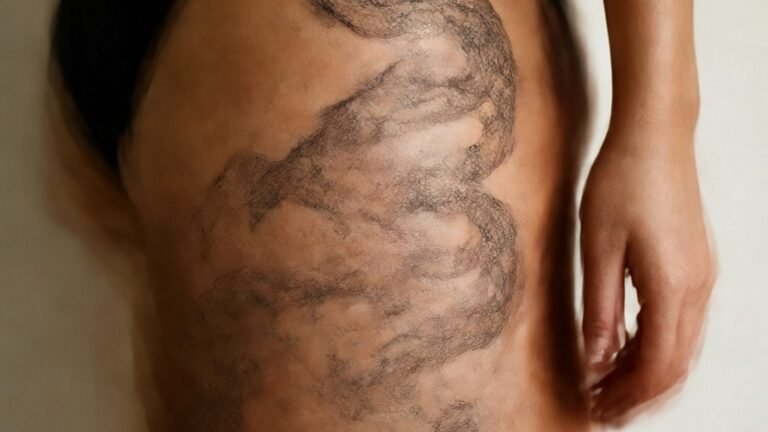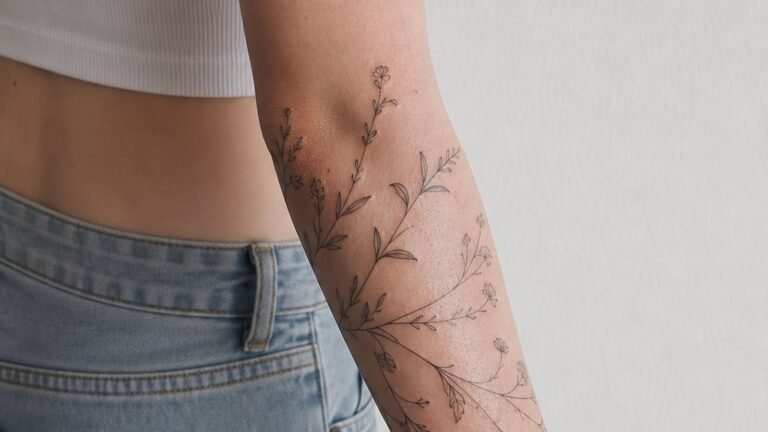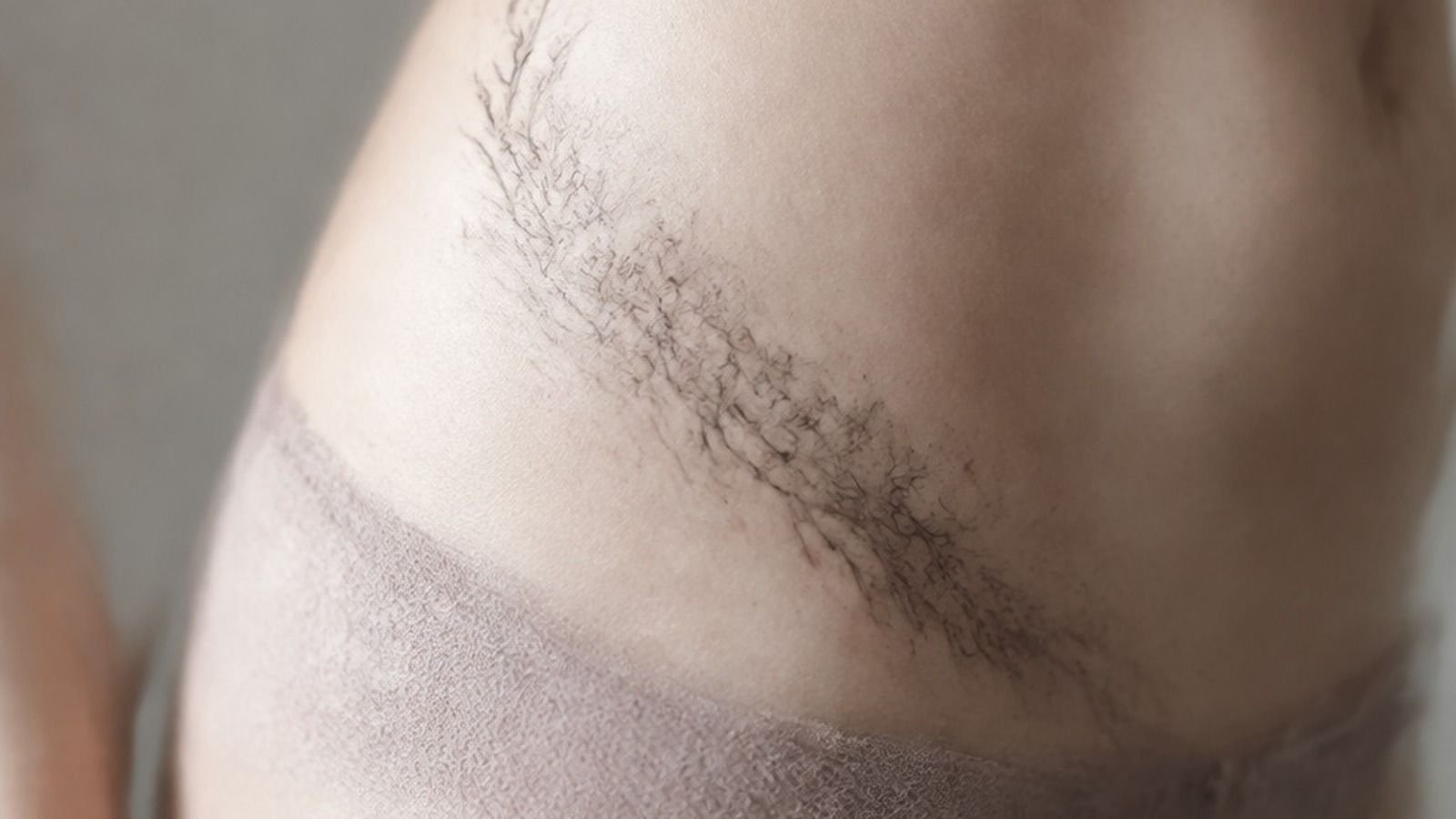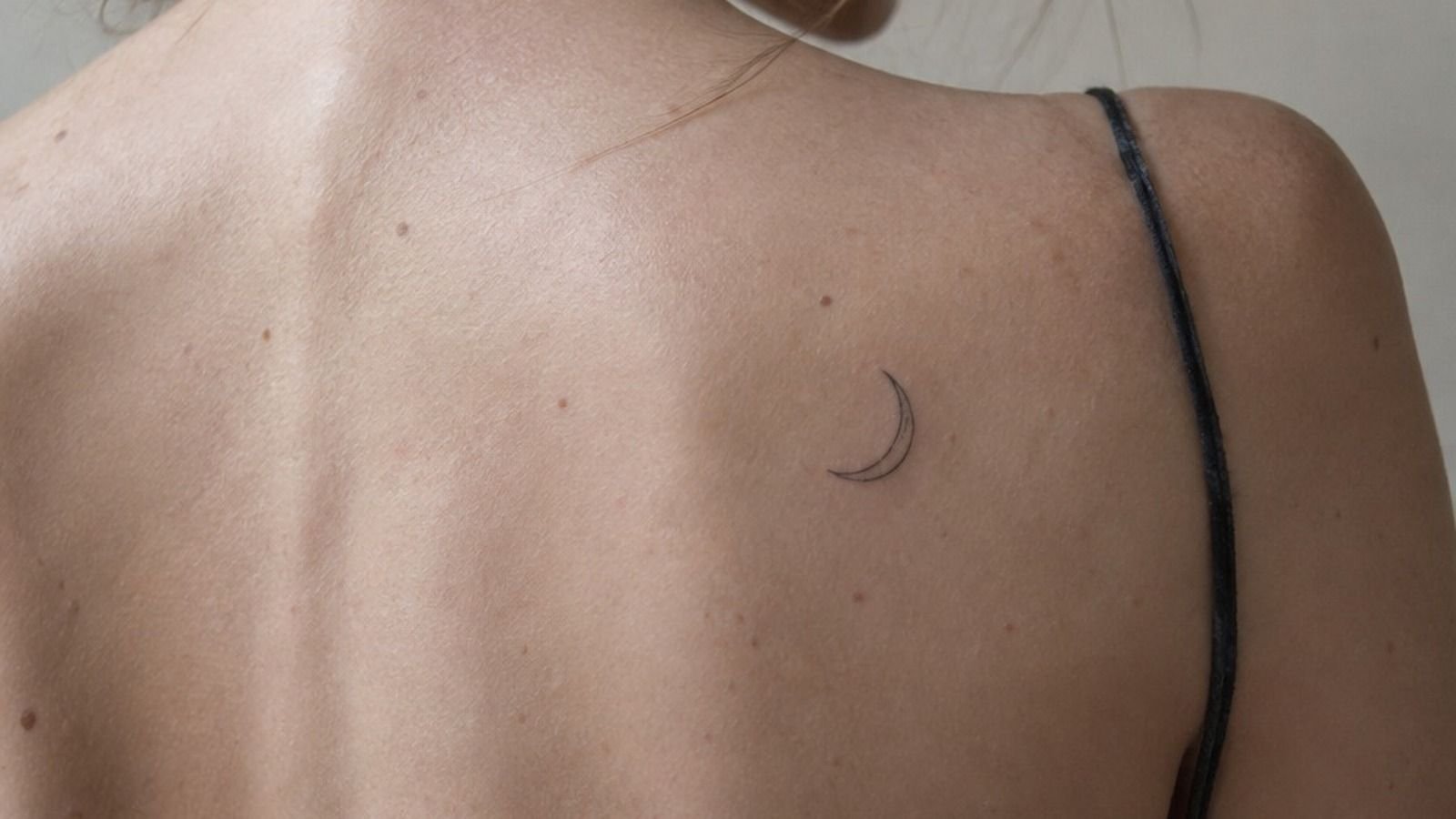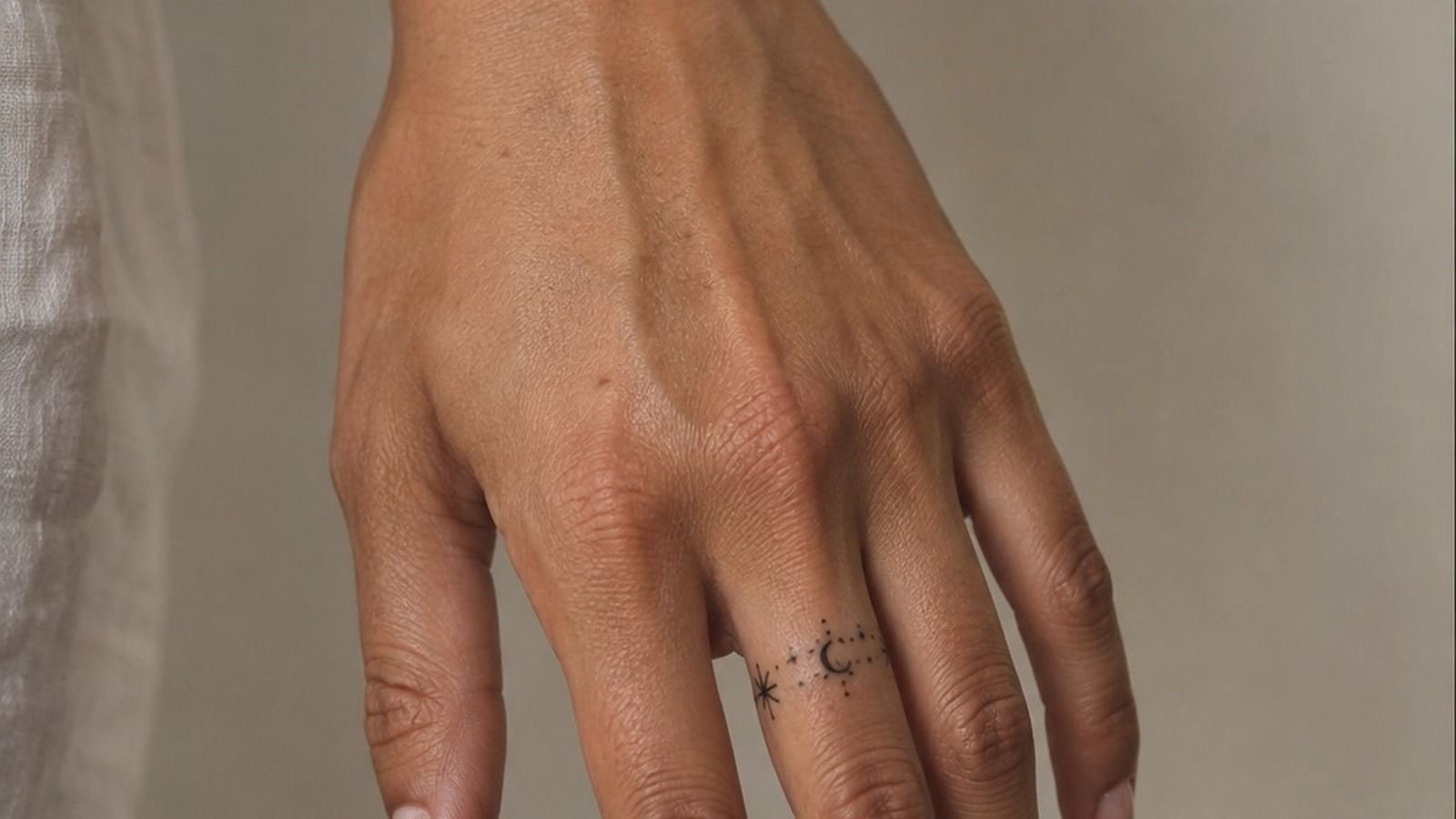
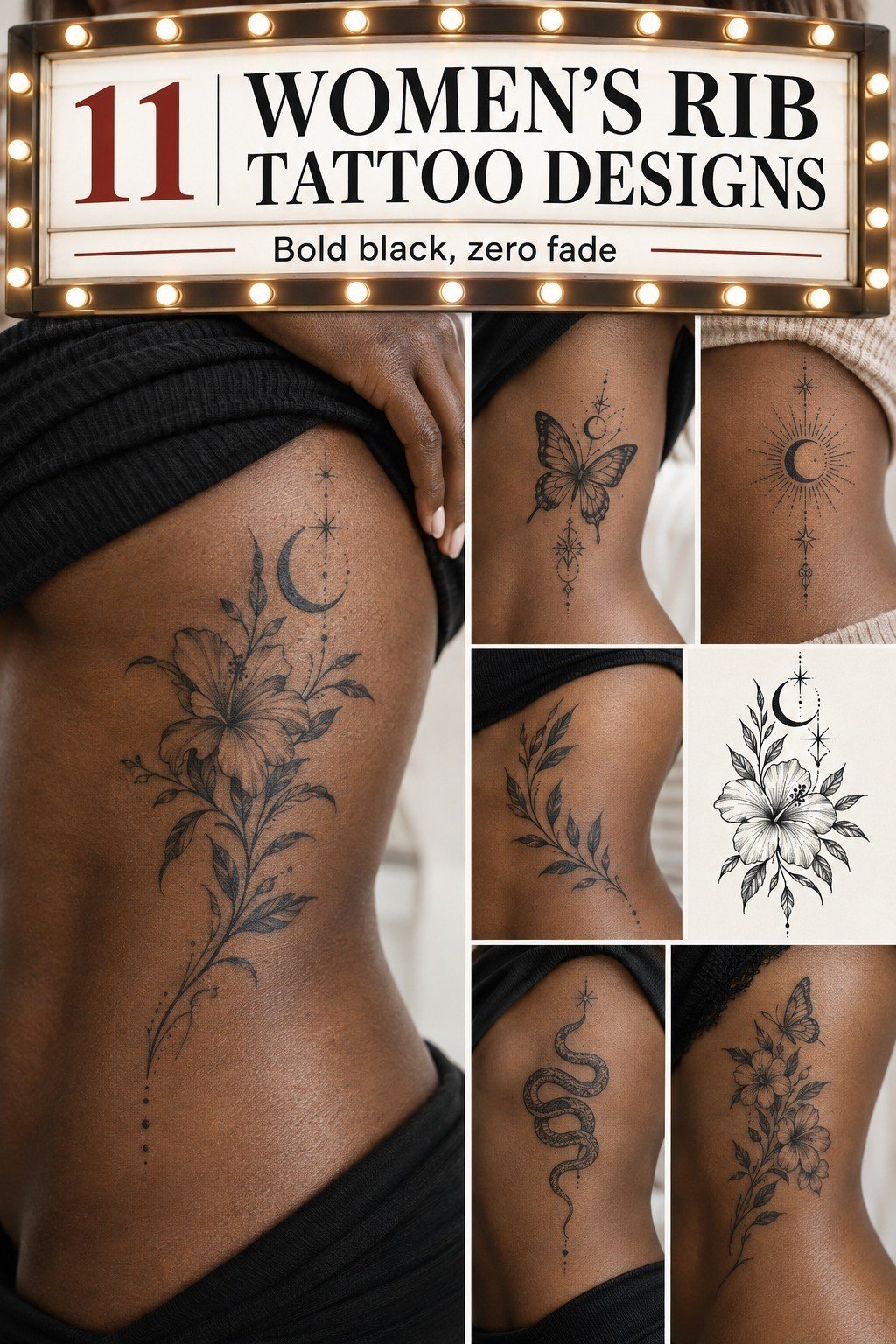
I chose a Women’s Rib Tattoo the week I turned 30, after nearly cancelling twice. I wanted crisp fine-line work that could survive healing without losing its delicate shape. The appointment lasted a few hours, the first days were uncomfortable, and the finished piece still feels personal years later. Here’s what I’d repeat.
Here’s what it looked like before:
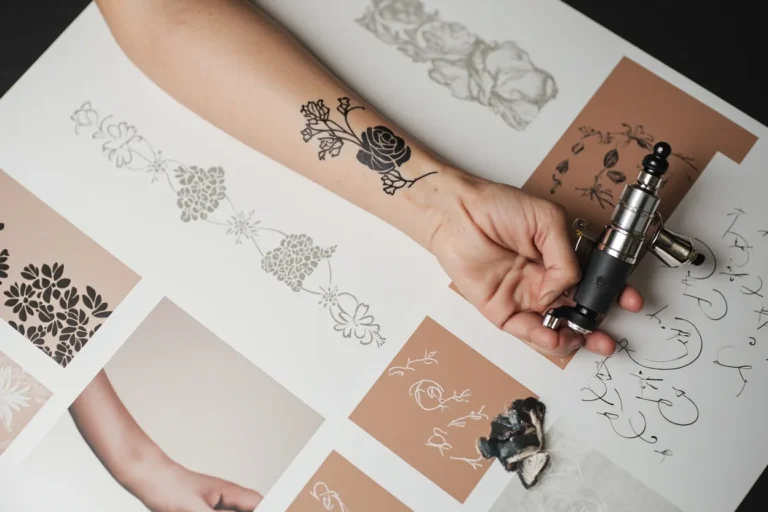
Before the stencil, I had a clean patch of skin and too many saved references. My ideas were symbolic, feminine, and slightly ornate, but they didn’t belong together yet. I kept changing the scale because I couldn’t tell whether I wanted a discreet mark or a more striking composition.
The skin along my side was unmarked, sensitive, and easy to imagine incorrectly. I could picture the tattoo from straight on, but I hadn’t considered how it would curve when I moved, breathed, or reached overhead. If you’re planning your own piece, compare your idea with these side rib tattoo ideas before you book.
I also didn’t have a perfect reference photo. That helped.
A tattoo artist needs room to make the design fit your body, and copying a flat image too literally can produce stiff linework. My blank skin gave me options, but it didn’t give me a decision.
- Choosing A Feminine Rib Tattoo Placement: The Rib Curve Rule
- Sketching Delicate Ribcage Linework: The Single-Needle Balance
- Matching Ink With My Body Shape: The Olive-Skin Lesson
- Selecting A Meaningful Butterfly Rib Tattoo: The Meaning Anchor
- Testing Fine Line Designs On Skin: The Paper Test
- Planning A Flowing Floral Rib Composition: The Line-Flow Map
- Deciding Between Minimal And Ornate Details: The Negative-Space Decision
- Preparing For Rib Tattoo Pain: How Much Can I Really Handle?
- Adding Finger Tattoo Symbols To The Story: The Small Mark Rule
- Protecting My Fresh Rib Tattoo During Healing: The Clean-Care Rule
- Photographing The Finished Women’s Rib Tattoo: The Healed-Light Test
1Choosing A Feminine Rib Tattoo Placement: The Rib Curve Rule
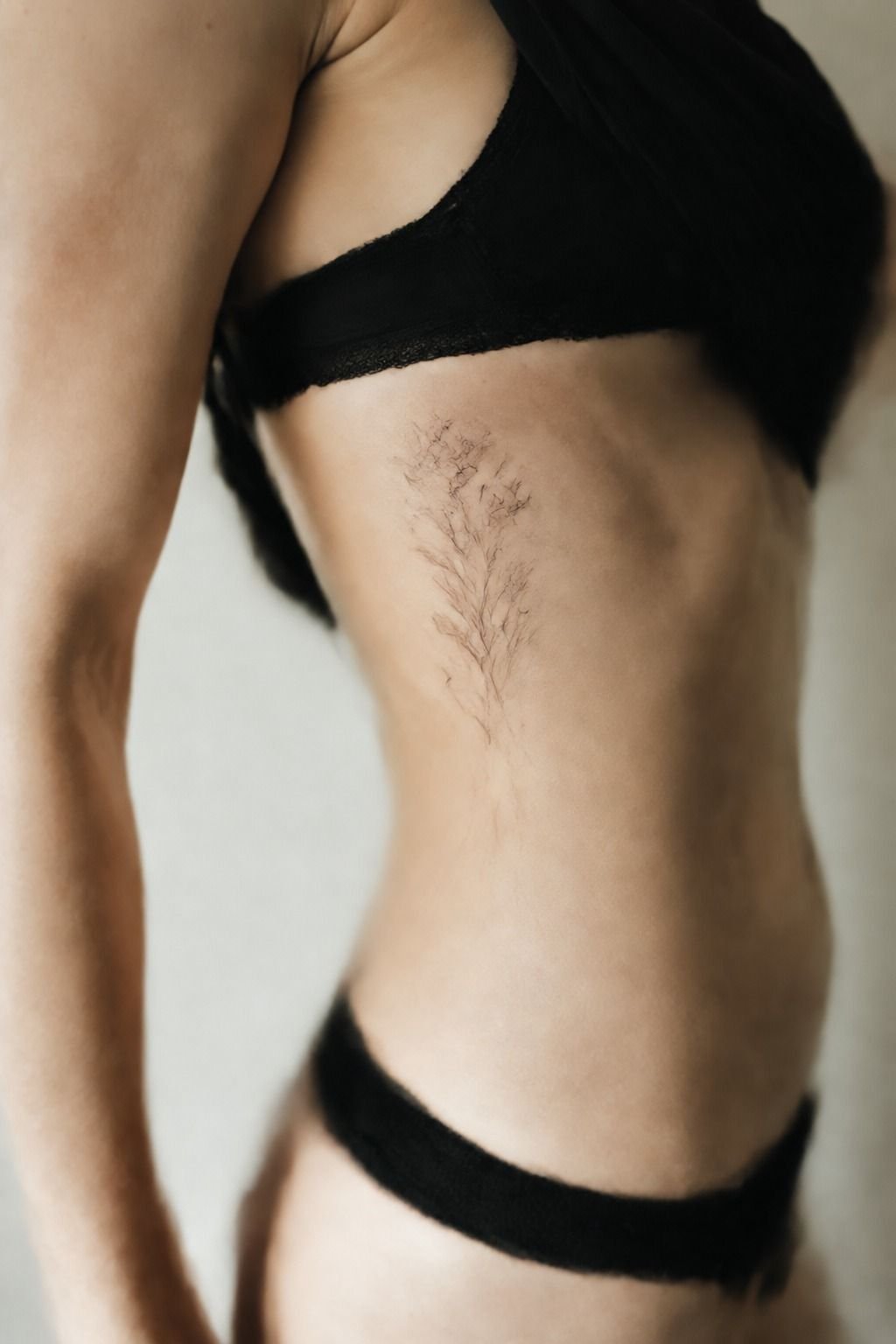
I chose the side rib area because the placement felt private without being hidden forever. A lower curve gave the design a graceful fall, while the upper end stayed close enough to the bra line to remain discreet. If you want more visibility, you’ll probably prefer a higher placement.
The first stencil was too straight. It looked sharp on paper, but it didn’t follow my body, and the bottom edge pointed away from my natural waist. My artist shifted the design by a small amount, then angled the final leaf toward the hip.
That tiny change made the whole tattoo feel intentional.
For you, the Rib Curve Rule is simple: the longest line should follow your natural movement. Look at the stencil standing, sitting, and twisting. You’re checking whether the tattoo still reads as one shape when your skin folds.
I’d skip a perfectly vertical design unless your artist has tested it from several angles. It can look sleek in a portfolio and oddly detached on a moving body. The best placement felt less like a sticker and more like a mark that belonged to my silhouette.
My artist used a paper stencil and a fine black transfer so I could see the edges before the needle touched skin. If you’re comparing placements, this guide to rib cage tattoos for women gives you more shapes to consider.
2Sketching Delicate Ribcage Linework: The Single-Needle Balance
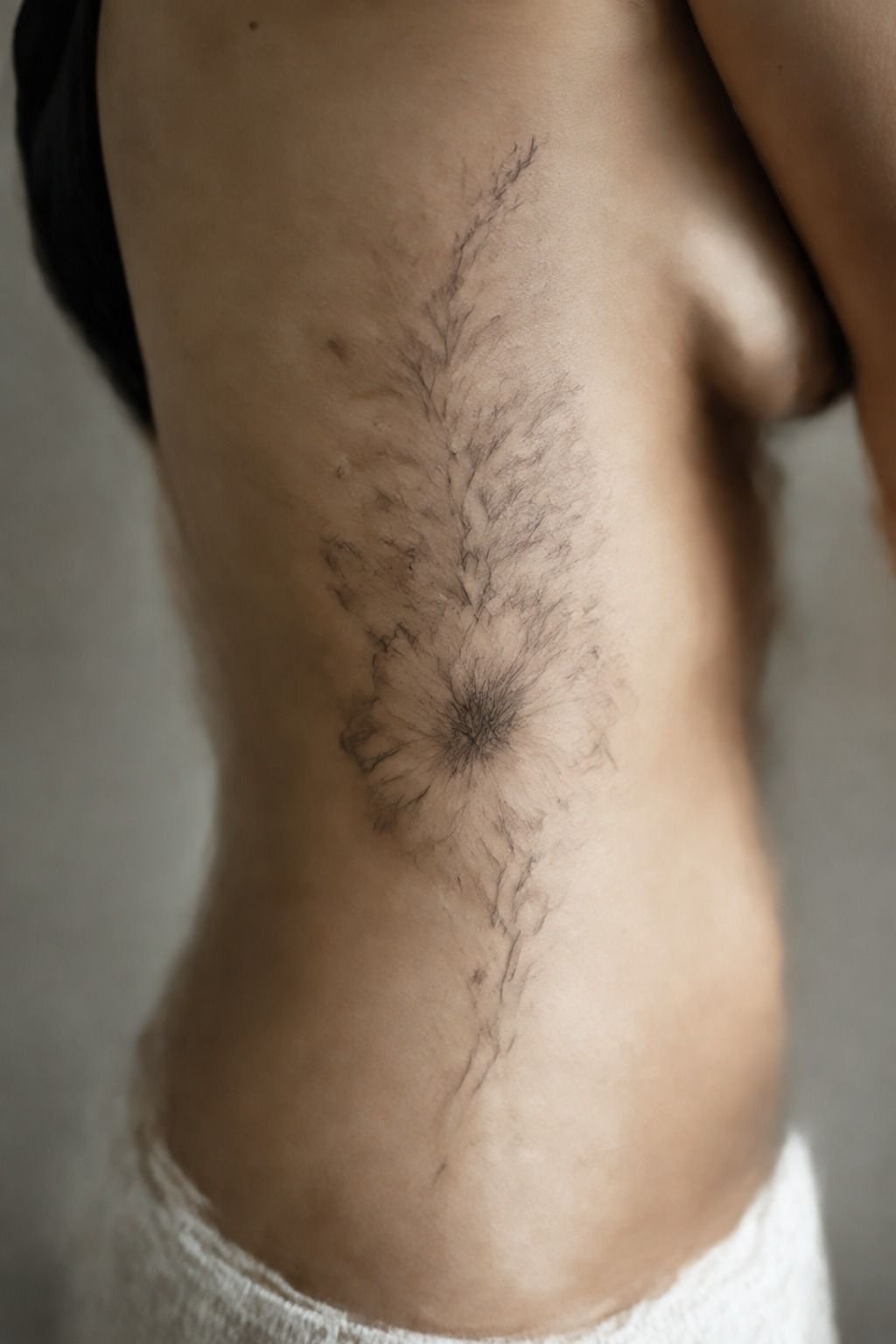
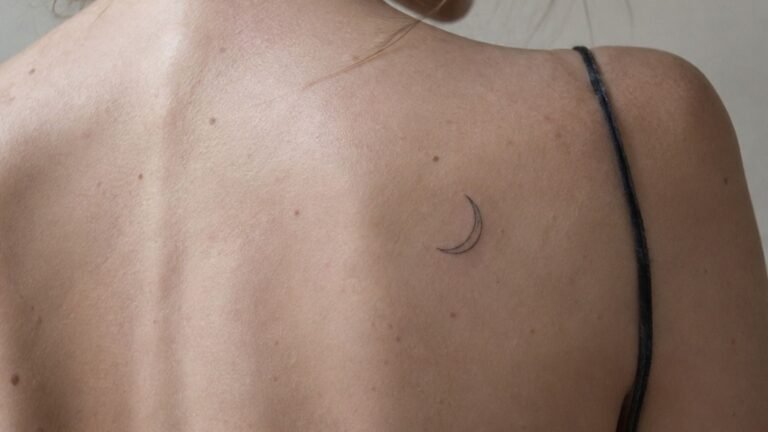
I wanted delicate lines, but I didn’t want a design so faint that it would disappear after healing. We tested a fine-line stencil with a few heavier anchors, including the butterfly body and two small stems. That contrast kept the drawing readable.
The sketch looked minimal at first glance, yet it had enough detail to reward a closer look. My artist removed three tiny interior marks because they would have crowded the skin. I trusted that edit, even though deleting details felt wrong while I was watching.
You’ll want to ask how the artist handles line weight, spacing, and healed examples. Fresh ink can look crisp because the surface is newly worked. Healed photographs tell you more about whether the design remains expressive after the skin settles.
And yes, I kept one tiny decorative line that my artist wanted to remove. It was an intricate detail, but it had meaning for me, so we widened the gap around it instead. That compromise preserved the idea without forcing every part of the sketch to compete.
For another starting point, browse these small tattoo ideas for women, then bring references that show line quality rather than only subject matter. You’re choosing a tattoo artist’s hand as much as you’re choosing a butterfly.
3Matching Ink With My Body Shape: The Olive-Skin Lesson
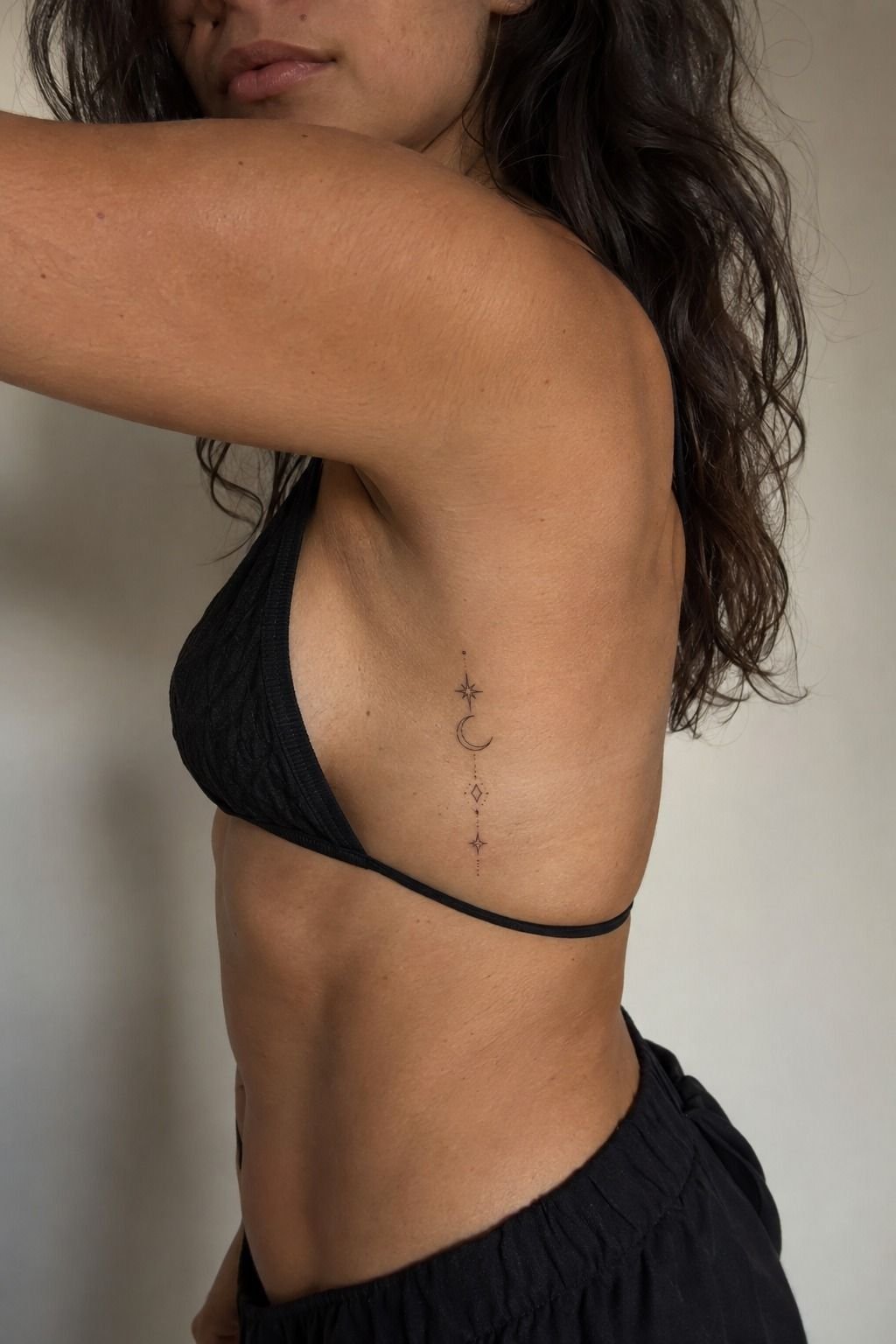
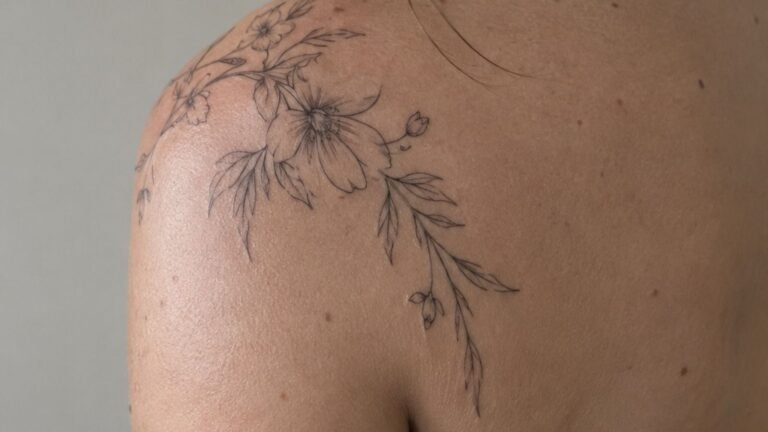
My skin is medium olive, and the finished ink looked different from the black designs I had saved on pale skin.
4Selecting A Meaningful Butterfly Rib Tattoo: The Meaning Anchor
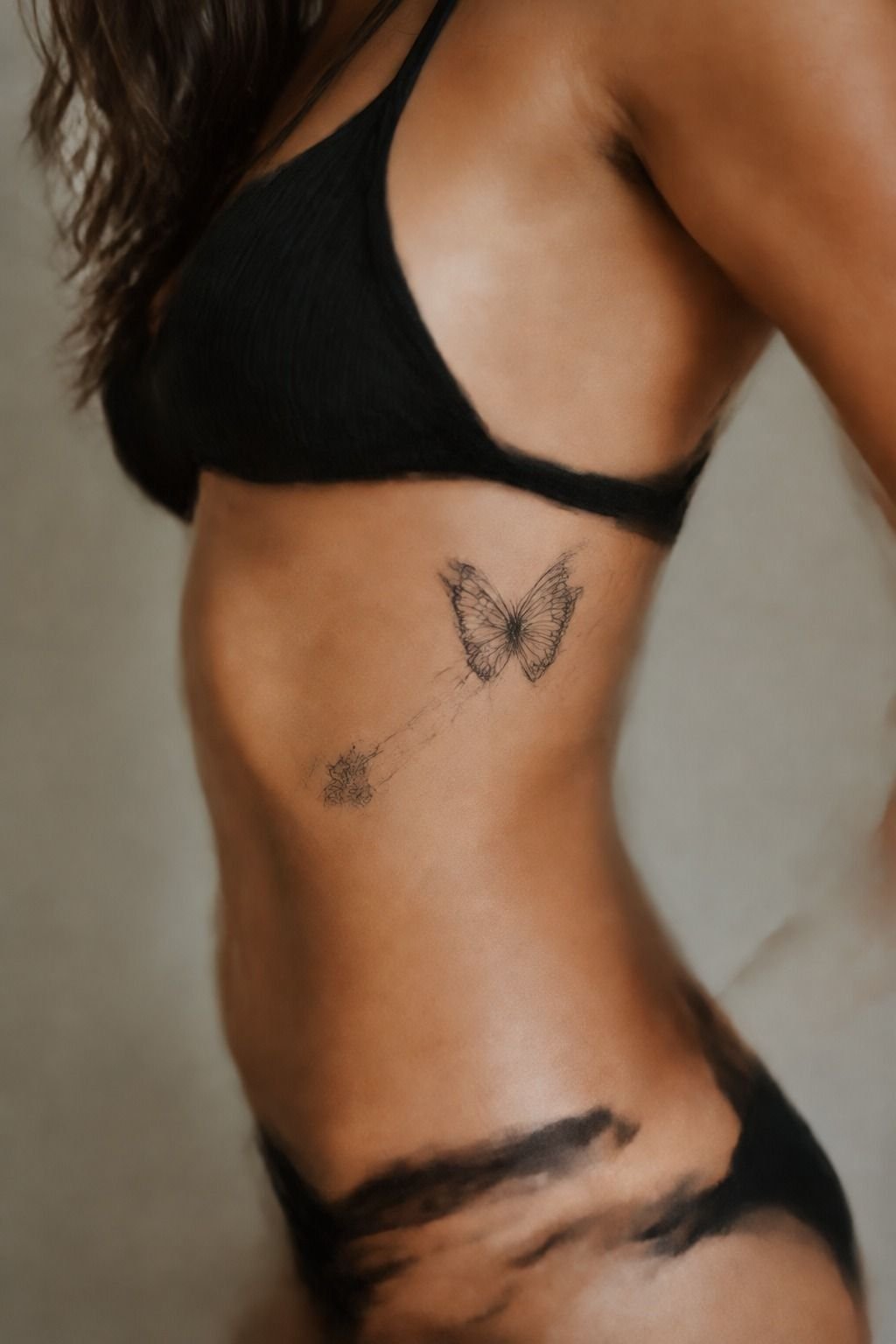
I chose a butterfly because it felt meaningful without needing a long explanation. I didn’t want a literal transformation story. I wanted a symbolic shape that could represent a quiet change I’d already made.
The butterfly became the center, but I kept the wings narrow so they wouldn’t spread too far across the ribs. A few fine botanical lines framed it without turning the piece into a crowded illustration. If you want the subject to remain the focus, you’ll need to protect its negative space.
The Meaning Anchor helped me edit the design. Every added mark had to support the butterfly’s movement or the memory behind it.
Two stars were removed. A second flower disappeared.
The piece became stronger once I stopped treating empty skin as a problem.
Why would I pay for a meaningful tattoo and then bury its meaning beneath decoration? I’d rather have one personal symbol with breathing space than ten unrelated details competing for attention.
If you’re considering a similar subject, compare this butterfly tattoo inspiration with designs that use different wing shapes. A narrow butterfly can feel dainty, while a broader one reads more bold and graphic.
5Testing Fine Line Designs On Skin: The Paper Test
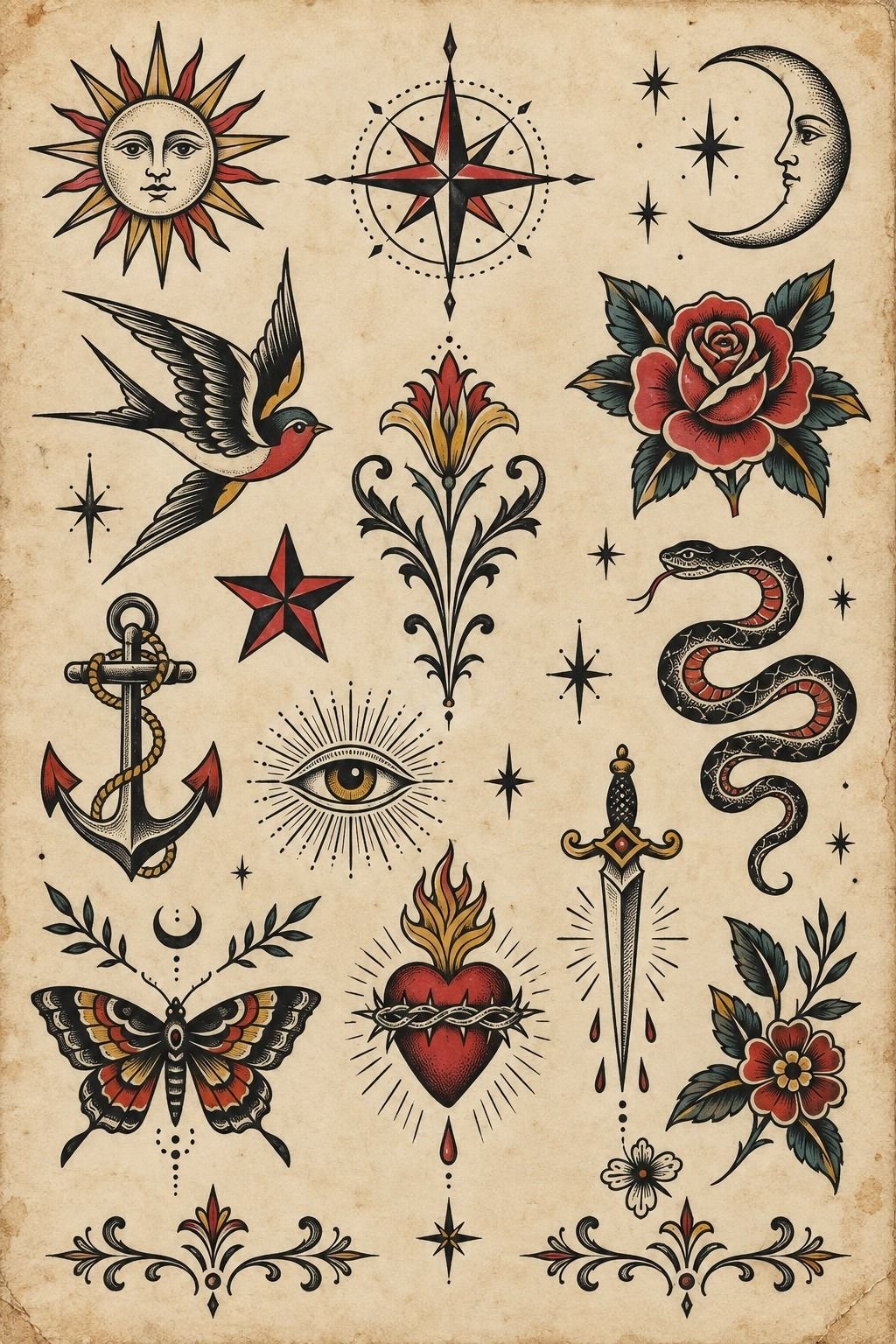
Before the appointment, I printed several versions on off-white paper and taped them near the mirror.
6Planning A Flowing Floral Rib Composition: The Line-Flow Map
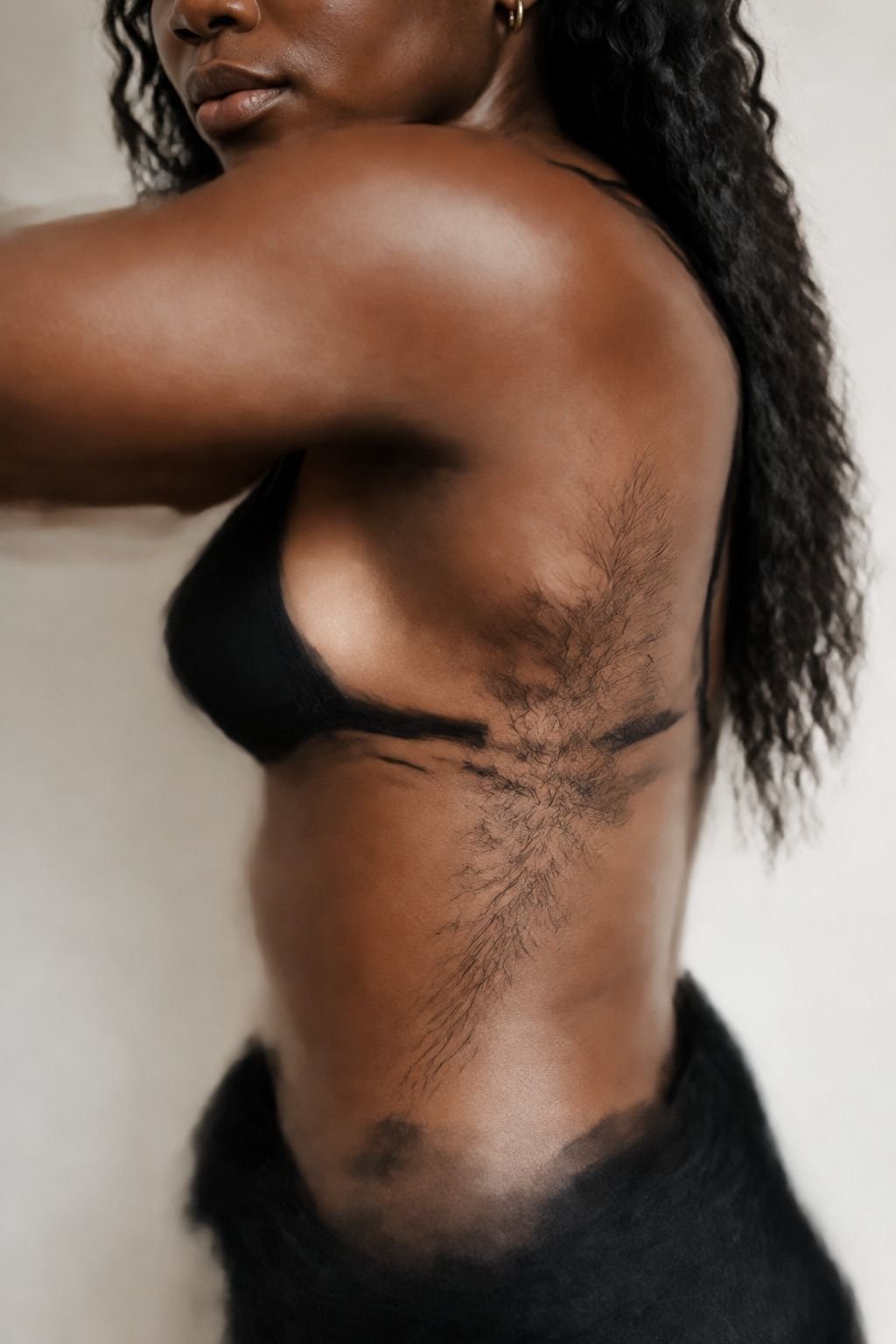
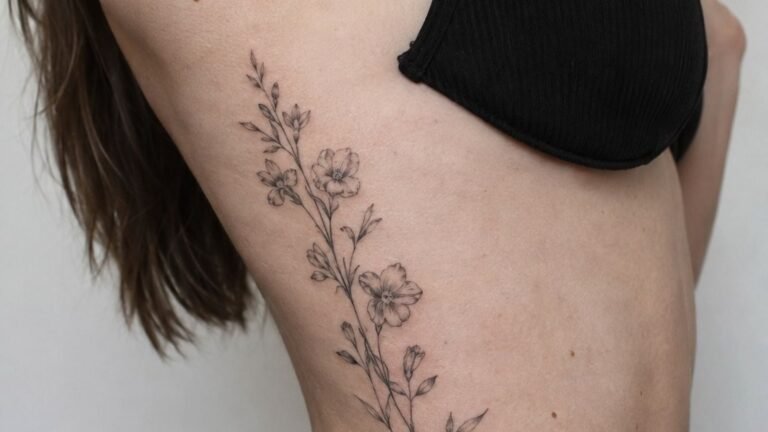
I added a small floral branch because the butterfly alone felt too centered. The branch gave the composition a flowing direction from the lower ribs toward the waist. That movement was more important than the flower species.
My artist drew the stem with a fine botanical line, then spaced the leaves so they wouldn’t create a dark stripe. The composition felt organic because the leaves changed size gradually. A repeated leaf shape would have made it look stamped.
You’ll want to think about the beginning and ending of your tattoo. Mine starts quietly near the upper rib and becomes more expressive as it travels downward. That progression gives your eye somewhere to go without making the piece oversized.
The Line-Flow Map was my best decision. We followed the natural curve of the ribs, then let the final stem taper before it reached the waist. I’d avoid stopping the design at an abrupt angle, because the eye notices that hard ending immediately.
And the floral detail didn’t need to be ornate to feel special. One curved stem, three leaves, and a single open bloom gave me enough structure. For a different body path, look through back tattoo women spine references and compare how artists guide the eye.
7Deciding Between Minimal And Ornate Details: The Negative-Space Decision
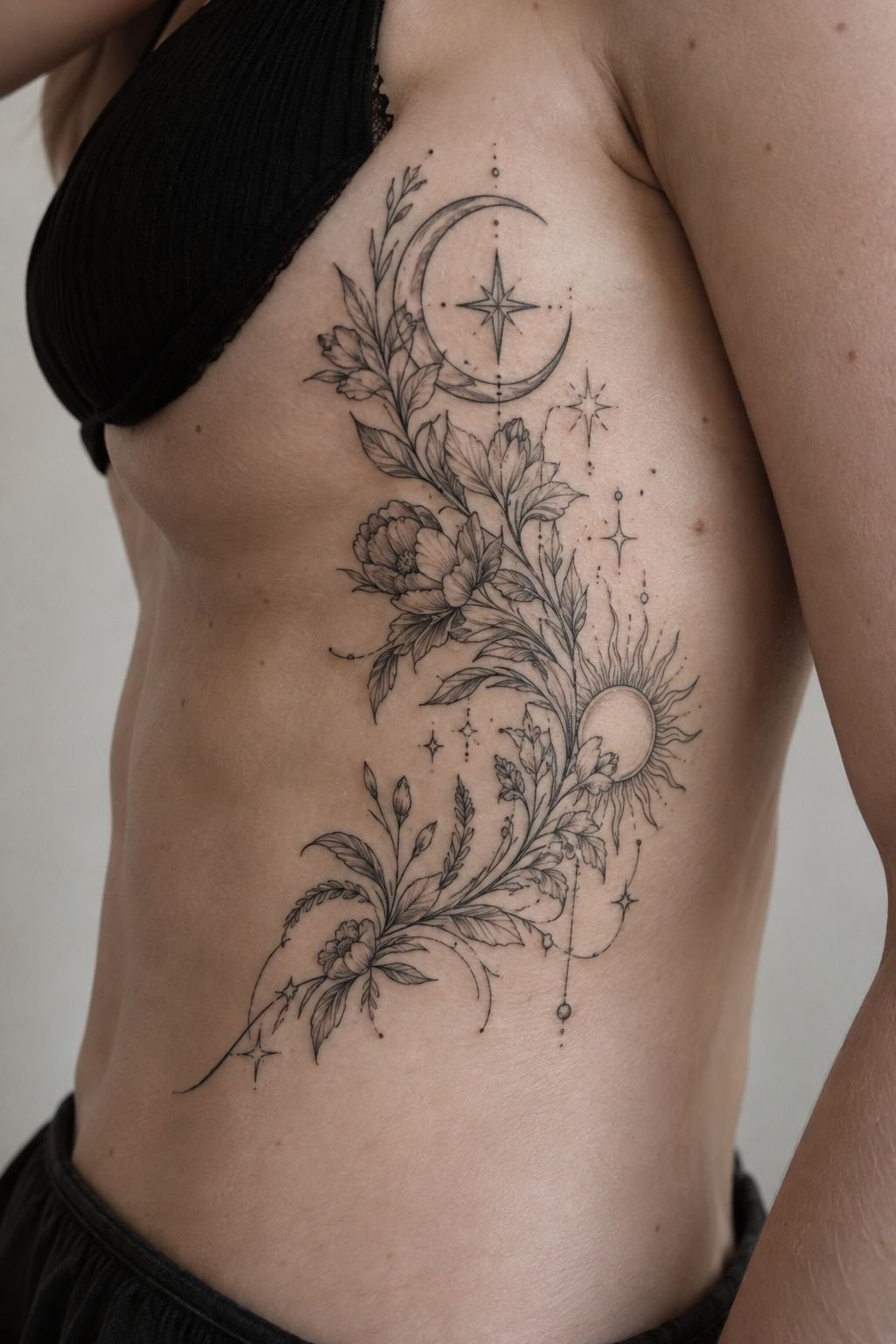
I went back and forth between a minimal outline and a more ornate wing pattern.
8Preparing For Rib Tattoo Pain: How Much Can I Really Handle?
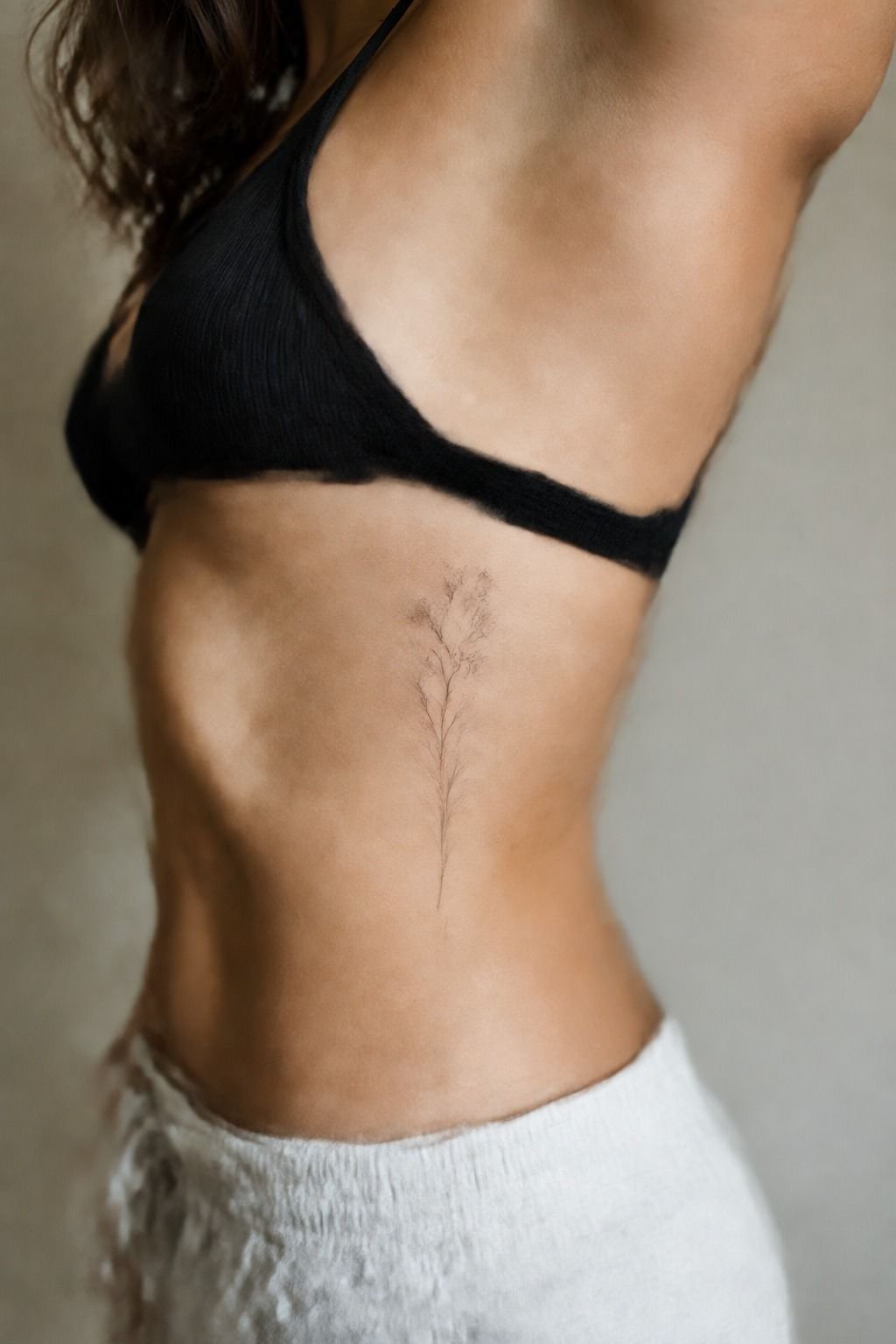
Rib tattoos can hurt more than tattoos on the forearm, thigh, or shoulder. The ribs, feet, hands, and sternum are commonly more sensitive zones, and I felt every vibration near the bone. The sensation was raw, intense, and manageable in short stretches.
I ate beforehand, wore loose clothing, and brought water. My appointment lasted a few hours, but the working time changed as we paused to check the stencil and let my body settle. You’ll want breaks before you think you need them.
The first pass felt fierce, almost electric. After a while, my body adjusted, but I wouldn’t call the session gentle.
If you’re nervous, tell your artist early. You can agree on a pause signal before the work starts.
But pain isn’t a contest. You don’t earn a better tattoo by pretending you’re comfortable.
I stopped twice, breathed slowly, and returned when I was ready. That made the appointment feel controlled rather than rushed.
For a more detailed comparison, read this rib tattoo ideas pain guide. You’re allowed to choose a shorter session, a smaller design, or a different placement if your body is telling you to change course.
9Adding Finger Tattoo Symbols To The Story: The Small Mark Rule
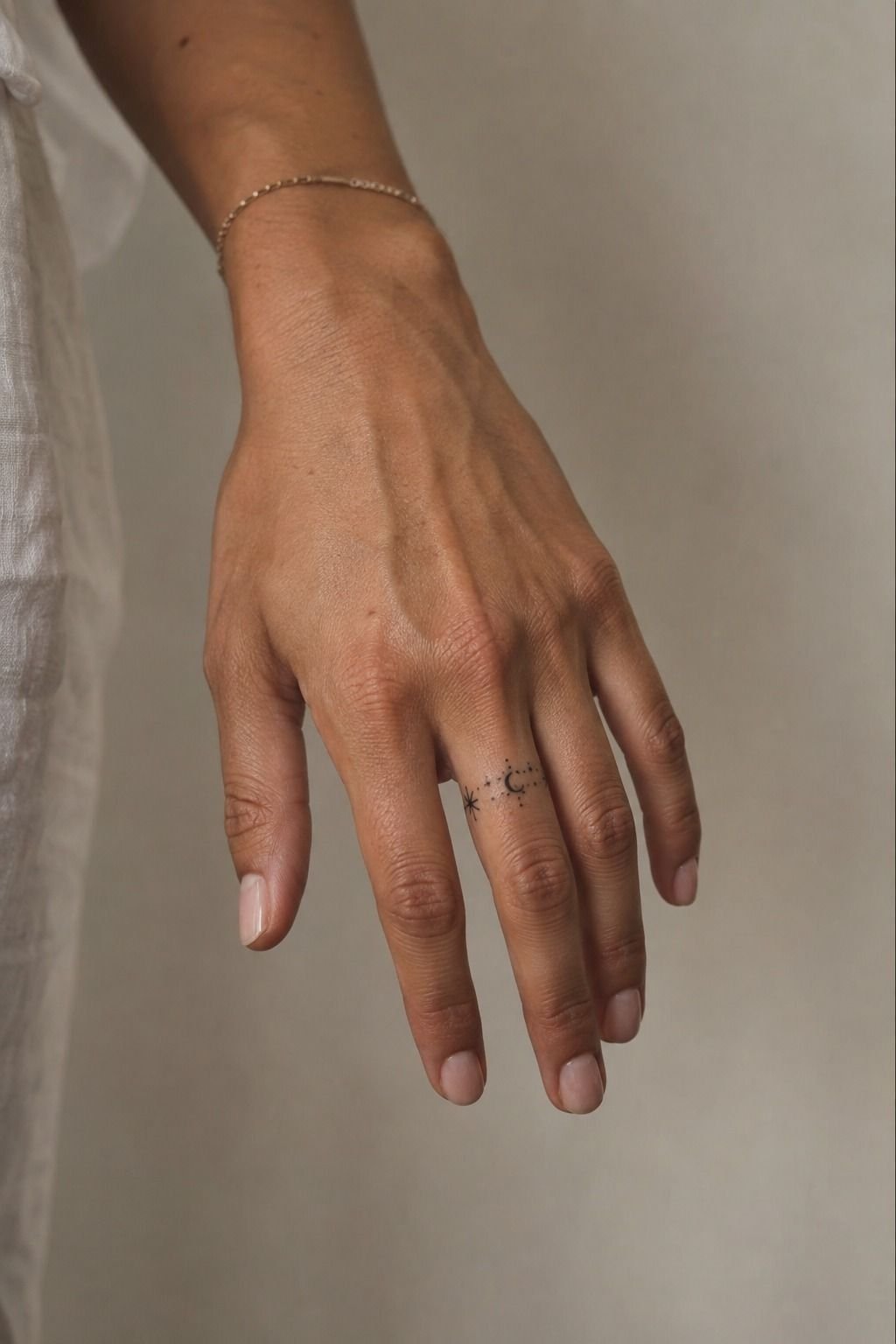
I added a tiny finger tattoo symbol later, not during the rib appointment.
10Protecting My Fresh Rib Tattoo During Healing: The Clean-Care Rule
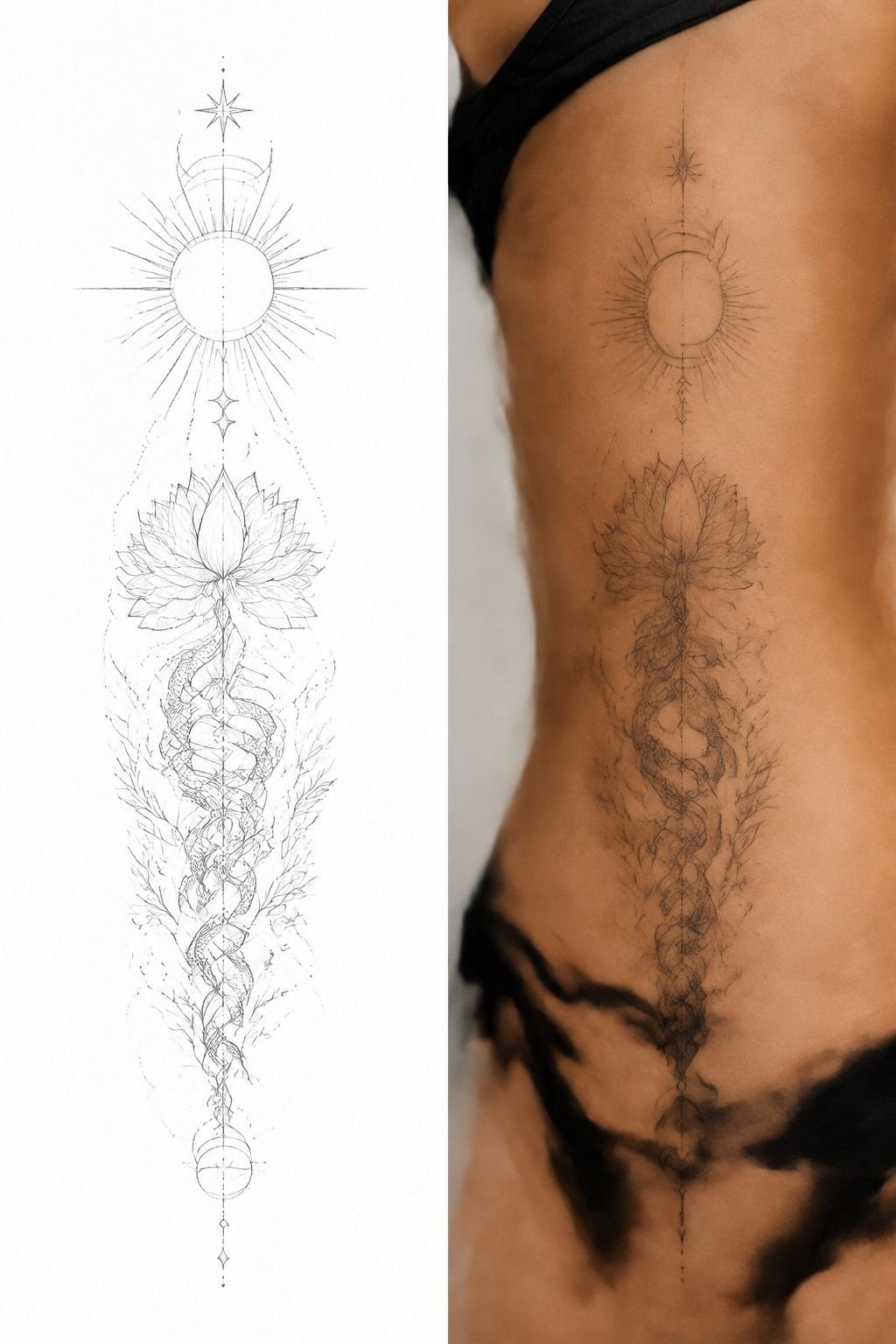
The surface of my tattoo healed in roughly 2 to 3 weeks, while complete healing took closer to 2 to 3 months. During that time, I followed simple aftercare: gentle washing, light moisturizing, and no unnecessary sun or pool exposure.
I used a gentle fragrance-free wash and kept the area clean without scrubbing. The skin felt tight, dry, and slightly itchy. That stage was annoying, but it passed faster once I stopped touching the tattoo.
Your artist’s instructions should lead, because products and coverings vary. You’ll want to avoid picking flakes, soaking the tattoo, or exposing fresh ink to strong UV. Those choices can affect how the lines settle.
The tattoo looked crisp once the surface calmed down, but it wasn’t flawless during healing. Some areas seemed dull before they regained clarity. I didn’t panic, and I didn’t ask for an early touch-up.
The Clean-Care Rule is boring for a reason. Keep the skin clean, keep it lightly hydrated, and give it time. If you’re planning a larger collection, save this women’s tattoo ideas guide for aftercare reminders and placement planning.
11Photographing The Finished Women’s Rib Tattoo: The Healed-Light Test
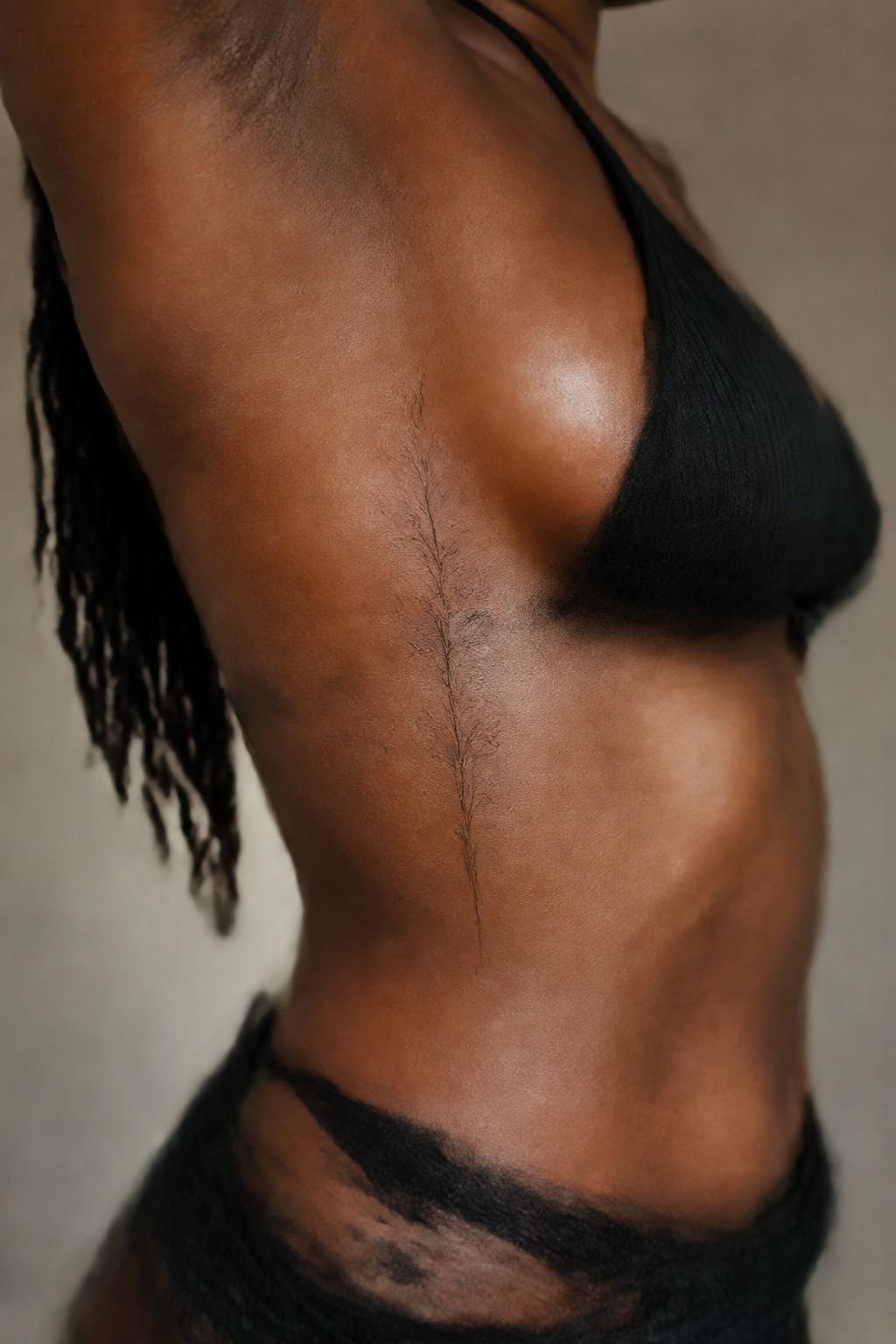
I photographed the tattoo after healing in natural daylight, because harsh flash made the lines look harder than they felt in person.
How much it cost
I planned around the typical US tattoo range instead of pretending every artist charges the same amount. A small rib tattoo may meet a shop minimum, while a longer fine-line session is often priced hourly. Your artist, region, size, and portfolio will change the quote.
My decision was to spend the available budget on line quality and placement rather than extra decoration. That felt daring, but it was the right trade. I’d rather have fewer marks from an artist whose healed work I trust than a larger design squeezed into a cheaper appointment.
Ask for the estimated session length, the shop minimum, and the touch-up policy before booking. You’re paying for drawing, preparation, sterile setup, needle work, and the artist’s judgment, not only the minutes the machine is running.
A rib tattoo that heals well depends on more than price. Strong black placement can age better than ultra-thin lines packed tightly together, and sun protection matters after healing. If you’re comparing related placements, start with this side rib tattoo guide before collecting quotes.
Why I’d Choose This Kind Of Rib Tattoo Again
I’ve learned that a delicate tattoo doesn’t need to be timid. My first mistake was treating every saved reference as equally important.
I wanted the butterfly, the flowers, the stars, the dots, and the soft shading, then wondered why the composition felt crowded. Removing things was harder than adding them, but it made the final piece stronger.
I also underestimated how much placement changes meaning. A design that looked romantic on a flat screen became more powerful once it followed my ribs. The body gave the drawing its movement.
I didn’t need to force drama into the wings because the curve created it naturally.
The second lesson was about healed work. Fresh photographs are persuasive, but I now look for healed examples before I choose an artist.
Fine lines can soften, and a tattoo that depends on tiny spacing needs an artist who understands how skin settles. That research takes time, yet it prevents an emotional decision based on a perfect first-day photograph.
Finally, I stopped chasing the idea of a universally safe choice. My tattoo is edgy enough to feel like mine, but understated enough that I can live with it every day.
That balance matters more than copying a style label. If you’re planning your first piece, choose the symbol you’ll still understand when the trend has moved on.
What People Always Want to Know
How much does a Women’s Rib Tattoo usually cost?
A Women’s Rib Tattoo typically costs about $100 to $300 in the US, depending on size, placement, artist, and region. Some shops start around $50 to $100, while hourly rates may run about $100 to $250. Ask for a quote before your appointment so your budget matches the session.
Are Women’s Rib Tattoo a good idea for a first tattoo?
Yes, a Women’s Rib Tattoo can be a meaningful first tattoo if you’re prepared for a more sensitive placement. The area allows clean linework and private visibility, but ribs can hurt more than the forearm, thigh, or shoulder. Choose a simple design and an artist with healed examples.
How do I choose a tattoo artist for Women’s Rib Tattoo?
Choose an artist whose portfolio shows clean healed linework, not only fresh tattoos. Look for consistent spacing, clear stencils, and designs similar to yours. You’ll also want a hygienic studio, transparent pricing, and an artist who listens when you explain your body shape and personal meaning.
How much do Women’s Rib Tattoo hurt?
Rib tattoos can hurt more than tattoos on the forearm, thigh, or shoulder. The ribs, feet, hands, and sternum are often more sensitive because of bone and movement. Your session may feel intense but manageable if you eat first, hydrate, and ask for breaks.
How long does a Women’s Rib Tattoo take to heal?
The surface usually heals in about 2 to 3 weeks, while complete healing can take about 2 to 3 months. Follow your artist’s aftercare, wash gently, moisturize lightly, and avoid strong sun and pools while the skin settles.
What’s the best placement for Women’s Rib Tattoo?
The best placement depends on your visibility preference and design shape. A higher side-rib position can stay discreet, while a lower curve can follow the waist more dramatically. Ask your artist to check the stencil standing, sitting, and moving before you approve it.
Where I’d Start First
If I had to pick one, I’d start with a side-rib butterfly. Its curved wings can follow your body, while open spacing keeps the lines readable as they heal. Save this side rib tattoo reference and take your time choosing the artist.