18+ Small Girly Tattoos That Stay Dainty as You Grow
Small, feminine tattoos have never been more beautifully executed — or more popular. Whether you want something discreet enough for the office or a delicate accent to a larger piece, the designs below prove that small doesn’t mean simple. Here are 18+ ideas from our curated collection, plus everything you need to know before booking your session.
Why Small Tattoos Work for Feminine Aesthetics
Small tattoos offer a unique kind of storytelling — personal, intimate, and easy to wear across every dress code. They read as jewellery as much as body art, complementing skin without dominating it. The boom in fine-line tattooing (led by NYC and LA artists like Dr. Woo) made ultra-precise miniature work possible and popularised the “dainty” aesthetic as a distinct genre.
The Fine-Line Revolution
Traditional tattooing used bold outlines designed to stay readable as skin ages and spreads. Fine-line tattooing — popularised from the 2010s — uses single-needle or lightweight shaders to create hair-thin lines. At small scale, this produces ethereal results but demands both an expert hand and proper aftercare to age well.
Choosing a Style That Lasts
Not all styles work at small scale. Hyperrealism loses detail as pieces shrink. Watercolour without a defining outline tends to look like a bruise after a decade. The most durable small feminine styles: fine-line botanical, minimalist single-needle, and blackwork with clean negative space. Always view healed portfolio work — not just fresh tattoos — before booking.
18+ Small Girly Tattoo Ideas by Category
Botanical and Floral Miniatures
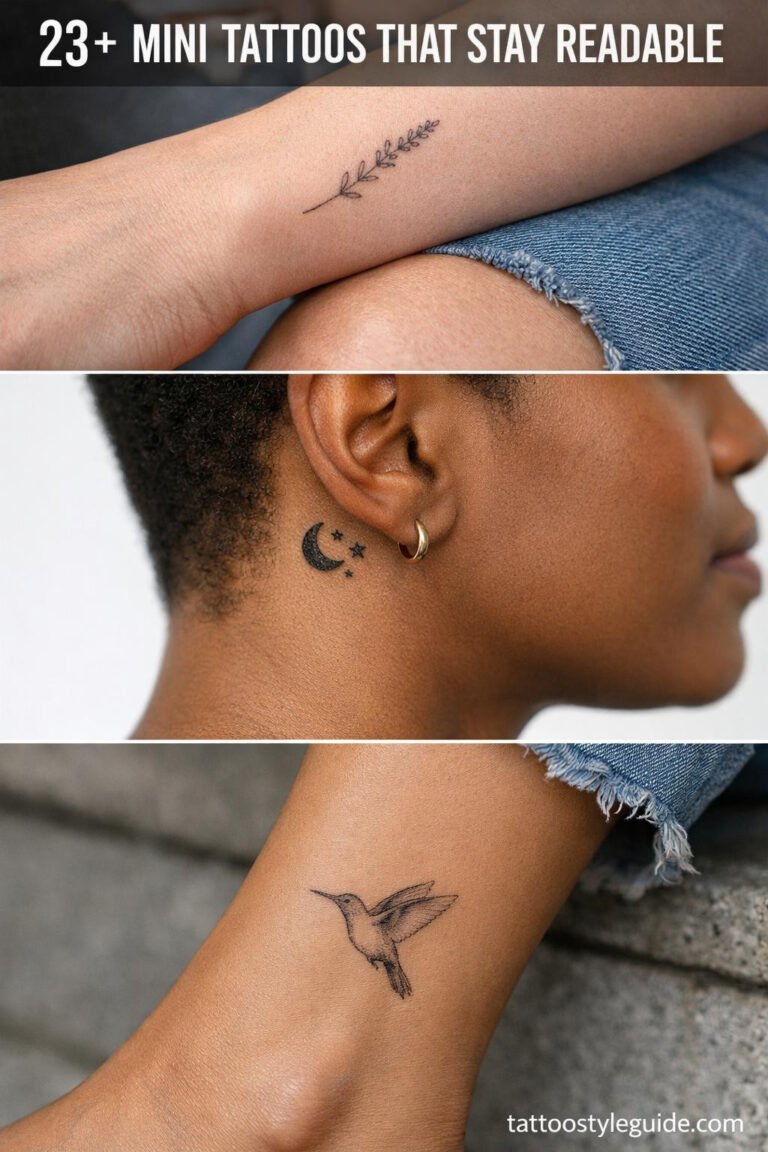
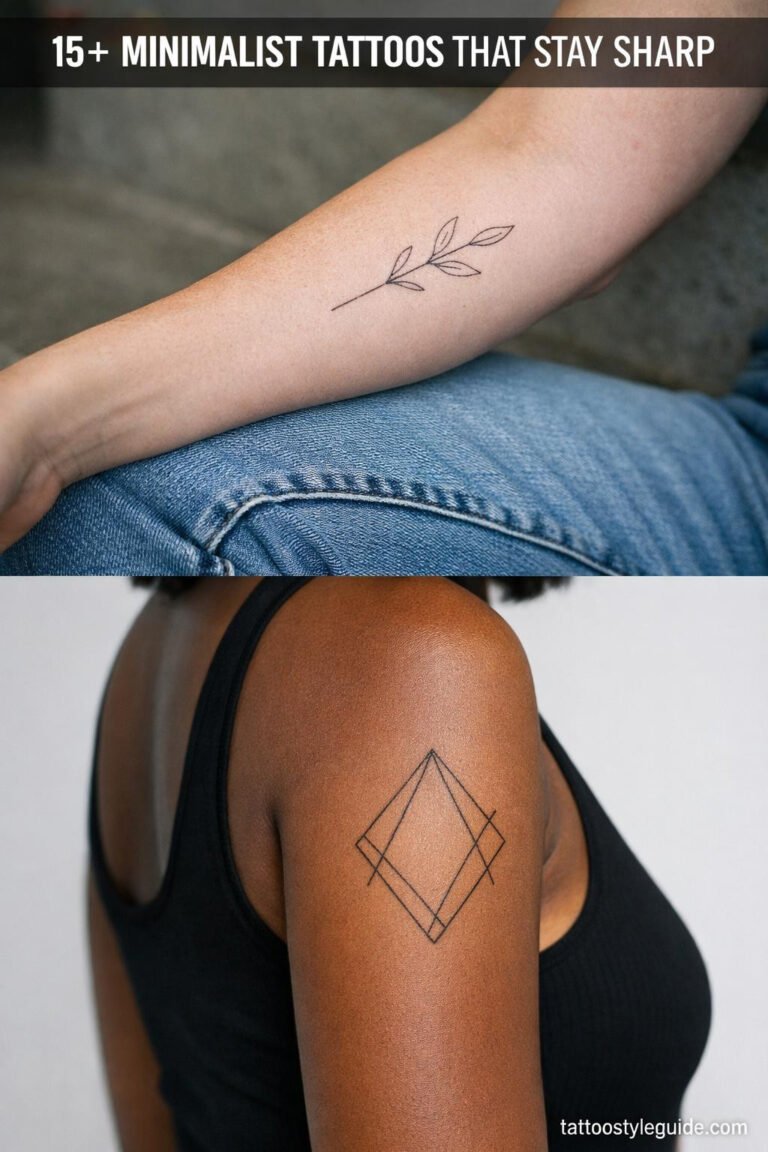
- Single lavender sprig — inner wrist or ankle, 1.5–2 inches. Elegant, timeless, fast to heal.
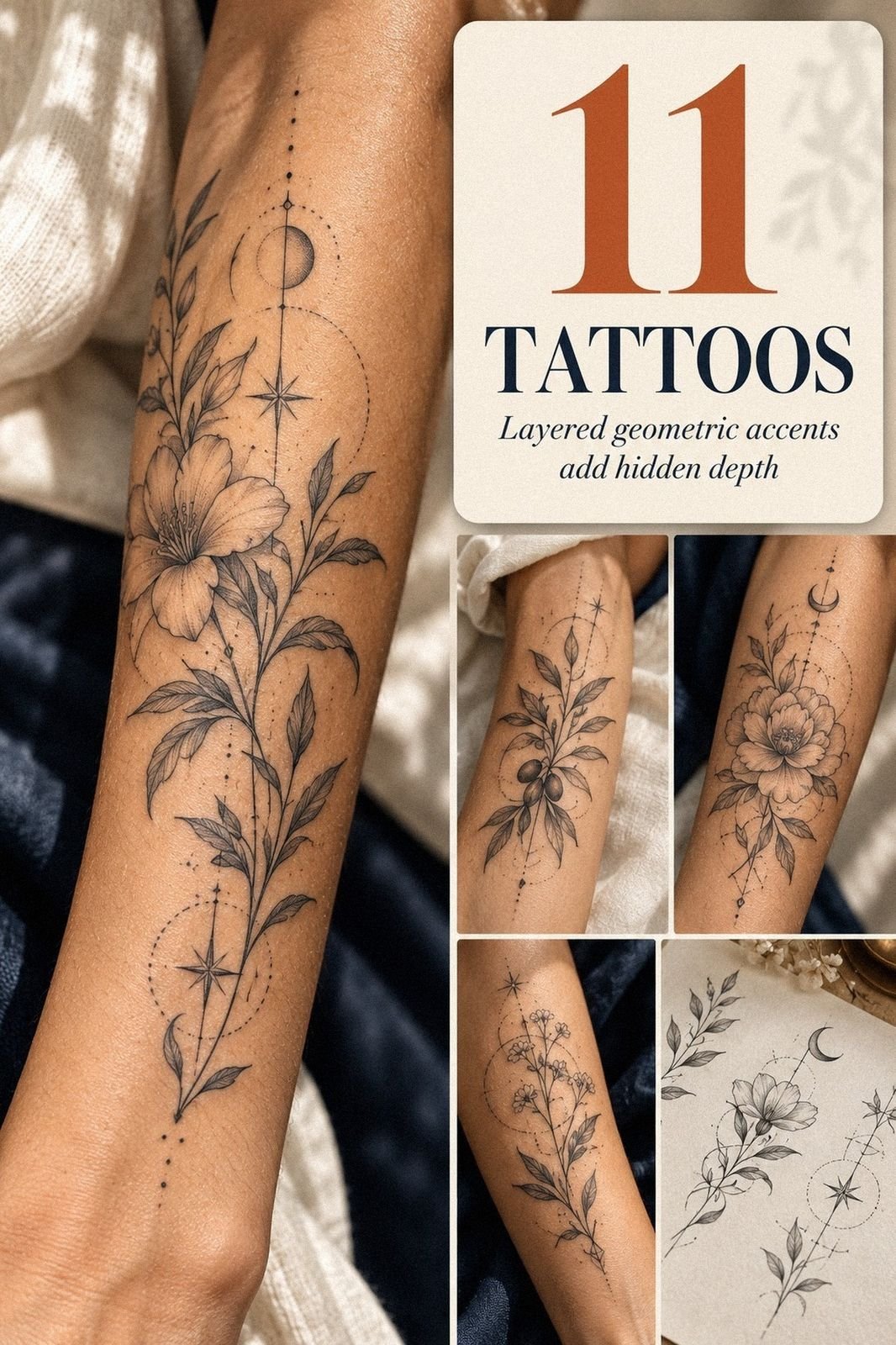
- Tiny wildflower bouquet — side of wrist or forearm. Combine chamomile, forget-me-not, and baby’s breath for a loose cottage-garden feel.
- Single rose bud — collarbone or behind ear. A rosebud is more delicate and original than a full bloom at small scale.
- Fern frond — inner forearm or ribcage. The repetitive structure of a fern reads beautifully in fine-line.
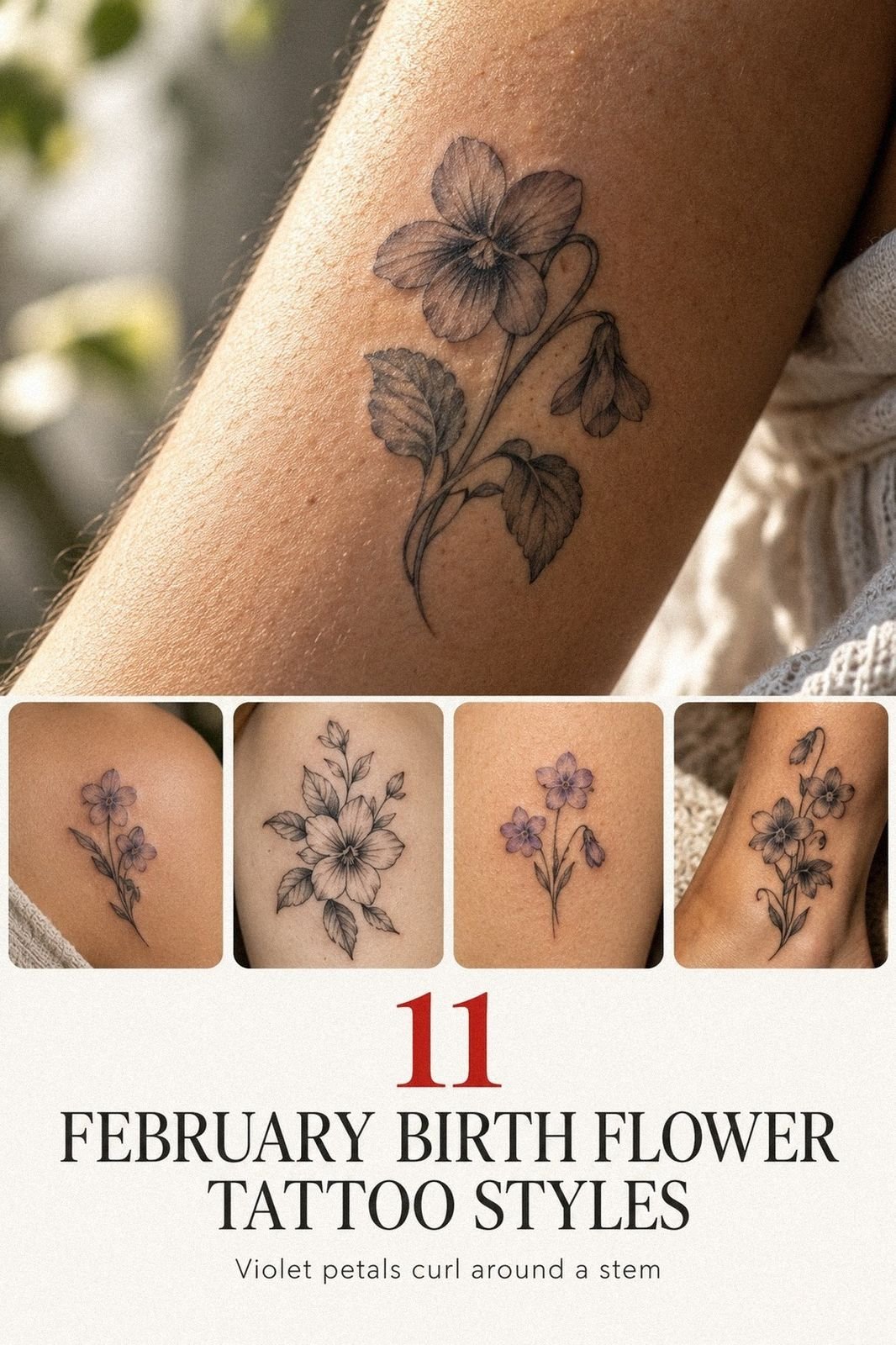
- Birth month flower — personalize with your birth month’s flower (January: snowdrop, May: lily of the valley, September: aster).
Minimal Symbol and Script
- Constellation of your star sign — shoulder or inner wrist. Dots connected by fine lines; ages well due to the dot-work technique.
- Single word or short phrase — inner forearm or ribcage. Choose a font with enough weight to stay legible. Avoid ultra-thin cursive at less than 10pt scale.
- Roman numeral date — wrist, collarbone, ankle. Minimal, meaningful, clean.
- Tiny infinity symbol — wrist or finger. Classic; works best with a subtle custom element (a dot, a small leaf).
- Arrow — shoulder blade or inner forearm. Can be combined with a word beneath or kept purely geometric.
Celestial and Nature
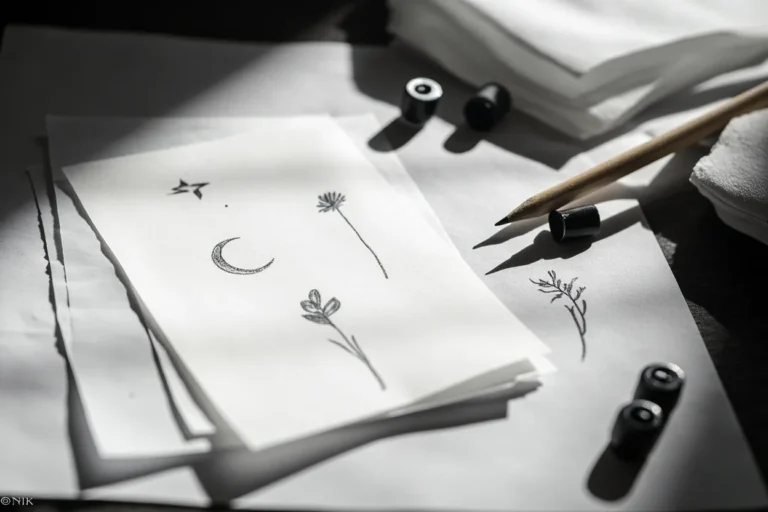
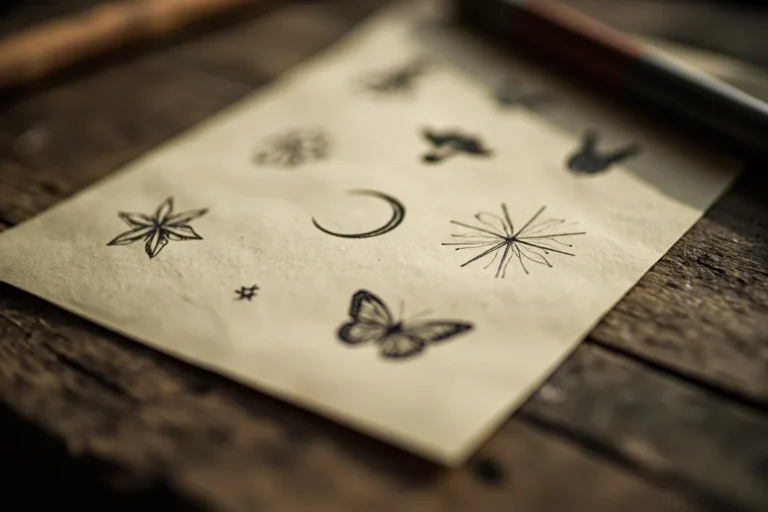
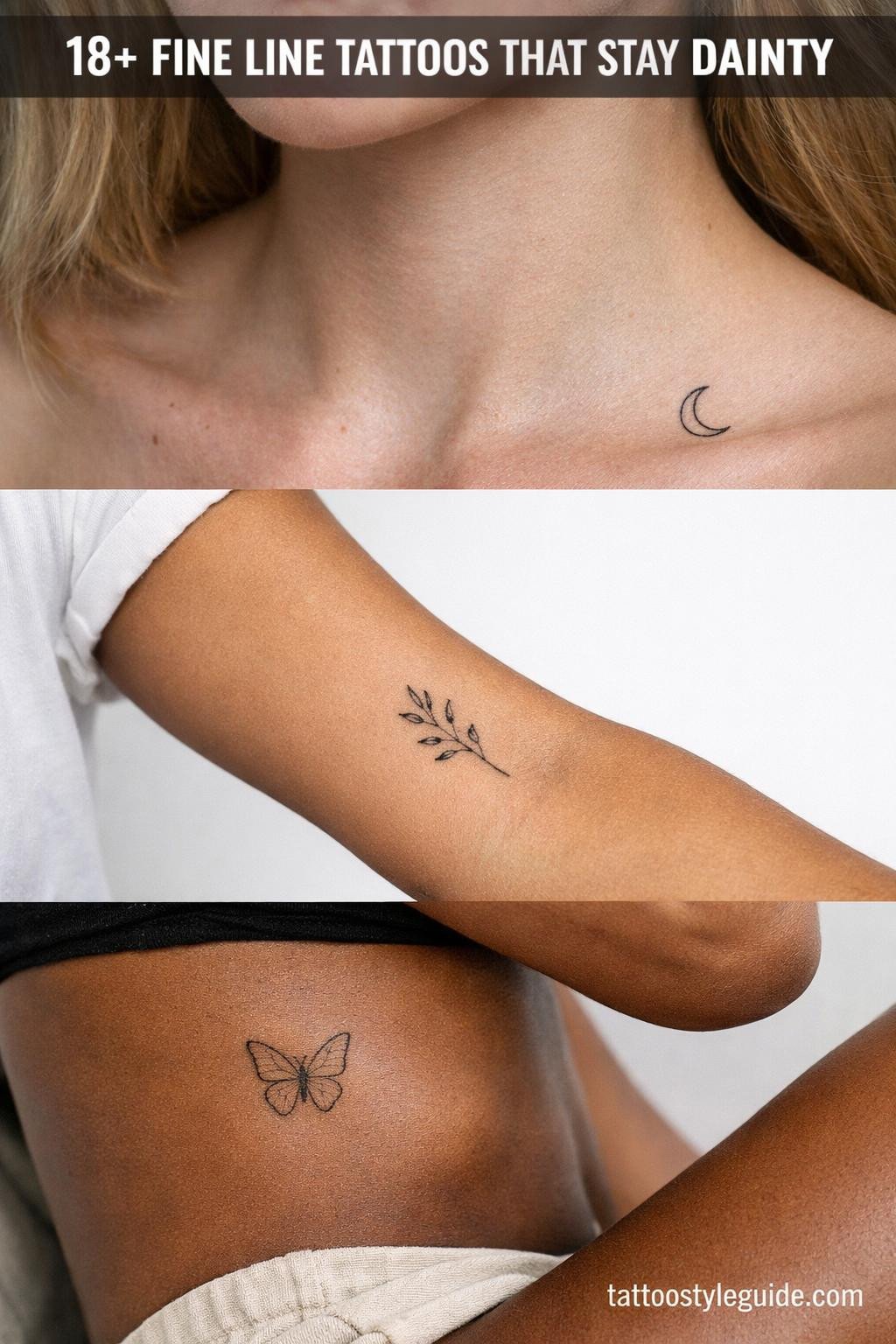
- Crescent moon — behind the ear, ankle, or inner wrist. Single-needle fine-line crescent is one of the most universally flattering small pieces.
- Small sun with rays — shoulder or hip. Bold outline version ages better than fine-line at this scale.
- Tiny mushroom — ankle or inner wrist. Works in both fine-line botanical style and cute illustrative style.
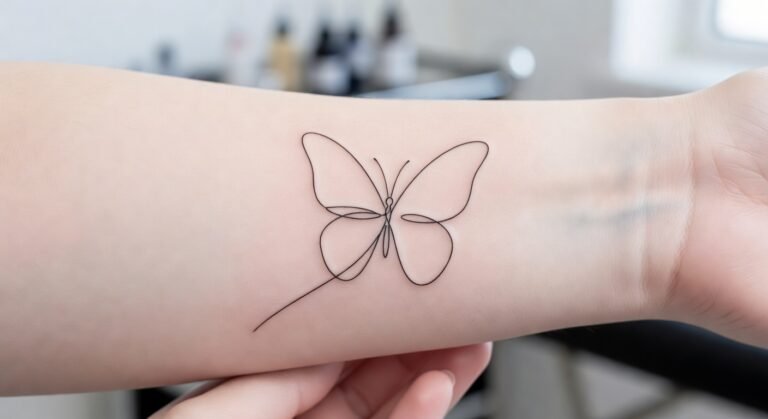
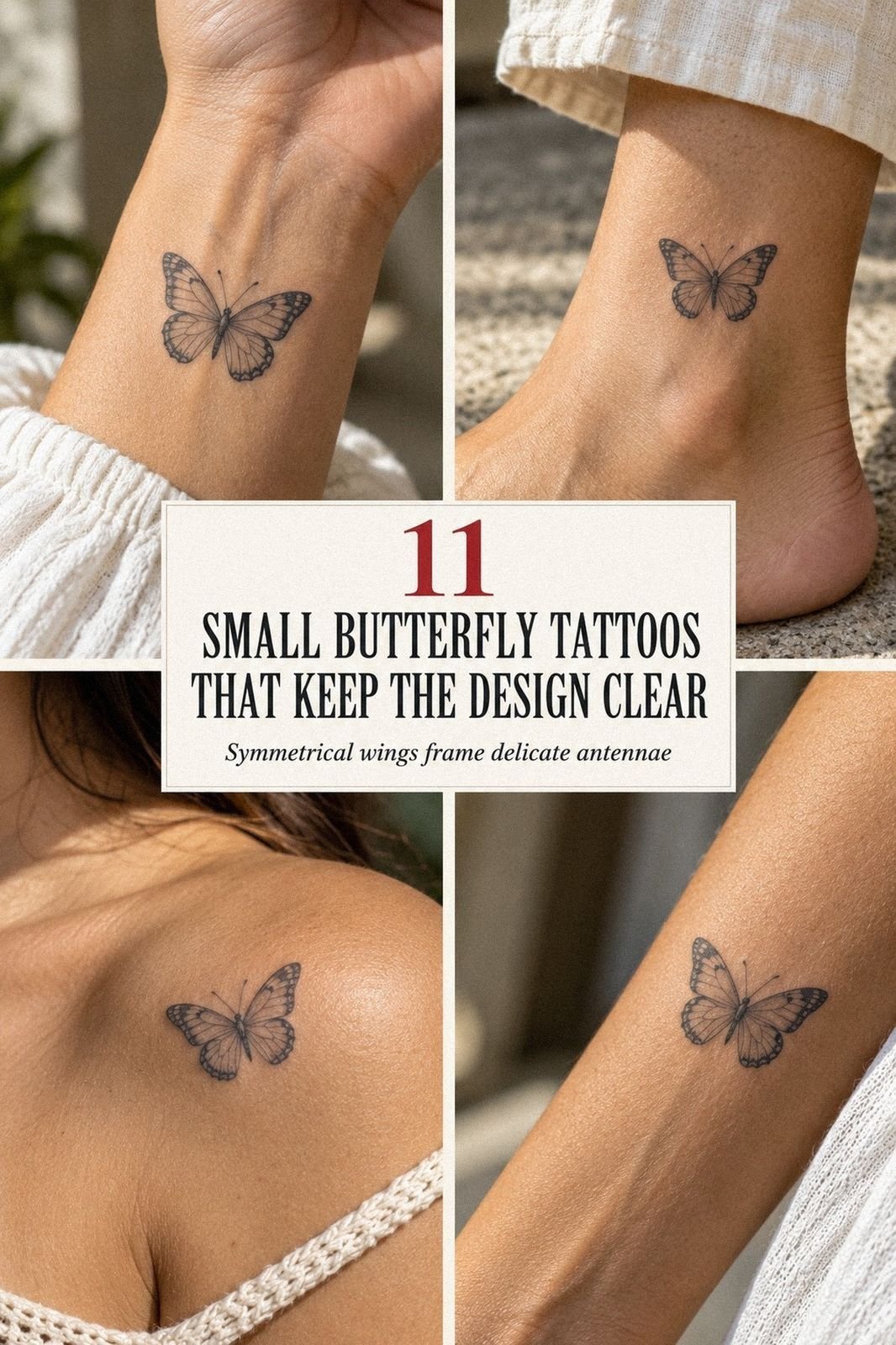
- Butterfly outline — collarbone, shoulder, or upper back. Fine-line butterfly silhouettes are among the most requested small pieces at studios globally.
Animal and Creature Miniatures
- Small cat silhouette — ankle, wrist, or behind ear. Keep it as a clean outline for longevity.
- Dragonfly — shoulder or thigh. The long body and symmetrical wings read clearly even at 2–3 inches.
- Hummingbird in flight — ribcage or shoulder blade. Needs a fine-line specialist to capture the wing detail at small scale.
- Small snake coiled around a finger — finger or wrist. Looks striking but be aware finger tattoos fade faster than other placements.
Placement Guide: Where Small Tattoos Shine
High-Durability Placements
For pieces you want to look great in 10+ years, choose sites with stable skin: upper arm, calf, outer forearm, ribcage (though painful), thigh. These areas see less friction and sun.
Fashion-Forward Placements
- Collarbone — visible in off-shoulder tops, perfectly frames a necklace.
- Behind the ear — discreet with long hair down, beautiful with a bun or updo.
- Inner wrist — personal and glanceable. One of the most popular spots for first tattoos.
- Ankle / top of foot — delicate and feminine. Foot tattoos need careful aftercare due to shoe friction.
Fade-Prone Placements to Approach Thoughtfully
- Fingers and hands (constant movement, water exposure, sun)
- Palms (skin regeneration cycle erases them quickly)
- Lips and face (requires specialist, high-maintenance)
Aftercare for Small Fine-Line Tattoos
Small tattoos heal faster than large pieces — typically 1–2 weeks of surface healing and 3–4 weeks for deeper layers. Critical rules:
- Keep it clean: wash gently twice daily with unscented soap for the first week.
- Moisturise with a fragrance-free cream (Aquaphor, CeraVe) — a thin layer, not thick.
- Avoid sun exposure during healing and use SPF 50+ on healed pieces outdoors.
- No swimming, hot tubs, or prolonged soaking for 3–4 weeks.
- Do not pick at peeling skin — it can pull ink and leave gaps in fine lines.
For authoritative guidance, see the NHS tattoo aftercare guidelines. The Alliance of Professional Tattooists also publishes artist-vetted protocols.
Budget Guide for Small Tattoos
Every reputable studio has a shop minimum — typically $80–120 USD (or equivalent in local currency). This covers the artist’s setup costs regardless of piece size. A simple fine-line sprig or symbol will cost this minimum. Complex miniature botanical work from a specialist can run $200–400 for under 3 inches of design.
Tipping culture: in North America, 15–20% is standard. In the UK and Europe, rounding up generously is appreciated. Always book a consultation first — it’s the best way to get an accurate quote and confirm the artist’s portfolio matches your vision.
Practical Scenarios: Which Small Tattoo Fits Your Life
Scenario 1: Office Environment — Visible But Professional
Many workplaces still have unwritten (or written) policies about visible tattoos. If you work in a conservative environment, the inner wrist is visible to you but easy to cover with a long sleeve or watch. A collarbone tattoo disappears under a standard shirt collar. Behind the ear is invisible in most professional settings unless you wear your hair up. These three placements give you the most flexibility to choose when and to whom you show your tattoo.
Design-wise, a minimal single-needle symbol or a small fine-line botanical sprig reads as a subtle personal accent rather than a statement piece — the ideal profile for workplace-conscious placement. Avoid script in very thin fonts below 8pt scale; it tends to blur within a few years and becomes harder to read, which can look unintentional.
Scenario 2: Your First Tattoo — Managing Nervousness and Pain
First-time clients often underestimate or overestimate pain. Small tattoos on fleshy, low-nerve areas (outer forearm, upper arm, calf) are the most comfortable starting points. The inner wrist is slightly more sensitive due to proximity to veins and tendons; the ribcage is notoriously painful. For a first piece, the outer forearm or shoulder is the sweet spot: accessible to the artist, comfortable for 30–60 minutes of work, and easy to keep clean during healing.
Book a consultation before committing. Explain it’s your first tattoo — any reputable artist will take extra time to walk you through the process, show you healed examples, and adjust the design to suit your pain tolerance and lifestyle. Eat a solid meal beforehand and stay hydrated. Most people find the experience significantly less painful than they anticipated.
Scenario 3: Building a Cohesive Collection of Small Pieces
Many people who get one small tattoo find themselves planning the next. A thoughtful approach from the start saves you from visual chaos later. Consider a consistent thread: all fine-line botanical, or all minimalist black-and-white symbols, or a celestial theme. Keeping placements clustered (one arm, one ankle, collarbone area) allows future pieces to create a visual conversation rather than scattered, unrelated designs.
Talk to your artist about your long-term vision — even if you’re only booking one piece today. A skilled artist will leave intentional negative space and consider how a second or third tattoo might complement the first. This planning phase costs nothing extra and transforms a collection of small tattoos into a personal narrative.
Small Feminine Tattoo Style Comparison
| Style | Best For | Aging | Cost Range |
|---|---|---|---|
| Fine-line botanical | Florals, sprigs, botanicals | Good with care | $100–350 |
| Minimalist single-needle | Symbols, celestial, words | Good (simple shapes) | $80–200 |
| Blackwork with negative space | Geometric, creatures, symbols | Excellent | $100–300 |
| Watercolour (no outline) | Colourful florals | Fair (may spread) | $150–400 |
| Traditional / neo-traditional | Roses, anchors, butterflies | Excellent (bold lines) | $100–250 |
| Illustrative/whimsical | Animals, mushrooms, celestial | Good (medium lines) | $120–300 |
How to Research and Book a Small Tattoo Artist
Finding the right artist for a small feminine tattoo requires a different approach than finding an artist for a bold traditional piece. The specialists you need are almost exclusively online — on Instagram, TikTok, and Tattoodo — rather than in walk-in studios. Search using hashtags like #finelinetattoo, #minimalisttattoo, #botanicaltattoo, and #singleneeedle combined with your city or region. Most fine-line artists have long waitlists; expect to book 2–6 months in advance for established practitioners.
When you find an artist whose work appeals to you, study their feed methodically. Look specifically for: healed photos (usually tagged #healedtattoo — these show what the piece looks like after 2–3 months, not just when fresh and sharp). Check whether their fine lines stay clean and defined after healing, or whether they show early blurring. Read their booking information carefully — many fine-line specialists have specific requirements about design size minimums or style constraints that protect their work quality.
At the consultation, bring a clear reference folder: 3–5 images of the design direction you want, plus notes on placement, size, and any meaningful personal elements. The more specific you are, the better the artist can create something original rather than a generic flash design. A good artist will push back if they feel your design is too small to hold detail — trust their professional judgment. This collaboration produces the best results.
Longevity Tips: Making Your Small Tattoo Last
The single biggest factor in how well a small tattoo ages — beyond artist skill — is sun exposure. UV radiation breaks down tattoo ink, fading colours and degrading black lines to a grey blur over time. Any small tattoo on an exposed area (wrist, collarbone, ankle) should have SPF 50+ applied whenever you’re outdoors after the piece has fully healed. This is not an occasional precaution but a regular habit, especially during summer months.
Moisturisation also matters for long-term viability. Well-hydrated skin holds ink more effectively than dry, cracked skin. A simple fragrance-free moisturiser applied daily to tattooed areas keeps the skin supple and the ink looking vibrant for years longer than neglected skin. Avoid exfoliating directly over fine-line work — physical scrubs and chemical exfoliants (AHAs, BHAs) accelerate the surface turnover that gradually lightens tattoo ink.
Finally, realistic expectations about touch-ups will save you frustration. Fine-line tattoos, by the nature of their delicate linework, tend to need a touch-up session every 5–8 years for high-quality results. Many fine-line specialists include one free touch-up within the first 6–12 months as part of their booking terms — confirm this when booking. Scheduling a touch-up before the piece looks “bad” (while it still looks good but shows early softening) gives the best results, since it’s easier to reinforce existing lines than to reconstruct a piece that has faded significantly.
Looking for larger pieces to complement your small tattoos? Explore our Flower Tattoo Designs guide and our full Tattoo Placement Ideas resource.
Sources: Alliance of Professional Tattooists (APT); NHS — Conditions: Tattoos; Inked Magazine reader survey 2025; Safe Tattooing Practices coalition; Tattoodo community artist insights 2025; Inkbox Tattoo Aftercare Guide.