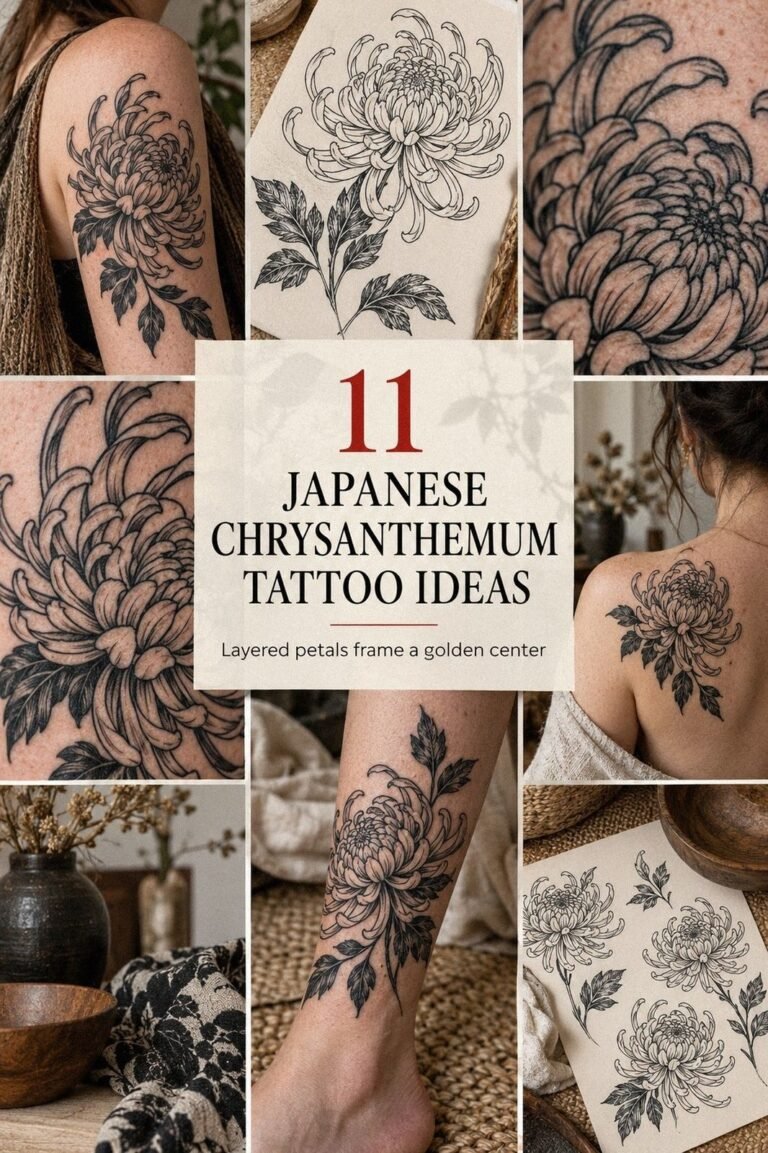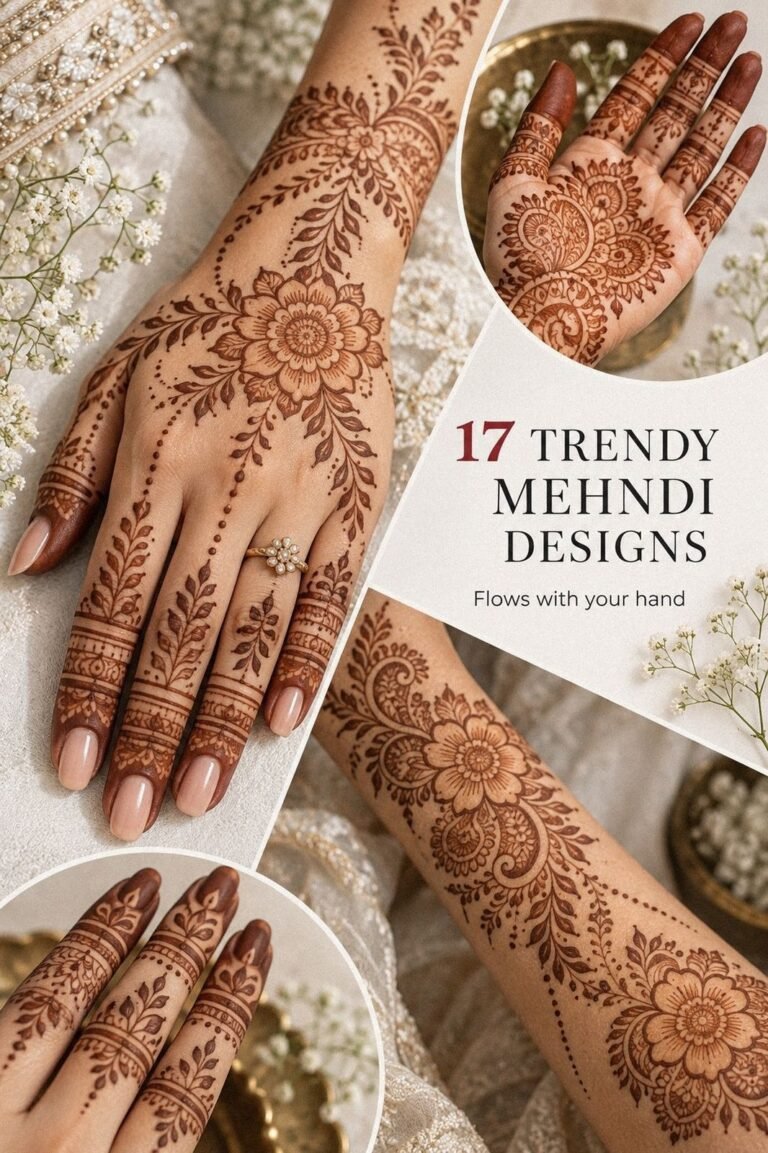
I’ve had clients walk in with screenshots of 500 tattoo designs saved on their phone, scrolling for twenty minutes while I mix ink. It’s overwhelming. The internet dumps endless flash sheets and Pinterest boards on you, but most of those images weren’t drawn for bodies, they were drawn for likes. After fifteen years in shops from Portland to Austin, I can tell you that quantity means nothing if you don’t understand what actually works on skin, what ages well, and what fits your specific canvas. Let’s break down how to think through 500 designs without losing your mind.
Popular Styles That Actually Hold Up
Not every style in those 500 designs is created equal. Some look incredible fresh and muddy up in three years. Others start subtle and settle into something better. Here’s what I see hold up in my chair.
Traditional and Neo-Traditional
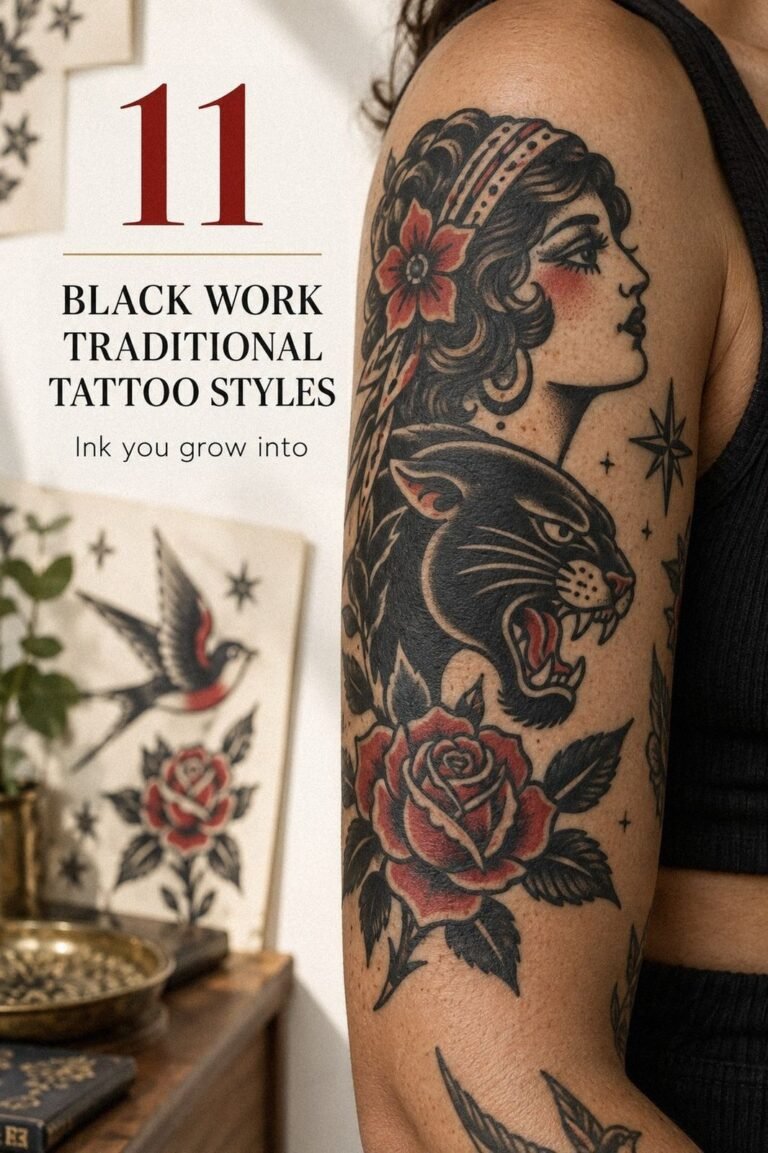
Bold lines. Saturated color. Limited palette. Sailor Jerry knew what he was doing, skin changes, but a solid black outline with red, green, and yellow keeps reading. I’ve tattooed traditional roses that are fifteen years old and still punch across a room. Neo-traditional gives you more detail, more gradient, but the same structural backbone. If you’re scrolling through 500 designs and keep pausing on bold, graphic stuff, trust that instinct. Your future self will thank you.
Blackwork and Dotwork
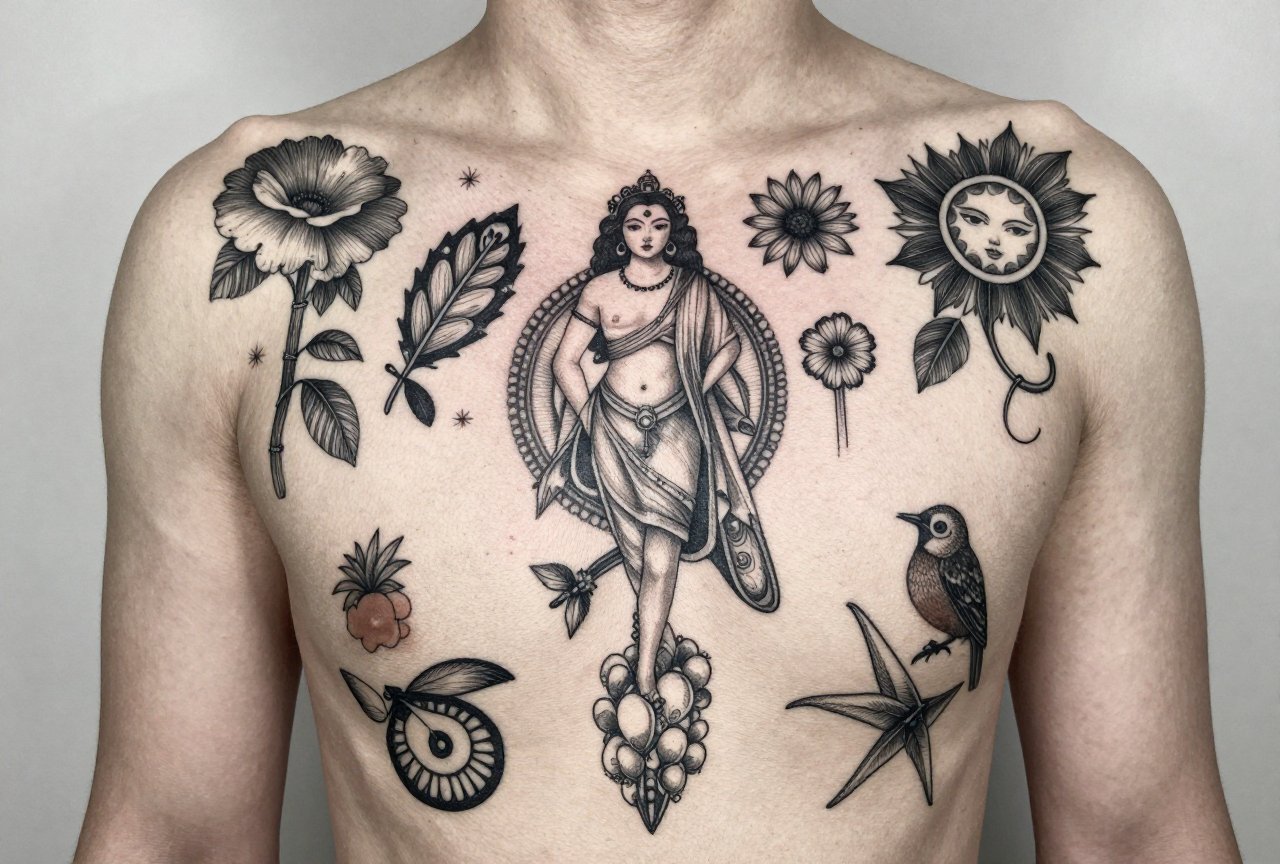
These age like iron. No color to fade, just density and pattern. Mandalas, geometric sleeves, ornamental chest pieces, I’ve watched blackwork settle into skin and become part of the person. Dotwork is slower to tattoo, more sessions, but the texture it creates is unmatched. One caveat: thin dotwork lines can spread. Make sure your artist has healed photos of their dotwork, not just fresh shots.
- Traditional: bold outlines, limited color, proven longevity
- Neo-traditional: expanded palette, more detail, same structural integrity
- Blackwork: maximum contrast, minimal fading, graphic impact
- Dotwork: textural depth, requires experienced hand, longer sessions
- Japanese: large-scale storytelling, specific rules, incredible aging
Design Ideas Beyond the Obvious
Everyone’s 500 designs folder has roses, skulls, wolves, and geometric animals. Nothing wrong with that. But some of the best tattoos I’ve done came from weirder starting points.
Found Objects and Personal Ephemera
A client brought me her grandmother’s handwritten pie recipe on a stained index card. We blew it up, worked the flour smudges into the design, tattooed it across her ribs. Another guy brought a cassette tape his brother made him in 1994, the handwritten tracklist, the wrinkled J-card. These aren’t generic symbols. They’re specific memories made physical. When you’re drowning in 500 designs, try starting with an object from your actual life instead of a stock image.
Abstract and Non-Representational
Not every tattoo needs to “mean” something literal. I’ve done brushstroke sleeves, color field pieces, pure composition work. One collector has a back piece that’s just three colors bleeding into each other, no object, no symbol, just feeling. Abstract work ages beautifully because there’s no “read” to lose. It doesn’t become “unreadable” the way a tiny portrait might.
- Handwritten notes or documents from family
- Maps of meaningful locations, not just coordinates
- Sound waves of actual voices (test the playback first, some apps lie)
- Botanical specimens from your garden, not generic flowers
- Abstract color fields based on specific moments or emotions
Best Placements for Complex Collections
So you’ve got 500 designs and want more than one. Placement strategy matters. I tell clients: think about your body like a gallery, not a scrapbook.
Large-Scale Canvases
Back, chest, thighs, full sleeves. These are where complex 500-design concepts actually breathe. A full back piece can tell a story. A sleeve can shift from one style to another with transition moments. I’ve done sleeves that start traditional at the wrist and dissolve into abstract brushwork at the shoulder, two “designs” that become one piece. Trying to cram that complexity onto a wrist or ankle just frustrates everyone.
Small Spots That Punch Above Their Weight
Behind the ear, fingers, side of the neck, sternum. These spots hurt more, fade faster, and limit detail. But they’re intimate. I love doing one bold symbol in these spots, something simple enough to read at two inches. A single kanji (if you actually know the language, please), a small heart, a number. Don’t try to squeeze your 500-design masterpiece into a finger. Pick one element and let it be enough.
- Back/chest: maximum detail, storytelling potential, easiest healing
- Thighs: large canvas, less pain, easy to hide or show
- Upper arms: classic sleeve foundation, versatile
- Fingers/hands: high visibility, fast fading, social and professional considerations
- Ribs/sternum: painful, intimate, curves complicate design
Color Choices: What Lasts vs. What Fades
Color is where 500 designs often lie to you. That pastel watercolor piece with no outline? Gorgeous on screen. On skin, in five years, it’s a blurry suggestion. I’ve had to cover up so many watercolor butterflies that looked like bruises by year three.
The Reliable Palette
Black, of course. Dark blues. Deep reds. Forest greens. These pigments have decades of proven stability. I mix my own blacks, some artists prefer triple black, some like dynamic with a touch of blue. Yellows and oranges are trickier; they can fade to almost nothing. White is technically a highlight, not a color, and it yellows or disappears depending on skin tone.
Skin Tone as Canvas
This is real talk we have in shops. On darker skin, color reads differently. Bright pigments can look neon. Some colors disappear entirely. I always test swatches on clients with melanin-rich skin, small dots in the desired palette, let them heal, see what stays. It’s extra time, extra session, but it’s honest. Any artist who says “color works the same on everyone” is either inexperienced or lying.
- Black and dark blue: most stable, best contrast on all skin tones
- Red: holds well but can shift tone as it ages
- Yellow/orange: fades fastest, needs bold application, frequent touch-ups
- White: works as highlight, rarely stands alone, changes with skin undertones
- Neon/UV: gimmicky, unproven long-term, most artists avoid
Tips for Choosing From 500 Designs
Here’s what I actually say to clients when they’re stuck between too many options.
Wait Six Months
Seriously. Save the image. Set a calendar reminder. If you still want it in six months, that’s data. I’ve had people “absolutely need” a design that they can’t remember by Christmas. The ones that stick? Those are worth your skin.
Print It, Tape It, Live With It
Print your top three at actual size. Tape them where you’d get tattooed. Look at them every morning. Show them to friends who’ll be honest. The design that keeps working in real life, not just on your phone at 2am, is the one.
Find the Artist First, Not the Design
This is the biggest shift. Stop collecting 500 random images. Find three artists whose healed work you love. Book consultations. Let them design for your specific body. The best tattoos I’ve done weren’t in anyone’s Pinterest folder before we drew them. They came from conversation, from measuring actual limbs, from understanding how this person moves.
- Let designs marinate, impulse tattoos rarely age well emotionally
- Test size and placement with temporary prints
- Prioritize artist compatibility over image perfection
- Ask to see healed work, not just fresh photos
- Budget for the artist you want, not the price you hoped
Final Thoughts
Those 500 tattoo designs in your camera roll? They’re starting points, not endpoints. The best work I’ve done started with a conversation, not a screenshot. Skin is alive. It stretches, scars, tans, ages. What works is what respects that reality, bold enough to last, personal enough to matter, placed by someone who understands how bodies actually move. Take your time. The right design will still be there when you’re ready. And when you are, find an artist who makes you feel like you’re in good hands, because you literally will be.
Frequently Asked Questions
How do I know if a design will look good on my specific body shape?
Bring it to a consultation. A good artist will measure your placement, check how the design flows with your muscle structure, and redraw it to fit. What looks flat on paper curves differently on a shoulder or calf. I always trace and adjust before we commit to stencil.
Should I get multiple small tattoos or one big piece if I like lots of designs?
Think about cohesion. Random small tattoos can look like a sticker collection. If you truly want 500 designs’ worth of ideas, consider a sleeve or large back piece that incorporates multiple concepts into one flowing composition. It’s more planned, more impactful, and ages better visually.
Is it okay to combine different tattoo styles in one piece?
Yes, but carefully. Transition zones matter. I’ve blended traditional and realism with ornamental bridging elements. The key is having an artist who understands both styles and can create visual logic between them. Don’t just mash two Pinterest images together.
How much should I expect to spend on a complex custom design?
Good work isn’t cheap and cheap work isn’t good. Large custom pieces often run hundreds per session, with multiple sessions. I charge by the piece for smaller work, by the day for large projects. Budget for quality, plan for multiple sessions, and never haggle like you’re at a flea market. This is permanent.
More Tattoo Ideas
- Girlish Tattoo Designs That Actually Work
- Realistic Heart Tattoos: Complete Style Guide
- Traditional Ship Tattoos: A Complete Guide
- Explore more