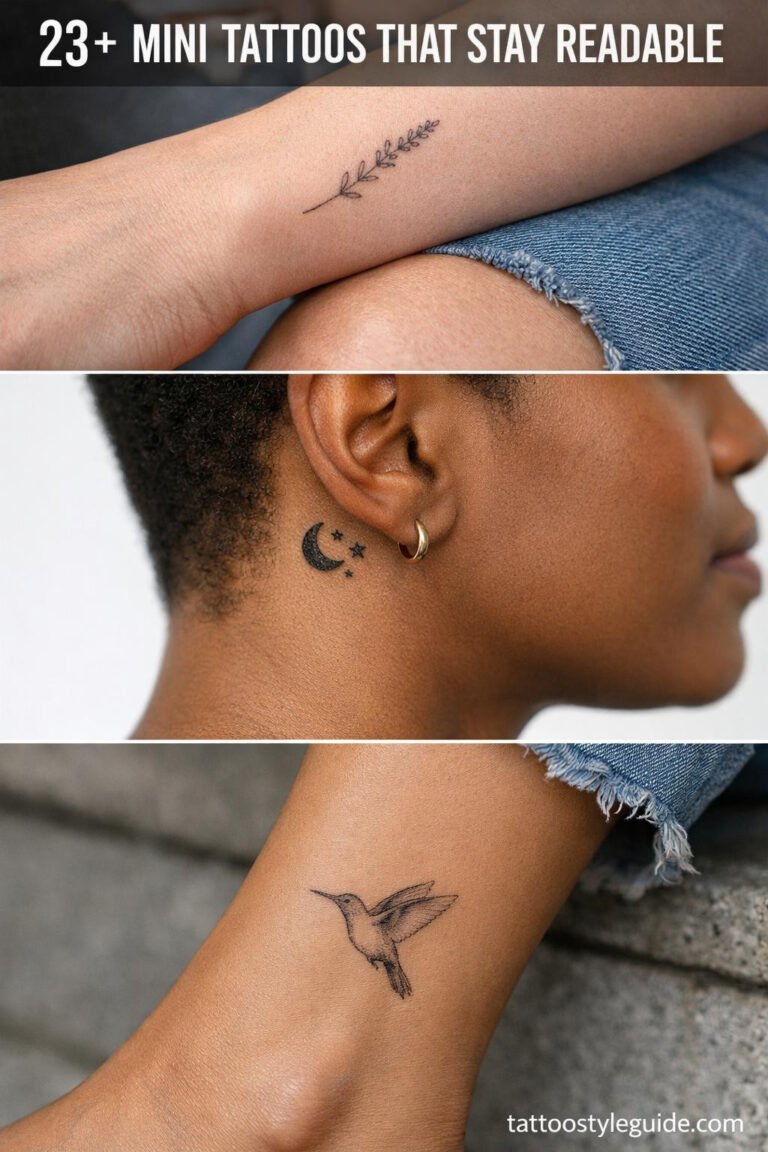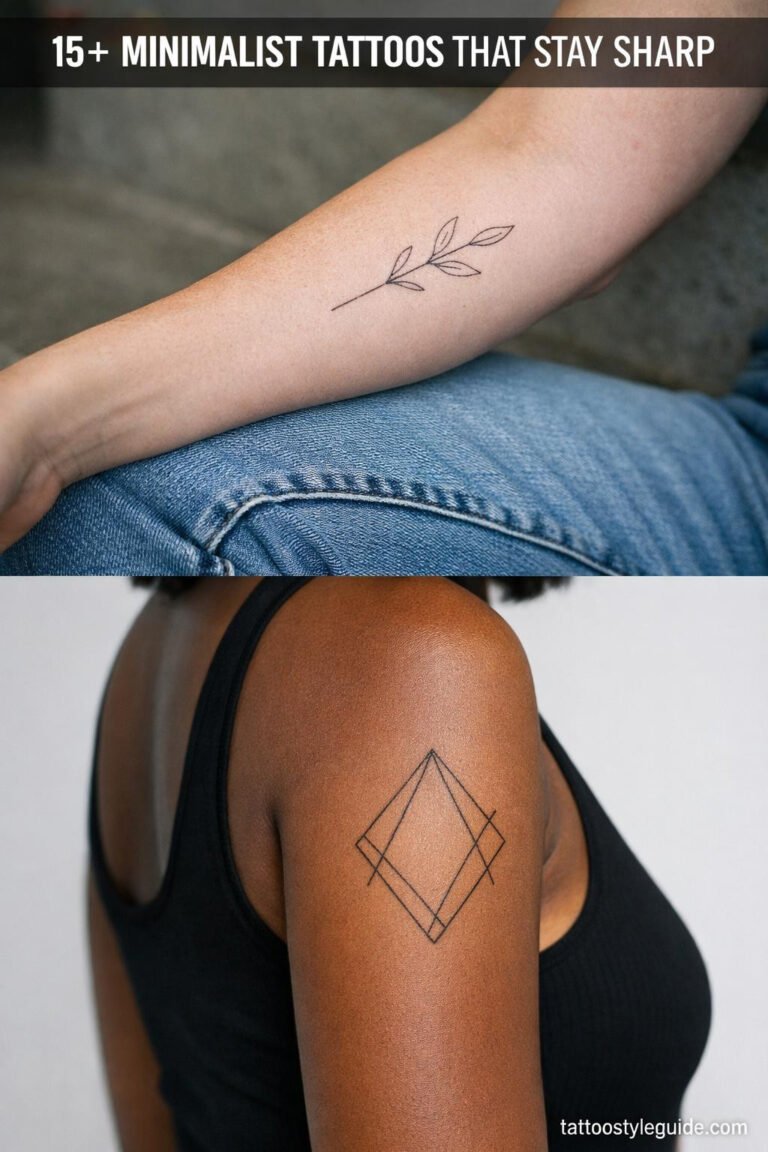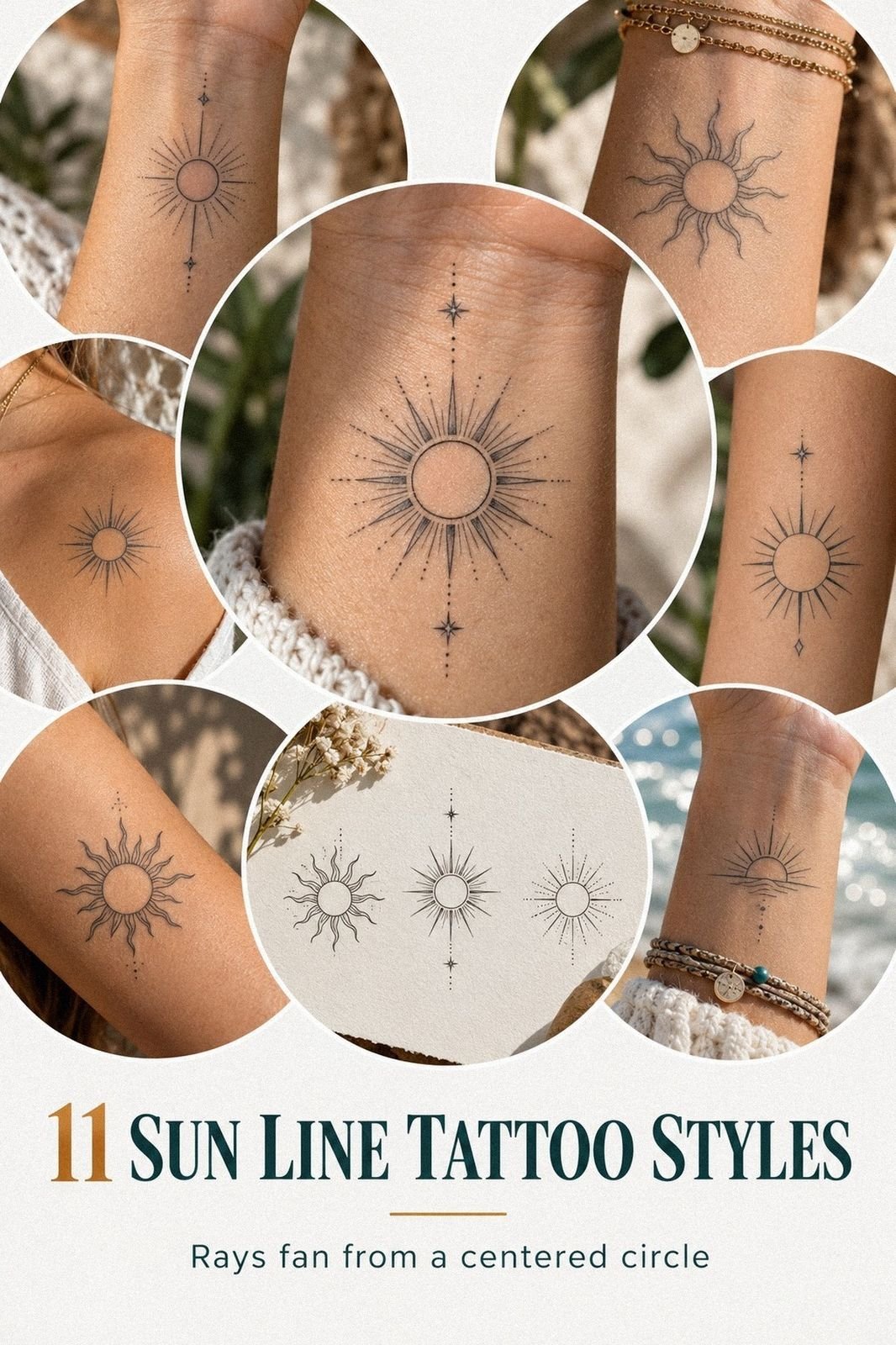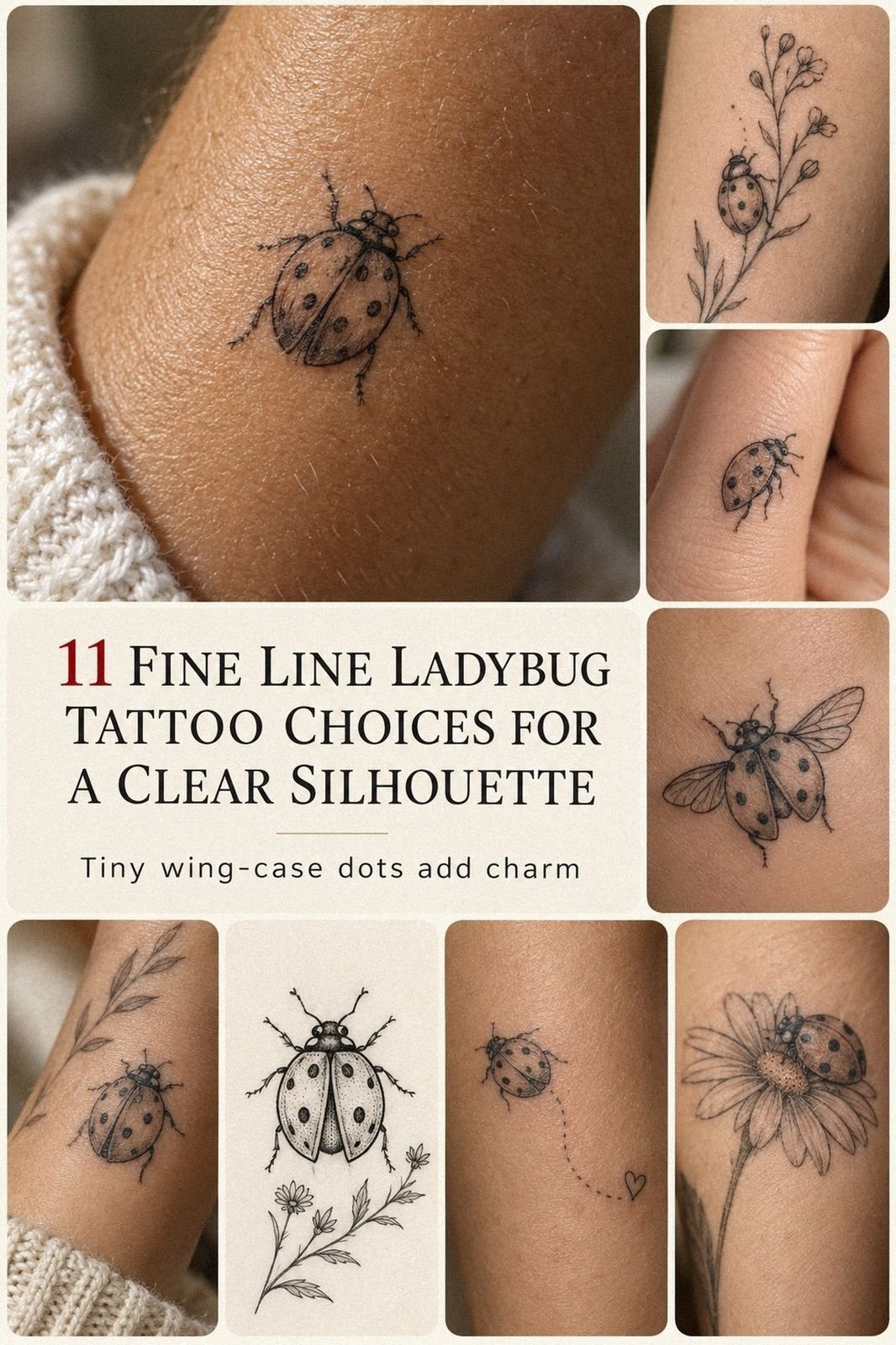
Small tattoos for men stay crisp when you give the design enough breathing room, choose a lower-wear placement, and stop chasing microscopic detail. I’ve watched good ideas turn into fuzzy soup because somebody wanted a whole life story inside one inch. Keep it clean. Let the ink do its job.
- Start With A Tiny Symbol You Can Explain
- Pick Fine Line Designs For Clean Detail
- Choose Finger Tattoos With Simple Bold Shapes
- Place Small Hand Tattoos Away From High-Friction Areas
- Match Tattoo Size To Your Body Placement
- Plan Meaningful Tattoos Around Personal Milestones
- Test Minimalist Tattoo Ideas In Temporary Ink
- Select Blackwork Symbols That Read At Small Scale
- Compare Wrist, Forearm, And Ankle Visibility
- Keep Lettering Short For Lasting Legibility
- Avoid Tiny Details That Blur During Healing
- Ask Artists For Fresh Small-Tattoo Portfolio Examples
- Budget For Touch-Ups On High-Wear Placements
- Follow Aftercare Closely Through Complete Healing
1Start With A Tiny Symbol You Can Explain
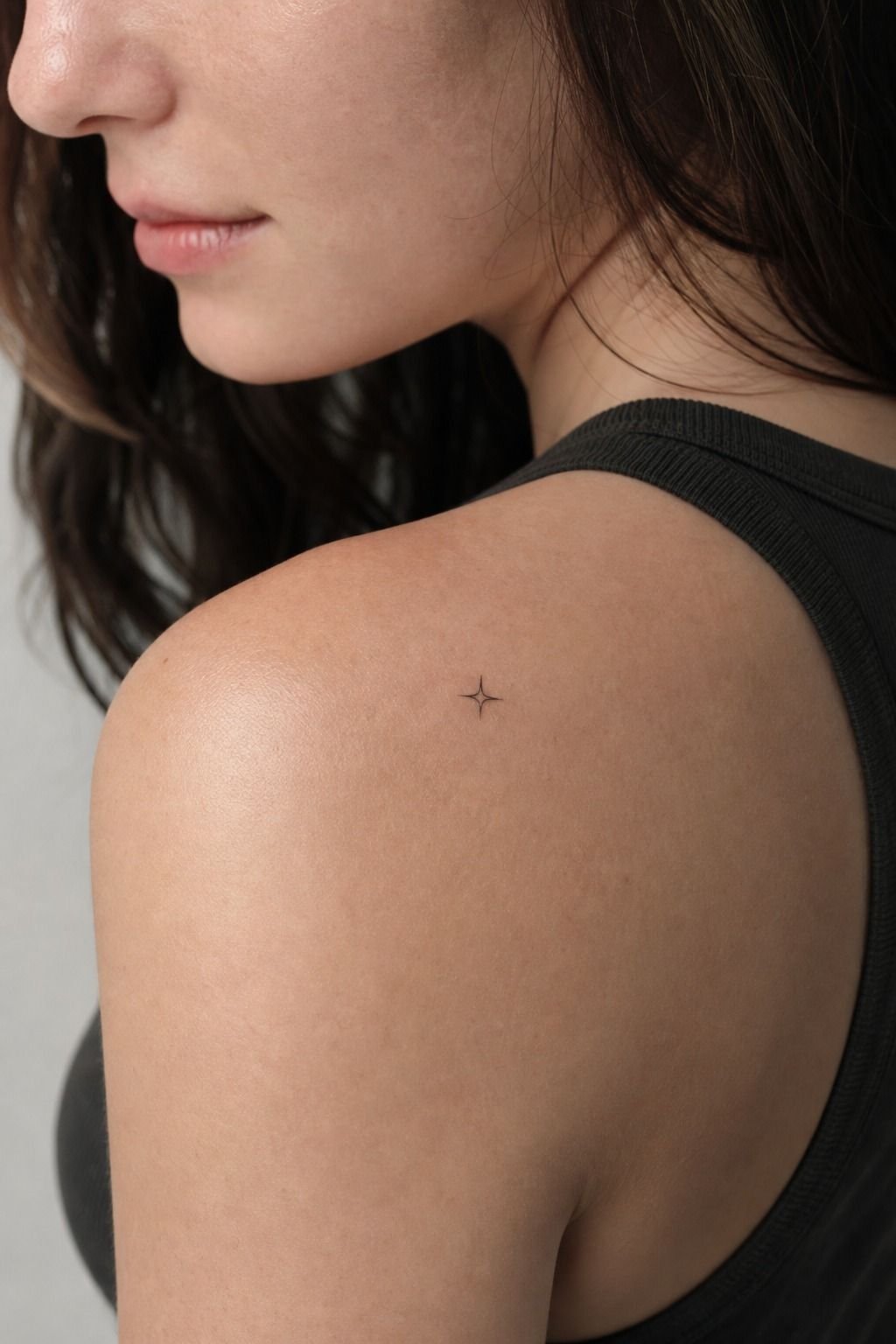
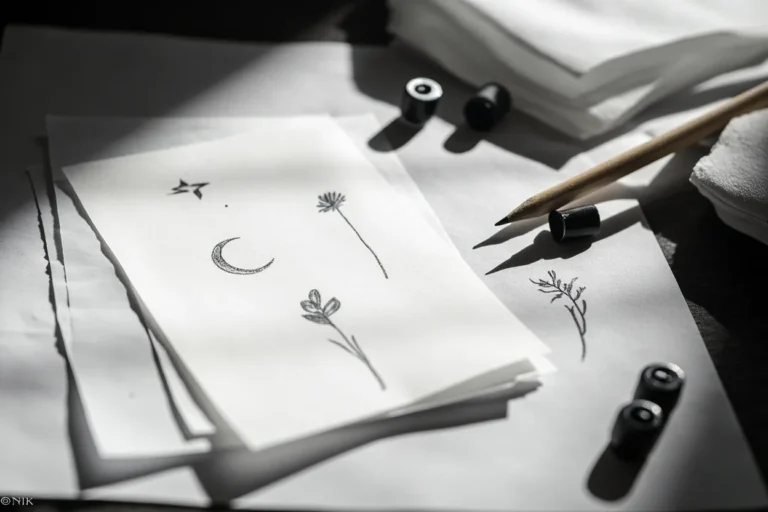
Start with one symbol you can explain without launching into a TED Talk. On a cool-pink shoulder, a small star, date, initial, wave, or single botanical stem can sit soft and intentional while still reading from across the room.
Give your artist a reference for mood, then tell them the actual meaning. You don’t need Pinterest-exact placement or line weight. I’d skip a random “aesthetic” symbol if you can’t picture it on your skin in five years, because a tiny tattoo has nowhere to hide.
For a shoulder piece, ask for roughly 1 to 2 inches of clear space around the main mark. Dynamic Black ink gives a clean black line, but your artist’s hand matters more than the bottle. You want one confident pull, not ten fuzzy ones.
If you want more ideas that carry personal weight, look through these small meaningful tattoos. Your first small piece doesn’t need to be loud. It needs to feel like yours.
2Pick Fine Line Designs For Clean Detail
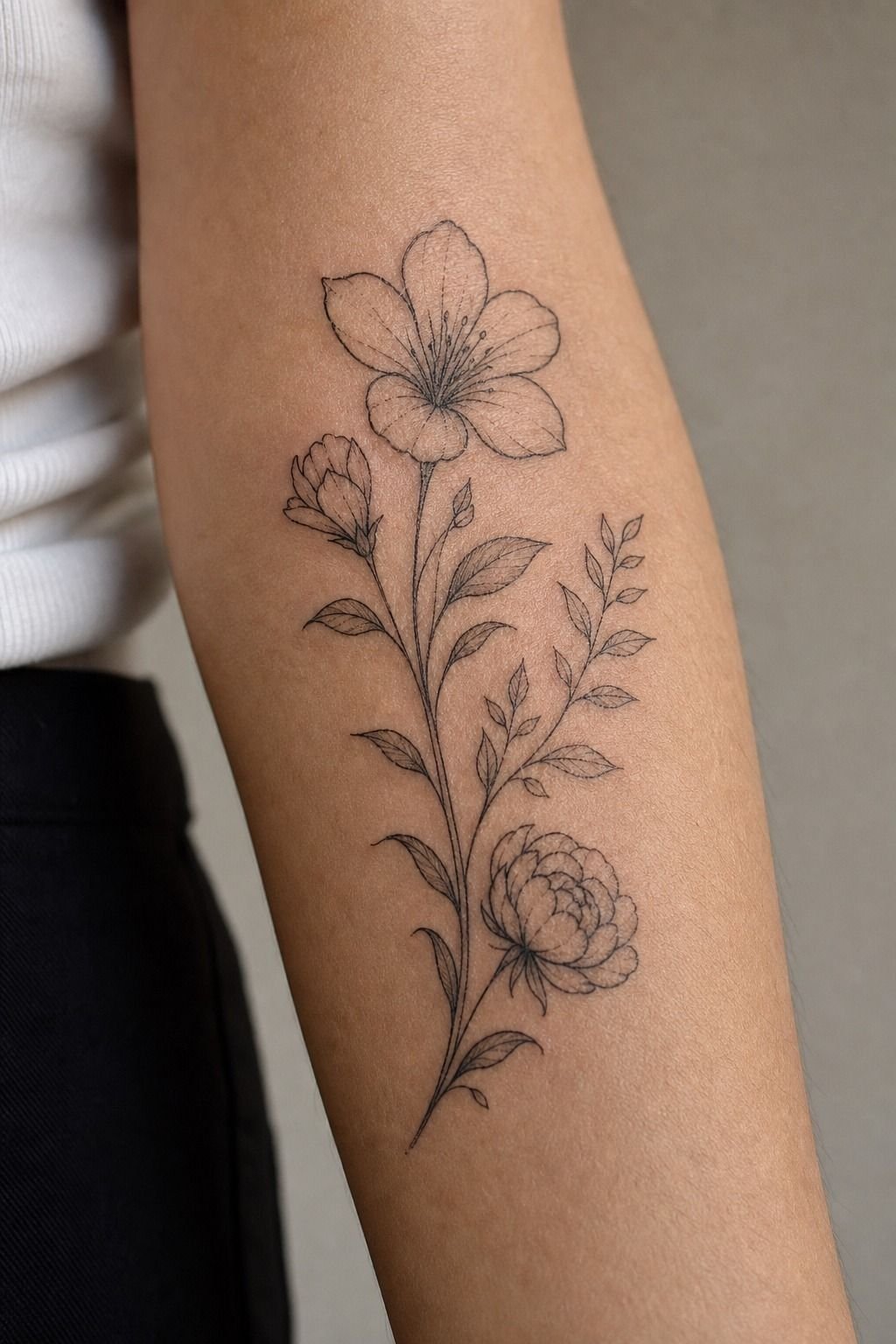
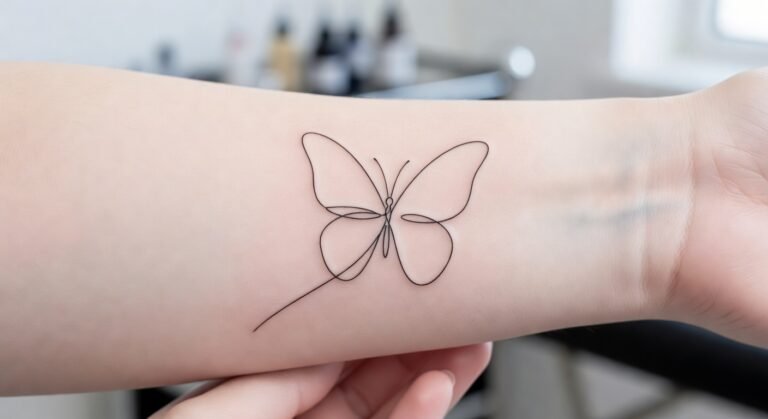
Pick fine line designs with a clear silhouette first, then add detail only where it earns its place. On an inner forearm, a single-needle leaf, tiny compass, or narrow dagger can look refined because the skin gives it a long, calm runway.
Fine line isn’t fragile. Bad planning is.
You’ll want the outer contour slightly stronger than the interior marks, especially if the tattoo is under 2 inches. A few soft pepper-shaded details can work, but a full miniature illustration is asking to heal flat.
I use the “two-distance check.” If you can’t understand the design from arm’s length and then again from a phone-photo distance, it needs simplifying. Your artist should show you the stencil at size, not just enlarged on an iPad.
Cheyenne single-needle cartridges can make crispy lines, but they don’t rescue a design with too many tiny gaps. Keep the negative space airy. Your skin will thank you.
3Choose Finger Tattoos With Simple Bold Shapes
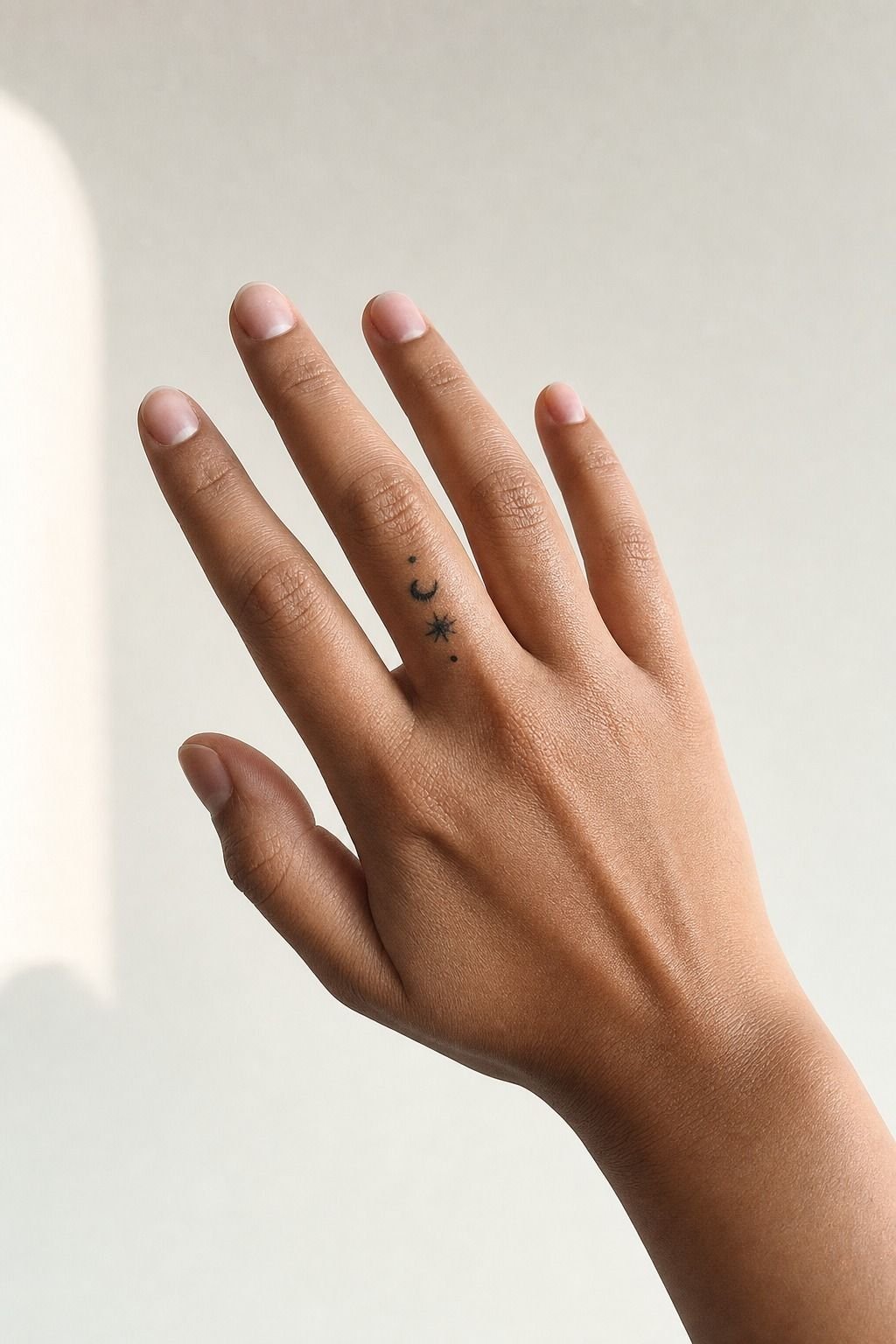
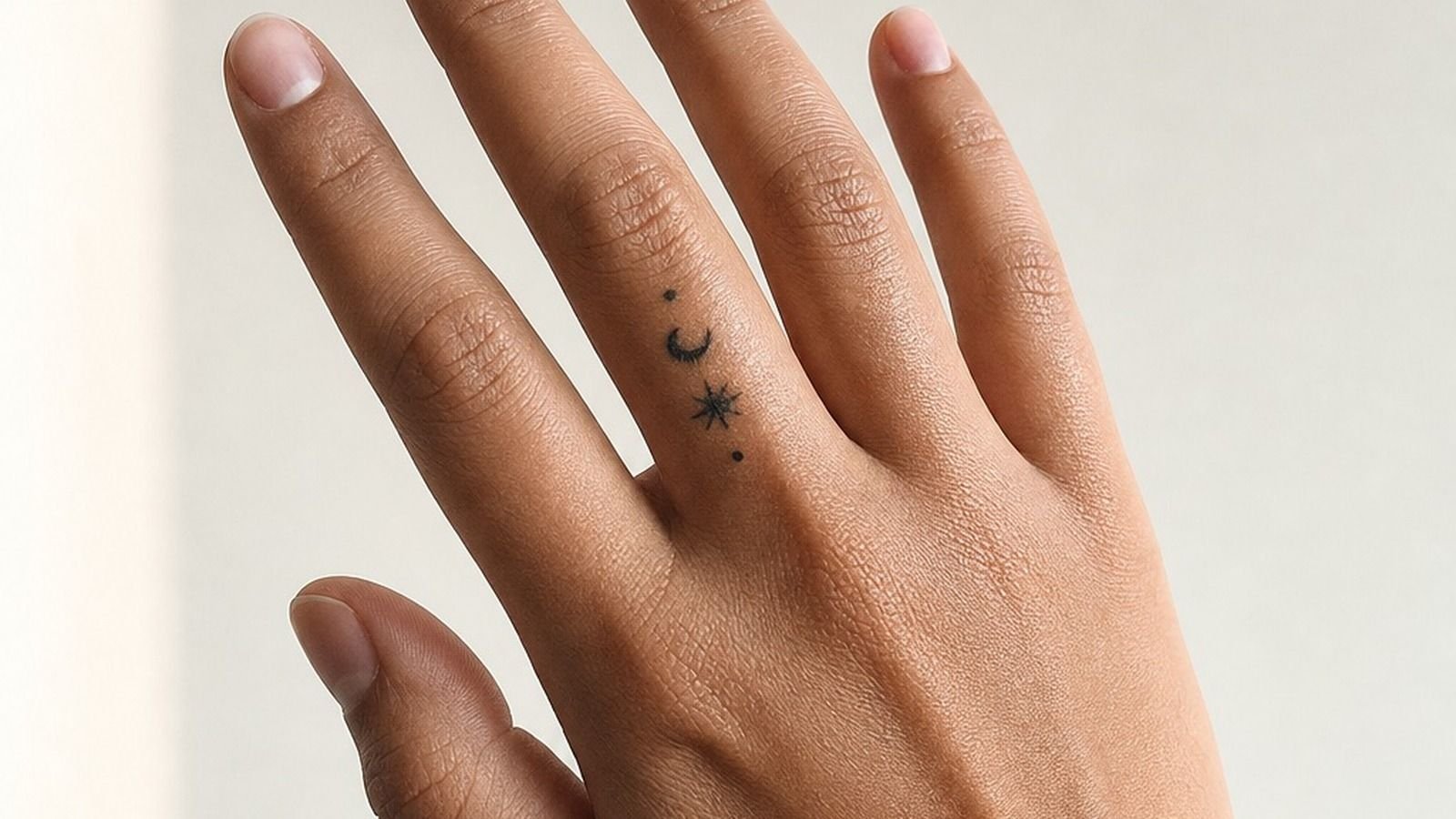
Choose finger tattoos with simple bold shapes, because fingers are high-wear zones and they get chewed up fast. A healed symbol on olive skin can look sharp, but only if it’s built from solid shapes: a dot, ring, tiny cross, lightning bolt, or clean initial.
Your finger bends, rubs, washes, and sheds skin all day. That’s the deal. I’d skip tiny script along the side of a finger because it fades unevenly and turns scratchy before the rest of your tattoos have even settled.
Black is your best friend here. A compact blackwork mark with Eternal Ink Triple Black has better odds than pale grey wash or delicate red. You may still need a touch-up, and that isn’t an artist failure if the placement is doing placement things.
Want to see what holds better at this scale? Compare these small finger tattoos before you commit. Bold will hold!
4Place Small Hand Tattoos Away From High-Friction Areas
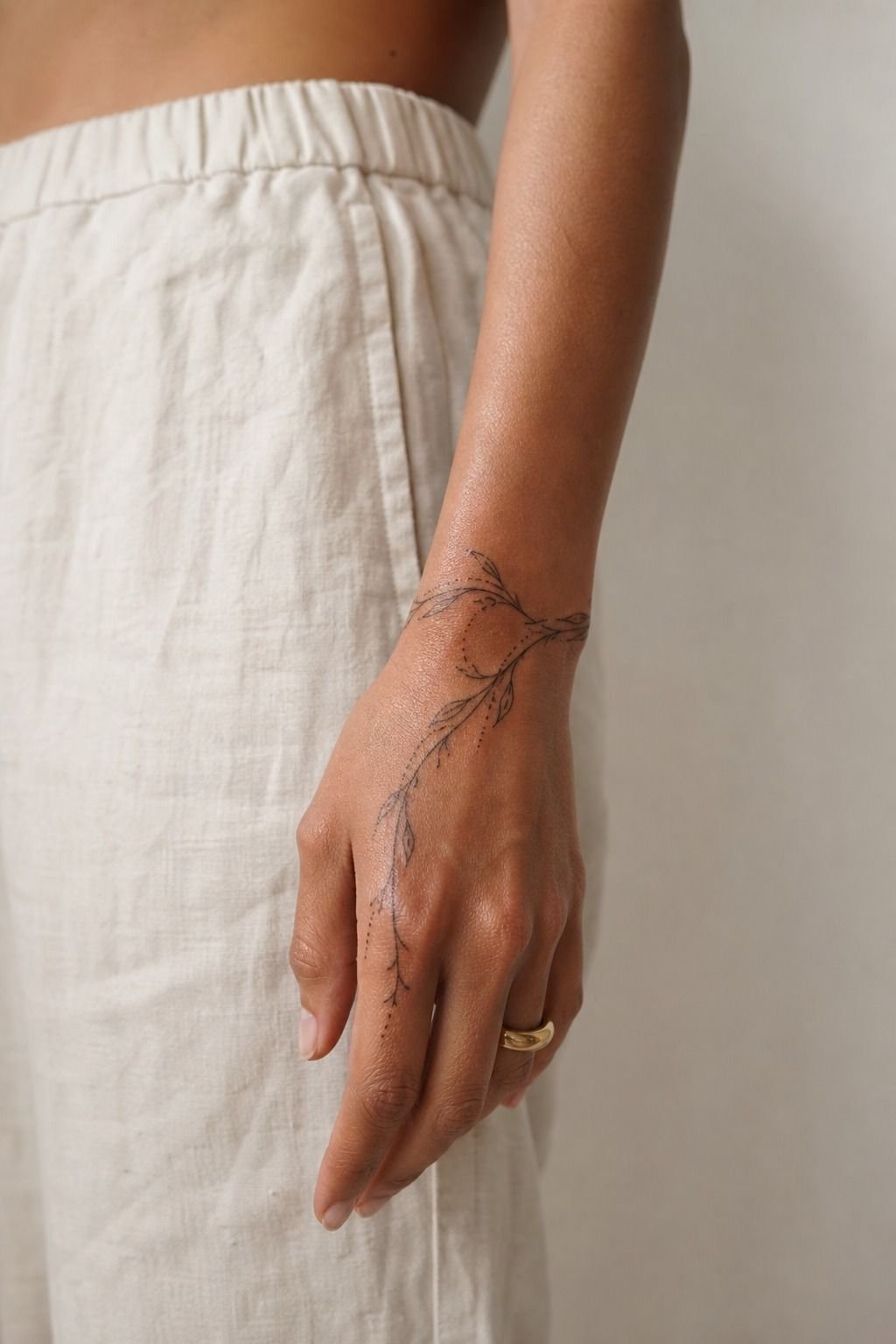
Place small hand tattoos away from the knuckles, palm edge, and the crease where your thumb meets your hand. A fine line piece that wraps the upper hand can follow the anatomy nicely, especially if it sits closer to the metacarpals than the joints.
That placement gives your design more stable skin. Your hand still gets sun and soap, sure, but you aren’t forcing delicate ink into a fold that constantly stretches. Think upper hand, outer side, or a small mark between the thumb and wrist rather than directly on a knuckle.
But don’t let “small” mean cramped. That size on a hand is gonna mush out if every line touches. Leave a little open skin between elements so your tattoo can breathe and age nicer.
For more placement-specific references, check these small behind-the-ear tattoos. Different zone, same rule: high-friction placements demand simple shapes and realistic expectations.
5Match Tattoo Size To Your Body Placement
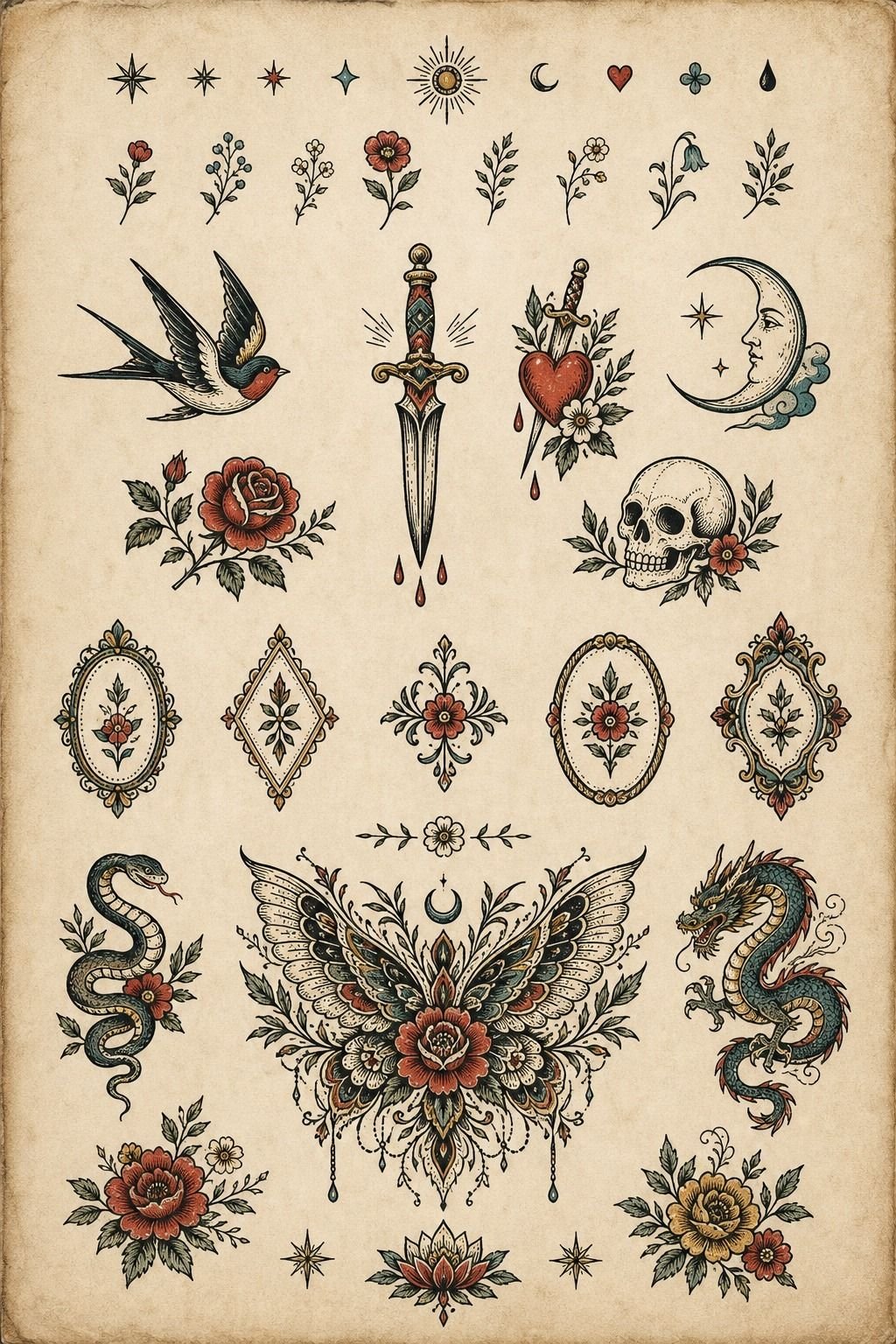
Match tattoo size to the body part before you fall in love with the drawing.
6Plan Meaningful Tattoos Around Personal Milestones
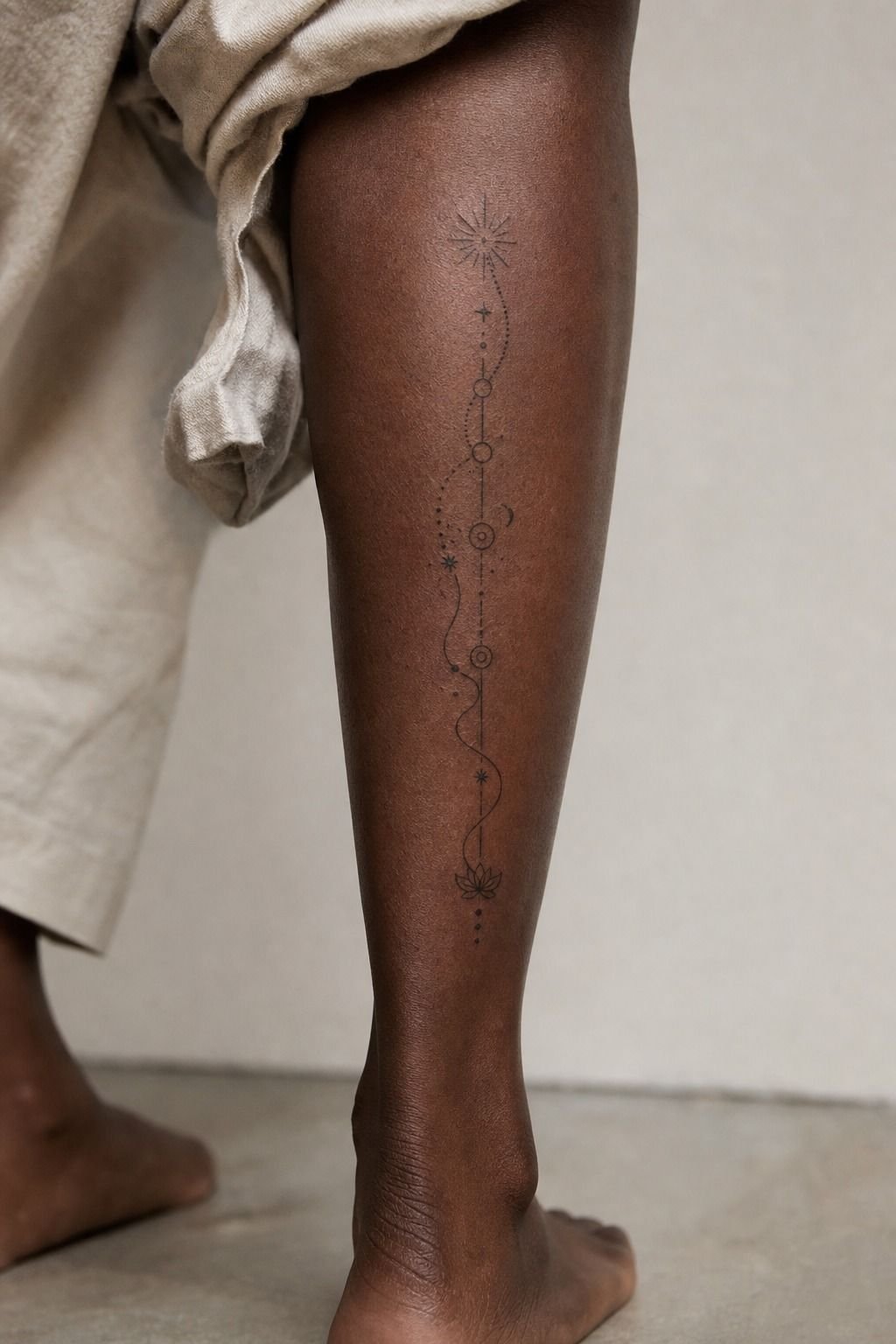
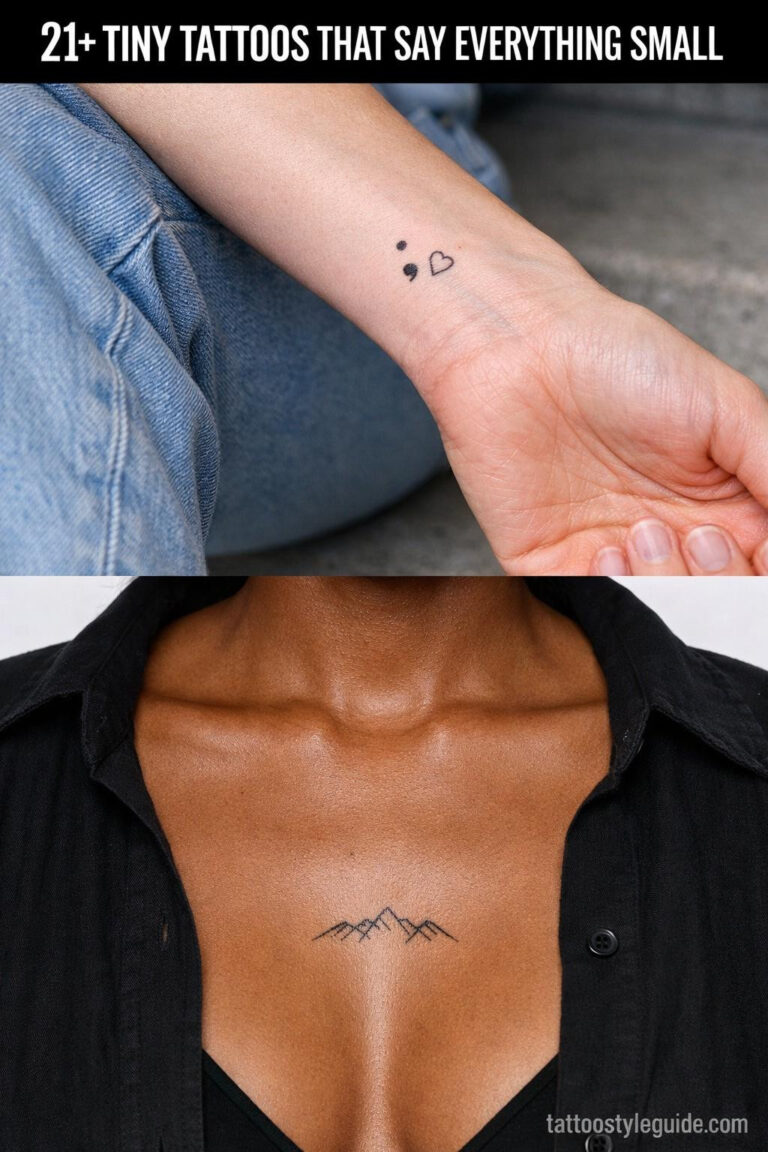
Plan meaningful tattoos around a specific milestone, then reduce the story to one visual cue. On a deep ebony calf, a date in clean numerals, a birth-flower outline, or a small coordinate line can read calm and timeless without needing a paragraph underneath it.
You don’t need to tattoo every part of the memory. Pick the piece that still makes sense if nobody else knows the backstory.
A small mountain for a move, a year for a child, a simple outline for someone you miss. That’s enough.
The calf is a forgiving choice if you want your first meaningful tattoo. It’s usually more tolerable than ribs, feet, hands, or sternum, and it has room for a 2- to 4-inch design that won’t feel crowded. And you can cover it when you need to.
I’d choose a simple black-and-grey design over a busy collage here. World Famous Ink Blackout heals dark and solid when it’s applied well, while too many pale details can disappear into the story you were trying to preserve.
Browse small meaningful tattoos if you need a starting point, then make the final design personal.
7Test Minimalist Tattoo Ideas In Temporary Ink
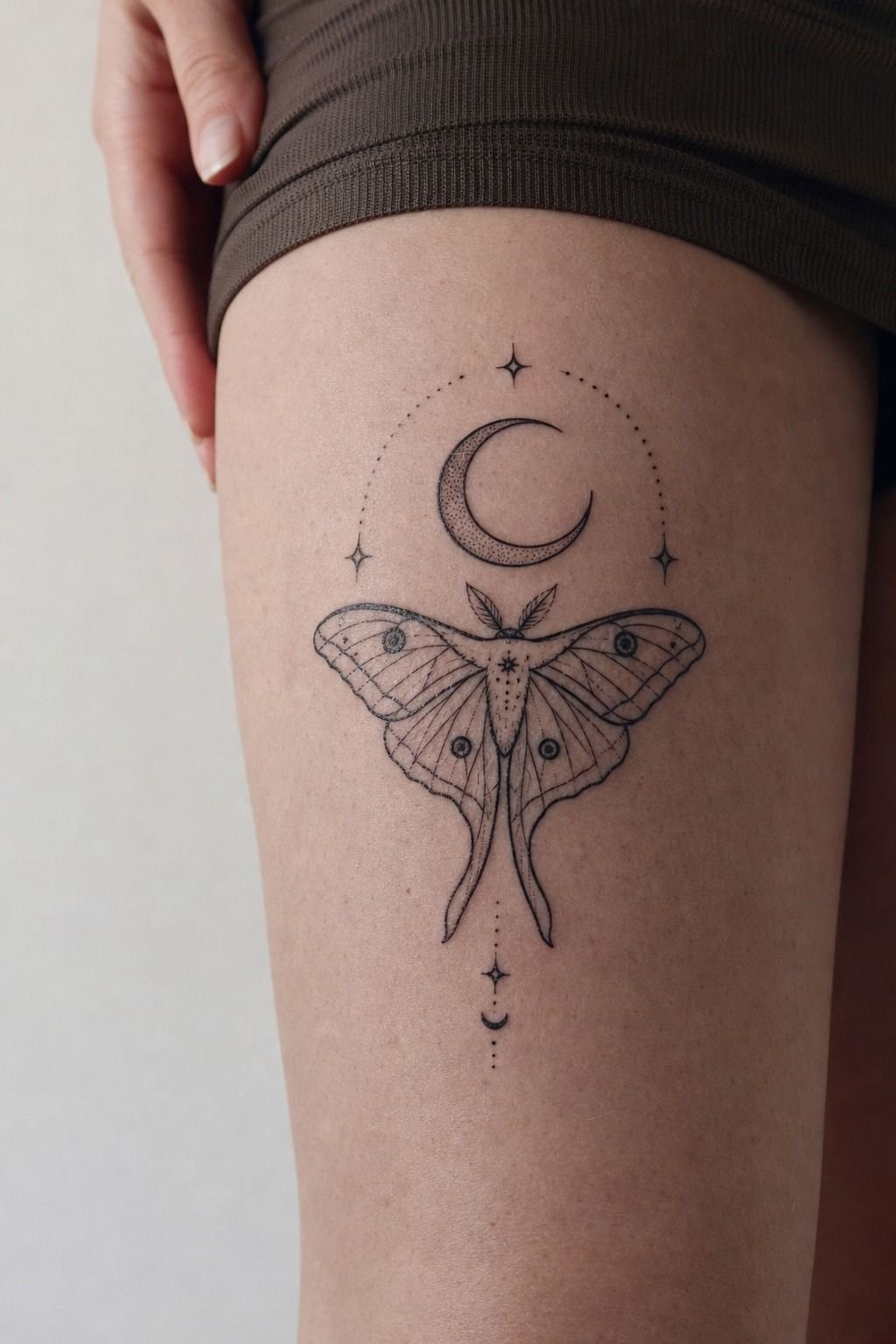
Test minimalist tattoo ideas in temporary ink before booking, especially on a thigh or other large, low-wear area.
8Select Blackwork Symbols That Read At Small Scale
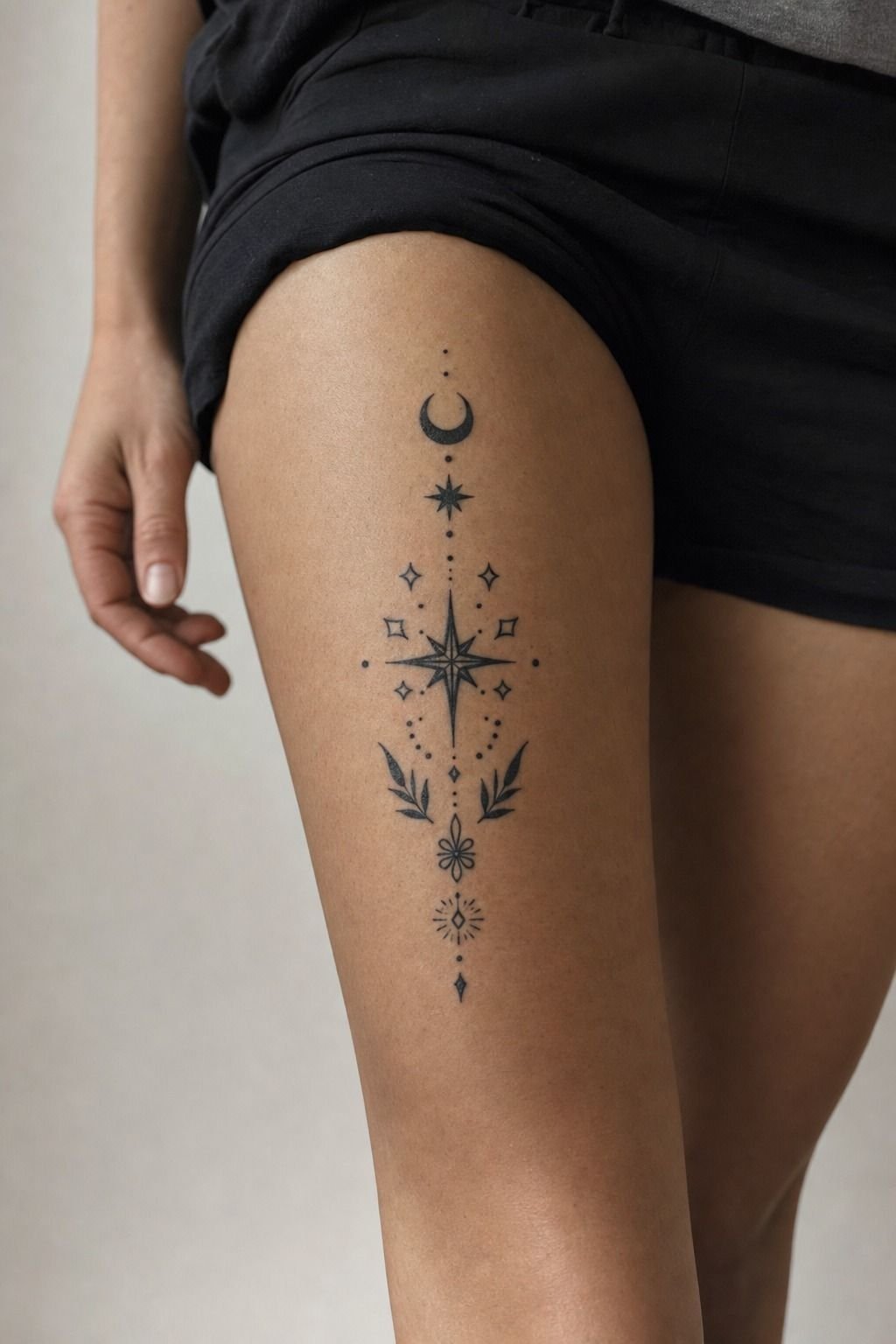
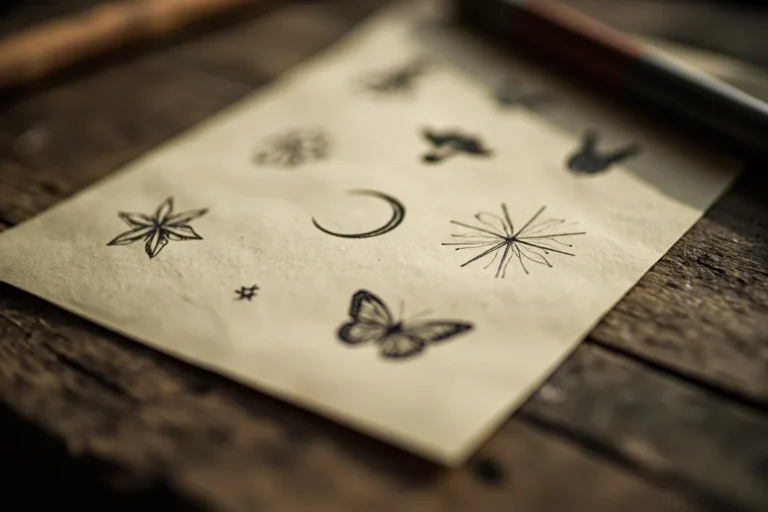
Select blackwork symbols with a strong outer shape and one clear interior cutout. A black sun, solid flame, crescent, moth silhouette, or compact abstract mark can look dramatic on a thigh because the contrast stays visible after the skin settles.
This is my Black-Shape Test: cover the tiny interior details with your thumb. If the tattoo still reads, you’ve got a solid foundation. If it becomes an unrecognizable smudge, your artist needs to redraw it.
Blackwork doesn’t mean every part has to be packed solid. Negative space makes the shape breathe. A small black sun with clean rays can feel modern and refined; a tiny galaxy full of dots, stars, planets, and text will become soup.
Ask your artist whether they’ll use a larger magnum for solid fill. FK Irons Flux Max paired with a quality mag can help lay down saturated black without overworking the skin. Your artist should get it bright in a solid pass, not scratch at it fifty times.
9Compare Wrist, Forearm, And Ankle Visibility
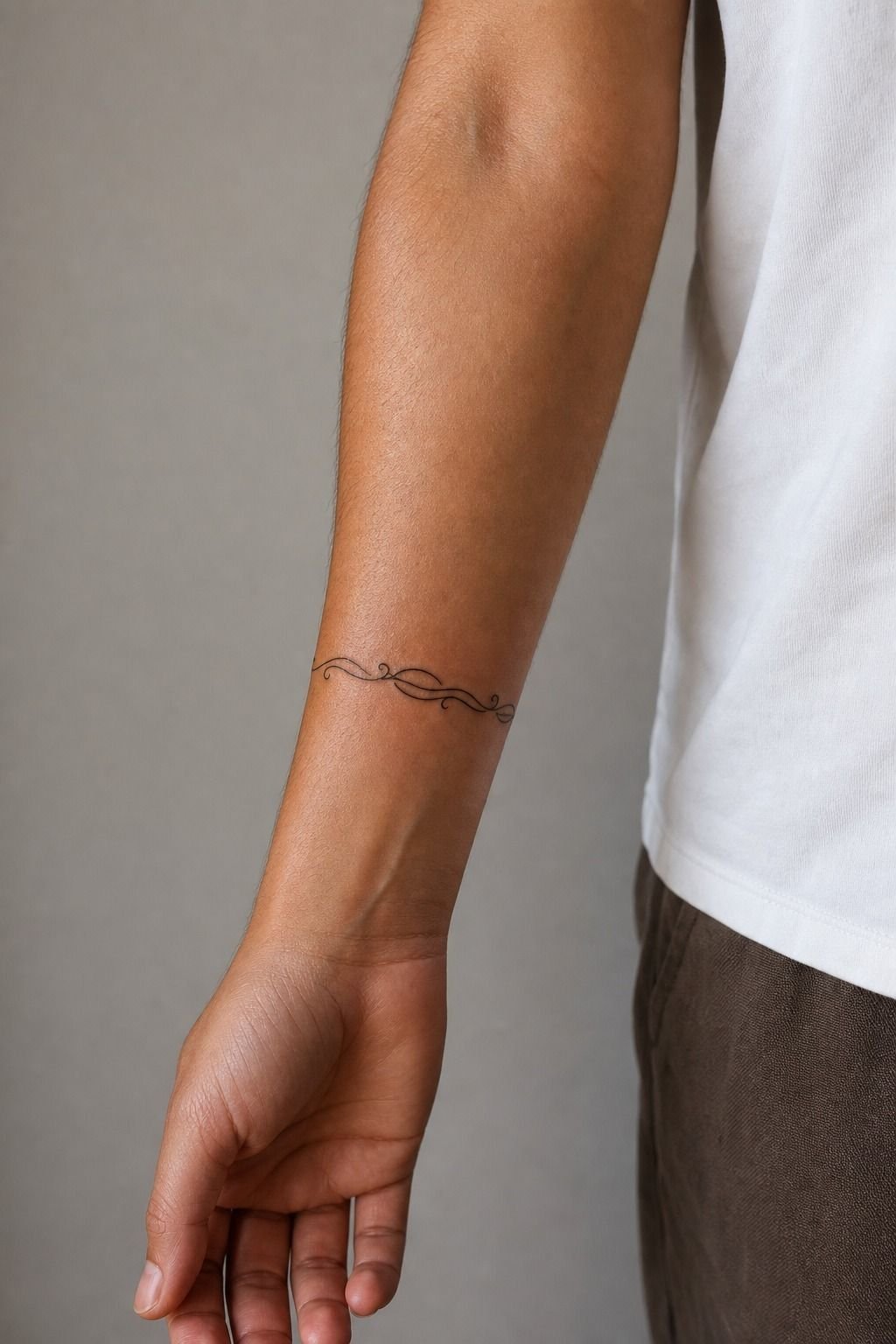
Compare wrist, forearm, and ankle visibility before you choose the design. A forearm wrap on olive skin can follow the muscle and stay visible without feeling like it’s shouting.
The wrist is more personal and more exposed. The ankle is subtle, but shoes and socks can irritate it during healing.
Your lifestyle matters here. If you work with your hands, wash frequently, or wear gloves, a forearm tattoo is usually the safer call than hand tattoos for guys. If you want something you’ll see every day, inner wrist can feel intimate, but keep the design open and simple.
But don’t pick an ankle tattoo just because it feels hidden. If your shoes rub the fresh tattoo, you’ll have a longer, more annoying heal. Your placement should fit your real routine.
If forearm visibility is your thing, use the references in thigh tattoos for men too. The scale lessons carry over.
10Keep Lettering Short For Lasting Legibility
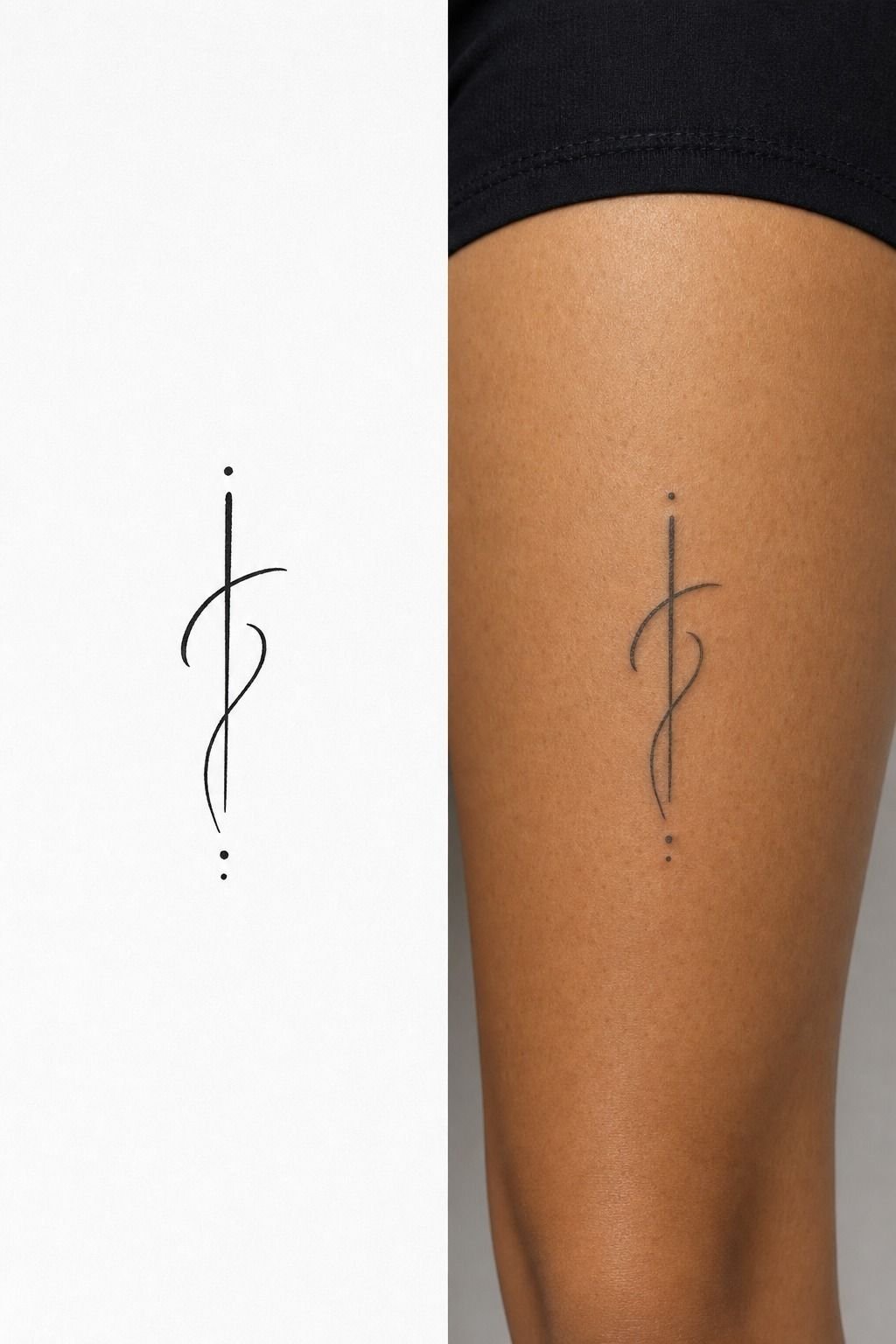
Keep lettering short. One word, initials, a date, or a short name will heal far more cleanly than a full quote squeezed onto your wrist. The split between a stencil and a healed tattoo tells the whole story: thin loops and tightly packed letters don’t stay as crisp as they look on paper.
Choose a font with open counters, meaning the spaces inside letters like “a,” “e,” and “o” aren’t pinched shut. Your artist should widen the spacing and simplify flourishes. You may love ornate script now, but tiny ornate script is one of the fastest routes to a blur.
I’d skip vertical micro-lettering on the side of a finger. It looks refined in a fresh photo, then the skin does what skin does. Put it on the inner forearm, upper arm, or calf where your artist has room to give each letter some air.
Ask for a printed stencil in Spirit Classic Purple at final size. If you need to squint to read it before it’s tattooed, your future self will be squinting harder.
11Avoid Tiny Details That Blur During Healing
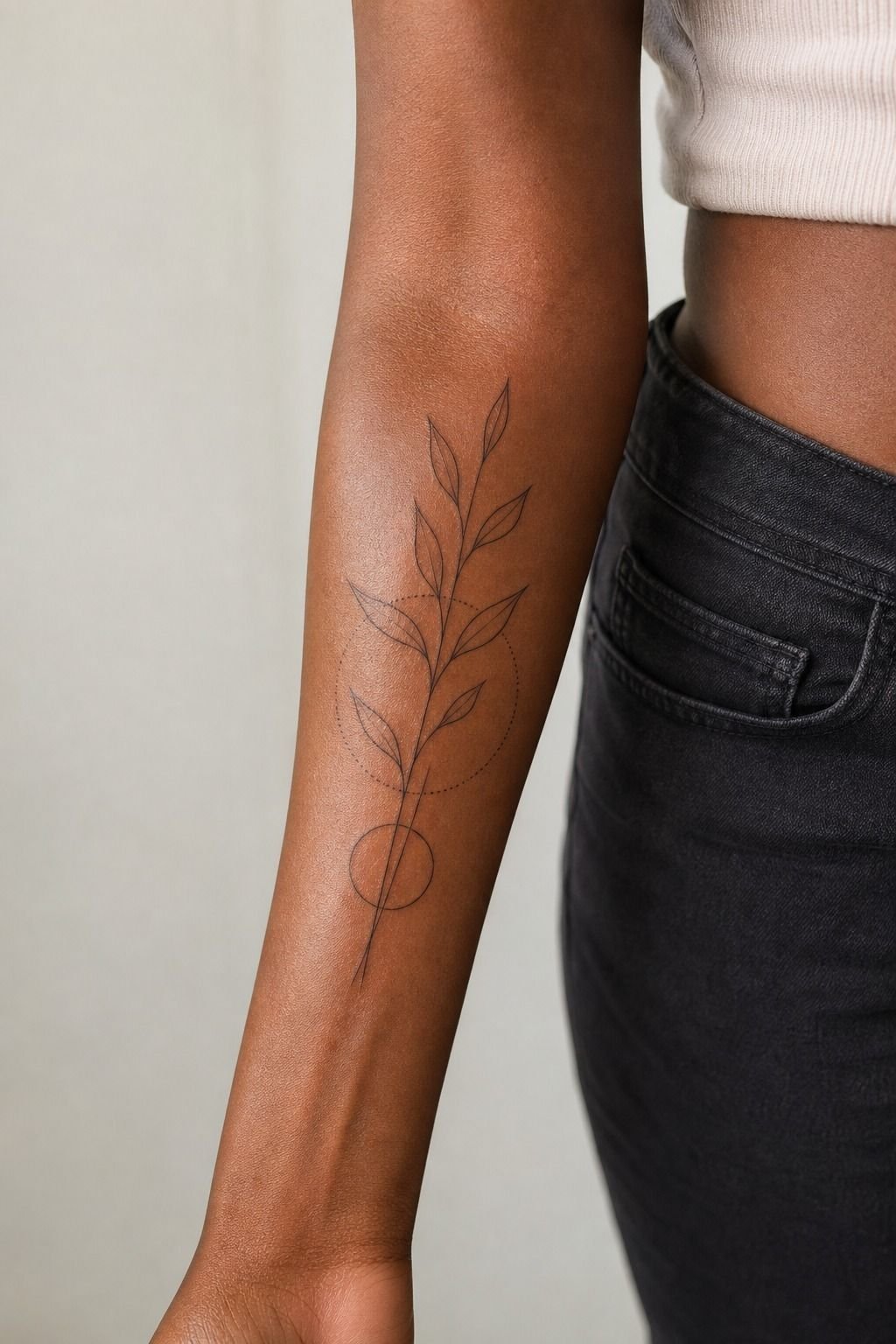
Avoid tiny details that depend on hairline gaps, pale micro-shading, or six different textures.
12Ask Artists For Fresh Small-Tattoo Portfolio Examples
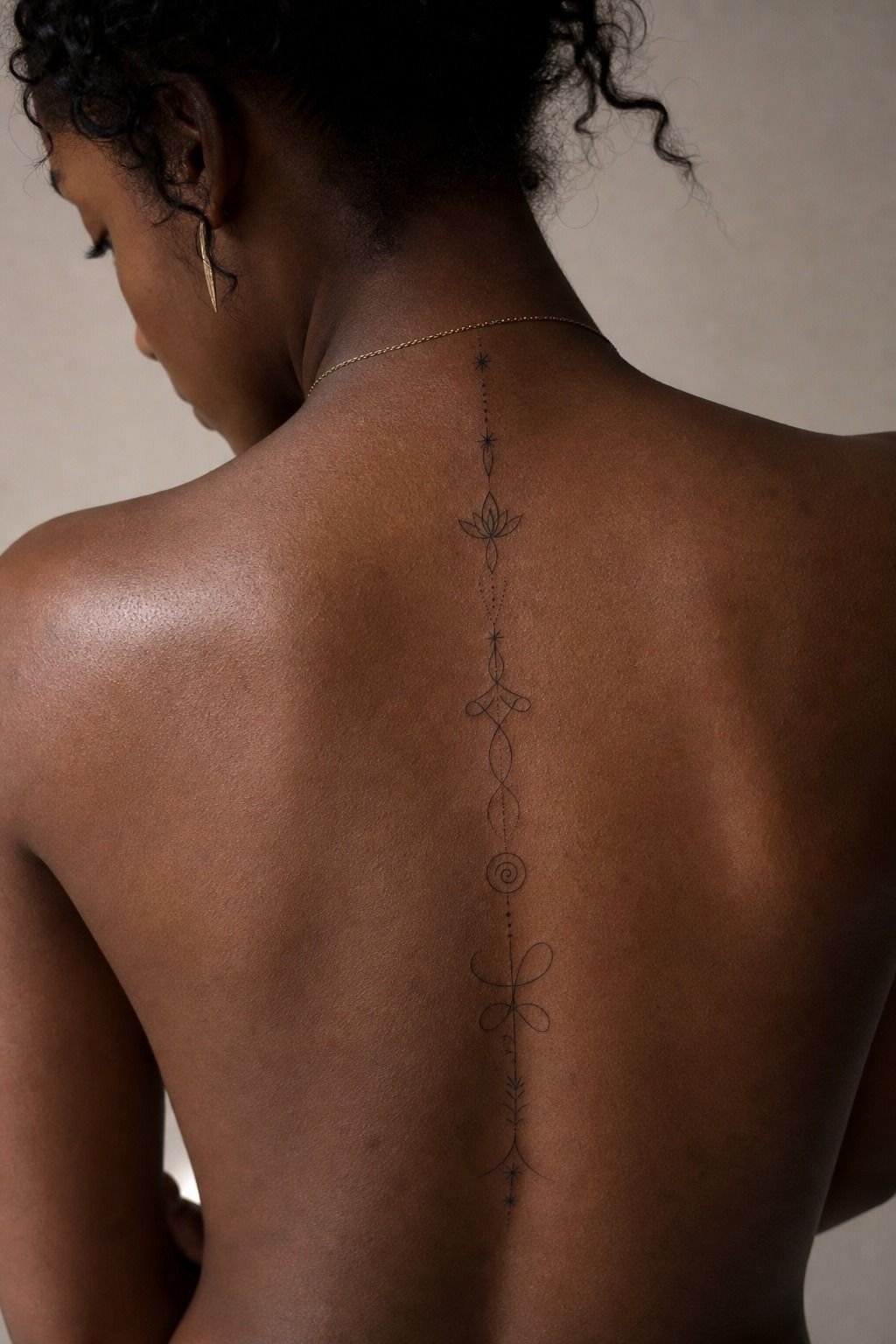
Ask artists for fresh and healed small-tattoo examples, not just polished studio photos from the day of the appointment. A macro image on the spine can show crispy linework, but a fresh tattoo is swollen, shiny, and temporarily darker than it will be later.
You want to see at least a few healed photos from months after the session. Look for smooth lines, soft grey wash, clean negative space, and no obvious blowout. A good artist won’t get defensive about this question.
They’ll be glad you care.
Ask what needle grouping they’d use, how they adapt designs for placement, and whether they offer one touch-up on high-wear zones. If their answer is vague, keep looking. Your artist should explain the plan in plain English.
I’m Hazel, and I’d rather redraw a design than tattoo something I know will fail. That’s not me being difficult. It’s respect for your skin and your money.
If you’re considering a more visible area, compare portfolios against these small neck tattoos. Neck work needs confident placement, period.
13Budget For Touch-Ups On High-Wear Placements
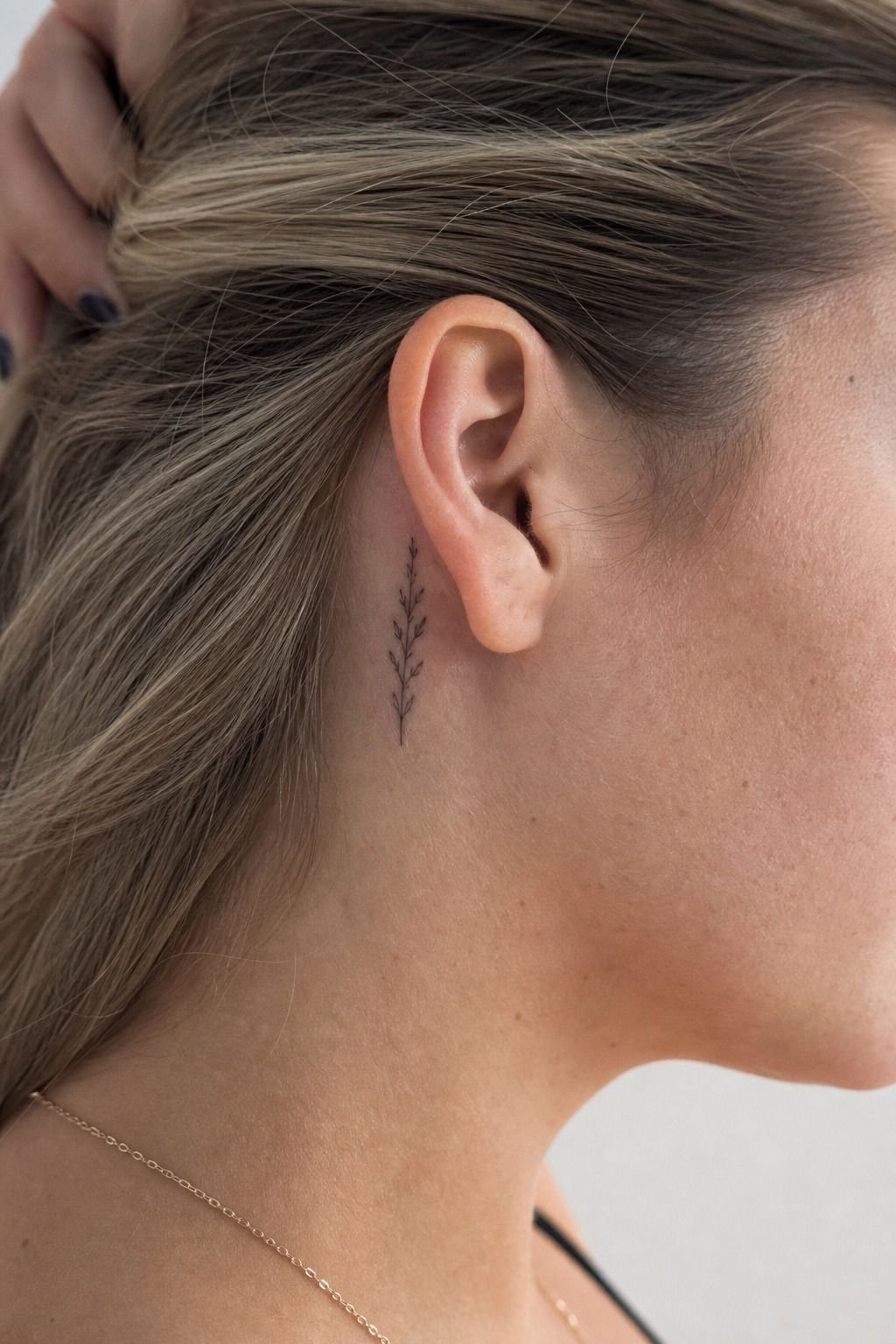
Budget for touch-ups if you choose behind-the-ear, finger, hand, foot, or inner-lip placements. A healed fine line tattoo behind the ear can look subtle and inviting, but hair products, pillows, headphones, sun, and constant rubbing can make that area more demanding.
Typical U.S. shop minimums run about $50 to $100. Many artists charge around $100 to $250 per hour, depending on their experience and your region.
A tiny tattoo may take less than an hour, but don’t expect the price to match the size exactly. Setup, sterile supplies, drawing, and cleanup still count.
Your cheap option is choosing a low-wear spot the first time. Your investment is an artist whose healed work is solid. I’d spend more on a clean portfolio before I’d spend less on a risky hand tattoo.
See more placement references in small behind-the-ear tattoos. That little zone is elegant, but it isn’t maintenance-free.
14Follow Aftercare Closely Through Complete Healing
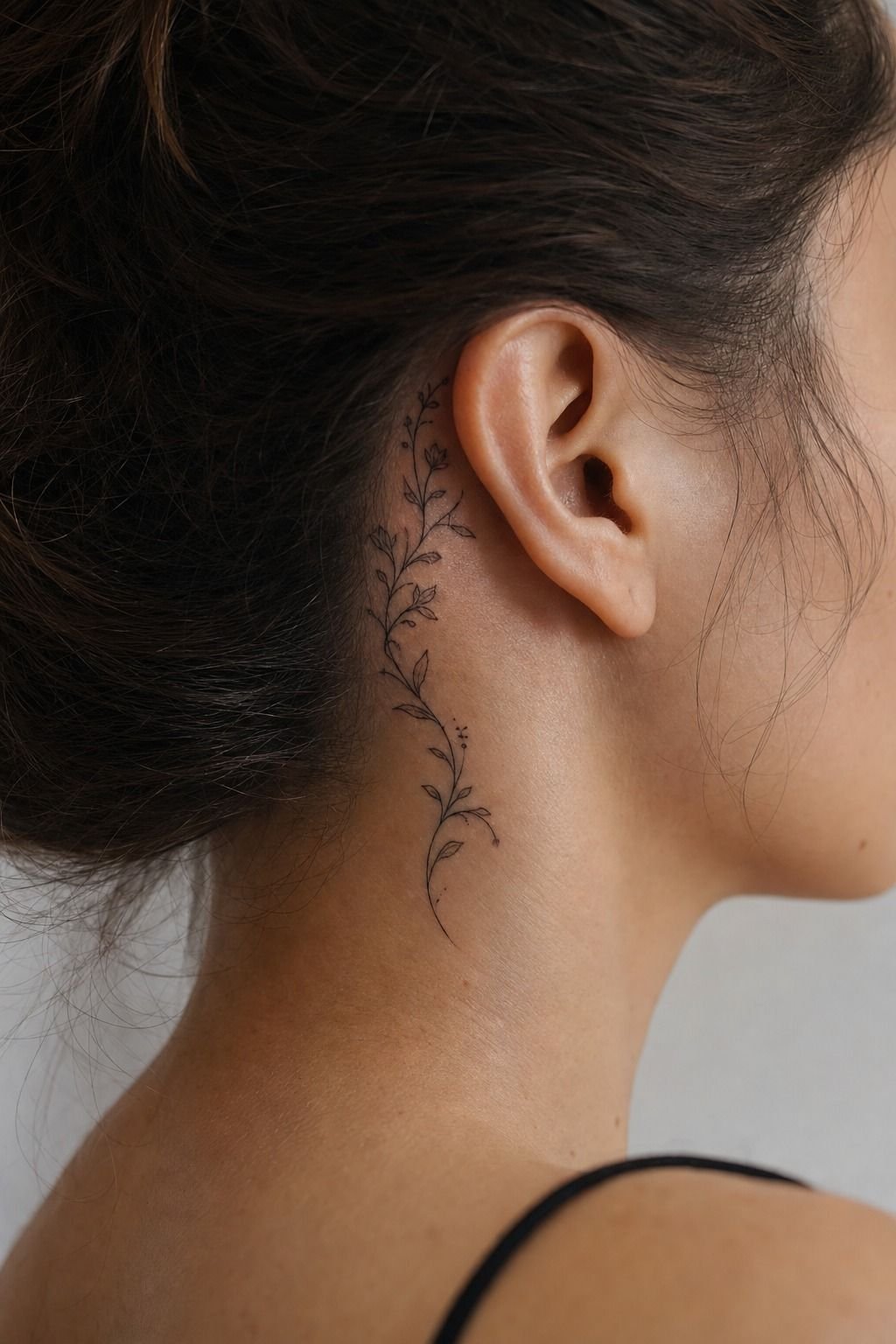
Follow aftercare closely from the first wash through the silver-skin stage. A behind-the-ear fine line tattoo needs the same respect as a large piece: the first few days, it’s an open wound. Treat it like that.
Wash with gentle unscented soap, pat dry with a clean paper towel, and apply a thin layer of fragrance-free ointment or lotion. Dove Sensitive Skin Beauty Bar or another gentle unscented cleanser works for many people, but follow your artist’s exact product advice. Don’t suffocate it under thick layers.
Your surface healing usually takes about 2 to 3 weeks. Complete healing can take around 2 to 3 months.
It’ll peel like a sunburn, and you don’t pick the flakes or you can pull color out. No pools, hot tubs, direct sun, or gym friction while it’s fresh.
But don’t over-wash it either. Clean, thin moisture, loose clothing, patience.
That’s the whole aftercare plan. Once it’s healed, sunscreen helps keep black lines crisp longer.
The Small-Tattoo Reality Check I Give Every Client
I’ve seen people overthink small tattoos for weeks, then make the only decision that matters in ten seconds: choosing a design that fits the placement instead of forcing a saved image onto their body. That’s the split.
A good small tattoo isn’t a tiny version of a large tattoo. It’s its own format.
The mistake I see most is treating size like a flex. Someone wants a detailed lion, a full quote, coordinates, a pocket watch, and their kid’s name inside a space smaller than a matchbook. I get it.
You want the tattoo to contain everything. But ink isn’t a note app.
Your skin needs contrast, clear shapes, and enough open space that the design can move with you without becoming grey static.
I’d rather tattoo a 2-inch blackwork symbol on an outer forearm than a complicated half-inch illustration on a wrist every single time. The forearm gives you a calmer healing process, easier visibility, and a better chance that the tattoo will read in ten years.
It’s not about making everything big. It’s about giving the idea a fair shot.
And there’s no prize for suffering through a spicy placement on your first appointment. Outer arm, thigh, calf, and shoulder are often more tolerable than ribs, sternum, feet, hands, or fingers.
Lines feel sharper. Shading feels like a dull burn.
Color packing is the spiciest part. Tap out for five rather than pass out on me.
Bring references. Be open to changes.
Your artist isn’t there to copy a screenshot line for line. They’re there to make a tattoo that lives well on your actual skin.
That’s the whole point.
The Questions I Get Asked Most
How much does a Small Tattoos For Men usually cost?
Most small tattoos for men cost about $100 to $300, though shop minimums can be around $50 to $100 and hourly rates often run $100 to $250. A realistic budget gives you room for a clean artist, proper setup, and a design that isn’t rushed.
– Shop minimum – Artist experience – Placement difficulty
Are Small Tattoos For Men a good idea for a first tattoo?
Yes, especially on your outer forearm, shoulder, thigh, or calf. A manageable first session lets you learn how tattooing feels without committing to a long appointment. Keep the concept simple, give the lines room, and choose a subject you won’t outgrow.
– Clear black linework – Low-wear placement – Personal symbol
How do I choose a tattoo artist for Small Tattoos For Men?
Choose an artist whose healed portfolio shows clean small work in the style you want. Healed proof matters more than a glossy fresh tattoo photo. You should also check studio hygiene, line consistency, and whether they can explain why a design needs resizing.
– Healed portfolio photos – Crispy and confident lines – Clean studio practices
How much do Small Tattoos For Men hurt?
Pain depends on placement. Outer arm, calf, thigh, and shoulder are usually more tolerable, while ribs, feet, hands, sternum, and fingers feel spicier.
Lines are sharp; shading is a dull burn. Your body gets a vote, so take breaks if you need them.
– Bony zones – Nerve-dense areas – Session length
How long does a Small Tattoos For Men take to heal?
Surface healing usually takes about 2 to 3 weeks, while complete healing can take around 2 to 3 months. Gentle aftercare protects the finish: unscented soap, thin moisture, no picking, no pools, and no sun while the tattoo is fresh.
– Gentle unscented soap – Thin lotion layer – Loose clean clothing
What’s the best placement for Small Tattoos For Men?
The outer forearm and upper arm are strong first choices because they’re visible, lower-wear, and usually less spicy than hands or ribs. A low-wear placement gives fine lines better odds of aging cleanly. Your thigh and calf are also solid options.
– Outer forearm visibility – Upper-arm flow – Calf breathing room
Where I’d Start First
If I had to pick one step, I’d start with matching tattoo size to placement. You can’t save a cramped wrist design with better ink or more meaning.
Give it room on your forearm or calf, and it’ll stay readable far longer. Pin this before your consult.